
At What Age Should You Train a Puppy?
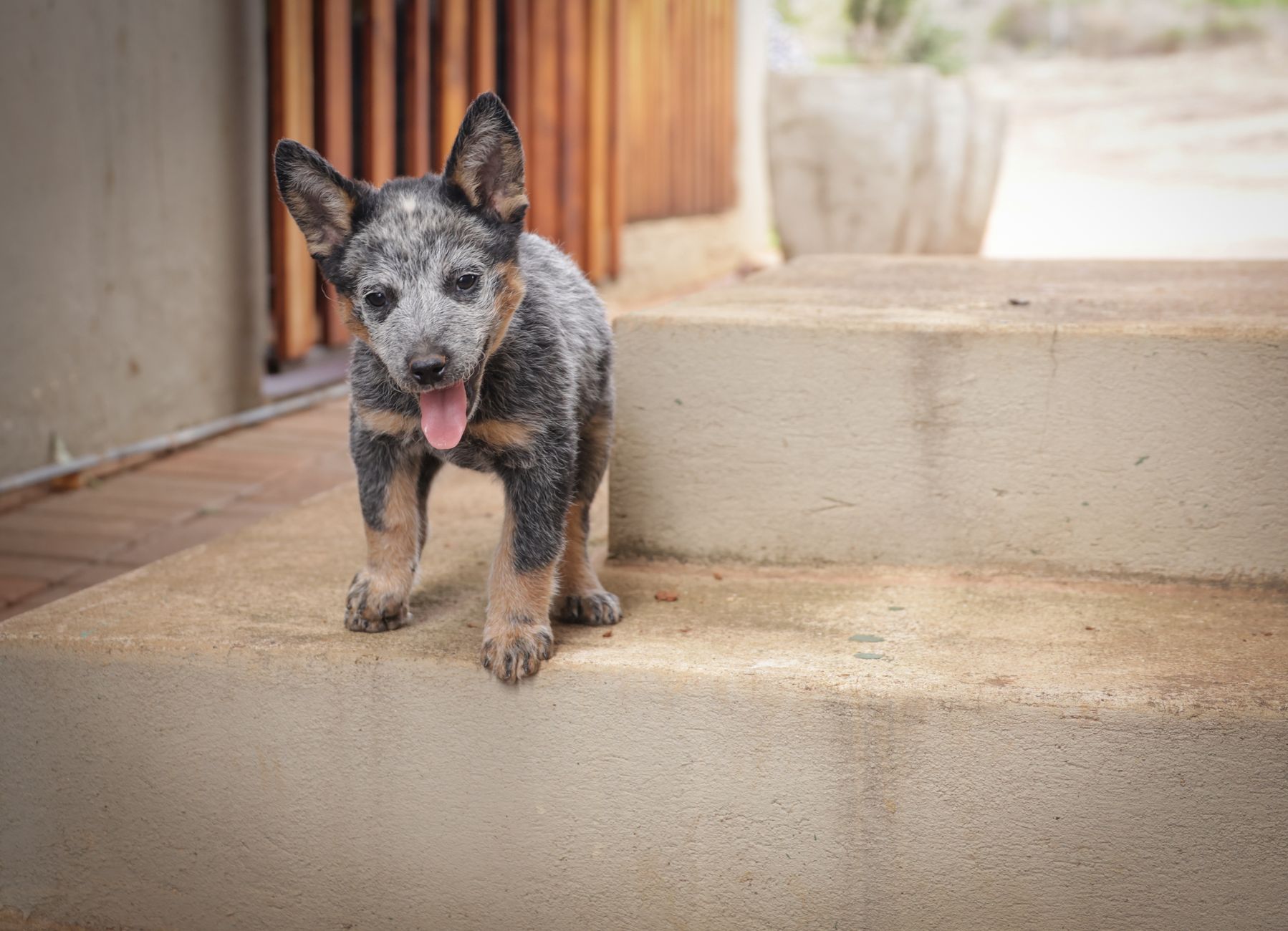
The ideal time to begin puppy training is immediately upon bringing them home, typically around 8 weeks of age, focusing on socialization and basic obedience. Early training significantly impacts long-term behavior and strengthens the bond between you and your furry friend.

The Importance of Early Puppy Training
The question “At what age should you train a puppy?” is a common one, and for good reason. The early months of a puppy’s life are a critical period for development. What they learn (or don’t learn) during this time can have a profound impact on their behavior and well-being for years to come. Waiting too long can make training more challenging, as undesirable behaviors become ingrained.

Is distilled water good for goldfish?
What colours are fish most attracted to?
Can you put your finger in a trout's mouth?
Is methylene blue anti bacterial?
Benefits of Starting Early
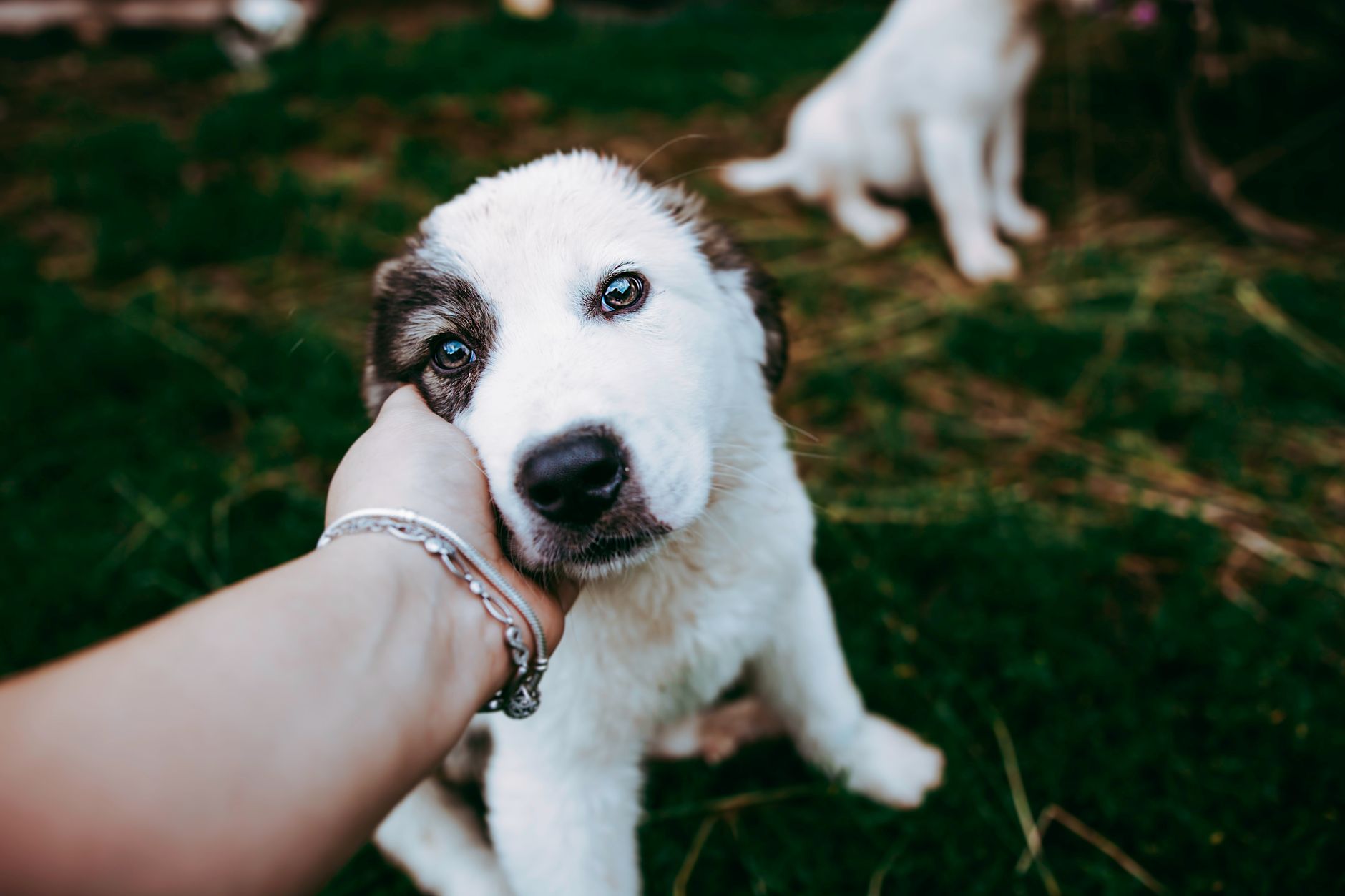
Beginning training early has many advantages, extending far beyond simple obedience. Here are just a few:
- Socialization: Exposing your puppy to new sights, sounds, people, and other dogs during this sensitive period helps them develop into well-adjusted, confident adults. Fearfulness stemming from lack of socialization is a leading cause of behavioral problems.
- Bonding: Training is a fantastic way to build a strong bond with your puppy. Positive reinforcement techniques strengthen the connection between you and your dog, fostering trust and affection.
- Preventing Problem Behaviors: Early training can help prevent common problem behaviors such as excessive barking, chewing, and digging. By establishing clear boundaries and teaching appropriate behaviors from the start, you can nip these issues in the bud.
- Easier Learning: Puppies are generally more receptive to learning during their early months. Their brains are like sponges, readily absorbing new information.
- Safety: Teaching basic commands like “come,” “stay,” and “leave it” can be crucial for your puppy’s safety, especially in potentially dangerous situations.
Key Areas of Focus in Early Puppy Training
While formal obedience classes may not be appropriate for very young puppies (due to vaccination status), there’s plenty you can do at home. Focus on these areas:
- Socialization:
- Introduce your puppy to a variety of people, including children and those with different appearances (e.g., wearing hats, using walkers).
- Expose them to different environments, such as parks, busy streets, and quiet neighborhoods.
- Supervise interactions with other dogs carefully, ensuring positive experiences.
- Basic Obedience:
- Teach simple commands like “sit,” “stay,” “come,” and “down.”
- Use positive reinforcement, such as treats, praise, and toys.
- Keep training sessions short and fun.
- House Training:
- Establish a regular potty schedule.
- Reward your puppy for eliminating outside.
- Clean up accidents promptly and thoroughly.
- Crate Training (Optional):
- Introduce the crate as a safe and comfortable space.
- Gradually increase the amount of time your puppy spends in the crate.
- Never use the crate as punishment.
- Bite Inhibition:
- Teach your puppy to control the force of their bites.
- If they bite too hard during play, say “ouch” and stop the game immediately.
Common Mistakes to Avoid
Even with good intentions, some common mistakes can hinder early puppy training. Avoid these pitfalls:
- Punishment: Using punishment, such as yelling or hitting, can damage your relationship with your puppy and create fear and anxiety. Stick to positive reinforcement methods.
- Inconsistency: Be consistent with your commands and rules. If you allow your puppy to do something one day and then scold them for it the next, they will become confused.
- Too Much, Too Soon: Don’t overwhelm your puppy with too much information at once. Keep training sessions short and focused.
- Lack of Socialization: Failing to properly socialize your puppy can lead to fearfulness and aggression later in life.
- Ignoring Problem Behaviors: Ignoring minor problem behaviors, such as excessive barking or chewing, can allow them to escalate into more serious issues.
Structuring Training Sessions
Here’s a simple structure you can follow for training sessions:
| Stage | Description | Duration (approx.) |
|---|---|---|
| Warm-up | Start with a few easy commands your puppy already knows to get them engaged. | 2-3 minutes |
| New Skill | Introduce a new command or behavior. Break it down into small, manageable steps. | 5-7 minutes |
| Reinforcement | Practice previously learned commands to reinforce them and keep your puppy confident. | 3-5 minutes |
| Cool-down | End the session on a positive note with a favorite command or a fun game. | 2-3 minutes |
Remember to adjust the duration and intensity of training sessions to suit your puppy’s individual needs and attention span. Always end on a positive note, even if you don’t achieve your goal for the day.
At what age should you train a puppy? The definitive answer.
Starting early, with gentle and positive methods, is the key to raising a well-behaved and happy dog. Don’t wait! Begin socialization and basic training as soon as your puppy comes home.
Frequently Asked Questions (FAQs)
Is 8 weeks too early to start training a puppy?
No, 8 weeks is not too early. In fact, it’s an ideal time to begin focusing on socialization and basic obedience. Puppies at this age are highly receptive to learning, and early training can prevent problem behaviors from developing. It’s important, however, to keep training sessions short, positive, and focused on building a strong bond with your puppy.
What if I adopted an older puppy (6 months or older)? Is it too late to train them?
It’s never too late to train a dog! While it may take more time and patience to overcome established habits, older puppies and adult dogs can absolutely be trained. Focus on positive reinforcement techniques, and consider working with a professional trainer who has experience with older dogs.
How long should puppy training sessions last?
Puppy training sessions should be short and sweet, typically lasting no more than 5-10 minutes at a time. Puppies have short attention spans, so it’s better to have several short sessions throughout the day than one long, drawn-out session.
What are the best treats to use for puppy training?
The best treats for puppy training are small, soft, and highly palatable. Look for treats that are low in calories and made with high-quality ingredients. Cut larger treats into smaller pieces to prevent overfeeding.
How do I socialize my puppy safely during the pandemic?
While socializing during a pandemic presents challenges, it’s still crucial. Focus on safe and controlled socialization opportunities, such as:
- Outdoor walks in less crowded areas.
- Virtual training classes.
- Meeting vaccinated and healthy dogs in controlled environments.
- Introducing your puppy to new sights and sounds from a safe distance.
What if my puppy is afraid of something during socialization?
If your puppy shows signs of fear, never force them to interact with the object or situation. Instead, gradually expose them to it from a distance, rewarding them for calm behavior. You can also try pairing the scary object with something positive, like treats or praise.
How do I stop my puppy from biting?
Puppy biting is a normal part of development, but it’s important to teach bite inhibition. When your puppy bites too hard, say “ouch” and stop playing immediately. This teaches them that biting stops the fun. You can also redirect their attention to a chew toy.
My puppy is easily distracted during training. What can I do?
Minimize distractions by training in a quiet environment with few interruptions. Use high-value treats to keep your puppy motivated, and keep training sessions short and engaging. You can also gradually introduce distractions as your puppy progresses.
What is clicker training, and is it effective for puppies?
Clicker training is a positive reinforcement technique that uses a clicker to mark the exact moment your puppy performs the desired behavior. The clicker is then followed by a treat. It is highly effective for puppies because it provides clear and consistent communication.
When should I enroll my puppy in formal obedience classes?
Once your puppy has received their initial vaccinations (typically around 16 weeks), you can consider enrolling them in formal obedience classes. Look for classes that use positive reinforcement methods and are taught by experienced instructors.
How do I deal with puppy potty training accidents?
Potty training accidents are inevitable. Never punish your puppy for accidents. Instead, clean up the mess thoroughly with an enzymatic cleaner to eliminate the odor, and take your puppy outside more frequently.
What are some signs that my puppy is stressed or overwhelmed during training?
Signs of stress in puppies include: panting, yawning, lip licking, whale eye (showing the whites of their eyes), flattened ears, and tail tucked between their legs. If you notice any of these signs, stop the training session immediately and give your puppy a break.