
Are Seahorses Freshwater or Saltwater Fish?
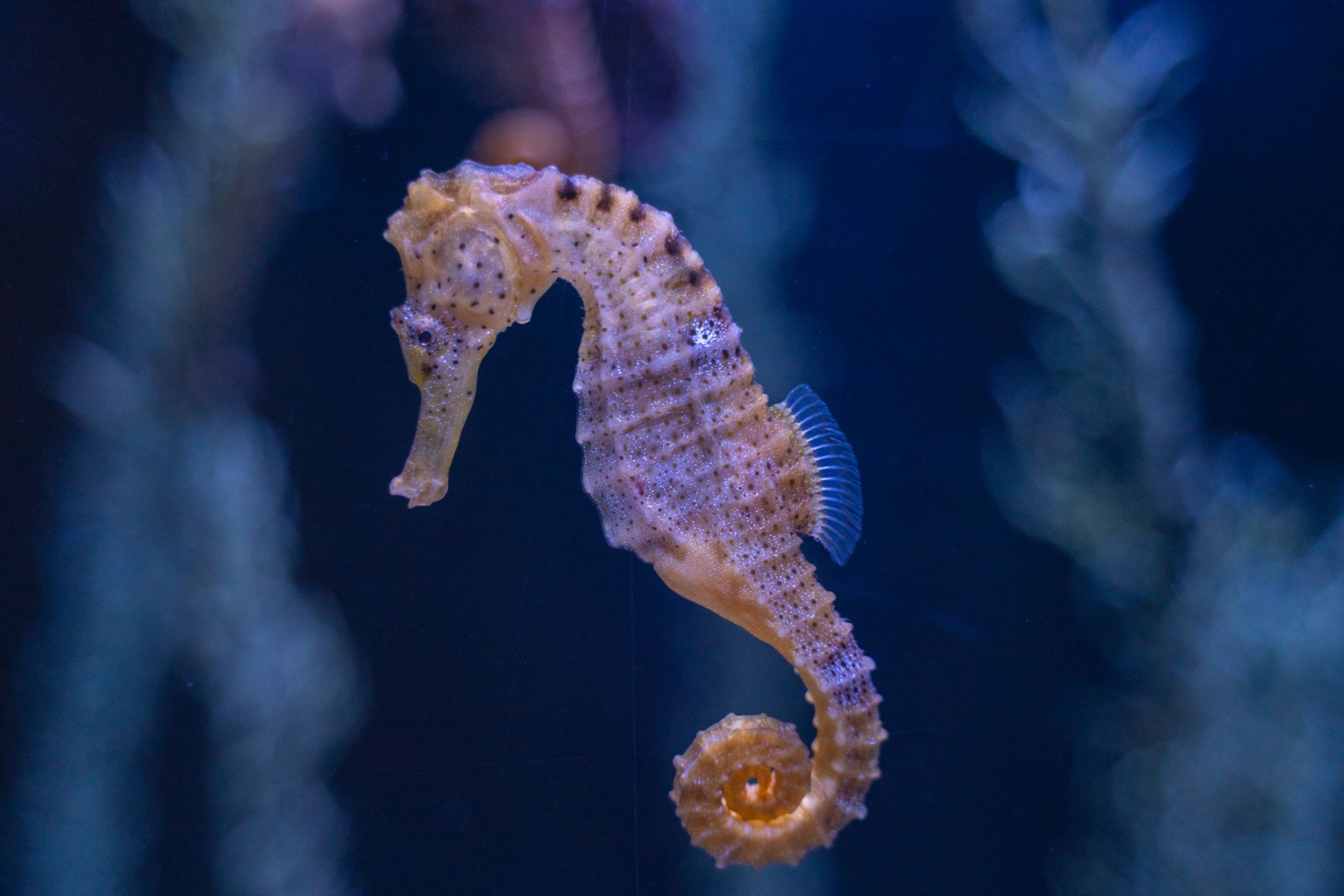
Seahorses are definitively saltwater fish. They are exclusively found in marine environments, ranging from tropical to temperate coastal waters around the globe.

Introduction: A World of Salt and Sea
Seahorses, those enchanting creatures of the deep, capture our imagination with their unique shape, delicate movements, and unusual reproductive behaviors. But one fundamental question often arises: Are seahorses freshwater or saltwater fish? The answer to this question is crucial to understanding their biology, ecology, and conservation needs. This article delves into the intricacies of seahorse habitats and physiology to unequivocally establish their saltwater nature.

How intelligent are fish?
Are fish heads good for the garden?
Can fish hear water?
What is cotton rot in fish?
The Seahorse Family: A Marine Lineage
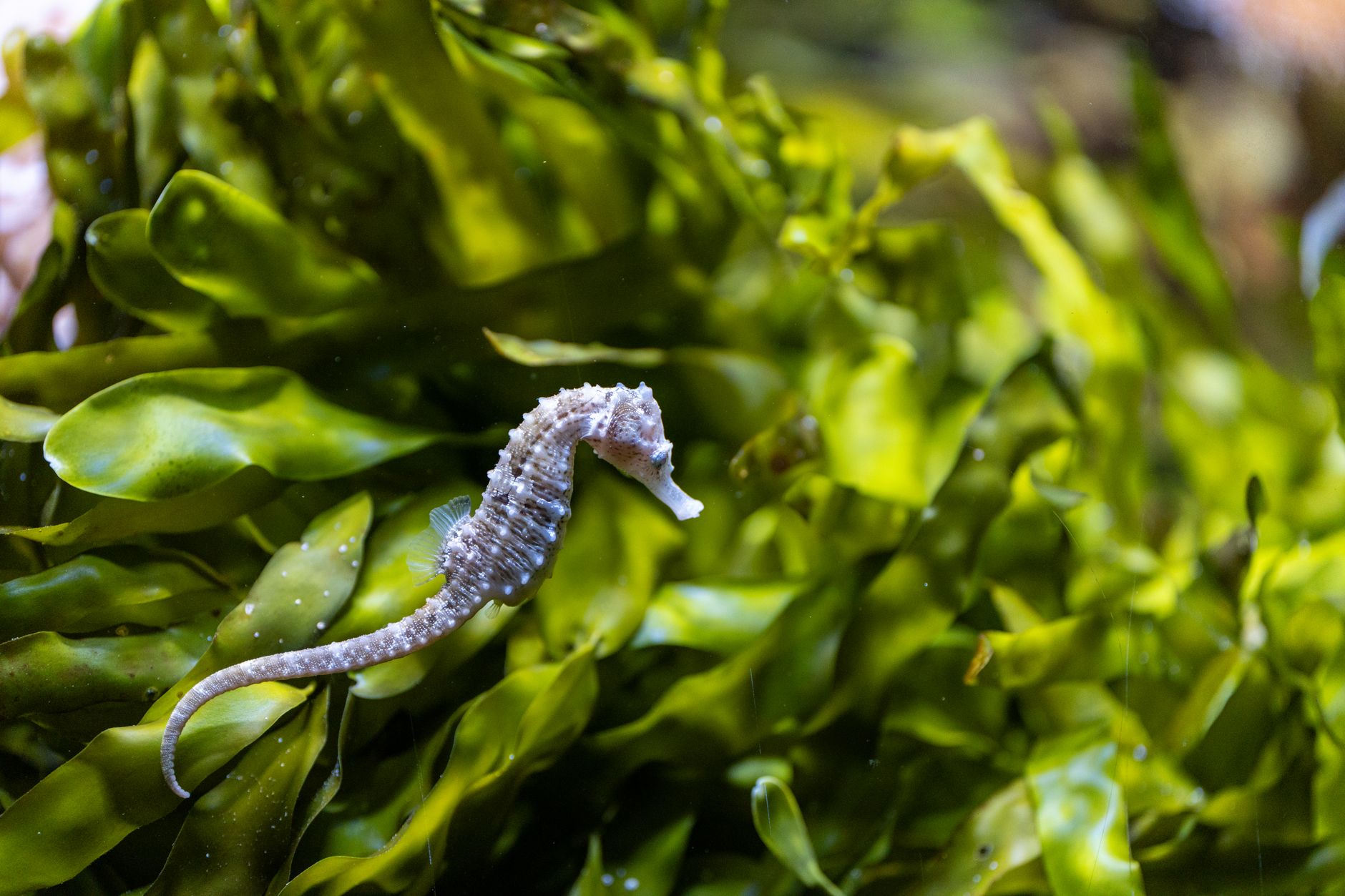
Seahorses belong to the genus Hippocampus, which is part of the Syngnathidae family, a group of fish that also includes pipefish and seadragons. This entire family is exclusively marine. There are no known species of Syngnathidae that thrive in freshwater environments. This strong phylogenetic tie provides an initial indication that seahorses are saltwater creatures.
Osmoregulation: The Saltwater Secret
The ability of an organism to maintain a stable internal salt concentration, a process called osmoregulation, is critical for survival. Freshwater fish are hypertonic, meaning their bodies contain more salt than the surrounding water. They constantly absorb water through their skin and gills and must actively excrete excess water while retaining salts. Saltwater fish, conversely, are hypotonic – their bodies contain less salt than seawater. They constantly lose water to their environment and must actively drink seawater and excrete excess salt through their gills.
Seahorses possess physiological adaptations consistent with saltwater existence. Their gills and kidneys are specifically designed to handle the high salt concentrations of marine environments. There is no evidence to suggest they have the necessary adaptations for freshwater osmoregulation. Attempting to keep a seahorse in freshwater would quickly lead to osmotic imbalance and death.
Habitat: Confined to the Coasts
Seahorses inhabit a variety of saltwater environments, including:
- Seagrass beds
- Coral reefs
- Mangrove forests
- Estuaries (where freshwater meets saltwater, though seahorses are generally found in the more saline portions)
They cling to these environments using their prehensile tails, camouflaging themselves amongst the vegetation and corals to avoid predators and ambush prey. The consistent factor across all these habitats is salinity.
Diet and Feeding Habits: A Saltwater Feast
Seahorses are carnivorous, feeding on small crustaceans, plankton, and other tiny invertebrates. These organisms are primarily found in marine ecosystems. Their unique feeding method, involving a rapid suction of prey through their tubular snout, is specifically adapted for capturing fast-moving creatures in the water column. A freshwater environment would not offer the same availability or type of prey.
Conservation Implications: A Saltwater Focus
Understanding that seahorses are saltwater fish is crucial for their conservation. Habitat loss, pollution, and overfishing, all primarily occurring in coastal marine environments, pose significant threats to seahorse populations. Conservation efforts must therefore focus on protecting and restoring saltwater habitats and regulating the trade in seahorses, ensuring their survival in the ocean.
Why the Confusion?
Despite the clear evidence, some confusion may arise due to the brackish water habitats found in some estuaries. While seahorses might occasionally venture into areas with slightly reduced salinity, they cannot survive long-term in completely freshwater environments. The key is that these environments are still fundamentally saltwater-influenced. The question “Are seahorses freshwater or saltwater fish?” has a clear answer, backed by scientific evidence.
Frequently Asked Questions about Seahorses
Are seahorses saltwater fish, and if so, what salinity level do they require?
Yes, seahorses are saltwater fish and require a stable salinity level. The optimal range is typically between 30 and 35 parts per thousand (ppt), which is similar to natural seawater. Maintaining a stable salinity is crucial for their health and survival in captivity. Fluctuations can cause stress and make them susceptible to disease.
Can seahorses live in brackish water?
While some seahorse species may tolerate brackish water for short periods, they are not adapted for long-term survival in these conditions. Estuaries, where freshwater meets saltwater, can sometimes host seahorses, but they are typically found in the more saline regions of these environments.
What happens if a seahorse is placed in freshwater?
Placing a seahorse in freshwater would be fatal. The osmotic imbalance would cause their cells to rapidly absorb water, leading to swelling and eventual organ failure. They lack the physiological mechanisms to regulate salt and water balance in a freshwater environment.
Do seahorses drink water?
Saltwater fish, including seahorses, need to drink water to compensate for water loss through osmosis. They then excrete the excess salt through specialized cells in their gills. This process is essential for maintaining their internal water balance.
How do seahorses maintain their salt balance in a saltwater environment?
Seahorses maintain their salt balance through several mechanisms. They drink saltwater to compensate for water loss, actively transport salt ions out of their bodies through their gills, and produce small amounts of highly concentrated urine.
Are there any seahorse species that can adapt to freshwater over time?
No, there are no known seahorse species that can adapt to freshwater over any period of time. Their physiology is fundamentally adapted to marine conditions, and they lack the genetic or physiological plasticity to make such a drastic adaptation.
Why are seahorses only found in saltwater environments?
Seahorses evolved in marine environments and developed physiological adaptations specific to those conditions. Their gills, kidneys, and digestive systems are all designed to function optimally in saltwater.
What role does salinity play in seahorse reproduction?
Salinity plays a critical role in seahorse reproduction. Optimal salinity levels are essential for the health of the eggs and developing fry. Fluctuations in salinity can disrupt the reproductive cycle and reduce the chances of successful hatching.
How does pollution in saltwater environments affect seahorses?
Pollution in saltwater environments, such as chemical runoff and plastic contamination, can have devastating effects on seahorses. These pollutants can disrupt their hormonal balance, damage their gills, and contaminate their food sources.
What is the conservation status of seahorses, and how does their reliance on saltwater habitats play a role?
Many seahorse species are listed as vulnerable or endangered, primarily due to habitat loss and overexploitation. Protecting their saltwater habitats, such as seagrass beds and coral reefs, is crucial for their survival. The degradation of these habitats directly impacts their ability to find food, shelter, and breeding grounds.
How can I help protect seahorses in their natural saltwater habitats?
You can help protect seahorses by supporting organizations dedicated to marine conservation, reducing your use of plastics, and making sustainable seafood choices. Additionally, advocating for policies that protect coastal ecosystems is crucial for ensuring the long-term survival of these fascinating creatures. Also, never purchase or trade seahorses illegally captured from the wild.
Are seahorses saltwater fish or something else entirely?
To reiterate, the answer to Are seahorses freshwater or saltwater fish? is definitively saltwater. They are true fish, belonging to the Syngnathidae family, and their entire life cycle is dependent on marine environments. There is no debate within the scientific community on this point.