
Are Sea Lice Killing Salmon? A Deep Dive
The impact of sea lice on salmon populations is a complex and contentious issue. While the claim that sea lice are unequivocally killing salmon is an oversimplification, increased sea lice infestations can significantly harm individual fish and negatively impact wild salmon populations, particularly in aquaculture-intensive areas.
The Lurking Threat: Sea Lice and Salmon
Sea lice, tiny parasitic crustaceans, are a natural part of the marine ecosystem. They feed on the mucus, skin, and blood of fish, including salmon. In small numbers, they typically don’t pose a significant threat. However, under certain conditions, particularly near salmon farms, sea lice populations can explode, leading to severe infestations that can debilitate and even kill salmon, especially young smolts migrating to sea. The core question, Are sea lice killing salmon?, therefore requires nuanced understanding.
Salmon Farms: A Breeding Ground for Sea Lice

Salmon farms, where large numbers of salmon are raised in close proximity, provide an ideal environment for sea lice to thrive and reproduce. The high concentration of hosts allows lice populations to grow exponentially. These elevated lice levels then spill over into the surrounding environment, potentially infecting wild salmon migrating past the farms. This is one of the central arguments in the debate concerning the question: Are sea lice killing salmon?
- Increased host density
- Reduced natural predators
- Constant food supply
Impact on Wild Salmon Populations
The impact of sea lice on wild salmon populations is a subject of ongoing debate. Some studies suggest a strong correlation between sea lice infestations and declining wild salmon numbers, particularly for vulnerable juvenile salmon. Heavy infestations can:
- Impair growth and development
- Increase susceptibility to disease
- Reduce survival rates
However, other factors, such as habitat loss, climate change, and overfishing, also contribute to salmon declines, making it difficult to isolate the precise impact of sea lice. Determining whether Are sea lice killing salmon? necessitates considering these confounding factors.
Mitigation Strategies: A Multi-Faceted Approach
Addressing the sea lice problem requires a combination of strategies implemented by both salmon farmers and regulatory bodies. These include:
- Improved Farm Management: Implementing best practices in farm management, such as stocking densities, net cleaning, and fallowing periods, can help to control lice populations within farms.
- Pharmaceutical Treatments: Using approved medications to kill sea lice is a common practice, although concerns exist about the development of drug resistance.
- Biological Controls: Exploring the use of natural predators of sea lice, such as cleaner fish (lumpfish and wrasse), offers a more sustainable approach.
- Physical Barriers: Installing physical barriers, like skirts or snorkel cages, around salmon farms can prevent lice from entering and infecting the farmed salmon.
- Strategic Farm Placement: Careful consideration of farm location relative to wild salmon migration routes can reduce the risk of infection.
Monitoring and Regulation: Ensuring Effective Management
Effective monitoring and regulation are crucial for managing sea lice populations and mitigating their impact on wild salmon. This includes:
- Regular lice counts on farms: Monitoring lice levels on farms allows for early detection of outbreaks and prompt implementation of control measures.
- Reporting requirements: Farms should be required to report lice levels to regulatory bodies, ensuring transparency and accountability.
- Enforcement of regulations: Strict enforcement of regulations regarding lice management is essential to ensure compliance and prevent outbreaks.
- Research and development: Continued research into new and improved methods for controlling sea lice is vital.
Table: Comparison of Sea Lice Mitigation Strategies
| Strategy | Description | Advantages | Disadvantages |
|---|---|---|---|
| Improved Farm Mgmt | Optimizing stocking densities, net cleaning, fallowing. | Reduces lice reproduction; environmentally friendly. | May reduce production capacity. |
| Pharmaceutical Treats | Using drugs to kill lice. | Effective in short term; readily available. | Potential for drug resistance; environmental concerns. |
| Biological Controls | Using cleaner fish to eat lice on salmon. | Sustainable; environmentally friendly. | Requires careful management of cleaner fish populations; may not be effective in all conditions. |
| Physical Barriers | Using skirts or snorkel cages to prevent lice entry. | Reduces lice exposure; environmentally friendly. | Can be expensive to install and maintain; may impact water flow and oxygen levels. |
| Strategic Farm Placement | Placing farms away from wild salmon migration routes. | Reduces lice exposure to wild salmon. | Limited by available locations; may not be feasible in all areas. |
The Future of Salmon and Sea Lice
The relationship between salmon and sea lice is likely to remain a complex and challenging issue. As the aquaculture industry continues to grow, it is crucial to develop and implement effective and sustainable strategies for managing sea lice populations. Failure to do so could have significant consequences for wild salmon populations and the ecosystems they support. Ultimately, addressing the question of Are sea lice killing salmon? requires a comprehensive and collaborative approach involving salmon farmers, scientists, regulators, and environmental organizations.
Frequently Asked Questions (FAQs)
What exactly are sea lice?
Sea lice are tiny parasitic crustaceans that feed on the mucus, skin, and blood of fish, primarily salmonids like salmon and trout. They are a natural part of the marine environment, but their populations can become problematic when amplified by salmon farming.
Do sea lice only affect salmon?
While salmonids are the primary hosts, sea lice can also affect other fish species. However, salmon, particularly young, migrating smolts, are especially vulnerable due to their small size and thinner skin.
Are all salmon farms equally responsible for sea lice outbreaks?
No. Salmon farms that implement rigorous lice management practices and adhere to strict regulations are less likely to contribute to outbreaks. Factors like farm location, stocking density, and treatment protocols play a crucial role.
Can wild salmon develop resistance to sea lice?
There is limited evidence to suggest that wild salmon populations can develop significant resistance to sea lice over short periods. However, genetic diversity within salmon populations may influence individual susceptibility.
What are the environmental consequences of using chemical treatments to control sea lice?
Some chemical treatments can have negative impacts on non-target organisms and contribute to pollution. The development of drug resistance in sea lice is also a major concern, making treatments less effective over time.
How effective are biological controls, like cleaner fish?
Cleaner fish can be effective in reducing lice burdens on farmed salmon, but their effectiveness can vary depending on factors like water temperature, cleaner fish species, and farm management practices.
Are there regulations in place to control sea lice levels on salmon farms?
Yes, most salmon-farming regions have regulations in place to control sea lice levels. These regulations typically include requirements for monitoring, reporting, and implementing control measures. However, the stringency and effectiveness of these regulations vary widely.
Can I tell if a salmon I’m buying has been affected by sea lice?
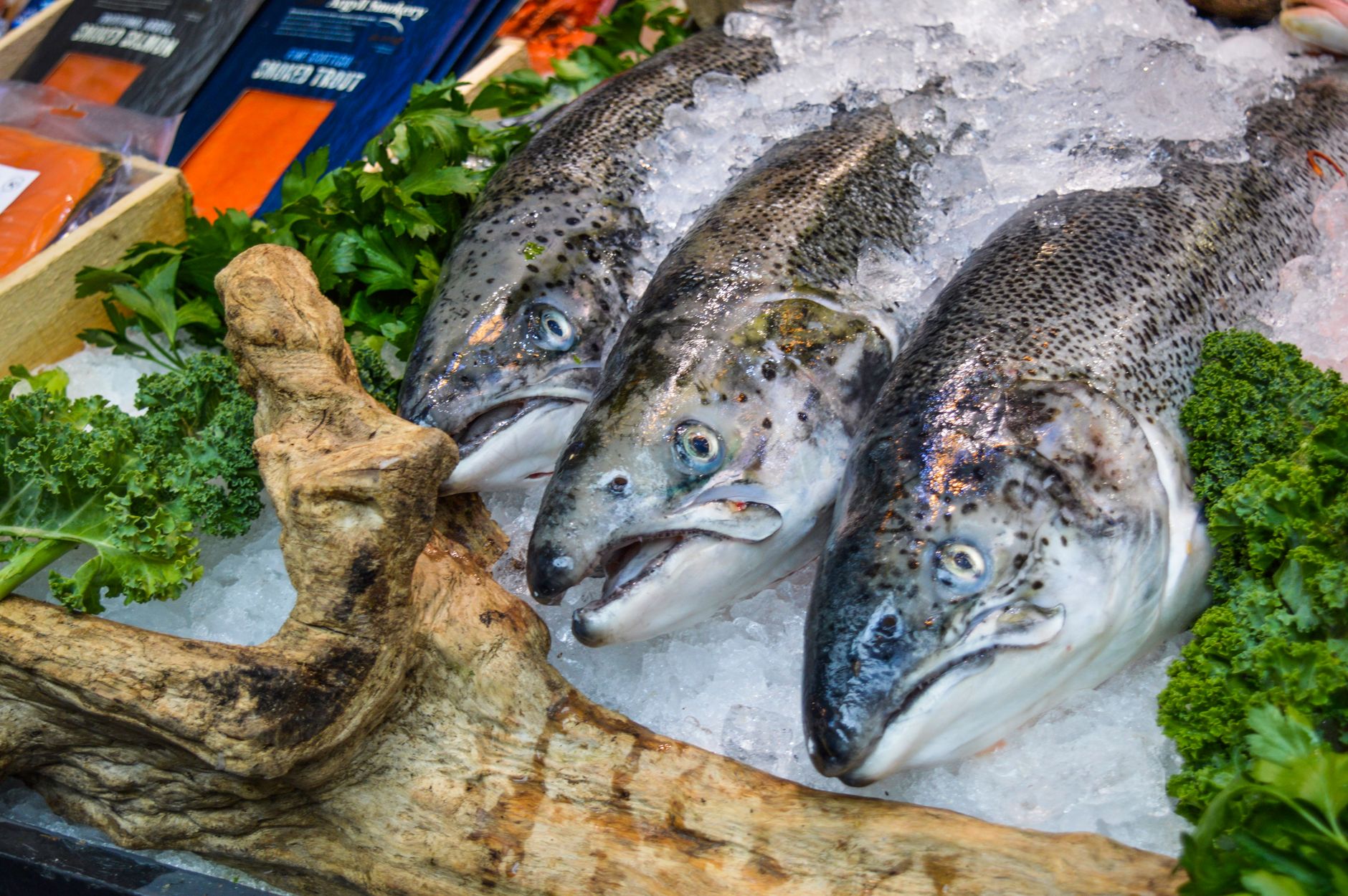
It’s unlikely you’ll be able to tell from looking at a commercially sold salmon. The visible signs of a lice infestation (lesions and damaged skin) are usually addressed during processing.
How can consumers support sustainable salmon farming practices?
Consumers can support sustainable practices by choosing salmon certified by organizations like the Aquaculture Stewardship Council (ASC) or looking for other certifications that indicate responsible farming practices. Informed purchasing decisions can influence the market toward better practices.
What are the long-term consequences of sea lice infestations on salmon populations and ecosystems?
Prolonged and severe sea lice infestations can lead to declines in wild salmon populations, disrupting food webs and impacting the economic and cultural value associated with salmon fisheries. It is an intricate situation when considering the question: Are sea lice killing salmon?
Is there any evidence that sea lice are contributing to the extinction of salmon populations?
While sea lice can significantly impact local salmon populations, there’s no direct evidence to suggest they are the sole driver of extinction. However, in conjunction with other stressors, they can exacerbate existing threats and contribute to overall decline.
What research is being done to address the sea lice problem?
Ongoing research focuses on developing new and improved control methods, understanding the impact of sea lice on wild salmon populations, and exploring the genetics of sea lice resistance to treatments. This research is vital for addressing the complex issue of Are sea lice killing salmon?.