
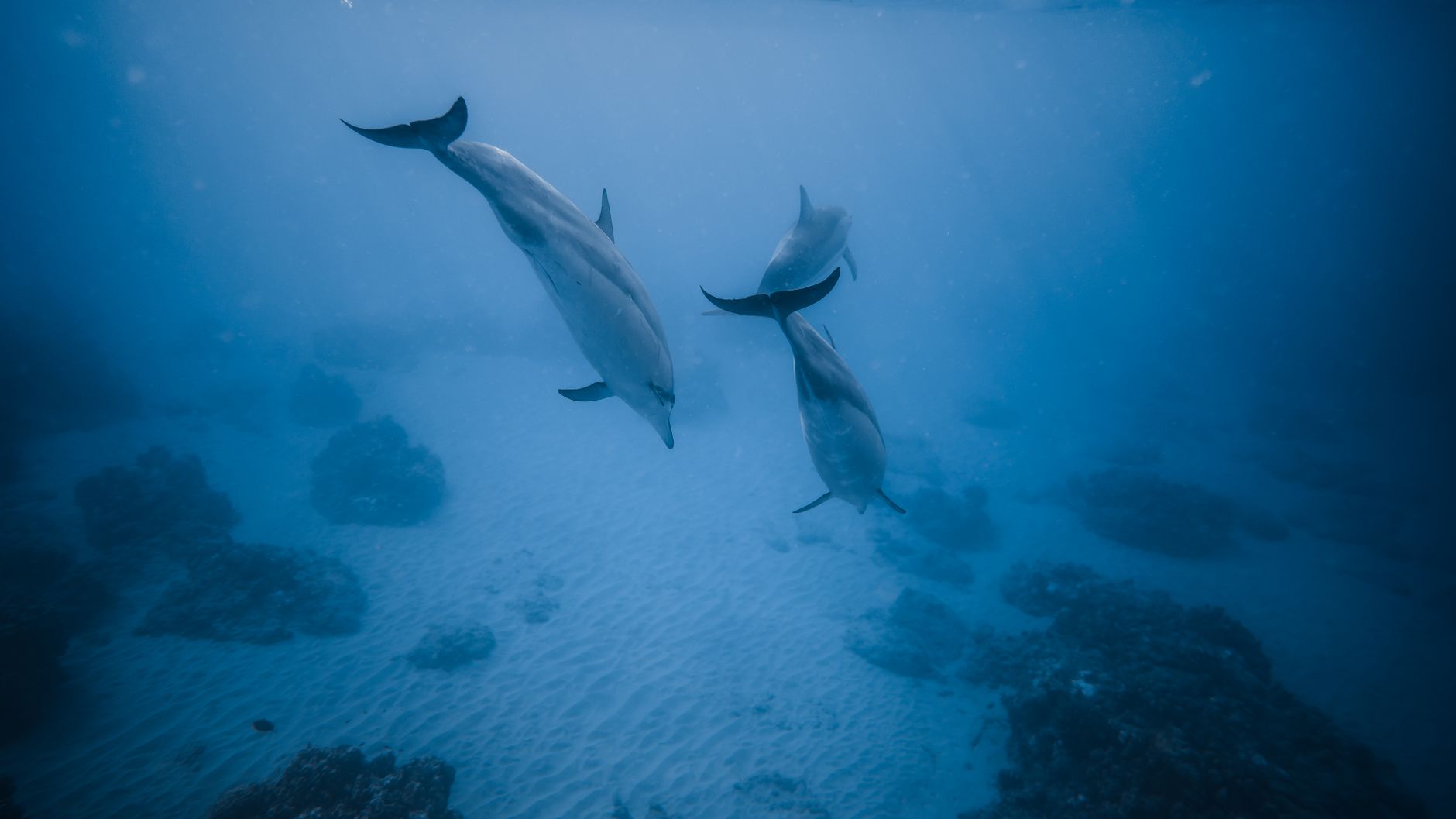
Do Sharks Ever Eat Dolphins? The Surprising Truth
Yes, sharks can and do eat dolphins, though it’s not a common occurrence; larger shark species, like the great white, tiger, and bull sharks, are most likely to prey on dolphins, especially vulnerable individuals.

Introduction: A Complex Relationship in the Marine World
The vast ocean is a dynamic ecosystem where predators and prey engage in a constant dance for survival. Among the most iconic marine animals are sharks and dolphins, both apex predators in their respective niches. While they often coexist in the same waters, the question of whether do sharks ever eat dolphins? is a complex one, influenced by a variety of factors ranging from shark size and species to dolphin health and environmental conditions. This article will explore the interactions between these two fascinating creatures, delving into the circumstances under which predation occurs and examining the roles they play in maintaining the delicate balance of the marine environment.
Factors Influencing Shark-Dolphin Interactions
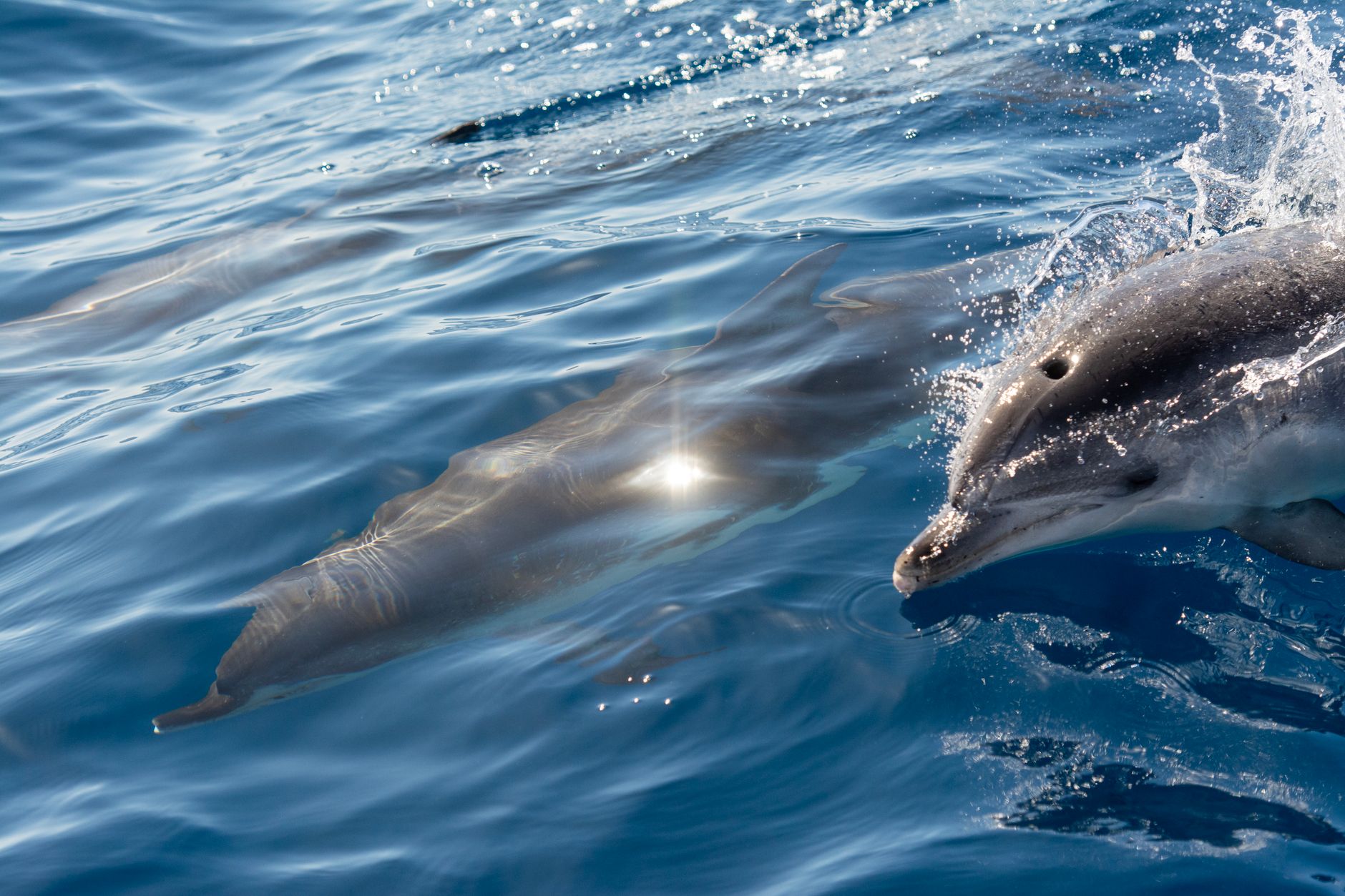
The likelihood of a shark preying on a dolphin depends on a confluence of factors. It’s not a simple predator-prey relationship like a lion hunting a gazelle. Several key elements determine if a shark will consider a dolphin as potential food.
- Shark Species and Size: The size and species of the shark are paramount. Great white, tiger, and bull sharks, known for their size and aggressive hunting behaviors, pose the greatest threat to dolphins. Smaller shark species are unlikely to target a dolphin due to their inability to subdue such a powerful and intelligent animal.
- Dolphin Health and Vulnerability: Just like any predator, sharks often target vulnerable prey. Sick, injured, or young dolphins are easier to catch and subdue than healthy, adult dolphins. These individuals are more susceptible to attack and less able to defend themselves.
- Location and Habitat: Overlapping habitats increase the chances of interaction. Areas where sharks and dolphins frequently encounter each other, such as coastal waters and migratory routes, see a higher incidence of shark attacks on dolphins.
- Dolphin Pod Dynamics: Dolphins are highly social animals that live in pods. This social structure provides protection from predators. A healthy, well-coordinated pod is better equipped to defend itself against a shark attack than a solitary dolphin.
- Availability of Other Prey: The availability of other food sources can also influence a shark’s decision to attack a dolphin. If sharks have access to abundant and easier-to-catch prey, they may be less likely to target a dolphin, which requires more effort and risk.
Evidence of Shark Predation on Dolphins
While not frequently observed, evidence suggests that sharks do sometimes prey on dolphins. This evidence comes from several sources:
- Shark Bite Marks on Dolphins: Dolphins have been found with shark bite marks, providing direct evidence of shark attacks. These bite marks can be analyzed to determine the species of shark responsible for the attack.
- Shark Stomach Contents: Shark stomach contents have occasionally revealed dolphin remains, confirming that sharks do eat dolphins. However, this is a relatively rare occurrence, suggesting that it’s not a primary food source.
- Observational Accounts: There are anecdotal accounts and observations of sharks attacking and killing dolphins. These accounts are often reported by fishermen, divers, and marine researchers.
- Fossil Evidence: Fossil records also provide evidence of shark predation on dolphins in prehistoric times. These findings show that the interaction between sharks and dolphins has been ongoing for millions of years.
Dolphin Defense Mechanisms
Dolphins are not passive victims; they possess remarkable defense mechanisms to protect themselves from sharks.
- Pod Defense: The primary defense is the pod itself. Dolphins use their collective intelligence and strength to defend against predators. They may surround a shark and ram it with their snouts, or use coordinated maneuvers to confuse and deter the shark.
- Echolocation: Dolphins use echolocation to detect predators from a distance. This allows them to avoid areas where sharks are present or to prepare for an attack.
- Speed and Agility: Dolphins are incredibly fast and agile swimmers, which makes them difficult for sharks to catch. They can outmaneuver sharks and escape attacks.
- Protective Behavior: Dolphins will often protect vulnerable members of their pod, such as calves or injured individuals. They may surround them and use their bodies as shields.
Implications for the Marine Ecosystem
The interaction between sharks and dolphins has implications for the entire marine ecosystem. As apex predators, both sharks and dolphins play a role in regulating populations of other marine animals. Shark predation on dolphins can influence dolphin behavior, distribution, and population dynamics.
| Feature | Sharks | Dolphins |
|---|---|---|
| Trophic Level | Apex Predator | Apex Predator (partially mesopredator) |
| Social Structure | Often solitary or small groups | Highly social; live in pods |
| Hunting Style | Ambush predator; opportunistic feeder | Cooperative hunting; echolocation dependent |
| Primary Defense | Size, powerful bite | Pod defense, speed, and agility |
Frequently Asked Questions (FAQs)
Do sharks specifically target dolphins for food?

While sharks can and do eat dolphins, they do not necessarily target them. Sharks are opportunistic feeders and will prey on a variety of animals, including fish, seals, and sea turtles. A dolphin may be targeted if it is particularly vulnerable or if other prey is scarce.
What types of sharks are most likely to attack dolphins?
The sharks most likely to attack dolphins are large predatory species such as the great white shark, tiger shark, and bull shark. These sharks are powerful and have the size and strength to subdue a dolphin.
How common is it for sharks to eat dolphins?
While it does happen, it is not very common. Do sharks ever eat dolphins? Yes, but it is not a primary food source for most shark species. Dolphins are intelligent and agile, making them difficult to catch.
Are baby dolphins more vulnerable to shark attacks?
Yes, baby dolphins are more vulnerable to shark attacks due to their smaller size and lack of experience. They are less able to defend themselves and may be targeted by sharks.
How do dolphins defend themselves against sharks?
Dolphins use a variety of tactics to defend themselves against sharks. They often rely on the strength of their pod, working together to harass and deter the shark. They also use their speed and agility to evade attacks.
Do dolphins ever attack sharks?
While less common than shark attacks on dolphins, dolphins have been known to attack sharks, especially smaller species. They will ram the shark with their snouts or use other aggressive tactics to drive it away.
Is there any way to predict when a shark attack on a dolphin might occur?
It is difficult to predict exactly when a shark attack on a dolphin might occur. However, attacks are more likely to happen in areas where sharks and dolphins frequently interact, and when dolphins are vulnerable.
What should I do if I see a shark attacking a dolphin?
If you witness a shark attacking a dolphin, it is important to maintain a safe distance and avoid interfering. Report the incident to local marine authorities or researchers.
Does pollution affect the rate of shark attacks on dolphins?
Pollution can weaken dolphins, making them more vulnerable to shark attacks. Pollution can also alter marine ecosystems, leading to changes in prey availability and increased interactions between sharks and dolphins.
Is it possible for dolphins and sharks to co-exist peacefully?
Yes, dolphins and sharks can and do co-exist peacefully in many parts of the world. They often occupy different ecological niches and avoid direct competition. However, the potential for predation always exists.
Are there specific regions where shark attacks on dolphins are more frequent?
Shark attacks on dolphins are more frequent in regions where large predatory sharks and dolphin populations overlap, such as coastal waters off the southeastern United States, South Africa, and Australia.
Does the presence of humans increase or decrease the likelihood of sharks eating dolphins?
The presence of humans can indirectly affect the likelihood of sharks eating dolphins. Fishing practices, pollution, and habitat destruction can all impact the health and behavior of both sharks and dolphins, potentially increasing the risk of interactions.