

Why Has the Leopard Become a Man Eater?
The unfortunate shift in leopard behavior, leading to instances of man-eating, isn’t a natural occurrence but rather a consequence of human encroachment and habitat degradation, pushing these magnificent creatures into desperate situations where humans become perceived as prey. Why has the leopard become a man eater? The answer lies in a complex interplay of factors, all ultimately driven by a reduction in natural prey and increased interaction with humans.

Understanding the Leopard’s Predatory Nature
Leopards are apex predators, perfectly adapted to hunting a variety of prey in diverse environments. Their diet typically consists of ungulates (hoofed animals), rodents, birds, and even reptiles. However, their adaptability, a trait that has allowed them to survive for millennia, can also lead them down a dangerous path when faced with scarcity and desperation.
Habitat Loss and Prey Depletion
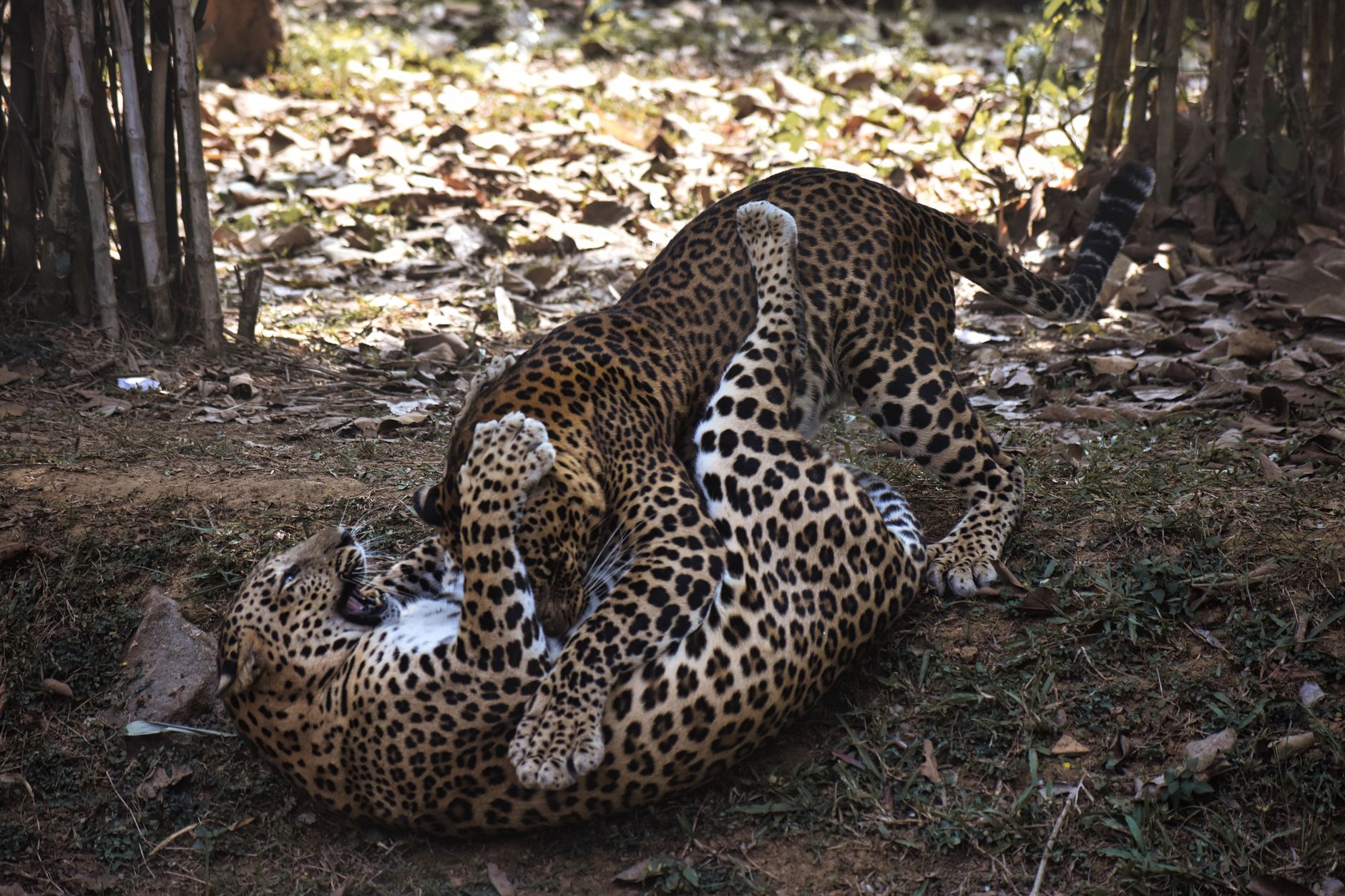
One of the most significant drivers of leopard-human conflict is habitat loss. As human populations expand, leopard habitats shrink, fragmenting their hunting grounds and disrupting their access to natural prey. Deforestation, agriculture, and infrastructure development all contribute to this problem.
- Deforestation: Removal of forests eliminates cover and reduces prey habitat.
- Agriculture: Farmlands replace natural grazing areas, driving away wild ungulates.
- Infrastructure: Roads and railways bisect leopard territories, isolating populations and hindering their ability to hunt.
The depletion of natural prey, often due to poaching or habitat degradation, forces leopards to seek alternative food sources. In some cases, this leads them to livestock and, tragically, to humans.
The Role of Human Encroachment
Increased human presence in leopard habitats creates more opportunities for encounters. When leopards encounter humans frequently, they may lose their fear of them, especially if they are already stressed due to hunger or injury. Furthermore, human settlements often attract domestic animals, which become easy targets for leopards. This habituation process can lead to bolder behavior and an increased risk of attacks.
Injury and Illness
An injured or sick leopard may struggle to hunt its usual prey. In such cases, it may turn to easier targets, including livestock and, in extreme situations, humans. An injured leopard may also become more aggressive and defensive, increasing the likelihood of an attack if encountered.
Leopard Cubs and Maternal Behavior
Occasionally, a female leopard with cubs may be more likely to attack humans if she perceives them as a threat to her young. This is especially true if the cubs are hidden near human settlements. Maternal leopards are fiercely protective and will defend their cubs at all costs.
Leopard Behavior Modification Table
| Factor | Impact on Leopard Behavior | Consequence |
|---|---|---|
| Habitat Loss | Reduced hunting grounds, prey scarcity | Increased reliance on livestock and, in rare cases, human prey |
| Prey Depletion | Forced to seek alternative food sources | Higher risk of leopard-human conflict |
| Human Encroachment | Habituation, loss of fear of humans | Bolder behavior, increased frequency of encounters |
| Injury/Illness | Difficulty hunting natural prey | Turning to easier targets, potentially including humans |
| Maternal Behavior | Increased aggression and protectiveness | Higher risk of attacks if humans approach cubs |
Mitigation Strategies
Addressing the issue of leopards becoming man-eaters requires a multi-pronged approach:
- Habitat Restoration: Protecting and restoring leopard habitats is crucial for ensuring they have access to natural prey. This includes reforestation efforts, creating wildlife corridors, and regulating land use.
- Prey Management: Increasing the populations of wild ungulates can reduce the pressure on leopards to seek alternative food sources. This can be achieved through anti-poaching measures, habitat improvement, and reintroduction programs.
- Community Engagement: Educating local communities about leopard behavior and safety measures is essential. This includes providing information on how to avoid encounters, protect livestock, and report sightings.
- Livestock Protection: Implementing measures to protect livestock, such as building predator-proof enclosures and using guard animals, can reduce the risk of attacks.
- Relocation (as a last resort): Trapping and relocating problem leopards can be a temporary solution, but it is often ineffective in the long run, as other leopards may move into the vacated territory. Relocation is not always successful because new territories might already be occupied or the leopard may return.
The Future of Leopard Conservation
Why has the leopard become a man eater? The answer, as we’ve explored, is complex and intertwined with human activities. The long-term solution to preventing leopard attacks lies in addressing the underlying causes of habitat loss, prey depletion, and human encroachment. By working together, conservationists, governments, and local communities can create a future where leopards and humans can coexist peacefully.

Frequently Asked Questions (FAQs)
Why are some leopards more prone to becoming man-eaters than others?
Certain leopards, especially those that are injured, old, or have learned to associate humans with food (either through livestock depredation or scavenging), may be more likely to attack humans. Opportunity and circumstance also play significant roles.
Is it true that leopards only attack humans when they are injured or ill?
While injury or illness can increase the likelihood of a leopard attacking a human, it’s not the only reason. Habitat loss, prey depletion, and habituation to humans can also contribute.
What should I do if I encounter a leopard in the wild?
Stay calm and avoid direct eye contact. Slowly back away while facing the leopard and try to make yourself appear larger. Do not run, as this can trigger a chase response. Report the sighting to local authorities.
Are leopards becoming more aggressive towards humans?
It’s not necessarily that leopards are becoming inherently more aggressive, but rather that the circumstances are leading to more frequent and dangerous encounters. Increased human activity in leopard habitats is a primary driver.
What is the role of poaching in leopard-human conflict?
Poaching can deplete leopard prey populations, forcing them to seek alternative food sources and increasing the likelihood of livestock depredation and human attacks. Poaching of leopards themselves also creates a dangerous situation if the poacher encounters a live leopard.
How can I protect my livestock from leopard attacks?
Build predator-proof enclosures, use guard animals (such as dogs or donkeys), and avoid leaving livestock unattended, especially at night. Regular monitoring of livestock is also crucial.
What is the difference between a leopard and a jaguar?
Leopards are found in Africa and Asia, while jaguars are found in the Americas. Jaguars are typically larger and more heavily built than leopards. The spots on a jaguar also have smaller spots inside them, while leopard spots are usually solid.
Can relocating a man-eating leopard solve the problem?
Relocation is a temporary solution and may not be effective in the long run. The leopard may return to its original territory, or other leopards may move into the vacated area and continue the cycle of conflict.
What is the most effective way to prevent leopard attacks on humans?
The most effective approach is to address the underlying causes of leopard-human conflict, such as habitat loss, prey depletion, and human encroachment. Long-term solutions require a multifaceted approach.
Are there any cultural or religious beliefs that contribute to leopard-human conflict?
In some cultures, leopards are revered or feared, which can influence how people interact with them. Additionally, traditional hunting practices and beliefs about the spiritual power of leopard parts can contribute to poaching.
What is the role of government in mitigating leopard-human conflict?
Governments play a crucial role in enforcing wildlife protection laws, managing protected areas, promoting community-based conservation programs, and providing compensation for livestock losses. Effective governance and resource allocation are essential.
Why has the leopard become a man eater, specifically in certain regions more than others?
Specific regions often experience higher instances of leopard attacks due to a combination of factors that are more pronounced in those areas, such as higher human population densities bordering fragmented leopard habitats, specific cultural practices that increase interaction, or a particularly severe decline in natural prey. The local context is always critical to understanding the severity of the issue.