
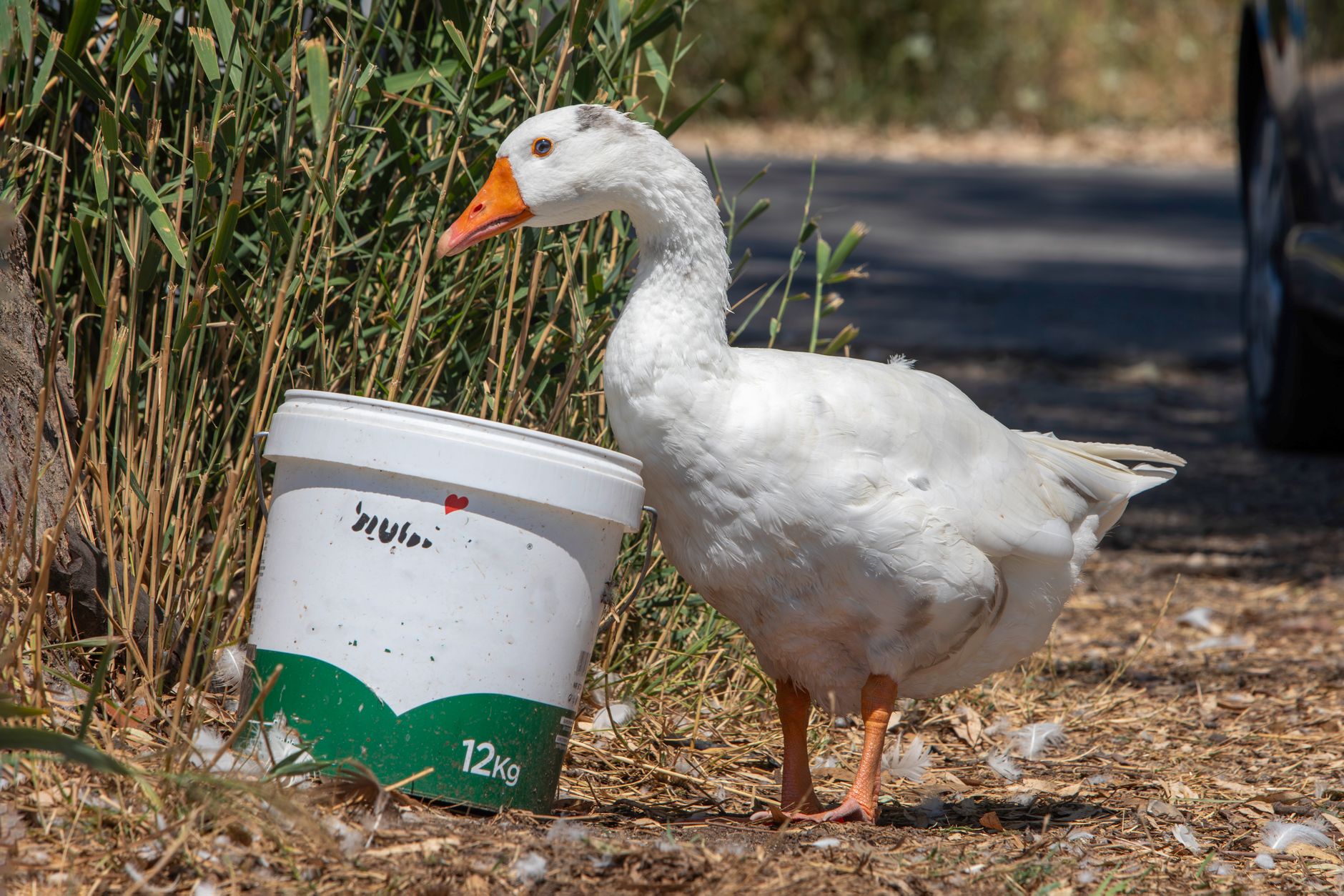
Are Geese Nice If You Raise Them? Exploring the Nuances of Goose Behavior
Raising geese can result in surprisingly affectionate companions, but their temperament depends heavily on breed, individual personality, and, most importantly, how they are raised. Whether are geese nice if you raise them? ultimately boils down to understanding their needs and providing consistent, positive interactions.

Understanding Geese: More Than Just Lawn Ornaments
Geese are often relegated to the role of comical farm animals or aggressive park dwellers. However, the reality is far more complex. Understanding their natural behaviors and social structures is crucial to successfully integrating them into your life and, ultimately, influencing their temperament. Geese are intelligent, social creatures with distinct personalities. Just like dogs or cats, some are naturally more outgoing and friendly, while others are more reserved and cautious.
The Benefits of Raising Geese

Beyond the simple joy of observing these fascinating birds, raising geese offers several tangible benefits:
- Natural Pest Control: Geese are voracious grazers and excel at controlling unwanted weeds and insects.
- Security System: Geese are incredibly territorial and possess a loud honk that serves as an excellent deterrent to intruders, both human and animal. Their keen eyesight also makes them effective watchdogs.
- Delicious Eggs and Meat: Geese produce large, rich eggs perfect for baking and their meat is a delicious alternative to chicken or turkey, especially during the holidays.
- Companionship: With proper socialization, geese can become incredibly affectionate and loyal companions, following you around the yard and greeting you with enthusiastic honks. The question of are geese nice if you raise them? is closely linked to the level of interaction they receive.
Best Breeds for Pet Geese
Choosing the right breed is a vital first step in determining the temperament of your geese. Some breeds are naturally calmer and more docile than others.
| Breed | Temperament | Size | Egg Production |
|---|---|---|---|
| Embden | Calm, docile, good temperament | Large | Moderate |
| Toulouse | Gentle giants, known for their calm nature | Large | Moderate |
| African | Noisy, alert, but can be friendly | Large | Good |
| Chinese | Active, good foragers, can be vocal | Medium | Excellent |
| Pilgrim | Docile, quiet, auto-sexing | Medium | Moderate |
Raising Geese: Key Steps for Success
Raising friendly geese requires consistent effort and a commitment to providing them with a safe and stimulating environment.
- Start Young: Goslings are far more receptive to human interaction than adult geese. Handle them gently and frequently from a young age.
- Positive Reinforcement: Use treats like leafy greens or cracked corn to reward desired behaviors, such as approaching you or allowing you to pet them.
- Socialization: Expose your goslings to a variety of people, animals, and environments to help them become well-adjusted and confident.
- Adequate Space: Geese need plenty of space to graze and roam. Overcrowding can lead to stress and aggression.
- Protection from Predators: Provide a secure coop or shelter to protect your geese from predators like foxes, coyotes, and hawks.
- Water Access: Geese need access to fresh, clean water for drinking and bathing. A small pond or large tub is ideal.
Common Mistakes That Lead to Aggressive Geese
Many people wonder, are geese nice if you raise them? and are surprised by negative experiences. This is often due to mistakes in their rearing.
- Neglecting Early Socialization: Failing to handle goslings frequently can result in shy and fearful adults who are more likely to exhibit aggressive behavior.
- Treating Geese as Toys: Rough handling or teasing can damage your relationship with your geese and make them distrustful.
- Inconsistent Training: Not establishing clear boundaries can lead to geese challenging your authority and becoming bossy.
- Lack of Space and Enrichment: Boredom and confinement can contribute to aggressive behaviors like biting and chasing.
Understanding Goose Body Language
Learning to interpret goose body language is crucial for anticipating their behavior and preventing potential conflicts.
- Head Bobbing: Often a sign of excitement or anticipation, but can also indicate aggression if accompanied by hissing.
- Wing Raising: A warning signal, indicating that the goose is feeling threatened or territorial.
- Hissing: A clear sign of aggression and a warning to back off.
- Charging: A defensive maneuver intended to scare away a perceived threat.
- Honking: Can indicate a variety of emotions, from excitement to alarm. Pay attention to the context and tone of the honk to understand its meaning.

Frequently Asked Questions About Goose Temperament
Will geese attack me?
Geese are not inherently aggressive but can become territorial and defensive, especially during breeding season. Understanding their body language and providing them with adequate space can help prevent attacks. A goose may be aggressive if it feels its nest, eggs, or young are threatened.
Are geese good with children?
Supervision is always necessary, but well-socialized geese can coexist peacefully with children. Teach children to respect the geese’s space and avoid chasing or teasing them. Smaller children are also more likely to be viewed as a threat, so ensuring the child understands how to interact with the birds is important.
Do geese get lonely?
Yes, geese are highly social animals and thrive in groups. If you only have one goose, it’s important to provide it with plenty of attention and interaction to prevent loneliness. It’s recommended to keep at least two geese.
How do I train my geese?
Training geese involves positive reinforcement using treats and praise. Teach them simple commands like “come” or “stay” and reward them for good behavior. Consistency is key.
What is the best way to socialize goslings?
Handle goslings frequently from a young age, exposing them to different sights, sounds, and people. Offer them treats and talk to them in a calm, reassuring voice.
Are geese more aggressive than ducks?
Generally, geese are more territorial and assertive than ducks, making them more prone to aggressive behavior. However, individual personalities vary, and some ducks can be quite feisty as well.
Do geese recognize their owners?
Yes, geese are intelligent birds and can learn to recognize their owners. They may greet you with honks and follow you around the yard. The level of recognition depends on how much time you spend with them and the quality of your interactions.
What should I do if a goose attacks me?
Stand your ground, make yourself look big, and shout at the goose. Do not run away, as this will only encourage it to chase you. Maintain eye contact and slowly back away.
Do all breeds of geese have the same temperament?
No, different breeds of geese have distinct temperaments. Some breeds, like Embden and Toulouse, are known for their docile nature, while others, like African and Chinese, are more active and vocal. Choosing a breed that matches your lifestyle is key when you ask, are geese nice if you raise them?.
How much space do geese need?
Geese need plenty of space to roam and graze. A minimum of 20 square feet per goose in their coop and access to a large outdoor area is recommended. The more space, the better, as it helps reduce stress and aggression.
What do geese eat?
Geese are primarily grazers and eat a variety of grasses, weeds, and plants. They also benefit from supplemental feed, such as waterfowl feed or cracked corn, especially during the winter months.
Can geese be house trained?
While not typically house trained like dogs or cats, geese can be trained to use a designated area outdoors for their droppings. This requires consistent training and positive reinforcement. The reality is that it is challenging, but not impossible.