
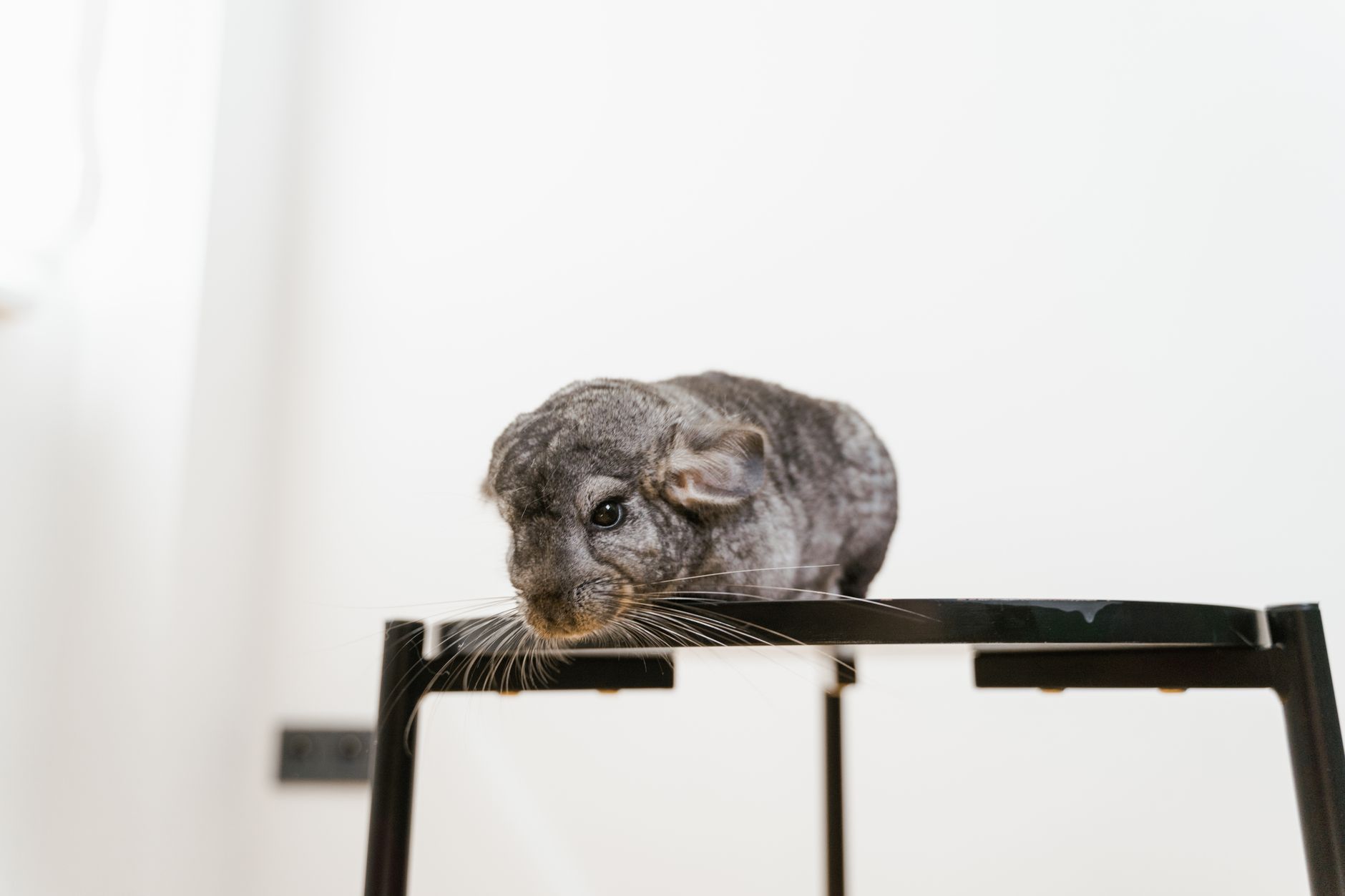
What Do Baby Chinchillas Need?
Baby chinchillas, or kits, require a meticulously controlled environment, specialized nutrition, and dedicated care to ensure healthy development. What do baby chinchillas need? They fundamentally need a warm, secure environment, proper nutrition consisting of either mother’s milk or a high-quality milk replacement formula, and careful monitoring for signs of illness or distress.
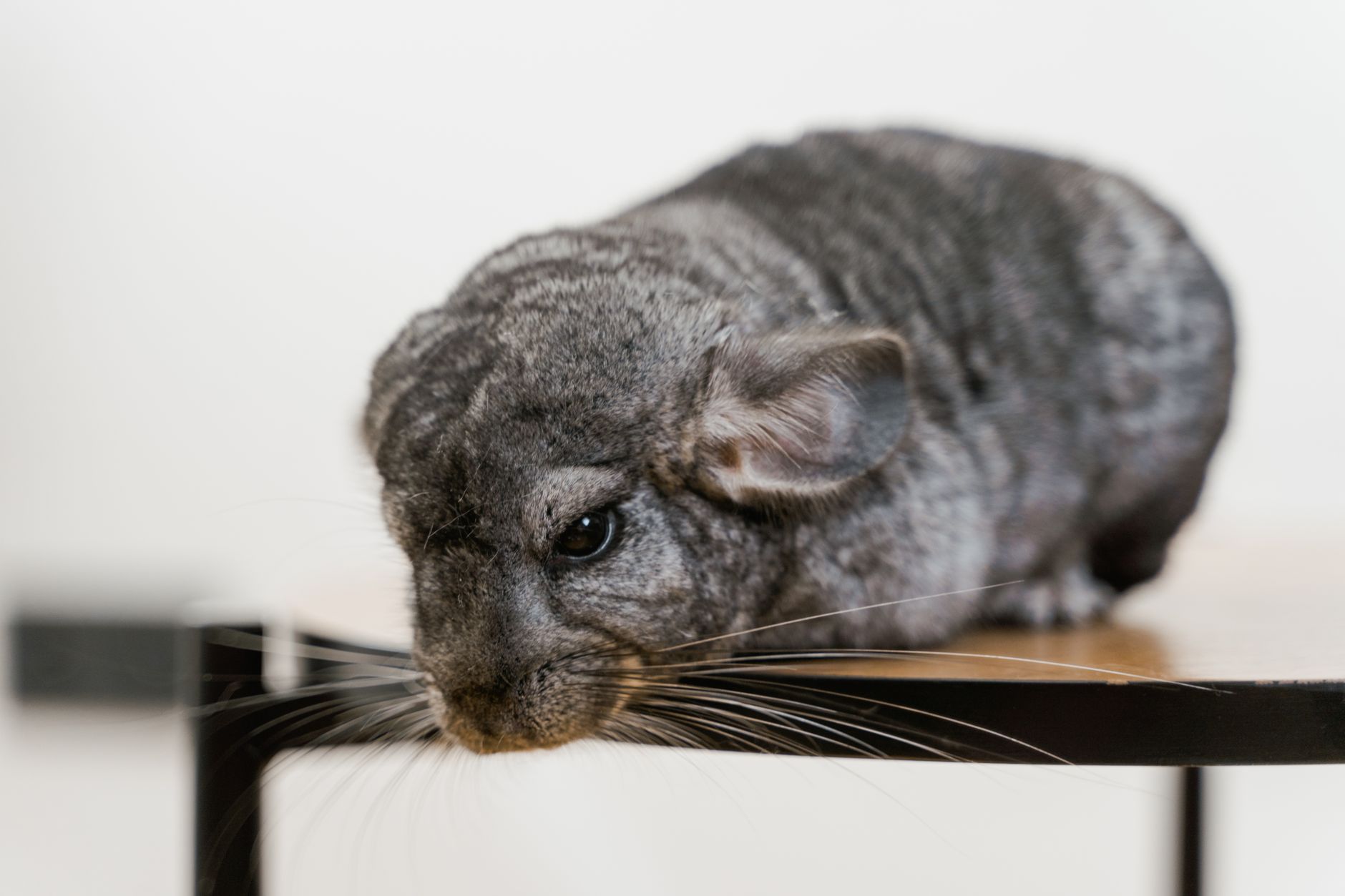
Introduction to Caring for Baby Chinchillas
Chinchillas, with their luxuriously soft fur and endearing personalities, make charming pets. However, raising baby chinchillas, often called kits, presents unique challenges. Successfully caring for these fragile creatures demands a thorough understanding of their specific needs, from their delicate thermoregulation abilities to their highly sensitive digestive systems. Understanding what do baby chinchillas need is crucial to their survival and long-term well-being. This article provides a comprehensive guide to ensuring these kits thrive during their critical early stages.
Creating the Ideal Environment

The environment plays a pivotal role in the health and survival of baby chinchillas. As they are born with a full coat of fur, they appear hardy, but they’re highly susceptible to temperature fluctuations.
- Temperature: The ambient temperature should be maintained between 65-75°F (18-24°C). Avoid drafts and direct sunlight.
- Humidity: Maintain a low humidity level (below 50%) to prevent fungal infections. High humidity can be very dangerous.
- Cage Size and Setup: While small initially, a growing chinchilla needs space to explore. A multi-tiered cage with solid flooring (wire floors can injure small feet) is ideal. Include hiding places like small houses or tubes to provide security.
- Bedding: Use dust-free bedding such as fleece liners or paper-based bedding. Avoid cedar or pine shavings, as they contain oils that can be harmful.
Nutritional Requirements
Newborn chinchillas are entirely dependent on their mother’s milk for the first few weeks of life. If the mother is unable to nurse or if you are hand-raising a kit, a suitable milk replacement formula is essential.
- Nursing from Mother: Kits typically nurse for 6-8 weeks. Ensure the mother is healthy and producing enough milk.
- Milk Replacement Formula: Use a commercially available milk replacement formula specifically formulated for small animals or kittens. Goat’s milk can be used as a base, but it’s essential to add taurine and other nutrients.
- Feeding Schedule: Feed every 2-3 hours during the first week, gradually increasing the intervals as the kit grows. Use a small syringe or dropper.
- Transition to Solids: Introduce solid food (chinchilla pellets and hay) gradually around 3-4 weeks of age. Offer small amounts of softened pellets initially. Always have fresh, clean water available.
Health and Hygiene
Maintaining proper hygiene and monitoring for signs of illness are paramount.
- Regular Weighing: Weigh the kit daily to ensure it is gaining weight. A healthy weight gain is crucial for survival.
- Hygiene: Gently clean the kit’s bottom with a damp cloth after feeding to stimulate urination and defecation, mimicking the mother’s behavior.
- Dust Baths: Introduce dust baths at around 4 weeks of age. Use chinchilla-specific dust, not sand or other abrasive materials.
- Common Health Issues: Be vigilant for signs of diarrhea, constipation, lethargy, or respiratory problems. Consult a veterinarian experienced with chinchillas immediately if you notice any abnormalities.
Socialization and Handling
Gentle handling and socialization are crucial for a well-adjusted chinchilla.
- Gentle Handling: Handle kits gently and frequently to acclimate them to human interaction.
- Supervision: Supervise interactions with other pets or children to prevent accidental injury.
- Enrichment: Provide toys and enrichment activities to stimulate their minds and prevent boredom. Chew toys, tunnels, and branches are suitable options.
Common Mistakes in Baby Chinchilla Care
Avoiding common mistakes can significantly increase the chances of successfully raising baby chinchillas.
- Overfeeding: Overfeeding can lead to digestive problems. Follow the recommended feeding guidelines carefully.
- Improper Temperature Control: Failing to maintain a consistent and appropriate temperature can result in hypothermia or heatstroke.
- Using Inappropriate Bedding: Cedar or pine shavings, or overly dusty bedding, can cause respiratory irritation.
- Neglecting Hygiene: Poor hygiene can lead to infections and other health problems.
- Introducing Solids Too Early: Introducing solid foods before the kit is ready can disrupt its digestive system.

Frequently Asked Questions (FAQs)
What is the ideal temperature range for a baby chinchilla’s environment?
The ideal temperature range for a baby chinchilla is between 65-75°F (18-24°C). Maintaining a consistent temperature within this range helps prevent hypothermia or heatstroke, both of which can be fatal.
How often should I feed a baby chinchilla that is being hand-raised?
During the first week of life, a hand-raised baby chinchilla should be fed every 2-3 hours, including overnight. As the kit grows, you can gradually increase the intervals between feedings. By 3-4 weeks old, they will hopefully be eating solid food.
What type of milk replacement formula is best for baby chinchillas?
A commercially available milk replacement formula specifically formulated for small animals or kittens is the best option. Goat’s milk can be used as a base, but it’s essential to supplement it with taurine and other nutrients.
How do I know if my baby chinchilla is getting enough milk?
You can determine if your baby chinchilla is getting enough milk by weighing it daily. A healthy kit should gain weight consistently. Also, observe its behavior; a well-fed kit will be content and sleep soundly between feedings.
When can I start introducing solid food to my baby chinchilla?
You can start introducing solid food (chinchilla pellets and hay) to your baby chinchilla around 3-4 weeks of age. Begin with small amounts of softened pellets to make them easier to chew and digest.
What type of bedding is safe for baby chinchillas?
Safe bedding options for baby chinchillas include fleece liners or paper-based bedding. Avoid cedar or pine shavings, as they contain oils that can be harmful to their respiratory system.
How often should I give my baby chinchilla a dust bath?
You can introduce dust baths to your baby chinchilla around 4 weeks of age. Provide a shallow dish filled with chinchilla-specific dust and allow them to roll around in it for 10-15 minutes, a few times a week.
What are some common signs of illness in baby chinchillas?
Common signs of illness in baby chinchillas include diarrhea, constipation, lethargy, loss of appetite, and respiratory problems. If you notice any of these signs, consult a veterinarian experienced with chinchillas immediately.
How can I stimulate urination and defecation in a newborn chinchilla?
Gently clean the kit’s bottom with a damp, warm cloth after each feeding. This mimics the mother’s behavior and helps stimulate urination and defecation.
What are some safe toys and enrichment activities for baby chinchillas?
Safe toys and enrichment activities for baby chinchillas include chew toys made of safe wood, cardboard tubes, and small branches. Avoid toys with small parts that could be swallowed.
Why is humidity control important for baby chinchillas?
Maintaining low humidity is crucial because high humidity can lead to fungal infections, which are particularly dangerous for baby chinchillas.
What do baby chinchillas need to thrive beyond basic care?
Beyond basic care, baby chinchillas need consistent and gentle handling to socialize them to humans, a varied diet consisting of high-quality pellets and fresh hay as they mature, and constant monitoring for any changes in behavior or health to ensure prompt veterinary intervention if needed. Ensuring a safe and stimulating environment is also crucial.