

How Many Sharks Actually Eat Humans? Demystifying Shark Attacks
The truth about how many sharks actually eat humans? is far less sensational than popular media portrays. While shark attacks are a reality, very few result in fatalities or even significant consumption of human flesh; most bites are exploratory or defensive.
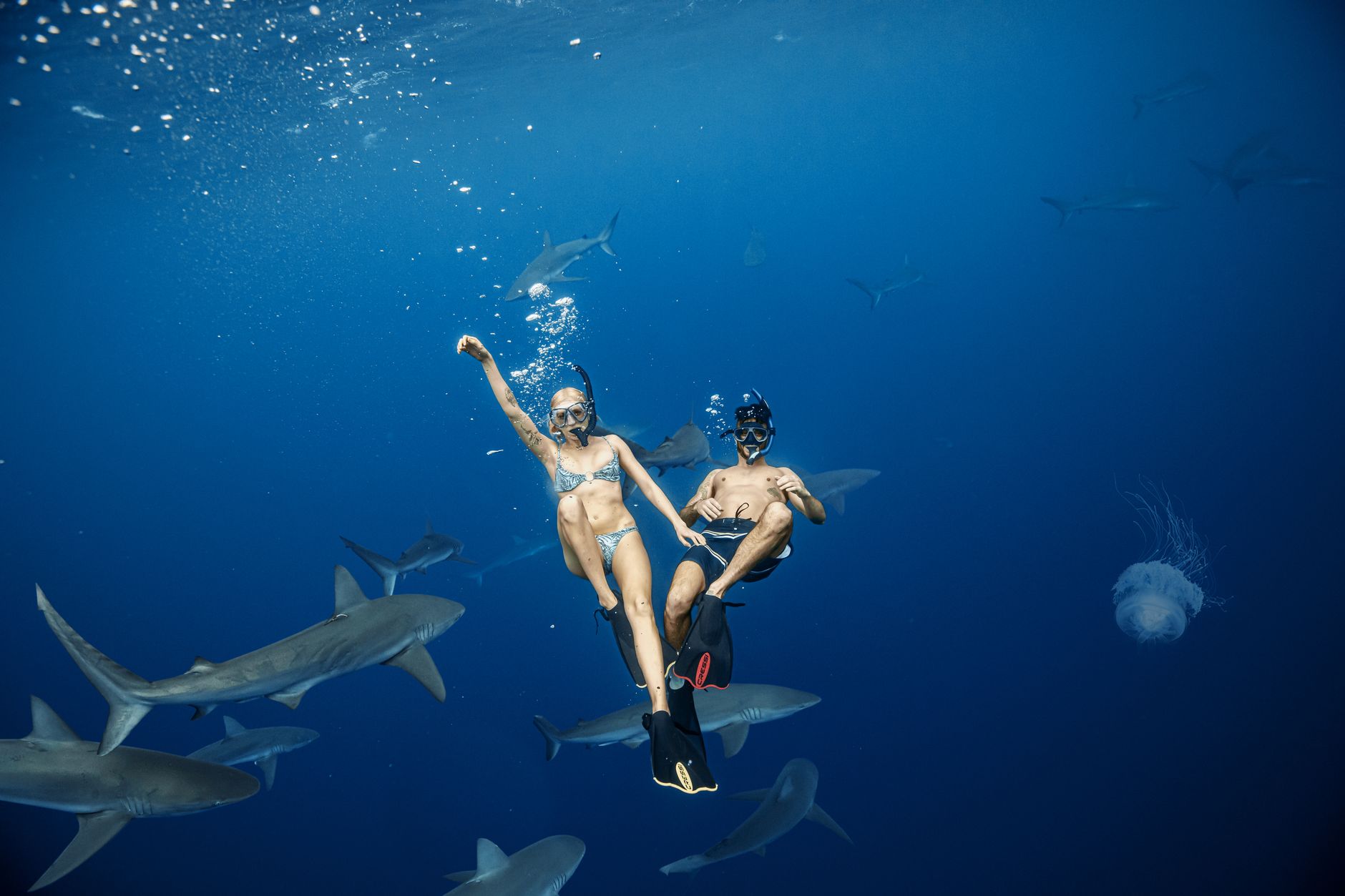
Understanding Shark Predation: A Matter of Perspective
The image of a shark as a ravenous man-eater is a persistent and largely inaccurate one. While sharks are apex predators, humans are rarely, if ever, their preferred prey. Understanding why requires examining shark behavior, their natural diet, and the circumstances surrounding most shark attacks.
Shark Diet and Nutritional Needs

Sharks are primarily carnivores, feeding on a diverse range of marine life. Their diets vary significantly depending on species, size, and geographic location. Common prey items include:
- Fish (various species)
- Seals and sea lions
- Dolphins and porpoises
- Sea turtles
- Crustaceans and mollusks
- Other sharks (in some cases)
Humans simply don’t fit into this dietary profile. We are bony, relatively lean, and lack the high-fat content that sharks typically seek in their prey. Sharks need high-energy foods like blubber-rich seals to sustain their active lifestyles.
Types of Shark Attacks
Shark attacks are generally classified into three main categories:
- Unprovoked Attacks: These occur in the shark’s natural habitat without any apparent provocation from the human. They are the most common type of attack and often involve mistaken identity.
- Provoked Attacks: These attacks occur when a human initiates interaction with a shark, such as feeding, touching, or harassing it.
- Boat Attacks: While rare, sharks may occasionally attack boats, typically smaller vessels. These are not considered attacks on humans per se.
Unprovoked attacks are further categorized based on the shark’s intent:
- Hit-and-Run: Typically involves a single bite, often to the extremities, followed by the shark swimming away. The shark likely misidentified the human as prey.
- Bump-and-Bite: The shark bumps the victim before biting, potentially to assess the potential prey.
- Sneak Attack: The shark attacks without warning, often resulting in more serious injuries. These are the rarest and most dangerous type of attack.
Risk Factors for Shark Attacks
Certain behaviors and environmental factors can increase the risk of a shark attack:
- Swimming in areas with known shark populations: Coastal regions with abundant marine life are more likely to have sharks.
- Swimming at dawn or dusk: These are peak feeding times for many sharks.
- Swimming alone: Sharks are more likely to target solitary individuals.
- Wearing shiny jewelry: May attract sharks by mimicking the scales of fish.
- Disturbing baitfish schools: Sharks often feed on schools of baitfish.
- Swimming with open wounds: Blood can attract sharks.
- Surfing or swimming in murky water: Reduces visibility and increases the chance of mistaken identity.
Global Shark Attack Statistics
Global shark attack statistics paint a clear picture: fatal attacks are rare. According to the International Shark Attack File (ISAF), the worldwide average number of unprovoked shark attacks is around 70-80 per year, with fatalities numbering in the single digits. Compare this to the number of people who die from drowning each year (hundreds of thousands) or even from dog bites (tens of thousands), and the relative risk becomes clear.
| Year | Unprovoked Attacks | Fatal Attacks |
|---|---|---|
| 2020 | 57 | 10 |
| 2021 | 73 | 11 |
| 2022 | 57 | 5 |
| 2023 | 69 | 10 |
These statistics highlight the fact that how many sharks actually eat humans? is an extremely small number. Most shark attacks are exploratory bites, not attempts to consume a human.
Media Hype and Misconceptions
Sensationalized media coverage often amplifies the fear surrounding shark attacks, creating a distorted perception of the actual risk. Sharks are often portrayed as bloodthirsty monsters, perpetuating a negative and inaccurate stereotype.
It’s important to remember that sharks are a vital part of the marine ecosystem. Overfishing and habitat destruction are far greater threats to sharks than sharks are to humans. Conservation efforts are crucial to protect these magnificent creatures.

Frequently Asked Questions (FAQs)
Are all shark species dangerous to humans?
No, most shark species are not dangerous to humans. Of the over 500 known shark species, only a handful are responsible for the vast majority of attacks. These include the great white shark, tiger shark, and bull shark. Many other species are too small or have diets that do not include large prey.
What should I do if a shark attacks me?
If a shark attacks, fight back as aggressively as possible. Focus on vulnerable areas such as the eyes, gills, and nose. Use any available object as a weapon. After the attack, seek immediate medical attention, even if the injuries appear minor.
Why do sharks attack humans?
The reasons for shark attacks are varied, but often involve mistaken identity. Sharks may mistake surfers or swimmers for seals or other prey, especially in murky water. Other attacks may be defensive, occurring when a shark feels threatened or harassed.
Is it safe to swim in the ocean?
Swimming in the ocean carries some inherent risks, including the possibility of a shark attack. However, the overall risk is very low. By taking precautions such as swimming in groups, avoiding swimming at dawn or dusk, and staying away from areas with known shark activity, you can significantly reduce your risk.
What is the International Shark Attack File (ISAF)?
The International Shark Attack File (ISAF) is a globally recognized, scientifically-based database of all known shark attacks. It is maintained by the Florida Museum of Natural History at the University of Florida and provides valuable data for researchers, policymakers, and the public.
Are shark attacks increasing?
While the number of reported shark attacks may fluctuate from year to year, there is no clear evidence of a significant long-term increase. Increased reporting and human population growth in coastal areas may contribute to higher numbers of reported attacks.
How can I avoid attracting sharks while swimming or surfing?
Avoid wearing shiny jewelry, swimming with open wounds, or disturbing baitfish schools. These actions can attract sharks. Consider wearing a shark deterrent device, although their effectiveness is still under investigation.
What is the difference between a provoked and unprovoked shark attack?
A provoked attack occurs when a human initiates interaction with a shark, such as feeding or harassing it. An unprovoked attack occurs in the shark’s natural habitat without any apparent provocation from the human.
Do sharks intentionally hunt humans?
No, sharks do not intentionally hunt humans. We are not a natural part of their diet. Most attacks are the result of mistaken identity or defensive behavior.
Are shark attacks more common in certain areas?
Yes, shark attacks are more common in certain areas, such as Australia, South Africa, and the United States (particularly Florida and Hawaii). These regions have large shark populations and high levels of human activity in the water.
How important are sharks to the ocean ecosystem?
Sharks are apex predators and play a crucial role in maintaining the health and balance of the ocean ecosystem. They help control populations of other marine species and remove sick or weak individuals, preventing the spread of disease.
Is shark conservation important?
Yes, shark conservation is incredibly important. Many shark species are threatened or endangered due to overfishing, habitat destruction, and finning. Protecting sharks is essential for maintaining healthy ocean ecosystems. Understanding that how many sharks actually eat humans? is minimal, compared to the threats humans pose to sharks, is vital for fostering conservation efforts.