

Are Feral Cats Loving? Unveiling the Truth Behind Their Affection
While often perceived as aloof or aggressive, feral cats can display loving behaviors under specific circumstances, especially after socialization. These displays might differ from those of domesticated cats, but they are nonetheless genuine.
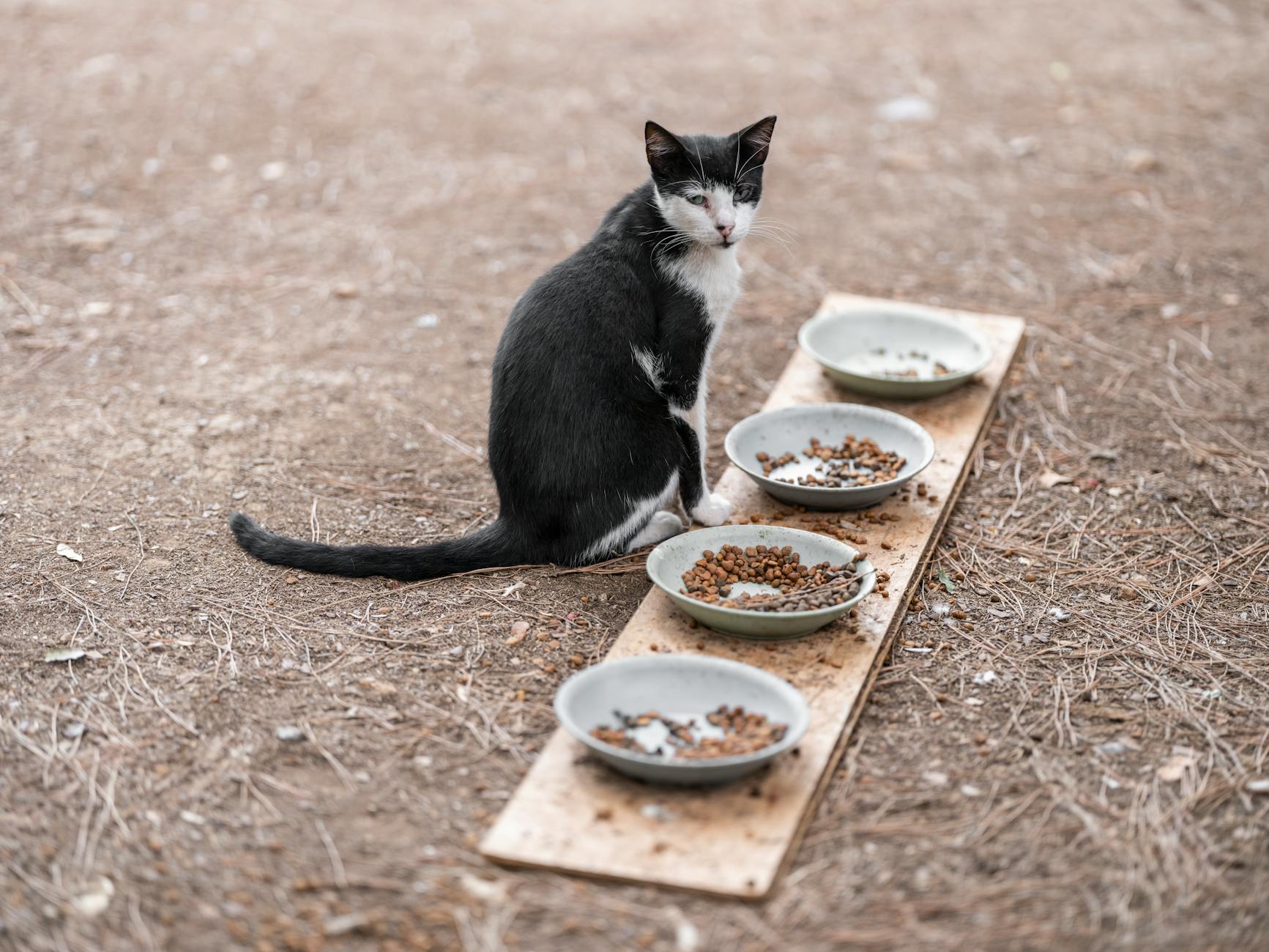
Understanding the Feral Cat
Feral cats, unlike stray cats who were once pets, are born and live without human interaction. They are the offspring of abandoned or unaltered domestic cats and have adapted to survive in the wild, often forming colonies. This background profoundly shapes their behavior and perception of humans. Their survival instincts prioritize caution and independence, which is often misinterpreted as coldness.
Is distilled water good for goldfish?
What colours are fish most attracted to?
Can you put your finger in a trout's mouth?
Is methylene blue anti bacterial?
The Spectrum of Feral Cat Behavior

It’s crucial to understand that feral cat behavior isn’t monolithic. It exists on a spectrum influenced by:
- Age at Socialization: Kittens socialized early (before 12 weeks) are more likely to become friendly.
- Exposure to Humans: Even brief, positive interactions can impact a cat’s comfort level around people.
- Individual Temperament: Like humans, some cats are simply more predisposed to sociability than others.
- Colony Dynamics: The presence of friendly cats in a colony can encourage others to be less fearful.
Displays of Affection: Redefining “Loving”
The question “Are feral cats loving?” hinges on how we define love and affection. Expecting a feral cat to behave like a house cat is unrealistic. However, they often express affection in subtle ways:
- Slow Blinking: This signals trust and relaxation.
- Head Bunting (Allorubbing): Rubbing against legs or objects marks territory and shows affiliation.
- Proximity: Choosing to be near a trusted human, even without direct contact, is significant.
- Grooming: Grooming another cat (or, occasionally, a human) is a sign of bonding.
- Bringing Gifts: Leaving prey near a doorstep is a natural behavior, though not universally appreciated by humans.
The TNR (Trap-Neuter-Return) Approach and Its Impact
TNR is a humane approach to managing feral cat populations. It involves trapping feral cats, sterilizing them, vaccinating them, and returning them to their original location. TNR not only controls population growth but can also lead to increased tolerance and even affection towards caretakers. Regular feeding and observation associated with TNR create opportunities for positive interaction, albeit often limited.
Feral Cat vs. Stray Cat: A Critical Distinction
Misidentification is common. Here’s a comparison to highlight the key differences:
| Feature | Feral Cat | Stray Cat |
|---|---|---|
| Human Contact | Minimal or none; avoids humans | Some prior contact; may approach humans |
| Socialization | Untamed; fearful; independent | Potentially tame; may be friendly or fearful |
| Vocalization | Less vocal; hisses, growls when threatened | More vocal; meows, purrs may occur |
| Body Language | Tense posture; avoids eye contact | Relaxed posture; may seek attention |
| Origin | Born in the wild or long-term abandonment | Abandoned or lost domestic cat |
The Risks and Rewards of Socializing Feral Cats
While tempting, socializing feral cats, especially adults, is challenging and may not always be successful. The best results are achieved with young kittens. The process requires patience, consistency, and an understanding of feline behavior.
- Potential Risks: Stress, anxiety, aggression, disease transmission.
- Potential Rewards: Finding loving homes for cats, improving their quality of life, reducing euthanasia rates.
Ethical Considerations
Before attempting to socialize a feral cat, consider the ethical implications. Is it truly in the cat’s best interest? Would TNR be a more appropriate option? The cat’s well-being should always be the primary concern. The question “Are feral cats loving?” shouldn’t be the sole driver; their needs and safety matter most.
Common Mistakes in Feral Cat Care
- Forcing interaction: This can increase fear and aggression.
- Making sudden movements: Approach slowly and deliberately.
- Ignoring body language: Learn to recognize signs of stress or fear.
- Expecting immediate results: Building trust takes time.
- Overfeeding: Can attract other animals and create dependence.
Frequently Asked Questions (FAQs) About Feral Cat Affection
Can feral cats ever truly love humans?
Yes, though their expression of love may differ from that of domesticated cats. Feral cats can form bonds with humans, showing affection through subtle behaviors like slow blinking, proximity seeking, and head bunting. The key is patience and respect for their boundaries.
How can I tell if a feral cat trusts me?
Signs of trust include relaxed body language, allowing you to be nearby, and making eye contact with slow blinks. A feral cat that consistently avoids you or displays signs of fear is not yet comfortable.
Is it safe to touch a feral cat?
It’s generally not recommended to touch a feral cat unless you have gained its trust and are prepared for potential resistance. Feral cats can carry diseases and may bite or scratch if they feel threatened. Always prioritize your safety.
What is the best way to approach a feral cat?
Approach slowly and quietly, speaking in a calm voice. Avoid direct eye contact, which can be perceived as a threat. Offer food or treats to create a positive association.
Should I try to bring a feral cat indoors?
Bringing a feral cat indoors can be stressful and may not be in its best interest. Socialization should be a gradual process if attempted, and only after careful consideration of the cat’s temperament and your ability to provide a safe and enriching environment.
How does TNR affect a feral cat’s behavior?
TNR reduces stress by eliminating mating behaviors and related territorial disputes. This can lead to a more relaxed and potentially more tolerant demeanor towards humans.
What’s the difference between a feral cat and a community cat?
“Community cat” is a broader term encompassing both feral cats and stray cats living outdoors. Feral cats are unsocialized, while stray cats may be socialized and potentially adoptable.
How early can feral kittens be socialized?
The critical socialization period for kittens is between 2 and 7 weeks of age. Kittens socialized during this time are more likely to become friendly and adaptable.
What if a feral cat hisses at me?
Hissing is a clear warning sign. Back away slowly and give the cat space. Do not attempt to approach or touch it.
Do feral cats get lonely?
Feral cats are often social animals, living in colonies. While they may not crave human interaction, they benefit from the companionship of other cats.
Can feral cats purr?
Yes, feral cats can purr, though they may be less likely to purr around humans than domesticated cats initially. Purring is a sign of contentment and relaxation.
What are the long-term prospects for feral cats that are socialized?
With patience and proper care, some feral cats can become loving and affectionate companions. However, socialization is not always successful, and some cats may always retain a degree of wildness.