

Will Washing Dogs’ Feet Help With Allergies?: A Deep Dive
Yes, regularly washing your dog’s feet can significantly reduce allergen levels in your home, offering relief to allergy sufferers.

Understanding Dog Allergens and Their Impact
The question, Will washing dogs feet help with allergies?, strikes at the heart of managing indoor allergens. The primary culprit isn’t dog fur itself, but rather dander – tiny, microscopic flakes of skin shed by dogs. These flakes carry allergens like Can f 1, a protein found in dog saliva and skin glands. When dogs groom themselves, they deposit saliva onto their fur, which then dries and becomes airborne as dander. This dander settles on surfaces, including floors, furniture, and, crucially, paws. The simple act of washing your dog’s feet helps to remove these allergens from their paws, preventing them from being tracked all over your house.
How Dogs’ Feet Contribute to Allergies
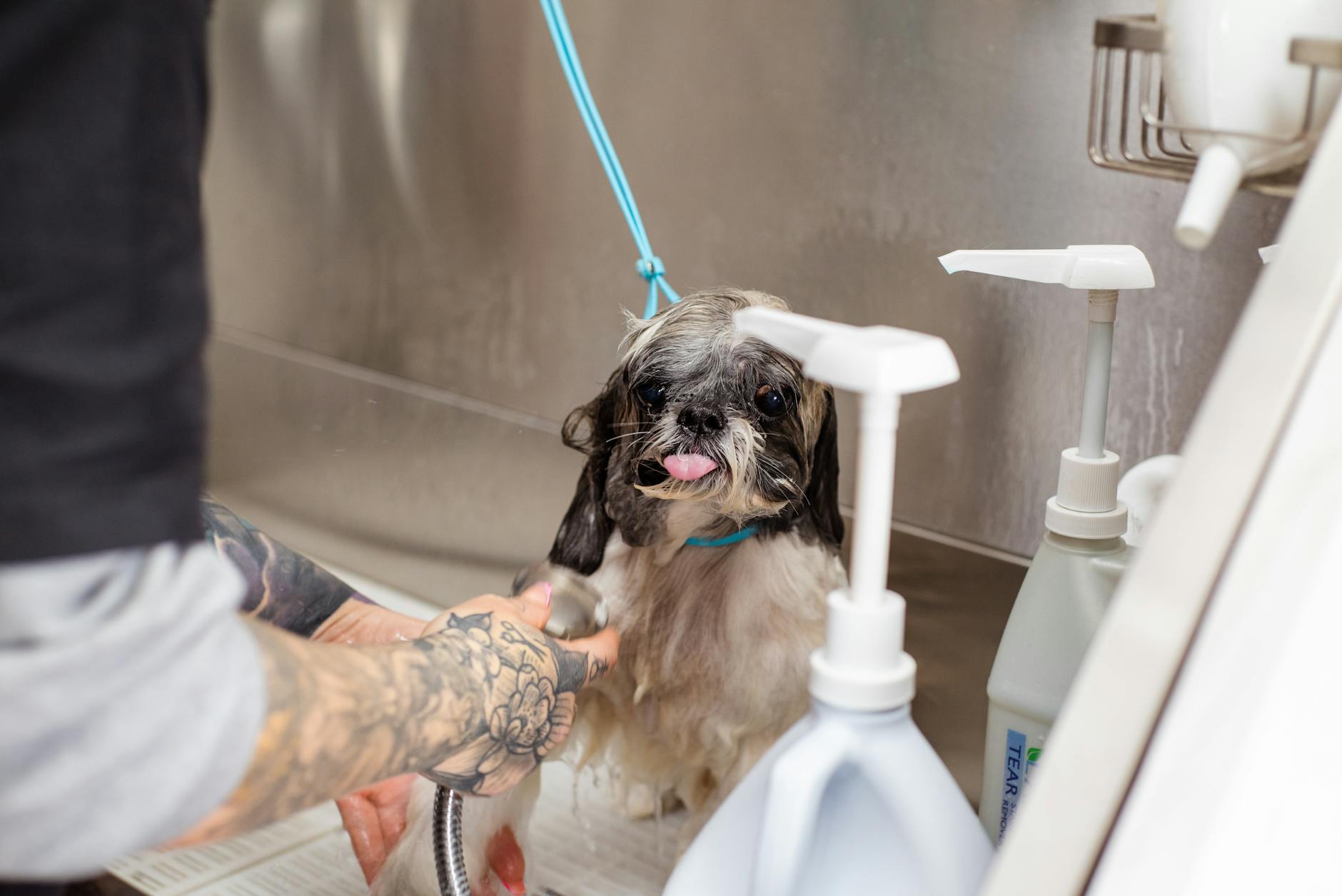
Dogs’ paws act like little sponges, picking up allergens from the environment. Walking outside exposes them to pollen, dust mites, mold spores, and other allergens that cling to their fur and paws. Inside, they further accumulate allergens from carpets, furniture, and even the air. These allergens are then distributed throughout your home with every step your dog takes. Regularly washing their feet acts as a first line of defense against this constant influx of allergens.
The Benefits of Washing Dogs’ Feet for Allergy Sufferers
Washing your dog’s feet offers several key benefits for allergy sufferers:
- Reduced Allergen Load: By removing allergens from your dog’s paws, you directly decrease the overall allergen concentration in your home.
- Improved Air Quality: Less dander and allergens circulating in the air lead to improved air quality, reducing respiratory symptoms.
- Decreased Surface Contamination: Washing your dog’s feet prevents the transfer of allergens to furniture, carpets, and other surfaces.
- Proactive Allergen Management: Consistent foot washing becomes a simple yet effective routine for proactive allergen control.
The Proper Process for Washing Dogs’ Feet
The effectiveness of washing your dog’s feet depends on the method used. Here’s a step-by-step guide:
- Gather Supplies: Prepare a basin or sink with lukewarm water, a gentle dog shampoo (or just water if your dog has sensitive skin), and a clean towel.
- Immerse the Paws: Gently place each paw into the water, ensuring all surfaces are wet.
- Wash Thoroughly: If using shampoo, lather gently between the toes and around the pads.
- Rinse Completely: Rinse each paw thoroughly to remove all traces of shampoo. Residue can irritate your dog’s skin.
- Dry Carefully: Use the towel to dry each paw thoroughly, paying attention to the areas between the toes to prevent moisture buildup and potential fungal infections.
Common Mistakes to Avoid
- Using Human Shampoo: Human shampoo can be too harsh for a dog’s skin, leading to dryness and irritation. Always use a dog-specific shampoo or simply water.
- Over-Washing: Washing too frequently can strip the skin of its natural oils, leading to dryness. Generally, once or twice a day is sufficient if you are washing with just water. Less if you are using shampoo.
- Not Drying Thoroughly: Leaving paws damp can create a breeding ground for bacteria and fungi.
- Ignoring Between the Toes: This area is prone to trapping dirt and allergens, so ensure it’s thoroughly cleaned and dried.
Alternative Foot Cleaning Options
For dogs who dislike being fully immersed in water, there are alternative options:
- Dog Wipes: Pre-moistened dog wipes can be used to wipe down paws after walks. Look for hypoallergenic and fragrance-free options.
- Paw Plungers: These devices contain bristles inside a container of water, allowing you to easily clean your dog’s paws with a few plunges.
- Rinse-Free Shampoos: These shampoos can be applied to the paws and wiped off without rinsing.
| Option | Pros | Cons |
|---|---|---|
| Water Bath | Most effective at removing allergens | Can be stressful for some dogs |
| Dog Wipes | Convenient and quick | May not remove all allergens as effectively as a water bath |
| Paw Plungers | Easier than a bath, more effective than wipes | Requires specific equipment |
| Rinse-Free Shampoo | Good for in-between washes, avoids water completely | Can leave residue if not applied correctly |
The Importance of a Holistic Allergy Management Approach
While washing your dog’s feet is a valuable tool, it’s most effective as part of a comprehensive allergy management plan. This may include:

- Regular Vacuuming: Vacuum frequently with a HEPA filter vacuum cleaner.
- Air Purifiers: Use air purifiers with HEPA filters to remove airborne allergens.
- Washing Bedding: Wash your dog’s bedding regularly.
- Bathing Your Dog: Bathe your dog regularly (but not too frequently!) with a hypoallergenic shampoo.
- Allergy Medication: Consult with your doctor about allergy medications to manage your symptoms.
- Allergy Testing: Consider allergy testing to identify your specific triggers.
Frequently Asked Questions (FAQs)
Can washing dogs feet completely eliminate allergies?
No, washing your dog’s feet is unlikely to completely eliminate allergies. It’s a valuable tool for reducing allergen levels, but it’s most effective when combined with other allergy management strategies. Allergies are complex and can be triggered by various factors, so a multi-faceted approach is usually necessary.
How often should I wash my dog’s feet to help with allergies?
The frequency depends on your dog’s activity level and the severity of your allergies. Generally, once or twice a day is a good starting point, especially after outdoor walks. If your dog has sensitive skin, you may need to wash less frequently and use a very mild shampoo or just water.
What type of soap is best for washing dogs’ feet to prevent allergies?
A hypoallergenic, fragrance-free dog shampoo is the best choice. Avoid shampoos with harsh chemicals or artificial fragrances, as these can irritate your dog’s skin and exacerbate allergies. If your dog has very sensitive skin, consider using just lukewarm water.
Is it necessary to use shampoo every time I wash my dog’s feet?
No, it’s not necessary to use shampoo every time. In fact, over-shampooing can dry out your dog’s skin. Use shampoo sparingly, perhaps every other wash, and rely on water for the remaining washes.
Will washing my dog’s feet help with my dog’s allergies?
While the article is focused on human allergies, washing your dog’s feet can also help reduce their exposure to allergens, potentially alleviating their own allergy symptoms. By removing pollen, dust mites, and other allergens from their paws, you can prevent them from ingesting or inhaling these triggers.
Are paw plungers effective for removing allergens from dogs’ feet?
Paw plungers can be effective for removing loose dirt and debris, but they may not be as thorough as a complete water bath with shampoo. However, they are a convenient and less stressful option for many dogs, making them a valuable tool in an allergy management plan.
What are the signs that I’m washing my dog’s feet too often?
Signs of over-washing include dry, flaky skin, itching, redness, and irritation. If you notice these symptoms, reduce the frequency of washing and consider using a moisturizing dog shampoo or applying a paw balm.
Can I use baby wipes to clean my dog’s feet?
While some baby wipes are gentle, they may contain fragrances or chemicals that can irritate your dog’s skin. It’s best to use dog-specific wipes that are hypoallergenic and fragrance-free, or simply opt for a damp cloth with water.
What if my dog hates having their feet washed?
Start slowly and gradually acclimate your dog to the process. Use positive reinforcement, such as treats and praise, to make it a positive experience. You can also try using a paw plunger or dog wipes as alternative options.
Besides feet, what other areas of my dog trap allergens?
Besides their feet, other areas where dogs trap allergens include their fur, ears, and around their mouth. Regular brushing, ear cleaning, and wiping their face after eating can help reduce allergen levels.
Does the breed of dog affect how much allergens they produce?
Yes, some breeds are considered hypoallergenic because they produce less dander or shed less fur. However, no dog is completely hypoallergenic, and even hypoallergenic breeds can still trigger allergies in some individuals.
Will washing dogs feet help with allergies immediately?
While you may notice a slight improvement immediately, the full benefits of washing your dog’s feet will be more apparent with consistent, regular cleaning. It’s a cumulative effect, where the ongoing reduction of allergen levels contributes to a noticeable decrease in allergy symptoms over time. Therefore, making it a routine is key to managing allergies effectively.