
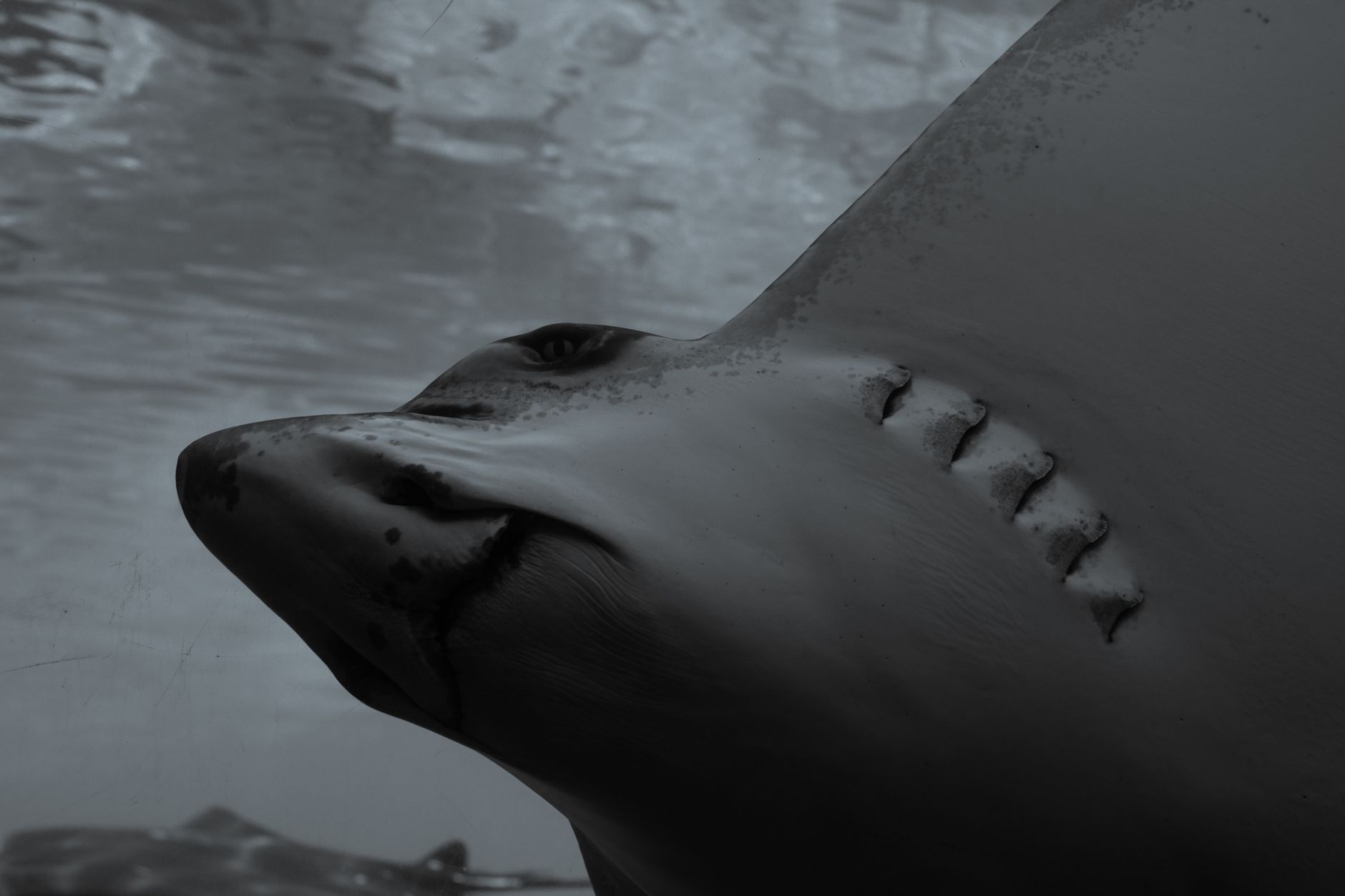
What Do Sharks See Us As?: Decoding the Shark’s Perspective
Sharks don’t perceive humans as a primary food source, but rather as potentially dangerous or simply uninteresting objects in their environment, primarily assessing us based on movement, electrical signals, and size. Understanding what do sharks see us as? is crucial for promoting safe coexistence and dispelling myths about these apex predators.

Understanding Shark Sensory Systems
To understand what sharks perceive when they encounter humans, we must first delve into their unique sensory capabilities. Sharks possess a sophisticated suite of senses that differ significantly from our own, shaping their perception of the world.
- Vision: Shark eyesight varies greatly between species. Some sharks, like the great white, have relatively good vision, enabling them to discern shapes and movement. Others, particularly those living in deeper waters, rely less on sight and more on other senses. However, most sharks have dichromatic vision, seeing primarily in shades of gray and blue. Color vision is limited or absent in many species.
- Smell: Sharks are renowned for their keen sense of smell. They can detect incredibly small amounts of blood or other chemicals in the water, allowing them to locate prey from a distance. However, scent alone is not enough; sharks use other senses to confirm and approach potential food sources.
- Electroreception: This is perhaps the most unique sensory ability of sharks. Ampullae of Lorenzini are gel-filled pores around their snout that detect electrical fields produced by living organisms. This allows them to sense the faint electrical signals generated by muscle contractions, even if the prey is hidden from sight.
- Lateral Line: This system consists of a series of sensory receptors along the shark’s body that detect vibrations and pressure changes in the water. The lateral line helps sharks perceive movement and objects in their surroundings, especially in low-visibility conditions.
What Draws a Shark’s Attention

Several factors influence what do sharks see us as? and whether they will investigate or interact with a human.
- Movement: Erratic or sudden movements in the water can trigger a shark’s predatory instincts. Sharks are attracted to the splashing and thrashing associated with struggling prey.
- Silhouette: Sharks often view objects from below, silhouetted against the surface. The shape and size of a silhouette can influence their perception of potential prey.
- Electrical Signals: Electrical signals emitted by a human can be detected by a shark’s ampullae of Lorenzini. This is especially true if the human is injured or bleeding, as damaged tissue releases stronger electrical signals.
- Water Clarity: Poor visibility can increase the likelihood of a shark encounter, as the shark may have difficulty distinguishing between a human and its usual prey.
- Bait and Chum: Feeding sharks or using bait and chum to attract them can alter their natural behavior and increase the risk of bites.
Misconceptions About Shark Attacks
It’s crucial to debunk common misconceptions about shark attacks. Sharks don’t typically see humans as a preferred food source. Most shark bites are cases of mistaken identity, where the shark misinterprets a human as a seal, sea lion, or other prey item.
- “Rogue Sharks”: The idea of a shark deliberately targeting humans is largely a myth. Sharks are opportunistic predators, and while they may investigate a human out of curiosity or hunger, they rarely exhibit sustained aggression towards humans.
- All Shark Attacks are Intentional: Many shark bites are exploratory or investigatory. The shark may bite to assess whether the object is a potential food source. These bites are often less severe than predatory attacks.
- Sharks are Bloodthirsty Killers: This is a gross exaggeration. Sharks play a vital role in maintaining the balance of marine ecosystems. While they are predators, they are not inherently malicious or bloodthirsty.
Mitigating Shark Encounter Risks
Understanding how sharks perceive us can help us minimize the risk of encounters.
- Avoid Swimming in Low-Visibility Conditions: Sharks may have difficulty distinguishing between humans and prey in murky water.
- Refrain from Wearing Shiny Jewelry: Shiny objects can resemble the scales of fish and attract sharks.
- Swim in Groups: Sharks are less likely to approach groups of people.
- Avoid Splashing Excessively: Reduce movements that can mimic distressed prey.
- Be Aware of Surroundings: Pay attention to warning signs and stay informed about local shark activity.
Frequently Asked Questions (FAQs)
Are sharks naturally aggressive towards humans?
No, sharks are not naturally aggressive towards humans. Most shark bites are attributed to mistaken identity or curiosity. Sharks primarily prey on fish, seals, and other marine animals, and humans are not typically on their menu.

Do sharks attack because they are hungry?
Hunger can play a role in shark behavior, but it’s not the sole driver of shark bites. A shark’s decision to investigate or bite a human is influenced by a combination of factors, including hunger, curiosity, and environmental conditions. A hungry shark may be more likely to investigate a potential food source.
How do sharks use electroreception to find prey?
Sharks have specialized sensory organs called ampullae of Lorenzini that detect weak electrical fields produced by living organisms. These pores allow sharks to sense the electrical signals generated by muscle contractions and nerve impulses, enabling them to locate prey even when it’s hidden from sight.
What colors attract sharks?
Research suggests that sharks are more attracted to high-contrast colors and patterns that resemble their natural prey. Yellow and white are often cited as colors that may attract sharks, but this is not a definitive rule, and other factors, such as movement and silhouette, are more important.
Can sharks see in the dark?
Many sharks have adapted to low-light conditions by having a tapetum lucidum, a reflective layer behind the retina that enhances their vision in dim environments. This allows them to see better in deep water or at night.
Are shark attacks increasing?
While the number of reported shark bites may fluctuate from year to year, there’s no definitive evidence that shark attacks are increasing globally. An increase in human activity in shark habitats contributes to a higher likelihood of encounters.
What should I do if I encounter a shark while swimming?
If you encounter a shark, remain calm and avoid sudden movements. Maintain eye contact and slowly back away. If the shark approaches aggressively, try to defend yourself by hitting it in the eyes or gills.
Do all sharks bite humans?
No, only a small percentage of shark species are known to bite humans. Most shark species are not considered a threat to humans, and many are relatively small and harmless.
Are shark attacks preventable?
While it’s impossible to eliminate the risk of shark bites completely, taking precautions can significantly reduce the likelihood of an encounter. Avoiding swimming in low-visibility conditions and refraining from wearing shiny jewelry are simple steps that can help.
How can I help protect sharks?
Supporting sustainable fishing practices, advocating for marine conservation efforts, and educating others about the importance of sharks are all ways to help protect these vital creatures. Reducing plastic pollution is also essential for protecting marine ecosystems.
What is the primary reason for shark attacks on humans?
The primary reason for shark attacks on humans is mistaken identity. Sharks often misinterpret humans as their natural prey, such as seals or sea lions, especially in murky water or when visibility is limited.
Do sharks have personal preferences for certain human characteristics?
No, sharks do not have personal preferences for certain human characteristics. Factors such as movement, silhouette, and electrical signals are far more important in influencing a shark’s decision to investigate or bite a human than any specific human traits. The answer to what do sharks see us as? depends more on our actions in the water than any inherent qualities we possess.