

Will Rats Eat From a Bird Feeder? A Comprehensive Guide
Yes, absolutely. Rats are opportunistic omnivores, and will eat from a bird feeder whenever given the chance, especially if other food sources are scarce. This can lead to significant problems for both bird populations and human health.

Introduction: The Unintended Consequences of Feeding Birds
Providing food for wild birds is a common and often rewarding activity. Attracting colorful songbirds to your yard can bring joy and enhance your connection with nature. However, the presence of easily accessible food sources, such as bird feeders, can also attract unwanted guests: namely, rats. While seemingly harmless, this unintended consequence can lead to a cascade of problems, ranging from decreased bird populations to increased risks of disease transmission. Understanding the dynamics of this situation is crucial for responsible bird feeding and maintaining a healthy ecosystem in your backyard.
Why Bird Feeders Attract Rats
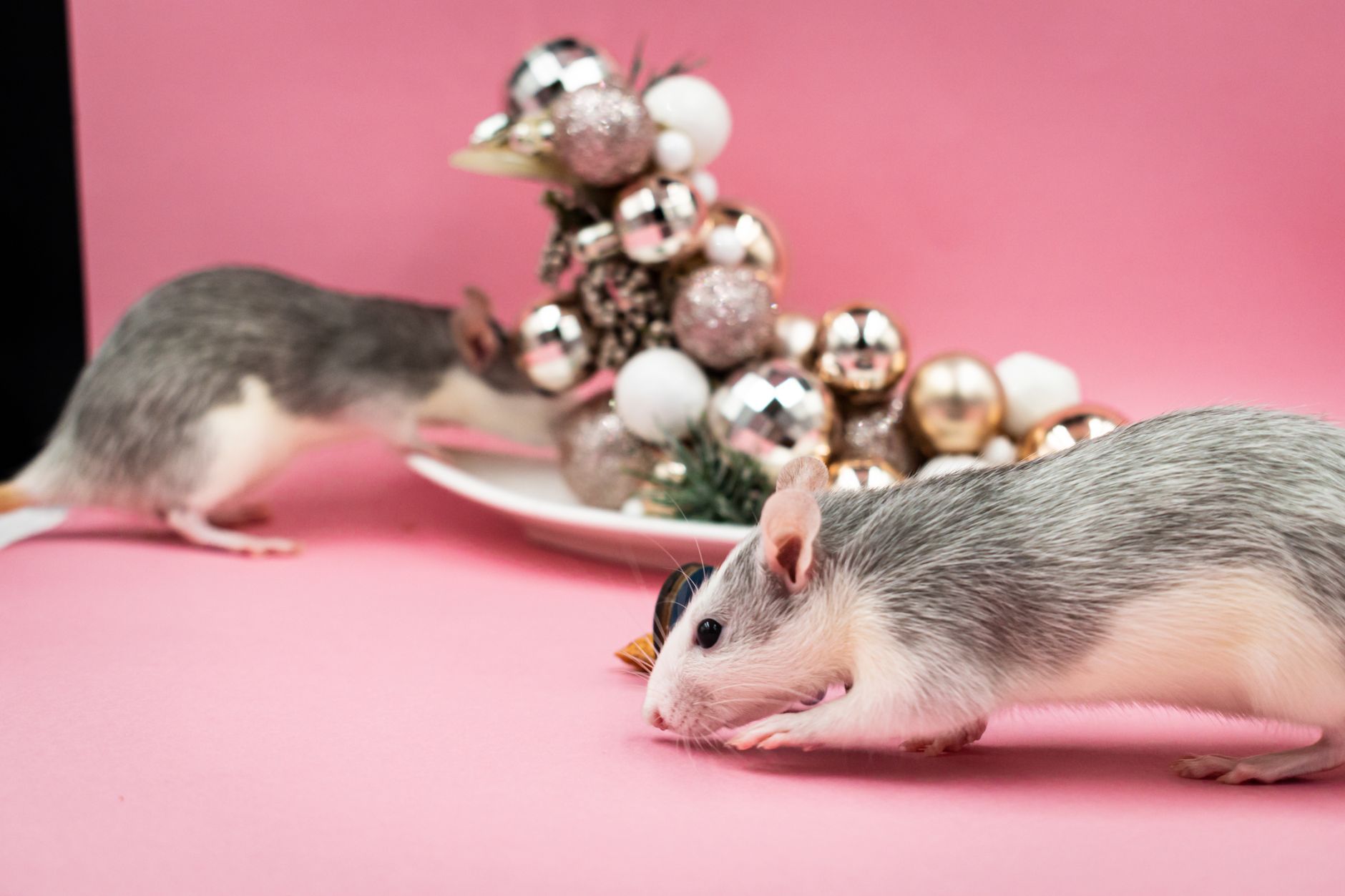
Rats are remarkably adaptable creatures with a keen sense of smell and a diverse diet. They are omnivores, meaning they will consume both plant and animal matter. This adaptability makes them highly successful at exploiting various food sources, including those intended for birds.
- Readily Available Food: Bird feeders offer a concentrated and easily accessible supply of seeds, nuts, and other food items. This is particularly attractive to rats, especially during times of scarcity, such as winter months or after periods of drought.
- Accessibility: Feeders that are not properly designed or maintained can spill seeds onto the ground, creating an even easier buffet for rats. Low-hanging feeders or those with wide openings can be easily accessed by rats climbing or jumping.
- Shelter: The area around a bird feeder can also provide shelter for rats, especially if there is dense vegetation, piles of debris, or other suitable hiding places. This combination of food and shelter makes bird feeders an irresistible draw for rat populations.
The Dangers of Rats at Bird Feeders
The presence of rats at bird feeders poses several significant threats:
- Disease Transmission: Rats can carry a variety of diseases that can be transmitted to humans and pets, including leptospirosis, salmonellosis, and hantavirus. Contamination of bird feeders and surrounding areas with rat urine and feces can increase the risk of exposure to these pathogens.
- Predation of Birds: While rats are not primarily predators of adult birds, they will eat bird eggs and nestlings. This can significantly impact local bird populations, especially those of ground-nesting species.
- Damage to Property: Rats can cause significant damage to property by gnawing on wires, chewing through insulation, and burrowing under foundations. Their presence can also be unsightly and unpleasant, reducing the enjoyment of your yard.
- Competition with Birds: A high rat population can consume a large portion of the food intended for birds, leading to starvation or malnutrition among bird populations, especially during harsh weather.
Strategies to Prevent Rats from Eating at Bird Feeders
Fortunately, there are several effective strategies to minimize the risk of attracting rats to your bird feeders:
- Choose the Right Feeder:
- Select feeders with small openings that are difficult for rats to access.
- Opt for feeders that are suspended on wires or poles that are not easily climbed.
- Consider using squirrel-resistant feeders, as these often deter rats as well.
- Maintain a Clean Environment:
- Regularly clean up spilled seeds around the feeder to remove a potential food source for rats.
- Keep the area around the feeder free of debris, vegetation, and other potential hiding places for rats.
- Clean feeders regularly to prevent the build-up of mold and bacteria, which can attract pests.
- Choose Appropriate Birdseed:
- Avoid using birdseed mixes that contain fillers, such as wheat or corn, which are attractive to rats.
- Offer only the amount of birdseed that birds can consume in a day or two to prevent excess seed from accumulating.
- Position the Feeder Carefully:
- Place the feeder away from buildings, fences, and trees that rats could use to access it.
- Ensure the feeder is at least 6 feet off the ground and 10 feet away from any jumping-off points.
- Consider Alternative Feeding Methods:
- Instead of using traditional feeders, consider planting native trees and shrubs that provide natural food sources for birds.
- Use suet feeders that are enclosed in wire cages, making them difficult for rats to access.
Alternatives to Traditional Bird Feeders
Many options exist that can help to feed birds without attracting rodents. These options focus on naturally attracting birds through their environment, or utilizing safer feeding methods.
- Native Plants: Planting native plants that provide seeds, berries, and nectar can attract a wide variety of birds without the risks associated with traditional feeders.
- Water Features: Providing a source of fresh water, such as a birdbath or small pond, can be just as attractive to birds as a feeder.
- Suet Feeders: Suet feeders that are enclosed in wire cages can provide a high-energy food source for birds while making it difficult for rats to access.
- Ground Feeding Trays with Mesh Bottoms: These allow for less seed accumulation, reducing the appeal to rats.
Table: Comparison of Bird Feeding Methods and Rat Attraction
| Feeding Method | Rat Attraction Level | Bird Attraction Level | Maintenance Required | Cost |
|---|---|---|---|---|
| Traditional Seed Feeder | High | High | Moderate | Low |
| Suet Feeder (caged) | Low | Moderate | Low | Moderate |
| Native Plants | Low | Moderate-High | Moderate | Moderate-High |
| Water Feature | Low | Moderate | High | Moderate |
Frequently Asked Questions (FAQs)
Are some types of birdseed more attractive to rats than others?
Yes, some birdseed mixes are more attractive to rats than others. Seeds high in carbohydrates, such as corn, wheat, and millet, are particularly appealing to rats. Sunflower seeds, peanuts, and nyjer seeds are generally less attractive, but rats will eat them if other food sources are scarce.
Will removing my bird feeder solve my rat problem?
Removing your bird feeder can help to reduce the rat population around your home, but it may not solve the problem entirely. Rats are highly adaptable and will seek out other food sources if their primary source is removed. It’s also important to address any other potential attractants, such as pet food, garbage, or standing water.
What are some signs that rats are visiting my bird feeder?
Common signs that rats are visiting your bird feeder include: droppings around the feeder or in the surrounding area, gnaw marks on the feeder or nearby structures, burrows under or near the feeder, and sightings of rats during the day or night.
Can I use poison to get rid of rats around my bird feeder?
Using poison to control rats can be effective, but it also poses risks to non-target animals, including birds, pets, and even humans. If you choose to use poison, it’s important to follow the instructions carefully and use bait stations to minimize the risk of accidental exposure. Consider professional pest control for complex infestations.
Is it better to feed birds in the winter or the summer?
Feeding birds can be beneficial year-round, but it’s particularly important during the winter months when natural food sources are scarce. However, it’s important to maintain a clean feeder and surrounding area regardless of the season to prevent attracting rats and other pests.
How often should I clean my bird feeder?
You should clean your bird feeder at least once every two weeks, or more often if you notice signs of mold or contamination. Use a solution of soap and water to scrub the feeder thoroughly, and rinse it well before refilling it with fresh birdseed.
Can I use a rat trap near my bird feeder?
Yes, you can use rat traps near your bird feeder to control rat populations. Snap traps and live traps are both effective options. Place traps in areas where rats are known to frequent, such as along walls or near burrows. Be sure to check traps regularly and dispose of captured rats properly.
What are some natural ways to deter rats from my yard?
Several natural methods can help to deter rats from your yard, including: removing potential food sources, such as fallen fruit or pet food; sealing cracks and holes in your home’s foundation; maintaining a clean and tidy yard; and using rat-repelling plants, such as peppermint or lavender.
Will cats or dogs keep rats away from my bird feeder?
While cats and dogs can help to deter rats, they are not always effective. Some rats may be able to avoid or even coexist with pets. Relying solely on pets to control rat populations is generally not recommended.
Are there any bird feeders specifically designed to deter rats?
Yes, there are bird feeders specifically designed to deter rats. These feeders often feature small openings, smooth surfaces, and baffles that make it difficult for rats to climb or access the food. Look for feeders labeled as “squirrel-resistant” or “rat-proof.”
Will rats eat the birdseed if it’s mixed with chili powder?
Chili powder can be a temporary deterrent for rats, as they generally dislike the smell and taste. However, rats may eventually become accustomed to the chili powder or find ways to access the birdseed without being exposed to it. This is not a foolproof solution.
How can I tell the difference between rat droppings and mouse droppings?
Rat droppings are typically larger and more cylindrical than mouse droppings. Rat droppings are about 1/2 to 3/4 inch long and have blunt ends, while mouse droppings are about 1/4 inch long and have pointed ends.