

Can Bird Mites Live in Your Bed? Investigating Infestation and Relief
Yes, bird mites can live in your bed, though it’s not their preferred habitat. These tiny parasites primarily infest birds and their nests, but when their primary hosts are unavailable, they may seek out humans as a temporary food source, leading to bites and discomfort.
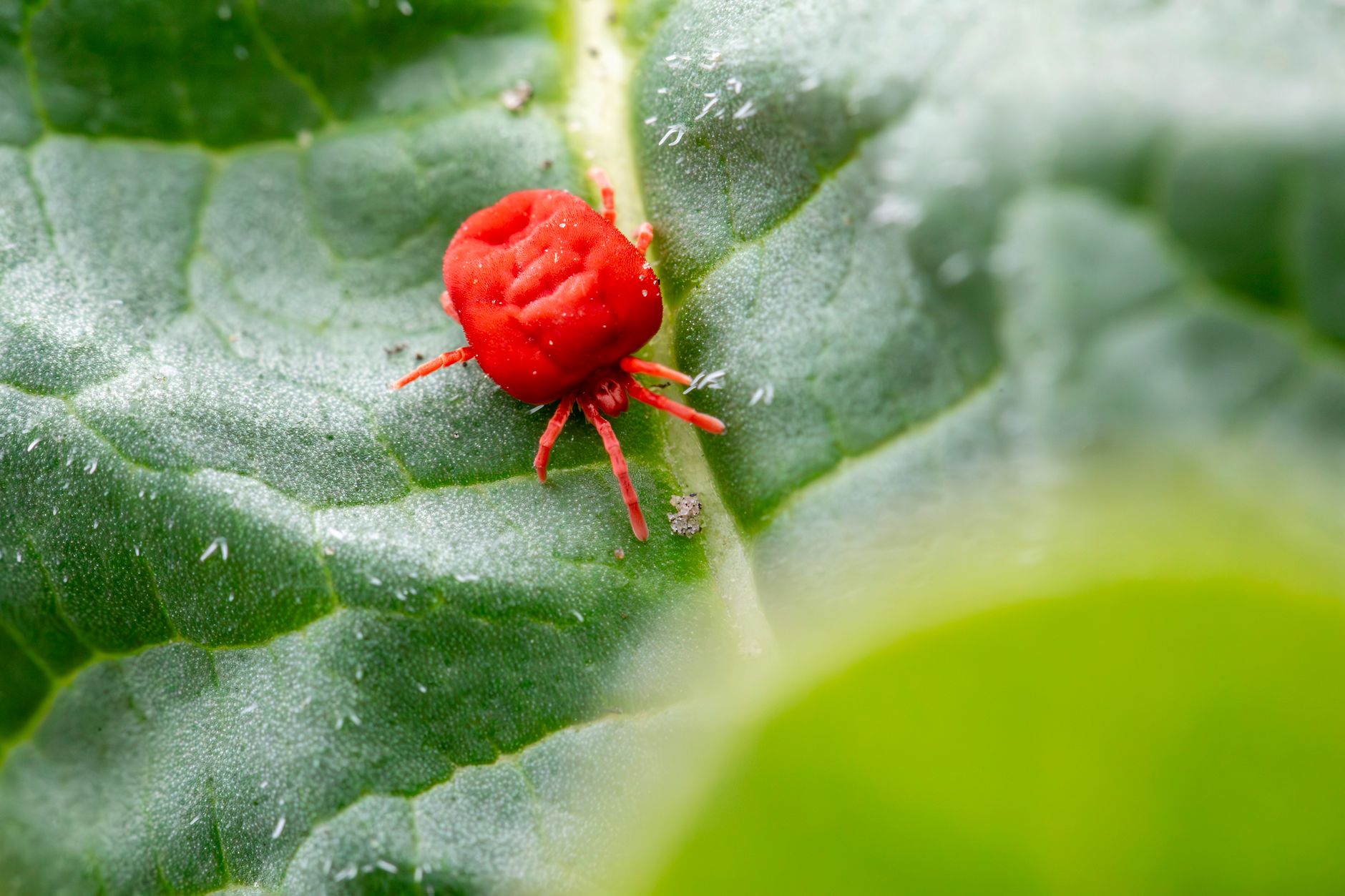
Understanding Bird Mites
Bird mites, also known as avian mites or chicken mites, are tiny parasites that feed on the blood of birds. They are most commonly associated with poultry, wild birds (like pigeons, starlings, and sparrows), and their nests. These mites are typically tan or reddish-brown in color and are barely visible to the naked eye. Their primary lifecycle is spent on birds, but when nests are abandoned or birds leave, the mites will search for a new host. This is when they can become a nuisance to humans.
Why Bird Mites Might End Up in Your Bed

The presence of bird mites in your home, and subsequently your bed, often points to a bird infestation nearby. This can be a nest in your attic, chimney, on your roof, or even a bird that frequented your property and lost mites in the process. These mites are opportunistic and will migrate to find a blood meal when their original host is no longer available.
Several factors contribute to bird mites ending up in your bed:
- Proximity to nests: Birds nesting near windows, vents, or roofs increase the chances of mites entering your home.
- Migration after nest abandonment: Once birds leave a nest, the mites will seek out new hosts, often migrating indoors.
- Warm environments: Bird mites thrive in warm, humid environments, making beds a potentially attractive location.
- Accidental transportation: Mites can be carried indoors on clothing, pets, or other objects.
Identifying Bird Mite Bites
Bird mite bites are often mistaken for other insect bites, such as those from mosquitoes or bedbugs. However, there are some key characteristics that can help you identify them:
- Small, red bumps: Bites typically appear as small, red, raised bumps on the skin.
- Intense itching: The bites are usually very itchy and can cause significant discomfort.
- Clustered distribution: Bites often appear in clusters or lines, especially on areas of skin that are exposed during sleep.
- Lack of a central puncture: Unlike mosquito bites, bird mite bites typically do not have a noticeable central puncture mark.
It is always best to consult with a medical professional for accurate diagnosis and treatment options.
Prevention and Control Strategies
Preventing bird mite infestations is crucial to avoiding the discomfort and distress they can cause. Here are some proactive measures you can take:
- Remove nests: The most effective way to prevent bird mites is to remove bird nests from your property. This should be done carefully and humanely, ideally after the birds have fledged.
- Seal entry points: Seal any cracks or openings in your home’s foundation, walls, and roof to prevent mites from entering.
- Clean and disinfect: Thoroughly clean and disinfect areas where bird nests were located.
- Use bird deterrents: Implement bird deterrents to discourage birds from nesting on your property.
- Wash bedding: Regularly wash your bedding in hot water and dry it on high heat to kill any mites that may be present.
- Professional pest control: If you suspect a bird mite infestation, contact a professional pest control company for effective treatment options.
| Prevention Method | Description |
|---|---|
| Nest Removal | Physically remove bird nests after fledging. |
| Sealing Entry Points | Seal cracks, holes, and openings to prevent mite entry. |
| Cleaning and Disinfecting | Thoroughly clean areas where nests were located. |
| Bird Deterrents | Use visual or physical deterrents to discourage nesting near your home. |
| Regular Bedding Washing | Wash bedding in hot water and dry on high heat. |
The Role of Professional Pest Control
While DIY methods can be helpful, a professional pest control service is often necessary to effectively eliminate a bird mite infestation. Professionals have the knowledge, experience, and tools to identify the source of the infestation, treat affected areas, and prevent future outbreaks. They can also advise you on long-term prevention strategies to protect your home from bird mites and other pests. The most effective treatments often involve residual insecticides specifically designed to kill mites.

FAQs: Bird Mites and Your Bed
Can bird mites survive on humans?
While bird mites can bite humans and cause irritation, they cannot complete their lifecycle on human blood. They require avian blood to reproduce and survive long-term. Therefore, humans are considered incidental hosts.
How long can bird mites live without a host?
Bird mites can survive for several weeks, or even months, without a blood meal, depending on environmental conditions such as temperature and humidity. Cooler and more humid environments are more conducive to their survival.
What are the symptoms of a bird mite infestation?
The primary symptom of a bird mite infestation is intense itching and the appearance of small, red bumps on the skin, often in clusters. You might also notice tiny, crawling insects, although they can be difficult to see.
Are bird mite bites dangerous?
Bird mite bites are not known to transmit diseases to humans. However, the intense itching and irritation can lead to secondary skin infections if the bites are scratched excessively.
How do I know if I have bird mites or bed bugs?
While both cause itchy bites, bed bug bites are typically larger and more swollen than bird mite bites. Bed bugs are also larger and more easily visible than bird mites. Another key difference is that bed bugs often leave behind telltale signs like blood stains on bedding.
Can I see bird mites with the naked eye?
Adult bird mites are very small, about 1 mm in length. While they may be visible as tiny moving specks, they are difficult to see without a magnifying glass.
What is the best way to clean bedding to kill bird mites?
Wash bedding in hot water (at least 130°F) and dry it on high heat. This will effectively kill any mites and their eggs. Consider washing all bedding, including pillows and comforters.
Should I throw away my mattress if I have bird mites?
It’s usually not necessary to throw away your mattress. Thoroughly vacuuming the mattress can help remove mites and eggs. You can also use a mattress encasement to prevent mites from entering or escaping.
Can bird mites infest my furniture?
Yes, bird mites can infest furniture, especially upholstered items. Vacuuming furniture regularly and using a steam cleaner can help eliminate mites.
Are there any natural remedies for bird mite bites?
Calamine lotion, hydrocortisone cream, and cool compresses can help relieve the itching and inflammation associated with bird mite bites. Oatmeal baths may also provide soothing relief.
Will insect repellent keep bird mites away?
Insect repellents containing DEET may provide some protection against bird mites, but they are not always effective. Focusing on eliminating the source of the infestation is more important.
What should I do if I suspect a bird mite infestation?
If you suspect a bird mite infestation, it’s best to identify and remove any bird nests near your home. After this, thoroughly clean and vacuum your home, and consult with a professional pest control company to implement effective treatment measures and prevent future infestations.