
Will a Vet Treat a Stray Dog? Providing Care for Animals in Need
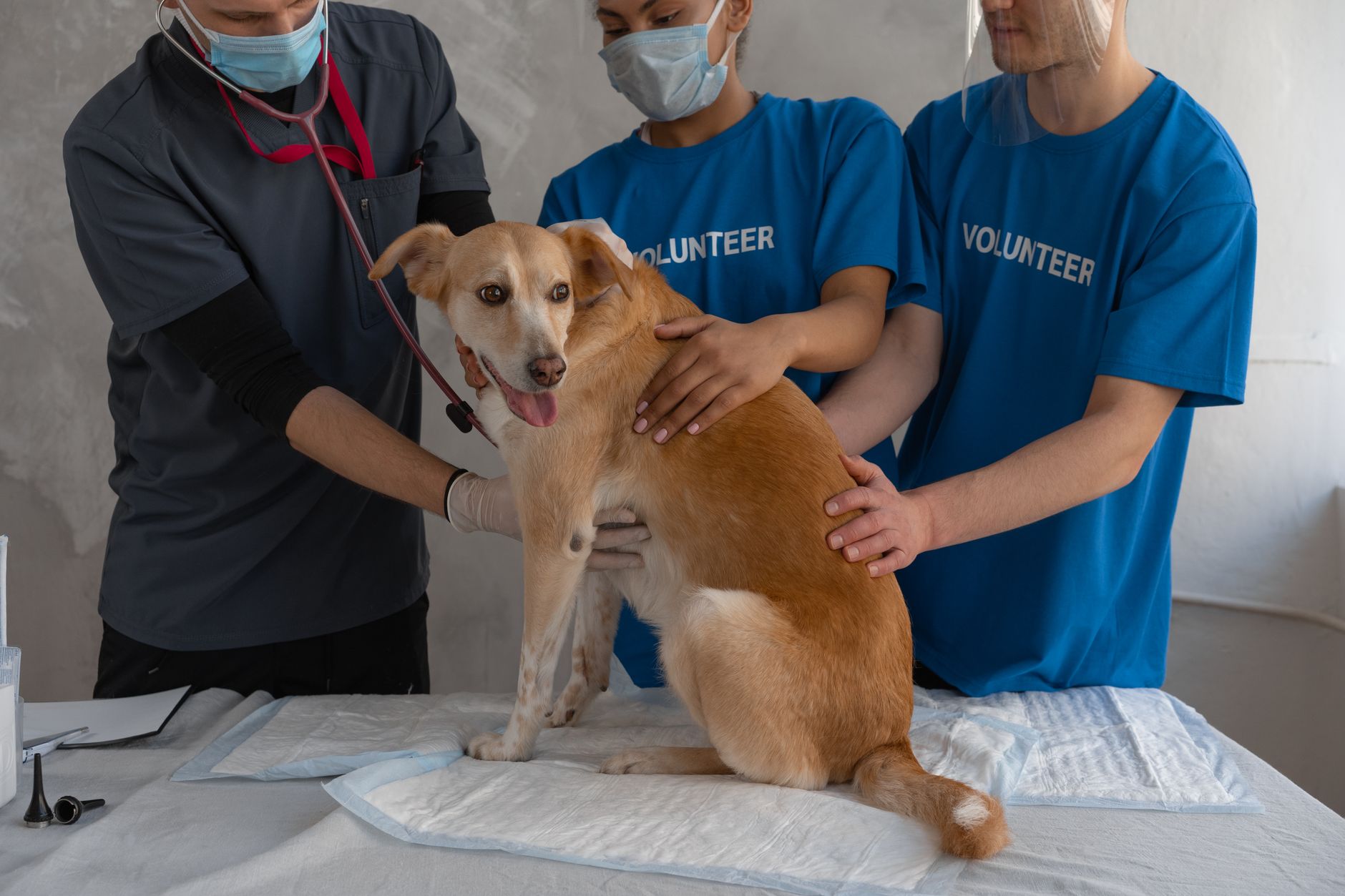
Most vets will treat a stray dog, especially in emergency situations, driven by their oath and ethical responsibilities, although payment for services can be a complex issue often involving local shelters or rescue organizations.

The question of whether a veterinarian will treat a stray dog is one that resonates deeply with animal lovers and those concerned about animal welfare. Veterinarians, bound by their professional oath and ethical considerations, play a crucial role in providing care to all animals, regardless of ownership. However, the logistics of treating a stray, particularly the financial aspects, can present unique challenges. This article delves into the realities of veterinary care for strays, exploring the responsibilities of vets, the involvement of shelters and rescue organizations, and what you can do if you find a dog in need.
The Veterinarian’s Oath and Ethical Obligations
Veterinarians take an oath to use their scientific knowledge and skills for the benefit of animal health and welfare. This oath often compels them to provide emergency care to sick or injured animals, including stray dogs. Rejecting treatment outright due to the dog’s ownerless status is generally considered unethical, especially in life-threatening situations. However, the extent of treatment offered and the long-term care provided can be influenced by the veterinarian’s resources and the availability of support from animal welfare organizations.
The Role of Shelters and Rescue Organizations

Animal shelters and rescue organizations serve as vital partners in providing care for stray dogs. These organizations often work closely with veterinarians to ensure that stray animals receive necessary medical attention. They can assist with:
- Financial support: Shelters and rescues often have funds available to cover the cost of veterinary care for stray animals.
- Temporary housing: They can provide a safe and comfortable environment for the dog to recover while it awaits adoption.
- Finding a permanent home: Shelters and rescues are skilled at finding suitable adoptive families for stray dogs, ensuring they receive ongoing care and love.
Veterinarians often offer discounted rates or pro bono services to shelters and rescues, recognizing their critical role in animal welfare.
The Legal and Financial Realities
While veterinarians may be ethically obligated to provide emergency care, they are also running a business. The financial responsibility for treating a stray dog can be a significant concern.
- “Good Samaritan” Laws: Some jurisdictions have “Good Samaritan” laws that protect veterinarians who provide emergency care to animals in good faith.
- Consultation with local shelters: Vets will often attempt to contact local shelters or animal control to transfer responsibility for payment.
- Owner Identification: A critical first step is checking for a microchip or identifying tags to locate the owner, resolving the financial burden of treatment.
In many cases, vets are willing to work with individuals who find a stray and are committed to helping it, offering payment plans or reduced fees. However, it’s crucial to be upfront about your ability to contribute financially.
What To Do If You Find a Stray Dog
If you find a stray dog, here’s a step-by-step approach:
- Ensure your safety: Approach the dog cautiously, especially if it appears injured or frightened.
- Check for identification: Look for a collar with tags or have the dog scanned for a microchip at a veterinary clinic or shelter.
- Contact local shelters and animal control: Report the stray dog to these organizations, providing a description and location.
- Provide temporary care: If you are able, offer the dog food, water, and a safe place to stay.
- Seek veterinary care: If the dog is injured or appears ill, take it to a veterinarian for examination and treatment.
- Document everything: Keep records of your interactions with shelters, vets, and any expenses incurred.
Following these steps increases the likelihood of the dog receiving appropriate care and either reuniting with its owner or finding a new home.
Common Misconceptions
There are a few misconceptions regarding veterinary care for stray dogs. One common belief is that vets are legally obligated to treat all animals for free. While vets have an ethical obligation, financial realities often necessitate seeking support from shelters or relying on the finder’s willingness to contribute. Another misconception is that shelters always have the resources to take in every stray dog. Shelters often operate at capacity and may prioritize animals in the most urgent need of care.
Frequently Asked Questions (FAQs)
Will a vet euthanize a healthy stray dog if no one claims it?
Euthanasia of a healthy stray dog is generally considered a last resort and is usually only considered when the dog poses a significant threat to public safety or when the shelter is severely overcrowded. Shelters and rescues prioritize finding adoptive homes for adoptable dogs.
What happens if I take a stray dog to a vet but can’t afford the treatment?
Communicate openly with the veterinarian about your financial limitations. Discuss payment options, inquire about discounted rates, and contact local shelters and rescue organizations for financial assistance. Many vets are willing to work with individuals who are committed to helping a stray animal but cannot afford the full cost of treatment.
Are vets required to report stray dogs to animal control?
While there is no universal legal requirement, many veterinarians will notify animal control when they treat a stray dog. This is often done to ensure compliance with local ordinances and to give the owner an opportunity to reclaim the animal.
If a stray dog bites me, will a vet still treat it?
Yes, a vet will still treat a stray dog, even if it has bitten someone. However, the dog may be subject to quarantine protocols to monitor for rabies and ensure public safety.
What if I want to adopt the stray dog after it receives treatment?
If you intend to adopt the stray dog, inform the veterinarian and any involved shelters or rescue organizations. They can guide you through the adoption process, which typically involves completing an application, paying an adoption fee, and providing proof of responsible pet ownership.
How can I help support veterinary care for stray dogs?
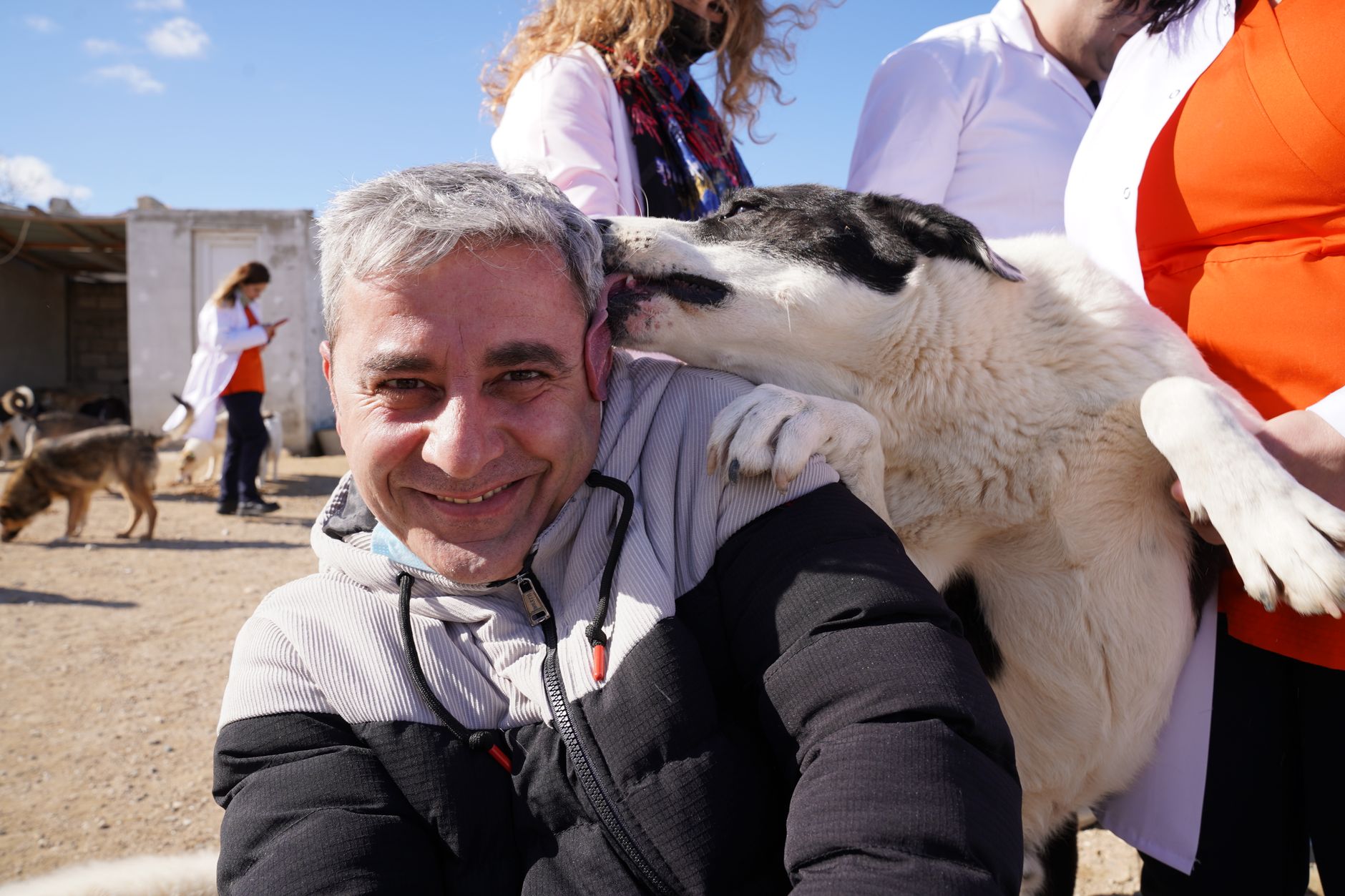
Donate to local animal shelters and rescue organizations. These organizations rely on donations to fund their work, including veterinary care for stray animals. You can also volunteer your time at a shelter or participate in fundraising events.
Will a vet treat a stray dog even if it’s not microchipped?
Yes, a vet will still treat a stray dog whether or not it is microchipped. However, scanning for a microchip is a standard procedure to help reunite the dog with its owner if one exists.
What is the typical cost of basic veterinary care for a stray dog?
The cost of basic veterinary care for a stray dog can vary depending on the extent of treatment needed. An initial examination, vaccinations, deworming, and flea/tick prevention can range from $100 to $300. More extensive treatment for injuries or illnesses can significantly increase the cost.
Will a vet turn away a stray dog if the shelter is full?
A vet may not refuse emergency treatment but may struggle to find immediate shelter placement. The vet will typically work with rescue organizations and animal control to find the stray dog a safe place to go after treatment. Collaboration between the vet, rescues, and the person who found the dog is key.
Are there any specific laws about treating stray dogs?
Specific laws vary by location. Some areas have “Good Samaritan” laws protecting vets; others have ordinances regarding reporting stray animals. Contact your local animal control or veterinary medical association for clarification.
If I can’t keep a stray dog after treatment, what are my options?
If you cannot keep the stray dog after treatment, contact local animal shelters and rescue organizations. They can help you find a suitable foster home or adoptive family for the dog. Be prepared to provide information about the dog’s temperament and medical history.
Does the breed of the stray dog affect whether a vet will treat it?
The breed of the stray dog should not affect whether a vet will treat it. Veterinarians are ethically obligated to provide care to all animals in need, regardless of breed. However, breed-specific legislation in some areas may impact adoption or placement options.
In conclusion, will a vet treat a stray dog? The answer is a resounding yes, driven by ethical considerations and a commitment to animal welfare. While financial constraints can be a challenge, collaboration between veterinarians, shelters, rescue organizations, and compassionate individuals can ensure that stray dogs receive the care they need and have a chance at a better future.