
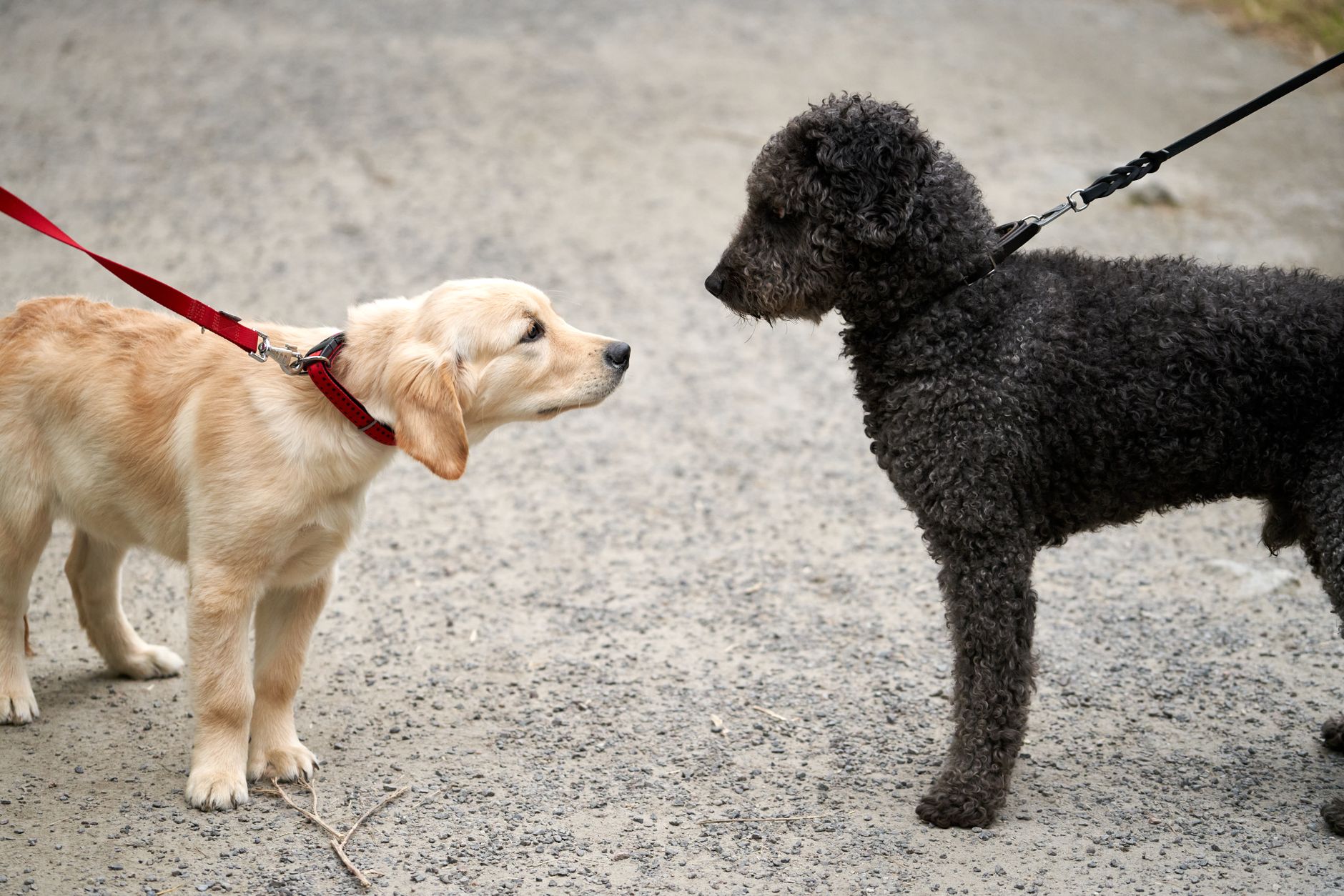
How To Stop Your Dog From Reacting To Other Dogs
Stopping dog reactivity requires a dedicated, multi-faceted approach focused on changing your dog’s emotional response to other dogs through positive reinforcement techniques, careful management, and potentially, professional guidance. The goal is to associate the presence of other dogs with positive experiences, reducing fear, anxiety, or aggression.

Understanding Dog Reactivity
Dog reactivity, often misunderstood as simple aggression, is a complex behavioral issue stemming from a variety of underlying causes. It’s essential to differentiate between true aggression (motivated by a desire to harm) and reactivity, which is typically rooted in fear, anxiety, frustration, or over-arousal. Reactive dogs often display behaviors like barking, lunging, growling, and pulling on the leash when they see other dogs.
Identifying the Root Cause

Before attempting to modify your dog’s behavior, determine the underlying reason for their reactivity. Common causes include:
- Fear: A negative past experience or lack of socialization can lead to fear-based reactivity.
- Frustration: Dogs may become reactive out of frustration if they want to greet other dogs but are prevented from doing so by the leash.
- Territoriality: Some dogs are naturally more territorial and protective of their space.
- Resource guarding: A dog may react defensively to prevent other dogs from approaching valued resources (food, toys, or owner).
- Pain or discomfort: Underlying medical conditions can sometimes contribute to increased irritability and reactivity.
Consulting with a veterinarian to rule out any medical causes is a crucial first step. A certified professional dog trainer or veterinary behaviorist can then help you assess the specific triggers and motivations behind your dog’s reactivity.
Management Techniques: Creating a Safe Environment
Management is the foundation of any reactivity modification plan. The goal is to prevent your dog from practicing reactive behaviors and to create a safe and predictable environment. Key management strategies include:
- Avoidance: The simplest way to prevent reactivity is to avoid situations where your dog is likely to react. This may involve walking at off-peak hours, choosing less crowded routes, or crossing the street when you see another dog approaching.
- Leash Control: Use a sturdy leash and harness to maintain control. Avoid retractable leashes, as they provide less control and can increase the risk of reactive outbursts. Keep the leash loose, as a tight leash can increase tension and anxiety.
- Visual Barriers: Use visual barriers, such as fences, bushes, or cars, to block your dog’s view of other dogs.
- Muzzle Training: In some cases, a muzzle can be a valuable safety tool. Introduce the muzzle gradually and positively, associating it with treats and positive reinforcement.
Behavior Modification: Changing Your Dog’s Emotional Response
Behavior modification aims to change your dog’s emotional response to the presence of other dogs. This requires patience, consistency, and a positive reinforcement approach.
-
Desensitization and Counter-Conditioning (DS/CC): This is the cornerstone of reactivity modification.

- Desensitization: Gradually exposing your dog to the trigger (other dogs) at a distance where they do not react. Start with the trigger far away.
- Counter-Conditioning: Pairing the presence of the trigger with something positive (high-value treats, praise).
The goal is to change your dog’s association with other dogs from negative (fear, anxiety) to positive (good things happen when I see another dog).
Steps for DS/CC:
- Identify the Trigger Distance: Find the distance at which your dog can see another dog without reacting. This is your “safe distance.”
- Start at the Safe Distance: Expose your dog to other dogs at this distance. As soon as your dog sees the other dog, start feeding them high-value treats (e.g., small pieces of chicken, cheese, or hot dog).
- Continue Treating: Continue feeding your dog treats as long as the other dog is visible.
- Stop Treating: Stop feeding treats as soon as the other dog is out of sight.
- Gradually Decrease the Distance: As your dog becomes more comfortable, gradually decrease the distance between them and other dogs. Only decrease the distance if your dog remains calm and does not react. If your dog reacts, increase the distance again.
-
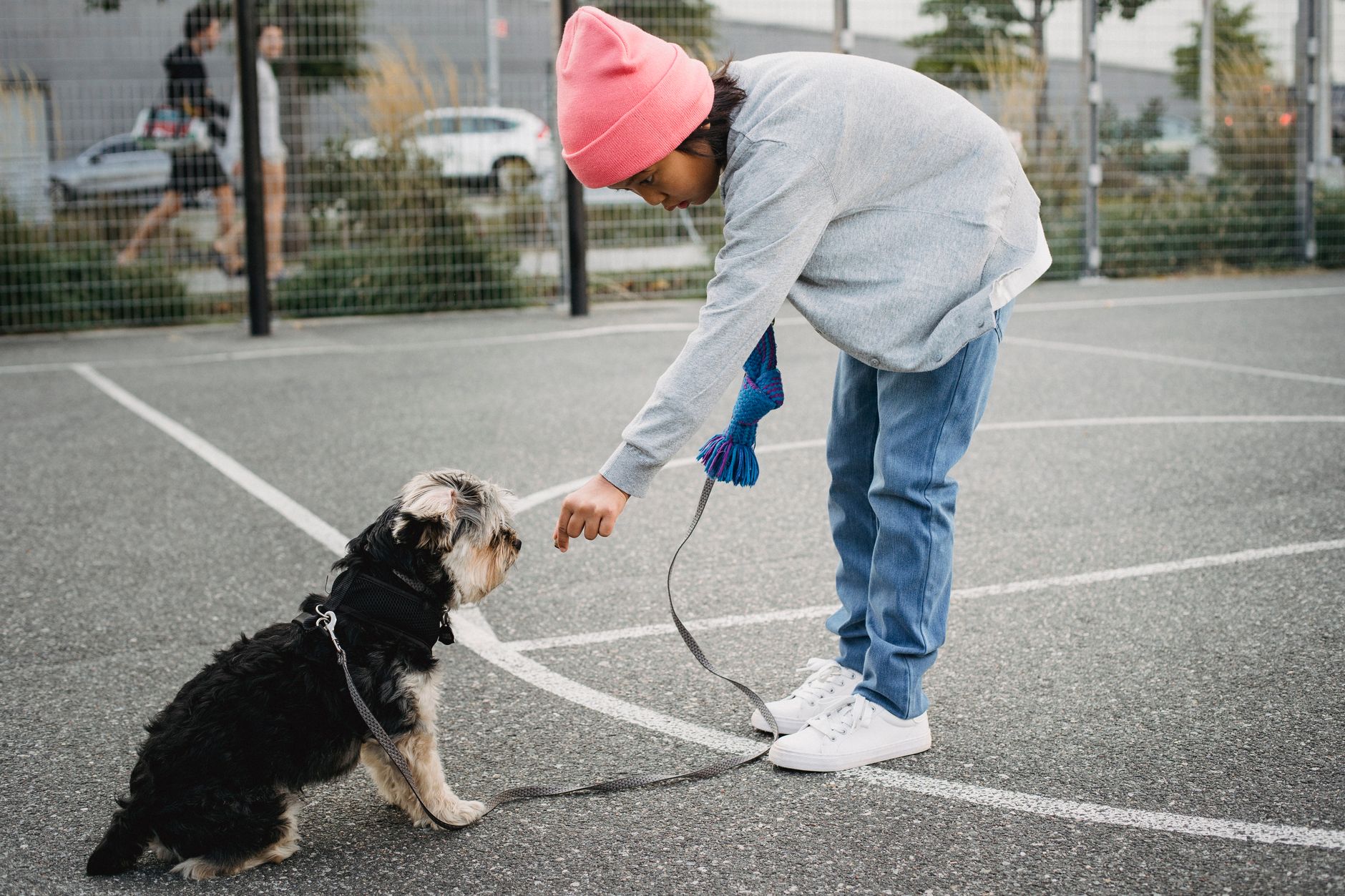
“Look at That” Game: Train your dog to look at you whenever they see another dog. This helps redirect their attention and gives you control over the situation. Say “Look at that!” as soon as you see another dog and reward your dog when they look at the other dog and then back at you.
-
Focus Exercises: Teach your dog focus exercises, such as “Leave it” or “Watch me,” to help them focus on you in distracting situations. These commands can be invaluable when encountering other dogs unexpectedly.
Avoiding Common Mistakes
- Punishment: Never punish your dog for being reactive. Punishment will only increase their fear and anxiety, making the problem worse.
- Flooding: Flooding involves exposing your dog to the trigger at a high intensity without gradually acclimating them. This can be traumatic and counterproductive.
- Inconsistency: Consistency is crucial for success. Everyone who interacts with your dog must follow the same training plan.
- Lack of Patience: Reactivity modification takes time and patience. Don’t get discouraged if you don’t see results immediately.
- Ignoring Warning Signs: Pay attention to your dog’s body language. Learn to recognize the early signs of reactivity (e.g., stiffening, lip licking, whale eye) so you can intervene before they escalate.
When to Seek Professional Help
If you are struggling to manage your dog’s reactivity on your own, or if their reactivity is severe, seek professional help from a certified professional dog trainer or a veterinary behaviorist. They can provide a personalized training plan and help you address the underlying causes of your dog’s behavior.
The Importance of Socialization (Early On)
While not directly applicable to stopping existing reactivity, early and proper socialization of puppies is a key preventative measure. Exposing puppies to a variety of sights, sounds, people, and other dogs in a controlled and positive manner can help them develop into well-adjusted adults less likely to exhibit reactive behaviors.
Key Takeaways
Successfully addressing dog reactivity involves a combination of management, behavior modification, and, in some cases, professional guidance. Patience, consistency, and a commitment to positive reinforcement techniques are essential for helping your dog overcome their reactivity and live a happier, more relaxed life.
| Strategy | Description | Purpose |
|---|---|---|
| Management | Avoiding triggers, using leash control, creating visual barriers. | Preventing reactive outbursts and creating a safe environment. |
| Desensitization | Gradually exposing your dog to the trigger (other dogs) at a safe distance. | Reducing your dog’s sensitivity to the trigger. |
| Counter-Conditioning | Pairing the presence of the trigger with something positive (treats, praise). | Changing your dog’s association with the trigger from negative to positive. |
| “Look at That” Game | Training your dog to look at you whenever they see another dog. | Redirecting their attention and giving you control. |
| Focus Exercises | Teaching your dog commands like “Leave it” or “Watch me.” | Helping them focus on you in distracting situations. |
| Professional Help | Consulting with a certified professional dog trainer or veterinary behaviorist. | Providing a personalized training plan and addressing the underlying causes of your dog’s behavior. |
Frequently Asked Questions (FAQs)
What is the difference between dog aggression and reactivity?
Dog aggression is characterized by intent to harm, whereas reactivity typically stems from fear, anxiety, frustration, or over-arousal. Reactive dogs often bark, lunge, or growl, but may not necessarily intend to bite or injure another dog. Distinguishing between the two is important for developing an appropriate training plan.
How long does it take to stop my dog from being reactive to other dogs?
There is no one-size-fits-all answer. The timeline depends on several factors, including the severity of the reactivity, the underlying cause, your consistency with training, and your dog’s individual learning style. It can take weeks, months, or even years to see significant improvement.
Can I still take my reactive dog to dog parks?
Generally, no. Dog parks are often overwhelming and unpredictable environments for reactive dogs, increasing the risk of reactive outbursts. It’s best to avoid dog parks until your dog has made significant progress in their reactivity modification training and can reliably remain calm in the presence of other dogs.
Is it ever too late to train a reactive dog?
It’s rarely ever too late to improve a dog’s reactivity, although it may be more challenging with older dogs who have had more time to practice reactive behaviors. With patience, consistency, and the right training techniques, you can still help your dog manage their reactivity and improve their quality of life.
What are some high-value treats I can use for counter-conditioning?
High-value treats are treats that your dog finds extremely rewarding. Examples include small pieces of cooked chicken, cheese, hot dog, liver, or even peanut butter (if your dog is not allergic). Experiment to find what motivates your dog the most.
How often should I practice desensitization and counter-conditioning?
Aim for short, frequent training sessions (5-10 minutes) several times a day. Consistency is key. Avoid overtraining, as this can lead to frustration and decreased motivation.
My dog only reacts on leash. Why is that?
Leash reactivity is common. It can be caused by frustration (wanting to greet but being unable to), fear (feeling trapped and vulnerable), or a learned association between the leash and the anticipation of encountering other dogs.
What if I encounter another dog unexpectedly while walking my reactive dog?
If you encounter another dog unexpectedly, try to increase the distance between you and the other dog as quickly as possible. Use a distracting command (e.g., “Leave it,” “Watch me”), offer high-value treats, and calmly redirect your dog’s attention away from the other dog.
Is medication an option for managing dog reactivity?
In some cases, medication may be a helpful adjunct to behavior modification. Anti-anxiety medications or antidepressants can help reduce your dog’s overall anxiety level and make them more receptive to training. Consult with a veterinary behaviorist to determine if medication is appropriate for your dog.
Will my dog ever be completely “cured” of their reactivity?
Complete “cures” are rare. The goal is to manage your dog’s reactivity to the point where they can remain calm and under control in the presence of other dogs. This may involve ongoing management and training.
My dog is reactive to dogs and people. What should I do?
If your dog is reactive to both dogs and people, seek professional help from a certified professional dog trainer or a veterinary behaviorist. This indicates a more complex behavioral issue that requires a comprehensive assessment and a tailored training plan. The approach will be similar, but potentially require a longer timeline.
How do I stop my dog from being reactive to other dogs if my dog is also resource guarding?
Addressing resource guarding alongside dog reactivity requires careful management and specialized training. Work with a certified professional dog trainer or veterinary behaviorist experienced in resource guarding to develop a safe and effective plan. The focus will be on desensitizing your dog to the presence of others near their resources and counter-conditioning them to associate those situations with positive experiences.