

Will a Cat Stop Peeing Outside the Litter Box After a UTI?
The short answer is: Possibly, but it’s not guaranteed. While treating the UTI is a critical first step, addressing underlying behavioral or environmental factors is often necessary to fully resolve the issue of inappropriate urination.
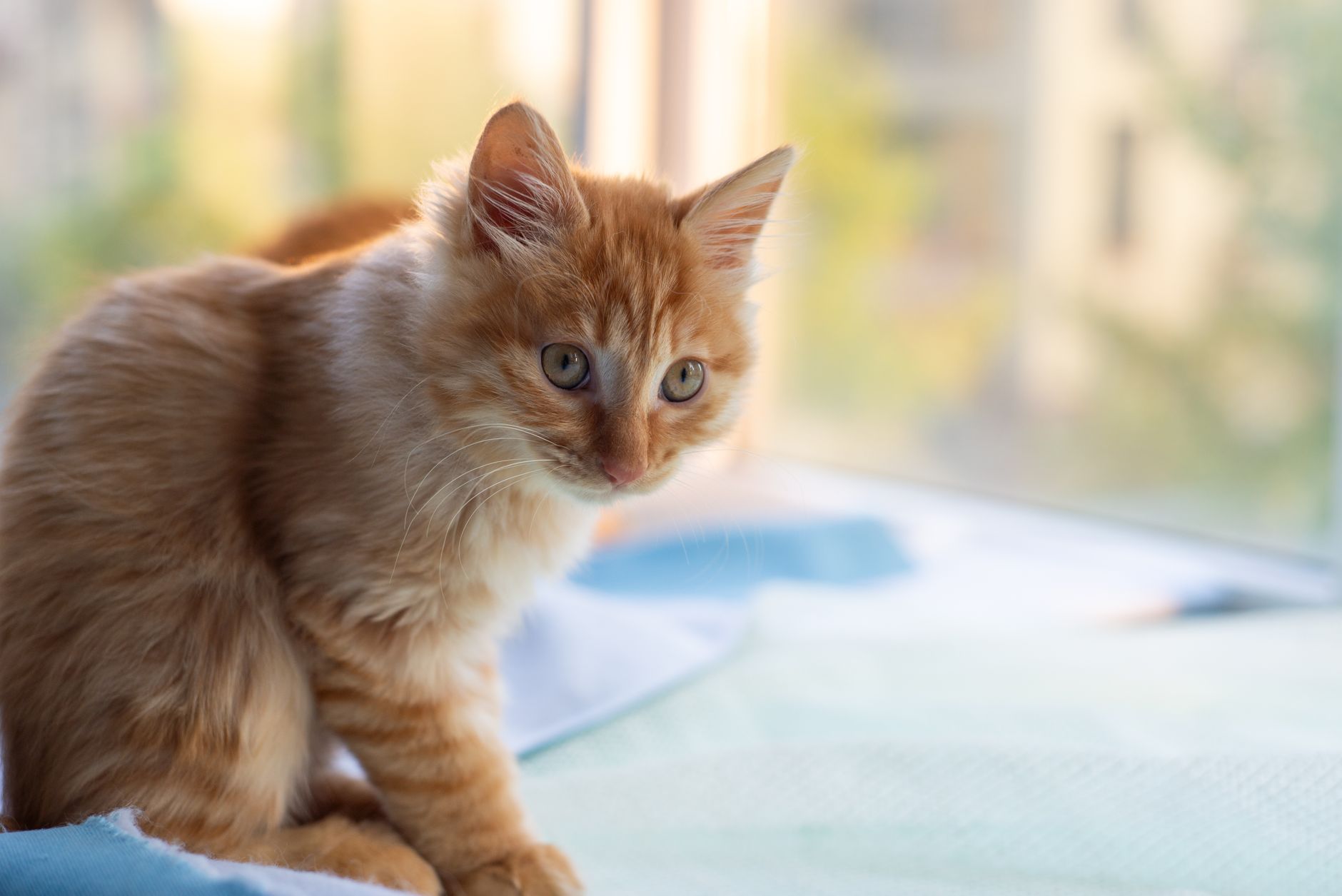
Cats are notoriously fastidious creatures, so when a feline friend suddenly starts peeing outside their litter box, it’s a clear sign something is amiss. One of the most common culprits is a urinary tract infection (UTI). But even after successful treatment, the question remains: Will a cat stop peeing outside litter box after UTI? The answer is complex and requires a multifaceted approach.
Understanding Feline UTIs and Inappropriate Urination
Urinary tract infections in cats, often termed feline lower urinary tract disease (FLUTD), are painful and can lead to serious health complications if left untreated. The discomfort associated with a UTI can cause a cat to associate pain with the litter box, leading to avoidance even after the infection clears. Inappropriate urination can also stem from other medical conditions, behavioral issues, or problems with the litter box itself.
Why UTIs Can Lead to Litter Box Avoidance

The pain and inflammation associated with a UTI can cause several problems:
- Pain Association: Cats may associate the pain of urinating with the litter box, leading to avoidance.
- Urgency and Frequency: UTIs often cause increased urgency and frequency of urination. The cat may not be able to make it to the litter box in time.
- Changes in Urine Odor: A UTI can alter the smell of urine, making the litter box less appealing.
- Stress and Anxiety: The discomfort of a UTI can cause stress and anxiety, which can contribute to inappropriate urination.
The Role of Veterinary Care in Resolving the Issue
Prompt veterinary care is crucial. A veterinarian can diagnose a UTI through a urine analysis and prescribe appropriate antibiotics. They can also rule out other potential medical causes of inappropriate urination, such as kidney disease, diabetes, or bladder stones. However, treating the infection is just the first step.
Environmental and Behavioral Considerations
Even after the UTI is resolved, the cat may continue to pee outside the litter box due to ingrained behavioral issues. This is where a thorough environmental assessment comes into play. Key factors to consider include:
- Litter Box Placement: Are the litter boxes in quiet, accessible locations? Avoid high-traffic areas, noisy appliances, or locations that might feel threatening to the cat.
- Litter Box Hygiene: How often is the litter box cleaned? Cats prefer clean litter boxes, and a dirty box can deter them from using it. Scoop daily and completely change the litter at least monthly.
- Litter Type: Is the litter type appealing to the cat? Some cats prefer unscented, clumping litter, while others prefer different textures. Experiment to find what your cat likes.
- Number of Litter Boxes: A good rule of thumb is to have one litter box per cat, plus one extra.
- Stress Reduction: Are there any sources of stress in the cat’s environment, such as other pets, loud noises, or changes in routine? Identifying and minimizing stress can help reduce inappropriate urination. Pheromone diffusers like Feliway can also be beneficial.
Steps to Help Your Cat Re-Associate the Litter Box with Positive Experiences
Once the UTI is treated and environmental issues are addressed, focus on positively reinforcing the litter box.
- Clean Up Accidents Thoroughly: Use an enzymatic cleaner specifically designed for pet messes to eliminate odors that might attract the cat back to the same spot.
- Make the Litter Box Appealing: Keep the litter box clean and inviting.
- Positive Reinforcement: Reward the cat with treats or praise when they use the litter box.
- Consult a Veterinary Behaviorist: If the problem persists, a veterinary behaviorist can help identify and address underlying behavioral issues.
When Inappropriate Urination May Not Be Related to a UTI
It’s important to remember that inappropriate urination can have causes other than a UTI. These include:
- Medical Conditions: Kidney disease, diabetes, hyperthyroidism, and other medical conditions can cause increased thirst and urination, leading to accidents.
- Behavioral Issues: Anxiety, stress, territory marking, and cognitive dysfunction (especially in older cats) can all contribute to inappropriate urination.
- Litter Box Aversion: A negative experience associated with the litter box (e.g., being startled while using it) can lead to long-term aversion.

Frequently Asked Questions (FAQs)
Is it guaranteed that my cat will stop peeing outside the litter box after a UTI is treated?
No, it is not guaranteed. While treating the UTI is essential, many cats develop a behavioral association with peeing outside the box, or have other underlying issues contributing to the problem. Comprehensive management is required.
How long after treating a UTI should I expect my cat to stop peeing outside the litter box?
It varies. Some cats stop immediately after treatment, while others may take weeks or even months. Be patient and consistent with environmental and behavioral modifications.
What if my cat’s urine tests negative for a UTI, but they are still peeing outside the litter box?
Other medical conditions need to be ruled out, such as bladder stones, kidney disease, or diabetes. Also, behavioral causes such as stress, anxiety, or territory marking are important to consider.
What kind of litter box is best for cats with a history of UTIs and inappropriate urination?
A large, uncovered litter box is often preferred. It allows the cat to easily enter and exit and provides ample space to move around. Consider the cat’s preferences for litter type as well.
How can I clean up urine accidents to prevent my cat from repeating them?
Use an enzymatic cleaner specifically designed for pet messes. These cleaners break down the organic compounds in urine and eliminate odors that attract cats back to the same spot. Avoid using ammonia-based cleaners, as they can mimic the smell of urine and encourage further accidents.
What are some signs that my cat is stressed or anxious?
Signs of stress or anxiety in cats include hiding, decreased appetite, excessive grooming, changes in vocalization, and increased aggression. If you notice these signs, try to identify and minimize the source of stress.
Can pheromone diffusers like Feliway help with inappropriate urination?
Yes, pheromone diffusers can help reduce stress and anxiety, which can, in turn, reduce inappropriate urination. These diffusers release synthetic feline facial pheromones, which create a calming and secure environment for cats.
How many litter boxes should I have for my cat?
The general rule is one litter box per cat, plus one extra. For example, if you have two cats, you should have three litter boxes.
Is it normal for older cats to start peeing outside the litter box even if they’ve always used it?
It’s not necessarily normal, but it’s more common in older cats. Cognitive dysfunction (feline dementia) can cause confusion and disorientation, leading to accidents. Medical conditions are also more common in older cats.
What should I do if my cat starts spraying urine on vertical surfaces?
Spraying is usually a sign of territory marking. Make sure your cat feels secure in their environment. Pheromone diffusers can help, and in some cases, anti-anxiety medication may be necessary. Consult with your veterinarian.
Will punishing my cat for peeing outside the litter box help?
No, punishing your cat will only make the problem worse. It will create fear and anxiety, which can exacerbate inappropriate urination. Focus on positive reinforcement and addressing the underlying causes of the problem.
When should I consult a veterinary behaviorist about my cat’s inappropriate urination?
If you’ve tried addressing environmental and medical factors and your cat is still peeing outside the litter box, it’s time to consult a veterinary behaviorist. They can help identify and address underlying behavioral issues that may be contributing to the problem.
Ultimately, addressing “Will a cat stop peeing outside litter box after UTI?” requires patience, observation, and a collaborative approach with your veterinarian. By addressing both the medical and behavioral aspects of the problem, you can significantly increase your chances of restoring harmony and a clean home.