

Decoding the Wild Meow: Unmasking Animals That Mimic Feline Sounds
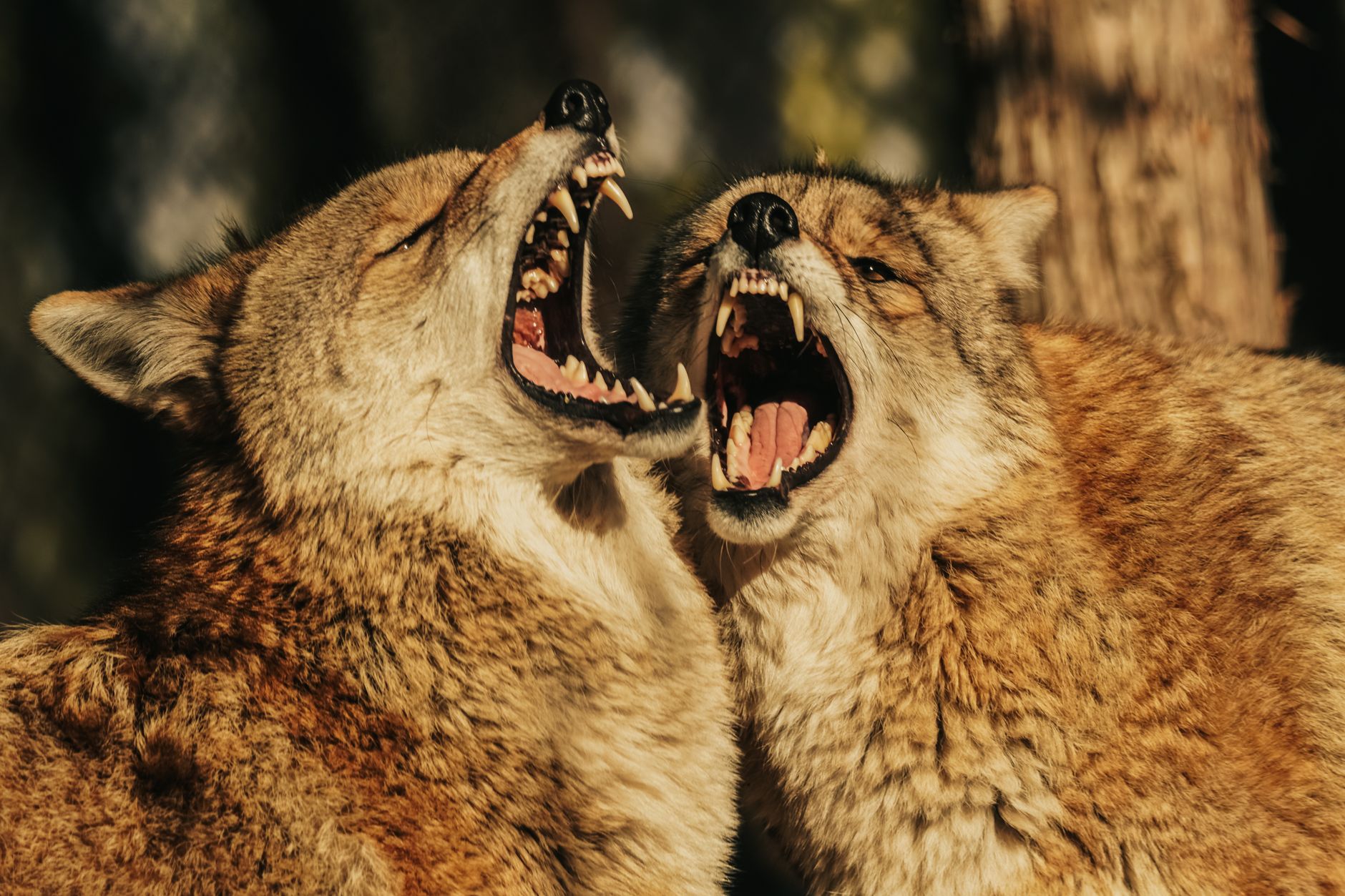
The animal most often described as sounding like a cat meowing is the gray fox, particularly its high-pitched vocalizations used during mating season or when communicating with pups. This unexpected sound can often lead to confusion in both urban and rural settings.
Introduction: The Mystery of the Meowing Wilderness
Imagine strolling through the woods, only to hear a distinct meow echoing through the trees. Your first instinct might be to look for a lost domestic cat, but you could be in for a surprise. Several wild animals possess vocalizations that closely resemble the meow of a feline, leading to fascinating and often perplexing encounters. Unraveling the mystery of what wild animal sounds like a cat meowing? requires understanding the nuances of animal communication and recognizing the specific characteristics of each species’ call.
Gray Foxes: Masters of Mimicry?

The most common culprit behind the “wild meow” is undoubtedly the gray fox (Urocyon cinereoargenteus). This agile and adaptable canid, found throughout North America, utilizes a variety of vocalizations, including a high-pitched meow that can easily be mistaken for a domestic cat.
- Reasons for Meowing: Gray foxes often use their meow-like calls during:
- Mating season: To attract potential partners.
- Communication with pups: To maintain contact and provide reassurance.
- Territorial defense: To warn off intruders.
- Distinguishing Features: While the sound is similar, discerning the gray fox’s meow involves considering:
- Location: Gray foxes inhabit wooded areas and are less likely to be found in purely residential zones (though it can happen!).
- Context: Are there other fox vocalizations present, such as barks or yips?
- Time of Day: Foxes are primarily nocturnal or crepuscular (active at dawn and dusk).
Other Potential “Meowers” in the Wild
While the gray fox is the most likely candidate, other animals can produce sounds that sometimes resemble a cat’s meow, especially in certain contexts or when heard from a distance.
- Bobcats: These elusive wild cats (Lynx rufus) are larger than domestic cats and possess a repertoire of vocalizations, including yowls and screams that, under certain circumstances, might be interpreted as a distorted or unusually loud meow.
- Raccoons: These masked bandits (Procyon lotor) are known for their diverse range of sounds, including chirps, whistles, and growls. Occasionally, their vocalizations can contain a meow-like quality, particularly when distressed or communicating with young.
- Fishers: These members of the weasel family (Pekania pennanti) have a distinctive high-pitched call described as a shriek, but also have other, more subtle calls that could be confused for a meow.
The Science of Animal Vocalizations
Animal communication is complex, involving a wide range of vocalizations, body language, and scent marking. Understanding the purpose behind these signals is crucial for interpreting their meaning accurately.
- Evolutionary Advantages: Animal calls serve various purposes, including:
- Attracting mates
- Warning of danger
- Establishing territory
- Communicating with offspring
- Acoustic Adaptation: The sound of an animal’s call is often shaped by its environment. For example, animals living in dense forests may use lower-frequency sounds that travel farther through the vegetation.
Common Mistakes in Identifying Wild Animal Sounds
Misidentifying animal sounds is a common occurrence, often due to:
- Lack of experience: Familiarity with local wildlife is essential.
- Poor recording quality: Distorted or muffled sounds can be misleading.
- Hearing limitations: Individual variations in hearing can affect perception.
- Anthropomorphism: Projecting human emotions or interpretations onto animal behavior.
| Animal | Primary Vocalization | Potential for Meow Confusion | Habitat |
|---|---|---|---|
| Gray Fox | High-pitched meow, bark, yip | High | Woodlands, suburban areas |
| Bobcat | Yowl, scream, growl | Medium | Forests, mountains, swamps |
| Raccoon | Chirp, whistle, growl, scream | Low-Medium | Urban, suburban, rural environments |
| Fisher | Shrill scream, chuckle, hiss | Low | Forests, wetlands |
FAQ: Decoding the Meow in the Wild
What are the primary factors that contribute to the confusion between a gray fox’s call and a domestic cat’s meow?

The similarity in pitch and tone between a gray fox’s high-pitched vocalization and a domestic cat’s meow is the primary factor. Furthermore, the relatively small size of the gray fox leads people to automatically assume it is a cat.
How can I definitively distinguish a gray fox’s meow from that of a domestic cat?
Consider the context. Gray foxes often use other vocalizations alongside the meow, such as barks or yips. Also, observe the animal’s behavior and location. Foxes are more likely to be found in wooded or semi-rural areas.
Are there specific times of the year when gray foxes are more likely to make meow-like sounds?
Yes, during the mating season (typically late winter/early spring), gray foxes become more vocal to attract mates. Mothers will also meow to their pups.
Do bobcats ever sound like cats?
Yes, at times a bobcat’s yowling call can sound eerily like a cat, especially when the bobcat is distressed. The pitch and volume can sometimes be similar.
Is it possible for other wild animals, besides foxes and bobcats, to make meow-like sounds?
Yes, though it’s less common, animals like raccoons and even fishers can produce calls that contain a meow-like quality, particularly when they are alarmed or communicating with their young.
What should I do if I hear a sound that I think might be a wild animal meowing near my home?
First, observe carefully. Try to identify the animal visually if possible. Avoid approaching the animal, especially if it appears distressed or has young nearby. Contact your local animal control or wildlife rescue organization if you’re concerned.
Are there any regional variations in the vocalizations of gray foxes?
While specific dialects haven’t been extensively studied, some variations in the frequency and intensity of gray fox vocalizations may exist based on geographical location and population density.
How can I attract gray foxes to my property for observation?
Avoid intentionally feeding gray foxes, as this can habituate them to humans. Instead, create a wildlife-friendly habitat by providing natural food sources, such as native plants and berry-producing shrubs.
Can I deter gray foxes from my property if I’m concerned about them preying on my pets?
Keep pets indoors, especially at dawn and dusk. Secure garbage cans and eliminate potential food sources. Consider installing motion-activated lights to deter foxes.
What is the ecological role of gray foxes in their ecosystem?
Gray foxes play an important role in controlling populations of rodents and other small animals. They also contribute to seed dispersal by consuming fruits and berries.
Is it dangerous to approach a gray fox?
While gray foxes are generally not aggressive towards humans, it’s always best to maintain a safe distance. Never attempt to handle or feed a wild animal. If you encounter a fox that appears sick or injured, contact your local wildlife authority.
What should I do if I find a baby gray fox that appears to be abandoned?
Do not immediately assume that the pup is abandoned. Observe from a distance for several hours to see if the mother returns. If the pup appears to be injured or truly abandoned, contact a licensed wildlife rehabilitator for assistance.