

Will a Bath Make Your Dog Feel Better? Unveiling the Truth
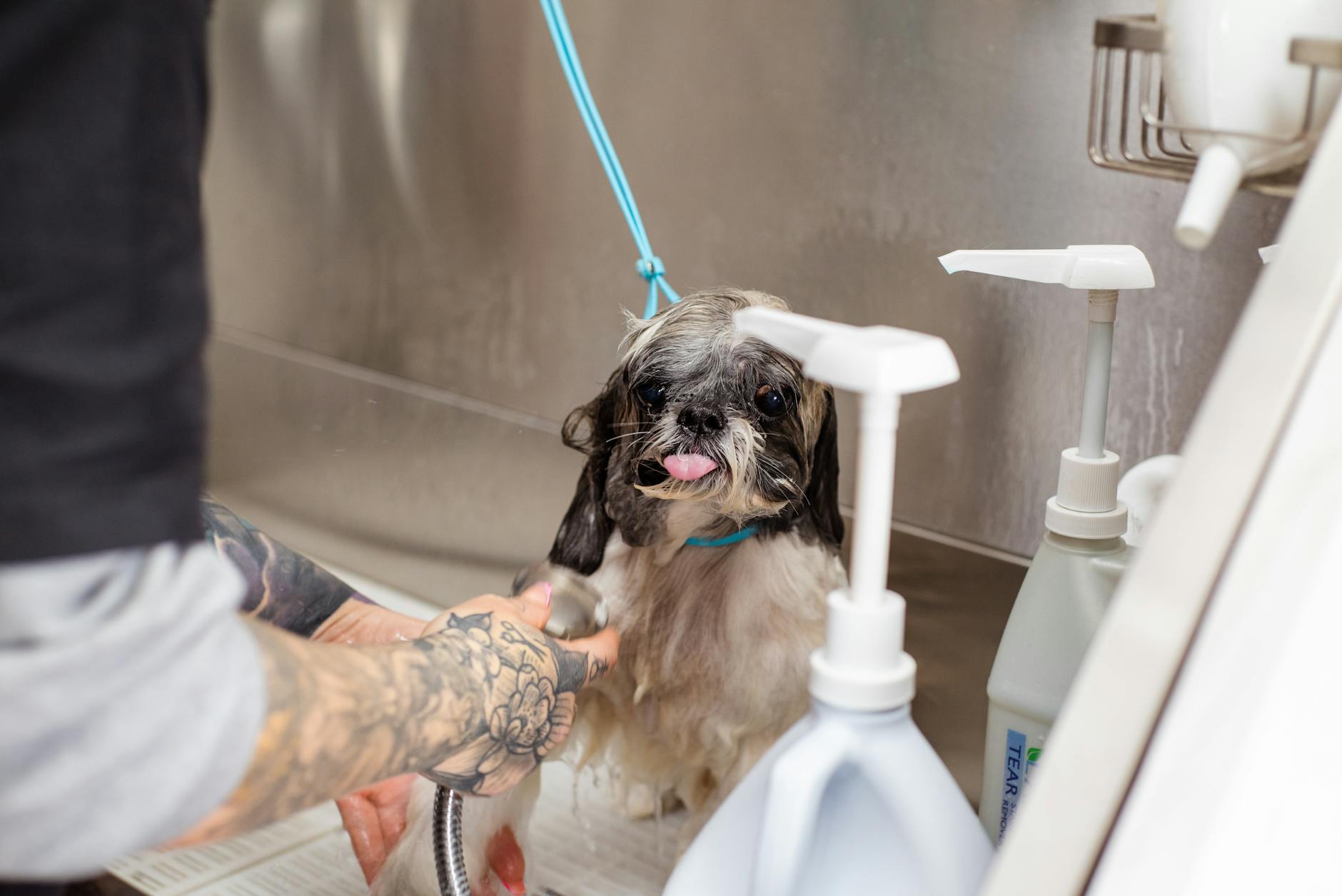
Yes, under the right circumstances, a bath can make your dog feel better! Will a bath make my dog feel better? In many cases, a bath offers relief from itching, discomfort, and unpleasant odors, promoting overall well-being.
The Science Behind Dog Baths: More Than Just Cleanliness
Bathing your dog isn’t just about aesthetics; it’s about hygiene, health, and sometimes, even therapeutic intervention. Understanding the underlying reasons why a bath might be beneficial is crucial for responsible pet ownership.
Benefits of Bathing Your Dog

Beyond removing dirt and debris, regular bathing offers a surprising number of benefits for your canine companion:
-
Relief from Itching: Baths can wash away allergens like pollen, dust mites, and environmental irritants that cause itching. Special medicated shampoos can further soothe irritated skin.
-
Odor Control: Even the cleanest dogs can develop unpleasant odors. Regular bathing, especially with deodorizing shampoos, can keep your dog smelling fresh.
-
Skin Health: Baths can help prevent and treat skin infections by removing bacteria and fungi. Medicated shampoos, prescribed by a veterinarian, are often used for conditions like dermatitis.
-
Parasite Control: While not a primary method of parasite control, baths can help dislodge fleas and ticks. Flea shampoos provide an extra layer of defense.
-
Improved Coat Condition: Bathing helps remove dead hair and skin cells, promoting a healthier and shinier coat.
The Right Way to Bathe Your Dog: A Step-by-Step Guide
Knowing how to bathe your dog correctly is just as important as knowing why. Follow these steps for a safe and effective bath:
- Preparation is Key: Gather your supplies: dog shampoo, towels, a washcloth, a non-slip mat, and a brush.
- Brush Before You Bathe: Brushing removes loose fur and mats, making the bath more effective.
- Wet Your Dog Thoroughly: Use lukewarm water. Avoid getting water in your dog’s ears.
- Apply Shampoo: Start at the neck and work your way down, avoiding the eyes and ears.
- Lather and Massage: Gently massage the shampoo into your dog’s coat for several minutes. This allows the shampoo to penetrate the skin and remove dirt and debris.
- Rinse Thoroughly: Rinse until all traces of shampoo are gone. Residue can irritate the skin.
- Dry Your Dog: Use towels to remove excess water. You can use a hairdryer on a low, cool setting, being careful not to overheat your dog’s skin.
- Brush Again: Once your dog is dry, brush again to remove any remaining loose fur.
Common Mistakes to Avoid
Avoid these common pitfalls to ensure a positive bathing experience for both you and your dog:
-
Using Human Shampoo: Human shampoo is too harsh for dogs’ skin and can disrupt the natural pH balance, leading to irritation. Always use dog-specific shampoo.
-
Using Water That’s Too Hot or Too Cold: Lukewarm water is the ideal temperature for bathing your dog.
-
Getting Water in the Ears: Water in the ears can lead to infections. Use cotton balls to gently plug your dog’s ears during the bath.
-
Not Rinsing Thoroughly: Shampoo residue can irritate the skin and cause itching. Be sure to rinse your dog thoroughly.
-
Over-Bathing: Bathing too frequently can strip the skin of its natural oils, leading to dryness and irritation. Most dogs only need to be bathed every few months.
Choosing the Right Shampoo for Your Dog
Selecting the right shampoo is crucial for maintaining your dog’s skin and coat health.
| Shampoo Type | Benefits | Considerations |
|---|---|---|
| Oatmeal Shampoo | Soothes dry, itchy skin. | May not be effective for severe skin conditions. |
| Medicated Shampoo | Treats specific skin conditions like dermatitis, fungal infections, and bacterial infections. | Requires a veterinarian’s prescription. Use as directed. |
| Flea & Tick Shampoo | Kills fleas and ticks. | Use with caution. May contain harsh chemicals. Follow directions carefully. Not a standalone flea/tick preventative. |
| Hypoallergenic Shampoo | Formulated for dogs with sensitive skin. Free of common irritants like fragrances and dyes. | May not be as effective at cleaning as other shampoos. |
| Deodorizing Shampoo | Neutralizes unpleasant odors. | May contain strong fragrances that some dogs (and owners) find irritating. |
| Puppy Shampoo | Gentle formula designed for puppies’ delicate skin. | May not be as effective at cleaning adult dogs. |
Frequently Asked Questions (FAQs)
How often should I bathe my dog?
The frequency of bathing depends on your dog’s breed, lifestyle, and skin condition. Generally, most dogs only need to be bathed every few months. Over-bathing can strip the skin of its natural oils, leading to dryness and irritation. However, dogs with skin allergies or oily coats may need more frequent baths. Consult with your veterinarian for personalized advice.
What if my dog hates baths?
Many dogs dislike being bathed. Make the experience as positive as possible by using lukewarm water, a gentle shampoo, and plenty of praise and treats. Start slowly, gradually introducing your dog to the water. Never force your dog into the bath. If your dog is extremely anxious, consider professional grooming or spot cleaning instead.
Can I use baby shampoo on my dog?
While baby shampoo is generally mild, it’s still not the best choice for dogs. Dog-specific shampoos are formulated with a pH balance that’s appropriate for canine skin. Baby shampoo may be too acidic for your dog, potentially causing irritation. It’s always best to use a shampoo specifically designed for dogs.
My dog smells bad even after a bath. What could be the problem?
Several factors can contribute to lingering odors after a bath. Possible causes include: a dirty dog bed, underlying skin infection, impacted anal glands, or ear infection. Thoroughly clean your dog’s bedding and consult with your veterinarian to rule out any medical conditions. Using a quality deodorizing shampoo can also help.
What’s the best way to dry my dog after a bath?
Towel drying is a good starting point. You can also use a hairdryer on a low, cool setting. Be sure to keep the hairdryer moving to prevent overheating. Avoid using a hot setting, as this can burn your dog’s skin. For long-haired breeds, a grooming dryer is an excellent investment.
My dog is shedding excessively. Will a bath help?
Yes, a bath can help reduce shedding. Bathing removes loose fur and skin cells, preventing them from ending up all over your house. Use a deshedding shampoo and conditioner to further minimize shedding. Regular brushing is also essential for managing shedding.
Can I bathe my dog right after they’ve been vaccinated?
It’s generally recommended to wait a few days after vaccination before bathing your dog. Vaccinations can sometimes cause mild side effects, such as fatigue or fever. Bathing your dog too soon after vaccination could stress their immune system. Wait at least 2-3 days, or as directed by your veterinarian.
What should I do if my dog develops a skin rash after a bath?
If your dog develops a skin rash after a bath, it could be due to an allergic reaction to the shampoo. Discontinue use of the shampoo and consult with your veterinarian. They may recommend an antihistamine or other treatment to alleviate the rash.
Is it okay to use human conditioner on my dog?
While some human conditioners may be safe for dogs, it’s generally best to use a conditioner specifically formulated for dogs. Human conditioners can sometimes contain ingredients that are harmful or irritating to dogs’ skin.
My dog has fleas. Will a bath get rid of them?
A bath can help dislodge some fleas, but it won’t eliminate a flea infestation. Flea shampoos can kill fleas, but they’re not a substitute for comprehensive flea control. Consult with your veterinarian about effective flea prevention and treatment options, such as topical medications or oral medications.
How do I clean my dog’s face during a bath?
Use a soft washcloth and lukewarm water to gently wipe your dog’s face. Avoid getting soap in their eyes. You can also use a dog-specific facial cleanser. Pay special attention to cleaning around the eyes and nose to remove any debris.
Can bathing a dog make them feel worse?
Yes, improperly bathing a dog can make them feel worse. Harsh shampoos, extreme water temperatures, and stressful handling can all cause discomfort and anxiety. That is why following the above guide on “How to Bathe Your Dog” will give you the best experience in bathing your dog.