
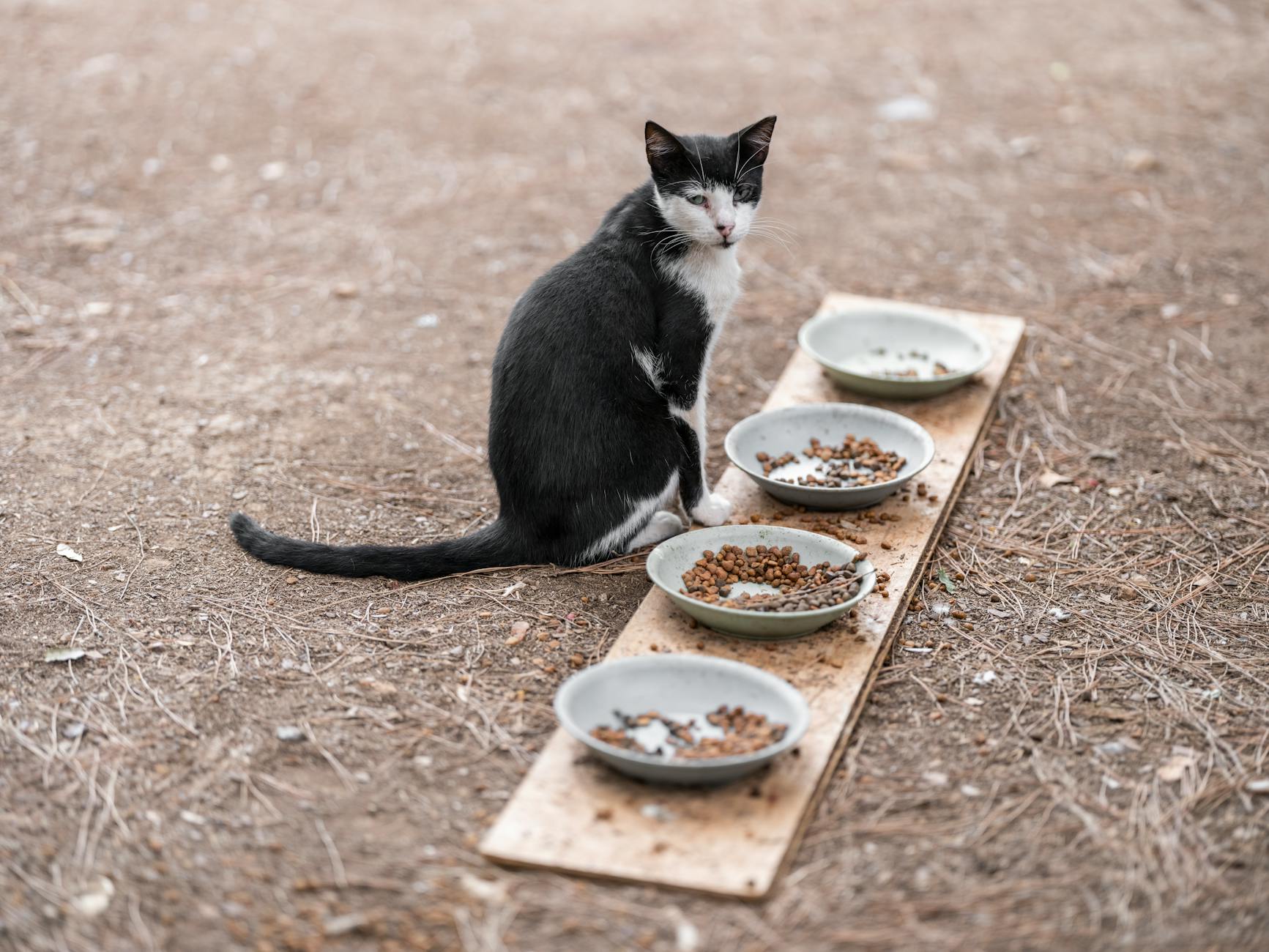
Why Does My Cat Scoop Food Out of His Bowl?
The act of a cat scooping food out of its bowl is often due to bowl-related stress and sensory sensitivities; it’s their way of trying to make eating more comfortable. Understanding this behavior, often referred to as “Why does my cat scoop food out of his bowl?,” involves considering the bowl’s design, whisker fatigue, and your cat’s overall eating habits.

Introduction: Unraveling the Mystery of the Scooping Feline
It’s a scene familiar to many cat owners: your beloved feline approaching its food bowl, only to start pawing at the kibble, sending it scattering across the floor. While seemingly odd, this behavior often has perfectly logical explanations rooted in your cat’s instincts and sensitivities. Understanding why does my cat scoop food out of his bowl? requires looking beyond the surface and considering several key factors. We’ll delve into the possible reasons, from bowl design to potential underlying health concerns. It’s important to remember that cats are individuals, and the cause may vary from cat to cat.
The Usual Suspects: Why Cats Scoop Their Food

So, why does my cat scoop food out of his bowl? Here are some of the most common reasons for this perplexing behavior:
-
Whisker Fatigue: This is a common cause. A deep or narrow bowl can force your cat’s sensitive whiskers to brush against the sides, causing discomfort or even pain. Cats have highly sensitive whiskers, and constant stimulation can lead to what’s known as whisker fatigue.
-
Bowl Design: Certain bowl materials, shapes, and depths can be unappealing to cats. Deep bowls can hide food, making it harder for cats to see and reach it. Shiny stainless-steel bowls can reflect light in a way that startles them.
-
Instinctive Behavior: In the wild, cats often paw at their prey before eating. Scooping food out of the bowl might be a residual instinct from these hunting behaviors. Think of it as a tiny echo of their wild ancestors.
-
Protecting Food: Cats may scoop food out if they perceive a threat, even if the threat is only perceived. This is often seen when multiple cats share the same feeding area.

-
Underlying Medical Issues: Less frequently, but important to rule out, dental problems, nausea, or other health issues can make it uncomfortable for a cat to eat from a bowl.

The Impact of Bowl Design and Material
The design and material of your cat’s food bowl can significantly influence its eating habits. Here’s a breakdown:
-
Material Matters: Stainless steel is often recommended due to its hygiene and ease of cleaning. However, some cats are sensitive to the metallic taste or the light reflecting off it. Ceramic or glass bowls can be alternatives, but ensure they are food-grade and free of lead. Plastic bowls are generally less desirable as they can harbor bacteria and develop scratches that trap food particles.
-
Shape and Depth: Shallow, wide bowls are generally preferable. These prevent whisker fatigue and allow cats to see their food easily. Avoid bowls that are too deep or narrow.
-
Bowl Placement: Elevate the bowl slightly. This can ease strain on your cat’s neck and spine, making eating more comfortable. Elevated bowls are particularly helpful for older cats or those with arthritis.
Here’s a table comparing popular bowl materials:
| Material | Pros | Cons |
|---|---|---|
| Stainless Steel | Hygienic, easy to clean, durable | Can reflect light, metallic taste may deter some cats |
| Ceramic | Aesthetically pleasing, less reflective than stainless steel | Can chip or break, potential for lead contamination if not food-grade |
| Glass | Easy to clean, doesn’t retain odors | Can break easily |
| Plastic | Inexpensive, lightweight | Can harbor bacteria, scratches easily, some cats are allergic to plastic |
Solving the Scooping Problem: Practical Solutions
Addressing the reasons why your cat scoops food out of its bowl involves observation and experimentation. Here are some practical steps to take:
- Change the Bowl: Start by switching to a shallower, wider bowl. This is the easiest and often most effective solution.
- Try a Different Material: Experiment with stainless steel, ceramic, or glass to see if your cat prefers one over the others.
- Elevate the Bowl: Use a stand or platform to raise the bowl to a more comfortable height.
- Smaller, More Frequent Meals: Offering smaller meals more frequently can reduce anxiety and make eating more manageable.
- Create a Safe Eating Environment: Ensure your cat has a quiet, undisturbed place to eat, away from other pets or high-traffic areas.
- Consult Your Veterinarian: If the behavior persists or is accompanied by other symptoms, consult your veterinarian to rule out any underlying medical conditions.
Frequently Asked Questions (FAQs)
Why does my cat only scoop dry food, not wet food?
This is typically because dry food has a stronger texture and is easier to manipulate with their paws. Wet food tends to be stickier and less appealing to scoop. The bowl design might also be more problematic for dry food due to how it scatters when moved.
Is it normal for kittens to scoop food out of their bowl?
Yes, it’s relatively common for kittens to scoop food. Kittens are still learning and exploring their environment, and this behavior can be part of their play and exploration. However, addressing the potential causes like bowl design is still recommended.
My cat has always scooped food, is it just a habit?
While it could be a habit that started due to one of the reasons mentioned earlier, it’s still worth investigating the bowl design and other potential causes. Even if it’s ingrained behavior, providing a more comfortable eating environment can still improve your cat’s experience.
Can anxiety cause a cat to scoop food out of its bowl?
Yes, anxiety can definitely contribute to this behavior. Cats experiencing stress or anxiety may exhibit unusual behaviors, including scooping food as a displacement activity or due to a perceived threat during mealtime.
What if my cat scoops food onto the floor and then eats it?
This often suggests that the cat prefers to eat off a flat surface or has some other discomfort associated with the bowl itself. Try placing food directly on a clean mat or plate to see if this resolves the issue.
Are there any specific bowl types that are specifically designed to prevent scooping?
Yes, there are. Look for “whisker fatigue bowls” or “anti-scoop bowls.” These typically have a shallow, wide design that minimizes whisker contact and makes it easier for cats to access their food.
My cat only scoops food when I’m watching. Why?
This could be a sign of attention-seeking behavior. Your cat might have learned that scooping food gets your attention. Try ignoring the behavior and focusing on positive reinforcement when they eat calmly.
Is scooping food out of the bowl a sign of aggression?
Not usually. It’s more often a sign of discomfort or frustration than aggression. While it can be related to resource guarding in multi-cat households, it’s rarely a sign of true aggression towards humans or other animals.
How often should I clean my cat’s food bowl?
You should clean your cat’s food bowl daily with warm, soapy water. This prevents the buildup of bacteria and food residue, which can affect your cat’s appetite and overall health.
Can a change in food cause a cat to start scooping?
Yes, a sudden change in food can sometimes trigger this behavior. Cats can be sensitive to changes in taste or texture. If you’ve recently switched foods, try gradually transitioning back to the previous food to see if the scooping stops.
When should I be concerned about my cat scooping food?
You should be concerned if the scooping is accompanied by other symptoms, such as loss of appetite, weight loss, vomiting, diarrhea, or changes in behavior. These could indicate an underlying medical condition that needs veterinary attention.
I’ve tried everything, and my cat still scoops food. What should I do?
If you’ve tried various solutions without success, consult with a veterinarian or a certified feline behaviorist. They can help identify any underlying medical or behavioral issues and recommend a personalized treatment plan. They can also analyze your cat’s specific eating habits and offer tailored advice to stop “why does my cat scoop food out of his bowl.”