

Why Won’t My Turtle Eat or Go in the Water? Uncovering the Reasons Behind Reptilian Reluctance
The reason your turtle refuses food or water is usually linked to environmental conditions, illness, or stress. Properly diagnosing the specific cause is critical for effective treatment and improving your turtle’s well-being.
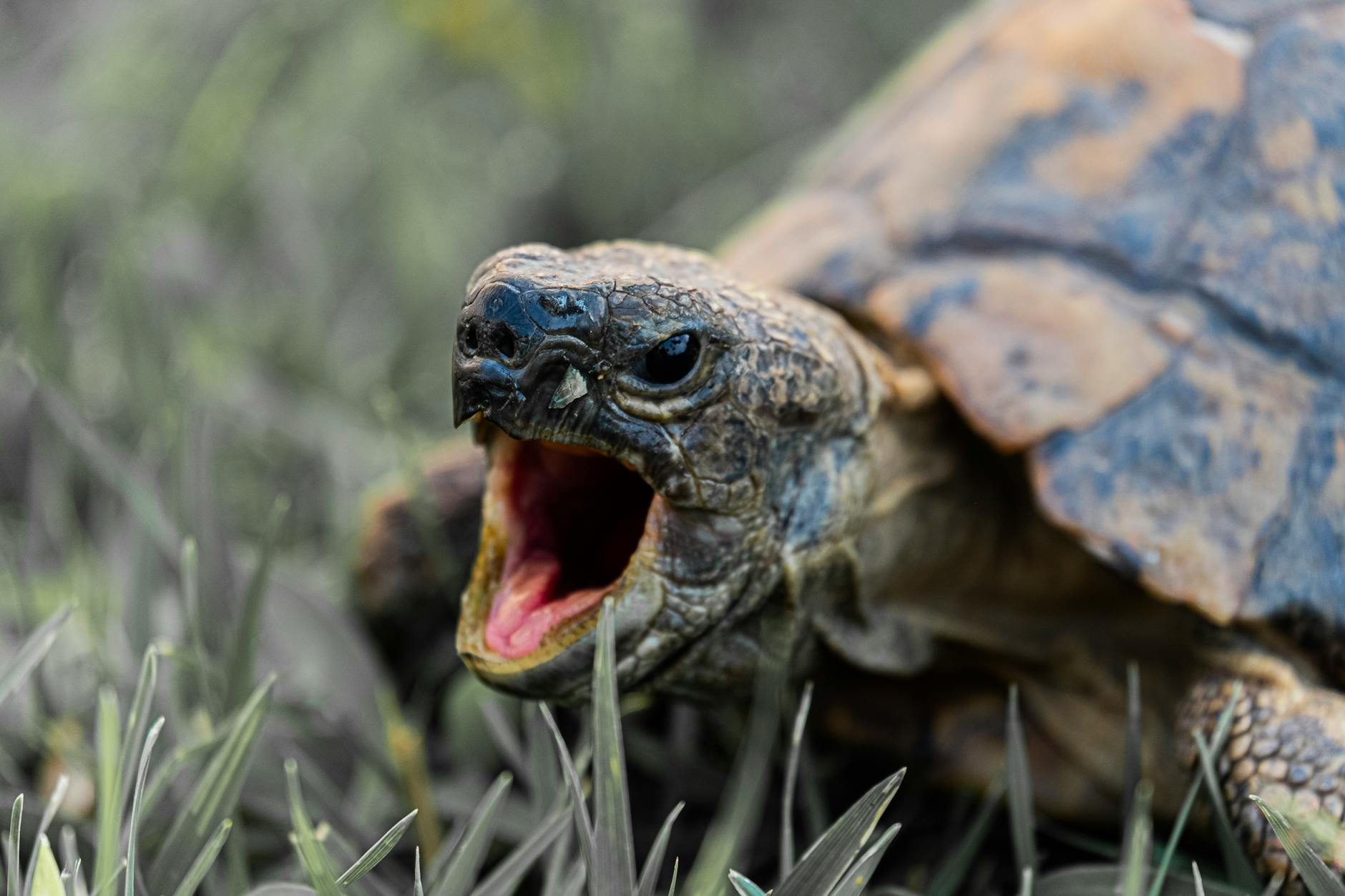
Understanding why your turtle is exhibiting a loss of appetite or avoiding its aquatic habitat is paramount to its health and survival. As reptiles, turtles are highly sensitive to their environment, and changes, even subtle ones, can significantly impact their behavior and appetite. Addressing this issue requires a comprehensive approach, examining everything from water temperature and basking conditions to potential underlying medical concerns.
Understanding Turtle Behavior and Preferences
Before delving into the potential problems, it’s crucial to understand the basics of turtle behavior. Turtles, especially those commonly kept as pets, like red-eared sliders and painted turtles, have specific needs regarding their environment and diet. They are not as active as mammals and often display subtle signs of distress or illness.
- Basking: Turtles are ectothermic (cold-blooded) and rely on external heat sources to regulate their body temperature. Basking is essential for proper digestion and overall health.
- Diet: A balanced diet is crucial, comprising commercial turtle pellets, leafy greens, and occasional protein sources like insects or small fish.
- Water Quality: Clean, dechlorinated water is essential for swimming, hydration, and waste elimination.
What do I do with a lost baby turtle?
What saltwater fish eat earthworms?
What is the best turtle to have as a pet in Australia?
Can fish hold their breath out of water?
Environmental Factors: The Primary Suspect

Environmental factors are often the primary culprits why your turtle won’t eat or go in the water. Even minor deviations from optimal conditions can significantly impact a turtle’s well-being.
- Water Temperature: Too cold, and your turtle’s metabolism slows down, reducing appetite and activity. Aim for 75-80°F (24-27°C) for most aquatic turtles.
- Basking Temperature: Basking areas should be warmer, around 85-95°F (29-35°C), allowing the turtle to properly digest food and absorb vital nutrients.
- Water Quality: Poor water quality, with high levels of ammonia or nitrates, can cause irritation and illness, leading to a loss of appetite and aversion to the water. Regular water changes and a strong filter are essential.
- Tank Size: An overcrowded tank can cause stress, leading to behavioral changes and reduced appetite. Provide ample space for swimming and basking.
Illnesses That Can Cause Refusal to Eat or Swim
Several illnesses can manifest as a loss of appetite and avoidance of water in turtles. It is important to consult a veterinarian specializing in reptiles for proper diagnosis and treatment.
- Respiratory Infections: Symptoms include wheezing, nasal discharge, and lethargy. These infections can make it difficult for turtles to breathe, impacting their appetite and willingness to swim.
- Shell Rot: This bacterial or fungal infection can cause shell damage and discomfort, leading to reduced activity and appetite. Proper tank hygiene and dry docking may be necessary.
- Vitamin Deficiencies: Vitamin A deficiency, for example, can cause swollen eyelids and respiratory problems, impacting appetite and overall health.
- Parasites: Internal parasites can disrupt digestion and nutrient absorption, leading to weight loss and a loss of appetite.
Stress and Behavioral Factors
Stress can also play a significant role in a turtle’s unwillingness to eat or swim.
- New Environment: Moving to a new tank or home can be stressful for turtles. Allow them time to adjust to their surroundings.
- Aggressive Tank Mates: If you have multiple turtles in the same tank, ensure there is no aggression. Dominant turtles may prevent subordinate turtles from accessing food or basking areas.
- Handling: Excessive handling can cause stress. Limit handling to necessary interactions, such as tank cleaning or veterinary visits.
Diagnostic Tools and Veterinary Intervention
When your turtle persistently refuses to eat or swim, it’s vital to seek professional veterinary help.
- Physical Examination: A veterinarian will perform a thorough physical examination to check for signs of illness or injury.
- Fecal Exam: A fecal sample can help identify internal parasites.
- Blood Tests: Blood tests can provide valuable information about organ function and overall health.
- Radiographs (X-rays): X-rays can help detect respiratory infections or other internal problems.
Table: Common Causes of Appetite Loss and Water Avoidance in Turtles
| Cause | Symptoms | Solutions |
|---|---|---|
| Low Water Temperature | Lethargy, inactivity, reduced appetite | Increase water temperature to 75-80°F (24-27°C) using a submersible heater. |
| Inadequate Basking | Reduced appetite, difficulty digesting food | Ensure a basking area with a temperature of 85-95°F (29-35°C) and provide a UVB/UVA lamp. |
| Poor Water Quality | Cloudy water, foul odor, skin or shell irritation | Perform regular water changes, install a high-quality filter, and avoid overfeeding. |
| Respiratory Infection | Wheezing, nasal discharge, lethargy | Consult a veterinarian for antibiotic treatment. Maintain proper temperature and humidity levels. |
| Shell Rot | Soft or discolored patches on the shell | Consult a veterinarian for treatment. Dry dock the turtle and maintain a clean and dry basking area. |
| Vitamin Deficiency | Swollen eyelids, respiratory problems, lethargy | Supplement the diet with a multivitamin and ensure a balanced diet rich in vitamins and minerals. |
| Parasites | Weight loss, diarrhea, lethargy | Consult a veterinarian for antiparasitic medication and follow proper hygiene practices. |
| Stress | Hiding, reduced activity, aggression (if housed with other turtles) | Provide a secure and stimulating environment, minimize handling, and separate aggressive tank mates. |
FAQs: Deeper Insights into Turtle Appetite and Aquatic Behavior
Why won’t my baby turtle eat or go in the water?
Baby turtles are especially sensitive to environmental conditions. Ensure the water temperature is within the optimal range (slightly warmer than for adult turtles, around 80-82°F). Baby turtles also require a varied diet and may be picky eaters initially. Try offering small pieces of different foods to see what they prefer. Stress from handling can also deter baby turtles from eating or swimming.
How long can a turtle go without eating before it’s a serious problem?
Generally, an adult turtle can survive a few weeks without eating, but this is not ideal and indicates an underlying issue. A young turtle will be affected much sooner. After a week, seek veterinary advice if it shows other symptoms. Prolonged fasting can lead to malnutrition and other health problems.
What are the signs of a respiratory infection in turtles?
Signs of a respiratory infection include wheezing, nasal discharge, open-mouthed breathing, and lethargy. The turtle may also hold its head at an odd angle. These infections are serious and require immediate veterinary attention.
Is my turtle hibernating if it’s not eating or moving much?
Hibernation (or brumation, as it’s called in reptiles) is a natural process for some turtle species, particularly in colder climates. However, indoor turtles are unlikely to hibernate if the temperature is kept consistent. If your turtle is showing signs of inactivity and refusing to eat, it’s more likely due to illness or poor environmental conditions than hibernation. Consult a veterinarian.
Can too much protein in a turtle’s diet cause them to stop eating?
An unbalanced diet can contribute to health problems and a loss of appetite. While protein is important, too much can strain the kidneys. Ensure your turtle’s diet consists of a balanced mix of commercial turtle pellets, leafy greens, and occasional protein sources.
What is shell rot, and how does it affect a turtle’s appetite?
Shell rot is a bacterial or fungal infection that affects the shell, causing lesions and discomfort. This can lead to a loss of appetite and reduced activity. Maintaining a clean and dry basking area and proper water quality is crucial in preventing shell rot.
Why does my turtle only eat one type of food?
Turtles can be picky eaters, especially if they have been fed only one type of food for an extended period. Gradually introduce new foods into their diet by mixing them with their preferred food. Patience is key.
How often should I change the water in my turtle’s tank?
Water changes depend on the size of the tank and the effectiveness of the filter. A good rule of thumb is to change 25-50% of the water weekly. If the water becomes cloudy or has a foul odor, more frequent changes are necessary.
What is the ideal basking temperature for my turtle?
The ideal basking temperature for most aquatic turtles is 85-95°F (29-35°C). Use a thermometer to monitor the temperature and adjust the heat source accordingly.
How can I tell if my turtle is stressed?
Signs of stress in turtles include hiding, reduced activity, refusal to eat, and aggression (if housed with other turtles). Provide a secure and stimulating environment and minimize unnecessary handling to reduce stress.
What kind of lighting does my turtle need?
Turtles need both UVA and UVB lighting. UVB lighting is essential for vitamin D3 synthesis, which is crucial for calcium absorption and bone health. UVA lighting promotes natural behavior. Replace UVB bulbs every 6-12 months, as their effectiveness decreases over time.
Can I leave my turtle outside to get natural sunlight?
While natural sunlight is beneficial, always supervise your turtle when it is outside. Provide a shaded area to prevent overheating, and ensure the enclosure is secure to prevent escape or predation.