

Why Won’t My Dying Cat Eat? Understanding and Addressing Loss of Appetite
A dying cat refusing food is often a sign of underlying illness, pain, or decreased metabolic needs. Identifying and addressing the cause, even when a cure isn’t possible, can significantly improve your cat’s comfort and potentially encourage some level of eating.

Understanding Anorexia in Senior and Dying Cats
A cat’s appetite provides essential insights into its health. When a cat, especially a senior one nearing the end of its life, stops eating, it’s a cause for serious concern. This condition, known as anorexia, can stem from various factors, and understanding the root cause is vital for providing appropriate care and comfort. Understanding why won’t my dying cat eat requires considering both physical and emotional influences.
Physical Causes of Appetite Loss
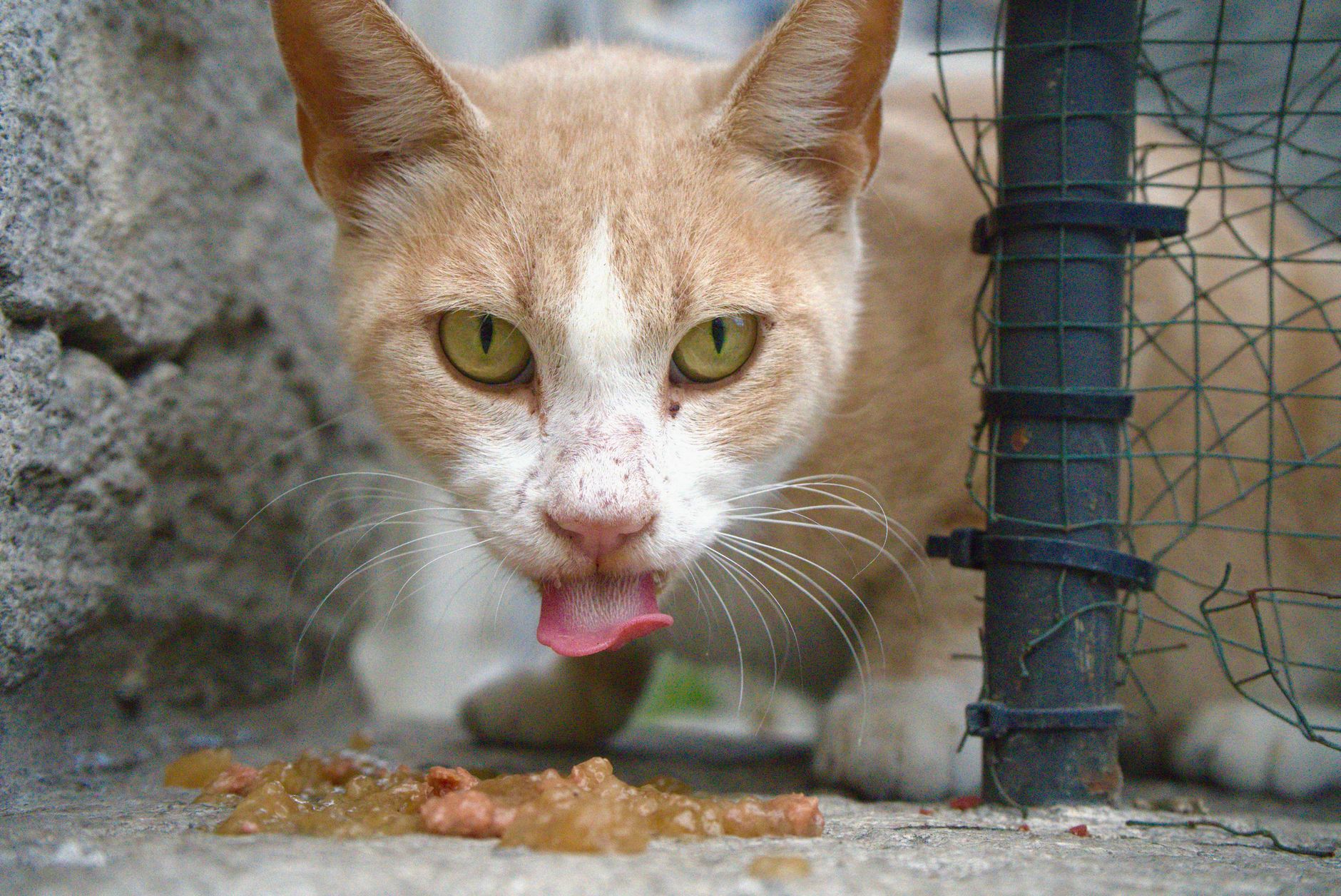
Several physical ailments can lead to a loss of appetite in dying cats. These conditions can directly impact their ability or desire to eat.
- Organ Failure: Kidney disease and liver failure are common in older cats and significantly impact appetite. These organs play crucial roles in detoxification, and their dysfunction leads to toxin buildup and nausea.
- Pain: Chronic pain from arthritis, cancer, or other conditions can make it uncomfortable for a cat to eat. Even something as simple as bending down to reach a food bowl can become excruciating.
- Dental Issues: Dental disease, including gum inflammation, tooth decay, or oral tumors, can make eating painful and deter a cat from consuming food.
- Gastrointestinal Problems: Inflammatory bowel disease (IBD), pancreatitis, and other GI disorders can cause nausea, vomiting, and diarrhea, leading to a decreased appetite.
- Cancer: Various forms of cancer can directly affect appetite, either through the disease itself or through the side effects of treatment.
Emotional and Environmental Factors
Physical health isn’t the only thing influencing a cat’s appetite. Environmental stressors and emotional distress can also play a significant role.
- Stress and Anxiety: Changes in the environment, such as moving to a new home, introducing a new pet, or loud noises, can cause stress and anxiety that suppress appetite.
- Loss of Senses: As cats age, their sense of smell and taste may decline, making food less appealing.
- Medications: Some medications can have side effects that lead to nausea or decreased appetite.
- Association with Negative Experiences: If a cat associates eating with a negative experience, such as being given medication or experiencing pain immediately after eating, it may develop an aversion to food.
- Routine Changes: Changes in feeding times, food consistency, or even the location of the food bowl can disrupt a cat’s eating habits.
Diagnostic Approaches
Identifying why won’t my dying cat eat requires a thorough veterinary examination.
- Physical Examination: A comprehensive physical examination can help identify obvious signs of illness or pain.
- Blood Tests: Blood tests can assess organ function, detect inflammation, and rule out certain infections.
- Urine Analysis: A urine analysis provides information about kidney function and can detect urinary tract infections.
- Fecal Examination: A fecal examination can identify parasites or bacterial imbalances in the gastrointestinal tract.
- Imaging: X-rays or ultrasound can help visualize internal organs and detect tumors or other abnormalities.
- Dental Examination: A thorough dental examination, often performed under anesthesia, can identify dental disease.
Strategies to Encourage Eating
Even when the underlying cause can’t be completely resolved, several strategies can encourage a dying cat to eat and improve its quality of life.
- Offer palatable foods: Warm up food slightly to enhance its aroma. Offer a variety of flavors and textures to find something appealing. Consider baby food (meat-based, no onion or garlic), canned tuna in water, or cooked chicken or fish.
- Provide soft food: Softer foods are easier to eat, especially if the cat has dental problems.
- Hand-feeding: Hand-feeding can provide comfort and encourage the cat to eat.
- Medications: Your veterinarian may prescribe medications to stimulate appetite or reduce nausea.
- Reduce stress: Create a calm and quiet environment for your cat.
- Elevate food bowl: Raising the food bowl can make it easier for cats with arthritis or neck pain to eat.
- Warmth and Comfort: Ensure your cat is warm and comfortable.
The Importance of Comfort and Palliative Care
When a cat is dying, the primary focus shifts to providing comfort and palliative care. This includes managing pain, controlling nausea, and ensuring the cat is as comfortable as possible. It’s important to remember that forcing a dying cat to eat against its will can cause more distress than benefit. The goal is to provide the best possible quality of life for the time remaining.
Knowing When to Say Goodbye
Deciding when to euthanize a beloved pet is one of the most difficult decisions a pet owner faces. If your cat’s quality of life is significantly compromised and they are no longer responding to treatment or showing any interest in eating, it may be time to consider euthanasia. Consult with your veterinarian to discuss your cat’s condition and make the best decision for their well-being. Remember, why won’t my dying cat eat can be a sign of significant suffering.

Frequently Asked Questions (FAQs)
What are the first signs that my cat is dying?
Loss of appetite is often one of the first signs, but other signs include lethargy, hiding, changes in breathing patterns, incontinence, and decreased grooming. These signs, particularly when combined, suggest your cat’s health is rapidly declining.
Should I force-feed my dying cat?
Generally, force-feeding a dying cat is not recommended unless specifically advised by your veterinarian. It can cause stress and discomfort. Focus on providing comfort and addressing underlying issues causing the anorexia.
How long can a cat live without eating?
Cats can only survive for a few days without food before serious health complications arise. The exact time depends on the cat’s overall health and hydration status. It’s crucial to address the lack of appetite promptly.
What are some appetite stimulants for cats?
Several medications can stimulate appetite in cats, including mirtazapine and cyproheptadine. These medications should only be used under the guidance of a veterinarian.
How can I tell if my cat is in pain?
Signs of pain in cats can be subtle. Look for changes in behavior, such as hiding, decreased grooming, reluctance to move, aggression when touched, and changes in vocalization. Consult with your vet about pain management options.
Can dehydration cause loss of appetite in cats?
Yes, dehydration can contribute to loss of appetite in cats. Ensure your cat has access to fresh water and consider offering fluids through a syringe if they are not drinking on their own. Subcutaneous fluids administered by your veterinarian can also be beneficial.
Is it normal for a dying cat to lose weight?
Yes, weight loss is a common symptom in dying cats. Reduced appetite and increased metabolic demands due to illness contribute to muscle wasting. Weight loss itself is a symptom of underlying disease processes.
What kind of food is best for a sick cat who won’t eat?
Highly palatable, easily digestible foods are best. Options include warmed-up canned food, baby food (meat-based, no onion or garlic), or cooked chicken or fish. Focus on small, frequent feedings.
How can I make my cat’s last days more comfortable?
Provide a warm, comfortable bed, a quiet environment, and plenty of attention. Manage pain and nausea with medications prescribed by your veterinarian. Focus on creating a loving and supportive environment.
What are the ethical considerations regarding feeding a dying cat?
The ethical considerations involve balancing the cat’s comfort and well-being with the desire to prolong its life. If the cat is suffering and forcing food causes distress, it may be more ethical to prioritize comfort and consider euthanasia.
What are the alternatives to traditional feeding for a dying cat?
If a cat cannot eat on its own, alternatives such as appetite stimulants, anti-nausea medications, and subcutaneous fluids can help maintain hydration and comfort. In some cases, a feeding tube may be considered, but this should be weighed against the cat’s overall prognosis and quality of life. Discuss all options thoroughly with your veterinarian.
How do I cope with the grief of my cat’s impending death?
Grief is a natural response to the loss of a beloved pet. Allow yourself to feel your emotions, seek support from friends, family, or a pet loss support group, and focus on cherishing the memories you shared with your cat. Remembering the good times can offer solace during this difficult time. Why won’t my dying cat eat? Understanding the answer can ultimately help you provide the best care possible in their final days.