
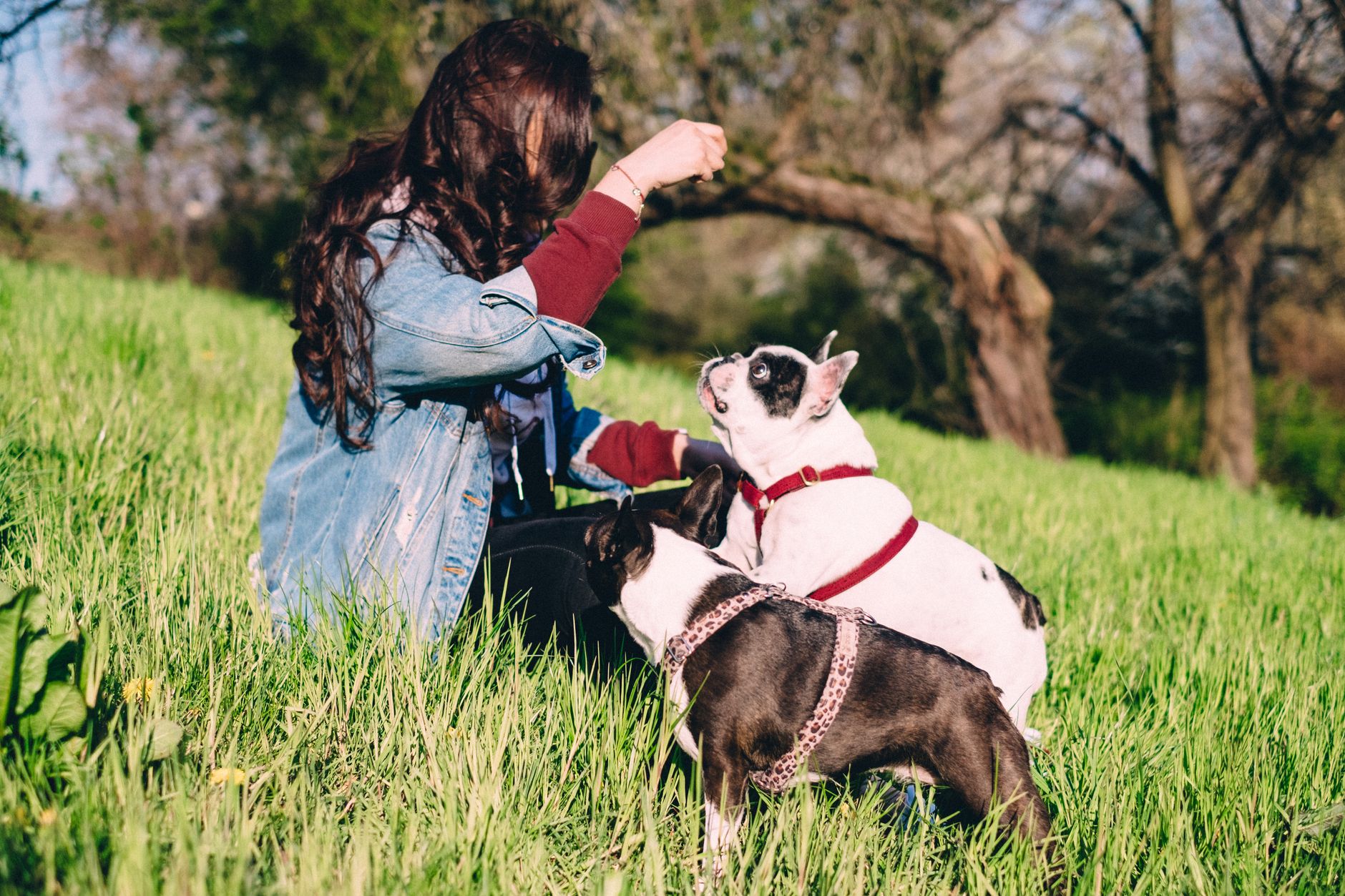
Can a “Bad” Dog Really Be Trained? Unlocking Canine Potential
Yes, even seemingly “bad” dogs can be trained with the right approach, patience, and consistency. Effective training can significantly improve behavior and strengthen the bond between dog and owner.

Understanding the “Bad” Dog Label
The term “bad dog” is subjective and often misleading. It’s crucial to understand that dogs aren’t inherently bad. Instead, problematic behaviors typically stem from:
- Lack of training: Many dogs exhibit unwanted behaviors simply because they haven’t been properly taught what is acceptable.
- Insufficient socialization: Fear and aggression often arise from inadequate exposure to different people, animals, and environments during critical developmental periods.
- Underlying medical conditions: Sometimes, behavioral changes indicate an undiagnosed health issue that needs veterinary attention.
- Environmental factors: Stressful or unstable home environments can contribute to anxiety and behavioral problems.
- Breed-specific predispositions: Certain breeds are naturally more prone to specific behaviors (e.g., herding breeds nipping at heels).
Misinterpreting a dog’s behavior can exacerbate the issue. Punitive methods, for example, are generally ineffective and can even worsen aggression or anxiety. A proactive and empathetic approach is key to successful training.
The Benefits of Training a “Bad” Dog

Despite the challenges, training a dog labeled as “bad” offers significant rewards:
- Improved safety: Addressing aggressive or reactive behaviors reduces the risk of bites or other dangerous incidents.
- Strengthened bond: Training fosters communication and mutual understanding between dog and owner.
- Enhanced quality of life: A well-behaved dog can participate more fully in family activities and enjoy greater freedom.
- Reduced stress: Managing problematic behaviors reduces stress for both the dog and the owner.
- Preventing relinquishment: Many dogs are surrendered to shelters due to behavioral issues, so training can literally save a dog’s life.
The Training Process: A Step-by-Step Approach
Training a “bad” dog requires a structured and patient approach. Here’s a suggested roadmap:
- Consult with a veterinarian: Rule out any underlying medical conditions contributing to the behavior.
- Hire a qualified professional: Seek guidance from a certified professional dog trainer or veterinary behaviorist experienced in addressing complex behavioral issues.
- Behavioral assessment: A thorough evaluation will identify the root causes of the problematic behaviors and tailor the training plan accordingly.
- Develop a personalized training plan: This plan should outline specific goals, training techniques, and management strategies.
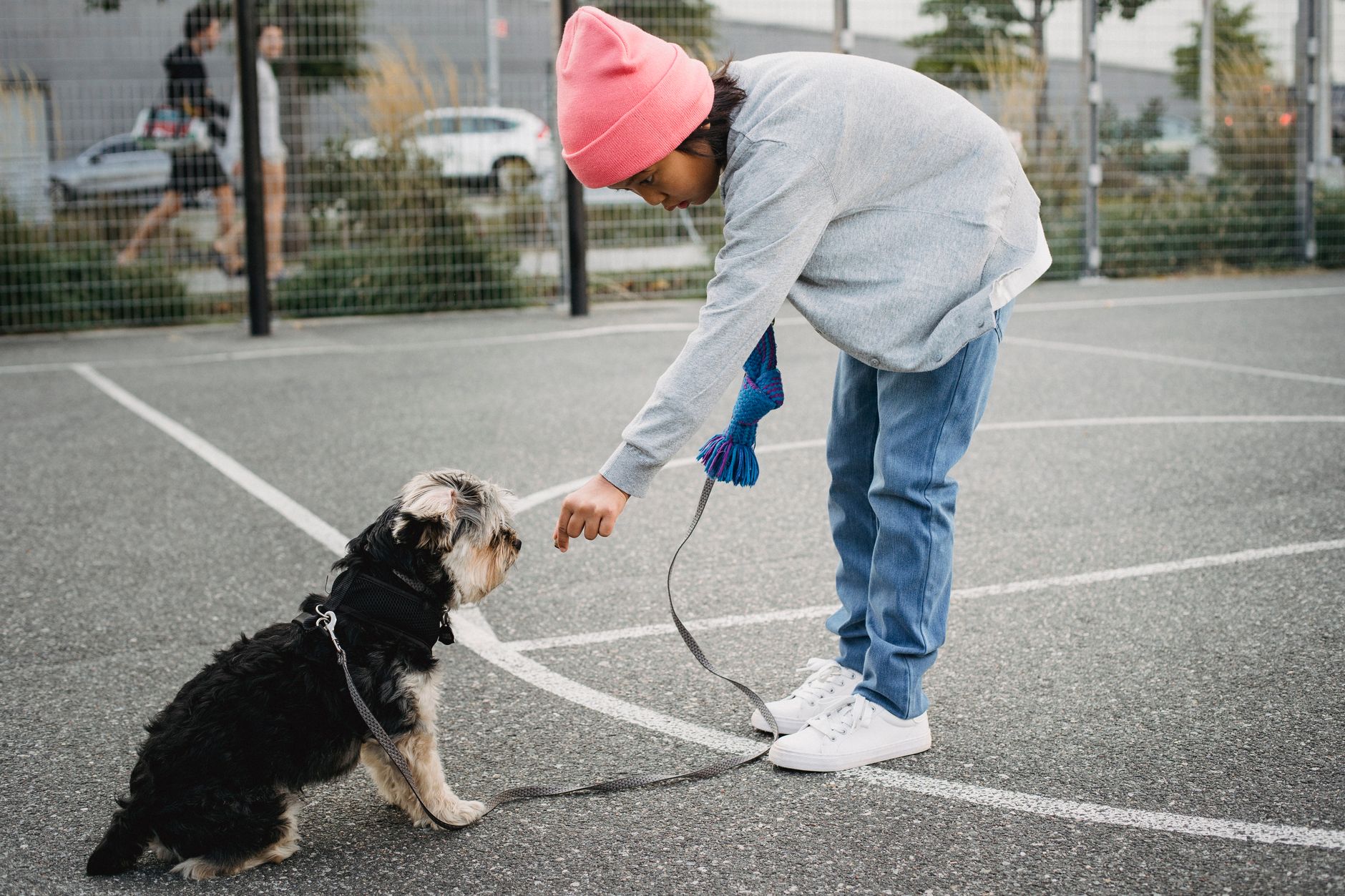
- Positive reinforcement methods: Focus on rewarding desired behaviors with treats, praise, or toys. Avoid punishment-based techniques.
- Consistent training sessions: Short, frequent training sessions (5-10 minutes) are more effective than longer, infrequent ones.
- Generalization: Once the dog reliably performs the desired behaviors in a controlled environment, gradually introduce distractions and practice in different settings.
- Ongoing maintenance: Regularly reinforce learned behaviors to prevent regression.
Common Mistakes to Avoid
- Punishment: Using punishment can create fear and anxiety, worsening behavioral problems.
- Inconsistency: Inconsistent rules and expectations confuse the dog and hinder progress.
- Lack of patience: Training takes time and effort. Don’t get discouraged by setbacks.
- Ignoring underlying medical issues: Medical problems can manifest as behavioral changes.
- Failing to seek professional help: Complex behavioral issues often require the expertise of a qualified professional.
- Expecting overnight results: Behaviour modification is a gradual process.
Key Training Techniques
Various techniques are used to rehabilitate dogs with behavioral issues. The trainer you choose should have extensive knowledge of these techniques and customize them for your situation. Some common approaches include:
- Counter-conditioning: Changing the dog’s emotional response to a trigger (e.g., associating the presence of strangers with positive reinforcement).
- Desensitization: Gradually exposing the dog to the trigger at a low intensity, slowly increasing the intensity as the dog remains calm.
- Classical conditioning: Associating a neutral stimulus with a positive or negative outcome.
- Operant conditioning: Using rewards and consequences to shape behavior.
The right approach is not one-size-fits-all, but all effective approaches share certain traits:
- Focus on positive reinforcement.
- Are tailored to the individual dog and their needs.
- Are consistent and predictable.
- Are safe for both the dog and the handler.
Understanding Aggression
Aggression is a complex behavior with various underlying causes, including fear, anxiety, territoriality, and pain. It’s crucial to identify the specific triggers for the aggression to develop an effective training plan. Addressing aggression requires the guidance of an experienced professional and may involve behavior modification techniques, medication, or management strategies. Never attempt to handle aggression on your own without professional guidance.
| Type of Aggression | Common Triggers | Training Approaches |
|---|---|---|
| Fear Aggression | Loud noises, strangers, unfamiliar environments | Desensitization, counter-conditioning, building confidence |
| Territorial Aggression | Protecting home or resources (food, toys, owner) | Management, boundary training, resource guarding protocols |
| Pain-Induced Aggression | Physical discomfort or pain | Addressing the underlying medical condition, pain management |
| Possessive Aggression | Protecting food or toys | Desensitization, trading exercises, management |
Can a Bad Dog Be Trained? The Long-Term Outlook
While many dogs can be successfully trained, it’s essential to have realistic expectations. The extent of improvement will depend on various factors, including the severity of the behavioral issues, the dog’s temperament, the owner’s commitment to training, and the expertise of the professional involved. Complete eradication of all unwanted behaviors may not always be possible, but significant improvements in safety, quality of life, and the bond between dog and owner are often achievable. Some dogs with deeply ingrained behavioural issues that have been developing for years may only improve to the point of being manageable, not cured.
Frequently Asked Questions (FAQs)
What is the most important thing to consider when training a “bad” dog?
The most important thing is safety. Never put yourself or others in harm’s way when working with a dog exhibiting aggression or other dangerous behaviors. Always seek guidance from a qualified professional and follow their instructions carefully.
How long does it take to train a “bad” dog?
There’s no one-size-fits-all answer. Training time varies depending on the severity of the behavioral issues, the dog’s temperament, and the owner’s consistency with training. Some improvements may be noticeable within weeks, while more complex issues may require months or even years of ongoing effort.
Is it ever too late to train a “bad” dog?
While it’s generally easier to train younger dogs, older dogs can still learn. It may take more time and patience, but with the right approach, positive results are possible at any age.
What is the difference between a dog trainer and a veterinary behaviorist?
A dog trainer focuses on teaching basic obedience commands and addressing common behavioral problems. A veterinary behaviorist is a veterinarian with specialized training in animal behavior, who can diagnose and treat underlying medical or psychological conditions contributing to behavioral issues. Complex behavioral problems, especially those involving aggression, should be addressed by a veterinary behaviorist.
What are some signs that a dog trainer is not qualified?
Signs of an unqualified dog trainer include: using punishment-based methods, promising unrealistic results, lacking proper certifications or experience, and failing to conduct a thorough behavioral assessment. A good trainer prioritizes safety and offers realistic expectations.
My dog is aggressive towards strangers. Can this be fixed?
Aggression towards strangers is a serious issue that requires professional help. While it may not be possible to completely eliminate the aggression, effective training can significantly reduce the risk of bites and improve the dog’s overall behavior. Management strategies, such as avoiding situations that trigger the aggression, are also crucial.
What is counter-conditioning and how does it work?
Counter-conditioning involves changing a dog’s emotional response to a trigger (e.g., associating the presence of strangers with positive reinforcement). By pairing the trigger with something positive, the dog gradually learns to associate it with good things rather than fear or anxiety.
My dog is destructive when left alone. Is this something that can be trained?
Destructive behavior when left alone, also known as separation anxiety, is a common issue that can often be addressed through training and management. Techniques like crate training, providing puzzle toys, and desensitization exercises can help reduce anxiety. In some cases, medication may be necessary.
What is the role of medication in behavior modification?
Medication can be a valuable tool in behavior modification, particularly for dogs with anxiety or other underlying mental health conditions. Medications can help reduce anxiety levels, making the dog more receptive to training. However, medication should always be used in conjunction with behavioral training, not as a standalone solution.
How important is consistency in training?
Consistency is absolutely crucial for successful dog training. Everyone in the household should use the same commands, rules, and training techniques. Inconsistency confuses the dog and hinders progress.
Can a “bad” dog become a therapy dog?
While it may be possible for some dogs with previous behavioral issues to become therapy dogs, it requires extensive training and temperament testing. The dog must be reliably calm, friendly, and well-behaved in a variety of situations. The dog’s history will be a very important factor when evaluating this possibility.
What should I do if I am afraid of my dog?
If you are afraid of your dog, it’s essential to seek professional help immediately. A veterinary behaviorist or qualified dog trainer can assess the situation, identify the underlying causes of the fear, and develop a plan to improve the relationship and ensure your safety. Never attempt to handle a potentially dangerous dog on your own.