

Why Won’t My Betta Leave the Top of the Tank? Understanding and Addressing Surface-Dwelling Behavior
Is your betta spending all its time near the surface? A betta staying at the top of the tank indicates a potential problem; the most common culprits are poor water quality or difficulty breathing, though other factors like stress, illness, or physical limitations could also be to blame. Determining the precise cause is crucial for your betta’s well-being.

Understanding Betta Behavior
Bettas, also known as Siamese Fighting Fish, are fascinating creatures with specific needs. They are labyrinth fish, possessing a special organ that allows them to breathe air from the surface. This adaptation is invaluable in their natural, oxygen-poor environments. However, it doesn’t mean they should always be at the top of the tank. Understanding the normal behavior of a healthy betta is key to identifying when something is amiss.
Common Reasons for Surface Dwelling
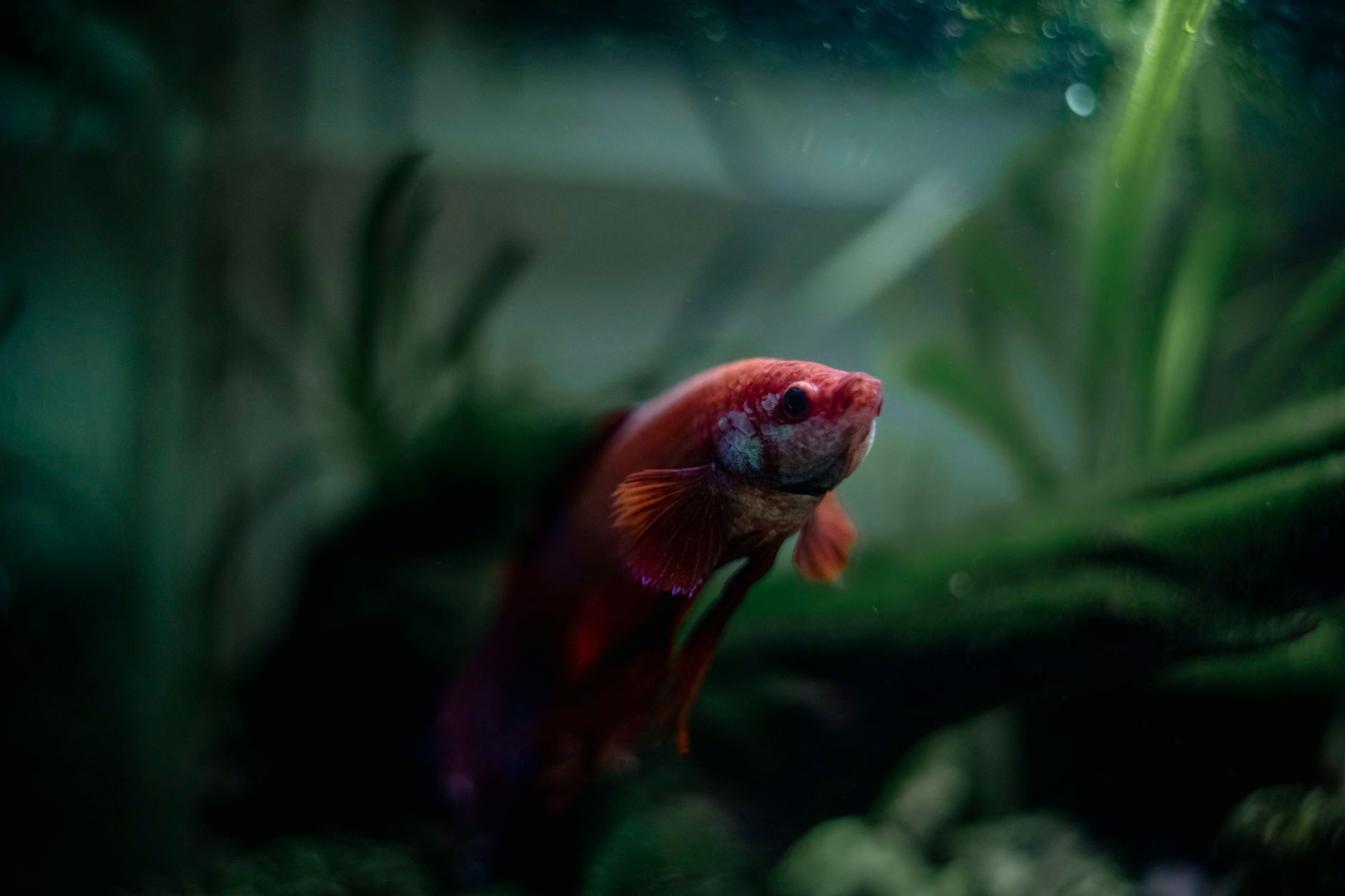
Several factors can contribute to a betta’s persistent surface dwelling. Correctly diagnosing the cause is essential for providing appropriate care.
- Poor Water Quality: This is the most frequent culprit. High levels of ammonia, nitrites, or nitrates irritate the betta’s gills and make it difficult for them to breathe, forcing them to the surface. Regular water changes and proper filtration are crucial.
- Low Oxygen Levels: While bettas can breathe surface air, they still need dissolved oxygen in the water. Insufficient aeration can lead to them spending more time at the top.
- Water Temperature: Inappropriate water temperatures (too cold or too hot) can stress a betta and affect its ability to regulate its breathing, causing it to spend more time near the surface. Bettas thrive in temperatures between 78-82°F (25-28°C).
- Illness: Certain diseases, such as swim bladder disorder, can impair a betta’s ability to swim properly, leading to them remaining near the surface.
- Stress: Stress from tankmates, changes in the environment, or poor living conditions can cause a betta to exhibit unusual behaviors, including surface dwelling.
- Physical Limitations: Older bettas, or those with physical deformities, may find it difficult to swim to lower levels of the tank. They might stay at the top simply because it requires less effort.
- Overfeeding: Overfeeding can lead to bloating and swim bladder issues, forcing the betta to the surface.
Diagnosing the Problem
Carefully observe your betta’s behavior and tank conditions. Ask yourself:
- Is the fish gasping at the surface?
- Are there any visible signs of illness, such as fin rot or bloating?
- What are the current water parameters (ammonia, nitrite, nitrate, pH)?
- Is the water temperature within the ideal range?
- Have there been any recent changes to the tank environment?
- Is there adequate filtration and aeration?
Solutions and Preventative Measures
Addressing the underlying cause is crucial for resolving the issue.
- Improve Water Quality: Perform regular water changes (25-50% weekly). Test the water regularly and ensure the filter is functioning correctly. Use a water conditioner to remove chlorine and chloramine.
- Increase Oxygen Levels: Add an air stone or increase surface agitation to improve oxygenation.
- Adjust Water Temperature: Use a heater to maintain the water temperature within the ideal range.
- Treat Illness: If you suspect illness, consult with a veterinarian experienced in fish care. Isolate the affected fish in a quarantine tank.
- Reduce Stress: Provide plenty of hiding places and ensure a peaceful environment. Avoid sudden changes to the tank.
- Proper Feeding: Avoid overfeeding. Feed your betta a balanced diet in appropriate portions.
- Tank Size: Ensure your betta is housed in a sufficiently large tank. A minimum of 5 gallons is recommended.
Maintaining a Healthy Betta Environment
Preventative care is the best approach to ensure your betta’s well-being.
- Regular Water Changes: Consistent water changes are crucial for maintaining good water quality.
- Proper Filtration: Choose a filter appropriate for the size of your tank.
- Adequate Heating: Maintain the water temperature within the ideal range.
- Balanced Diet: Feed your betta a high-quality, balanced diet.
- Tank Enrichment: Provide plenty of hiding places and decorations.
- Regular Observation: Observe your betta daily for any signs of illness or unusual behavior.
Table: Troubleshooting Surface Dwelling
| Symptom | Possible Cause(s) | Solution(s) |
|---|---|---|
| :—————————————— | :———————————————— | :——————————————————————————– |
| Gasping at the surface, lethargy | Poor water quality, low oxygen levels | Water change, improve filtration, add air stone |
| Visible signs of illness (fin rot, bloating) | Illness | Quarantine fish, consult a veterinarian, administer appropriate medication |
| Inactivity, lack of appetite | Stress, poor water quality, illness | Reduce stress, improve water quality, consult a veterinarian |
| Difficulty swimming, erratic movements | Swim bladder disorder, physical limitations | Adjust water level, provide shallow areas, improve water quality, dietary adjustments |
| Staying near heater | Water temperature too low | Adjust heater setting |
| Staying near filter intake | Strong current | Adjust filter output, add baffle to reduce current |
FAQs: Addressing Your Concerns
What are the ideal water parameters for a betta tank?
The ideal water parameters for a betta tank are: ammonia 0 ppm, nitrite 0 ppm, nitrate <20 ppm, pH between 6.5 and 7.5, and a temperature between 78-82°F (25-28°C). Maintaining these parameters is crucial for a healthy betta.
How often should I perform water changes?
You should perform water changes at least once a week, changing 25-50% of the water. More frequent water changes may be necessary if your tank is heavily stocked or if you detect high levels of ammonia or nitrite.
What type of filter is best for a betta tank?
A sponge filter or a gentle hang-on-back filter is best for a betta tank. Bettas don’t like strong currents, so avoid filters with high flow rates.
Can I use tap water for water changes?
Yes, but you must always use a water conditioner to remove chlorine and chloramine before adding tap water to your betta’s tank. These chemicals are harmful to fish.
Is it normal for my betta to sleep at the top of the tank?
While bettas sometimes rest near the surface, consistent sleeping at the top could indicate a problem. Monitor the water parameters and look for other signs of illness or stress.
Why is my betta suddenly staying at the top of the tank?
Sudden changes in behavior, including surface dwelling, often indicate a recent change in the tank environment or a developing health issue. Check the water parameters immediately and observe your betta closely for other symptoms.
What is swim bladder disorder?
Swim bladder disorder is a common ailment that affects a fish’s ability to control its buoyancy. It can be caused by overfeeding, constipation, infection, or injury.
How can I treat swim bladder disorder?
Treatment for swim bladder disorder depends on the cause. Fasting for a few days, feeding daphnia (a natural laxative), and improving water quality are common treatments. In severe cases, medication may be necessary.
Is my betta lonely? Should I get it a tankmate?
Bettas are solitary fish and are generally happiest alone. Introducing tankmates can lead to aggression and stress.
My betta seems stressed. What can I do?
Provide plenty of hiding places, maintain good water quality, and avoid sudden changes to the tank environment. Reducing stress is crucial for your betta’s well-being.
Why won’t my betta leave the top of the tank even after I changed the water?
Even after a water change, underlying issues might persist. Carefully check the water temperature, and make sure the filter is functioning well. A full water test to check for ammonia, nitrite, and nitrate spikes is crucial to ensuring complete water quality.
How can I tell if my betta is sick?
Signs of illness in bettas include: lethargy, loss of appetite, clamped fins, fin rot, bloating, white spots, and unusual swimming behavior. Early detection is key for successful treatment.