
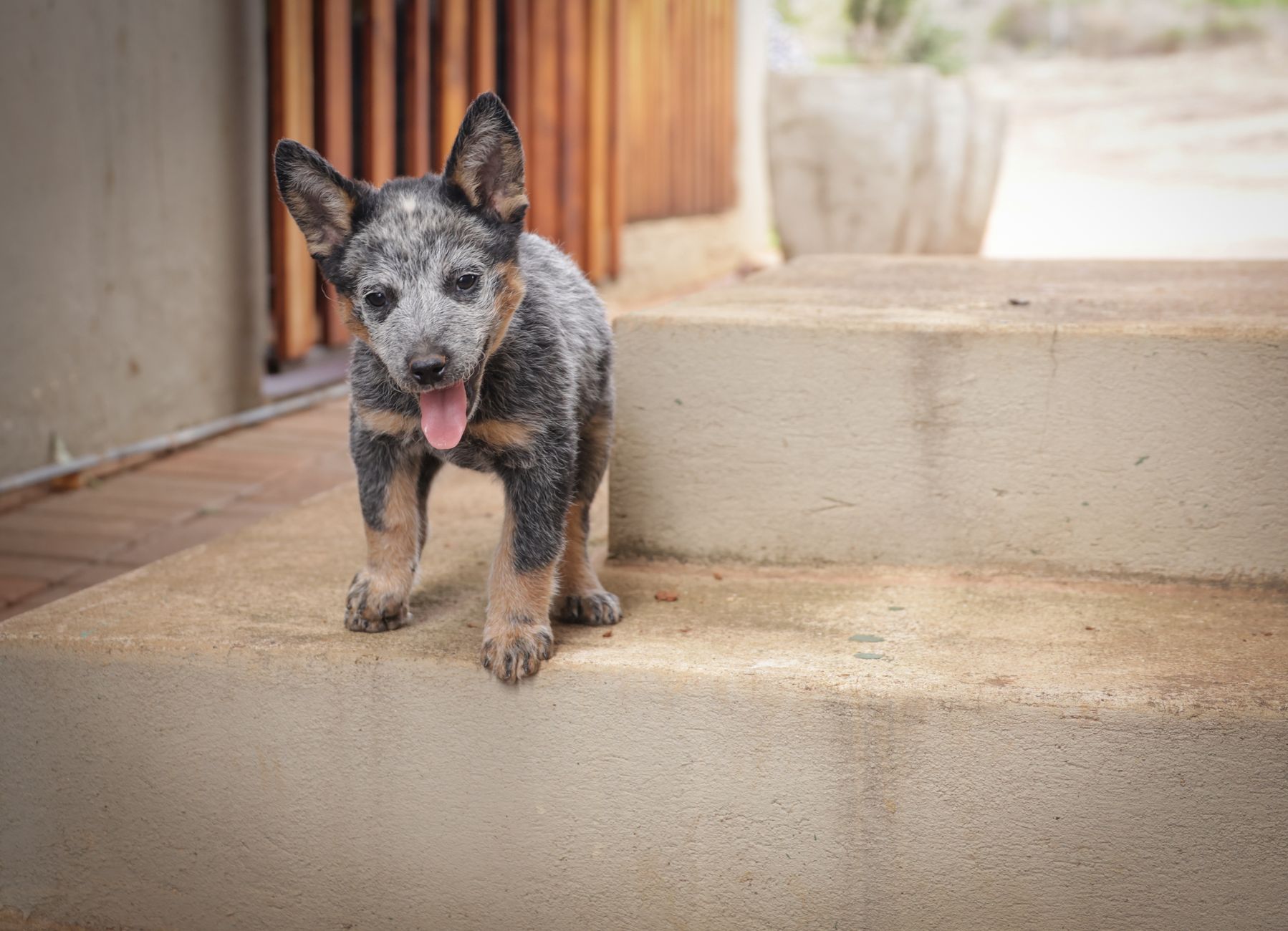
What Age is the Hardest With a Puppy?
The hardest age with a puppy is generally considered to be between four and six months, often referred to as the adolescent stage, when they are full of energy, pushing boundaries, and testing their independence. This period requires consistent training, socialization, and patience to navigate successfully.

Introduction: Navigating Puppyhood’s Challenges
Bringing a puppy into your life is a joyous occasion filled with cuddles, playtime, and unconditional love. However, it’s also a significant commitment requiring careful planning and preparation. Puppyhood isn’t always easy, and understanding the different developmental stages is crucial for navigating potential challenges. While the initial housetraining and socialization phases pose their own hurdles, many experienced dog owners agree that a particular period stands out as especially demanding. What age is the hardest with a puppy? The answer often surprises new owners: it’s not necessarily the initial weeks, but the adolescent phase.
The Adolescent Puppy: A Turbulent Time
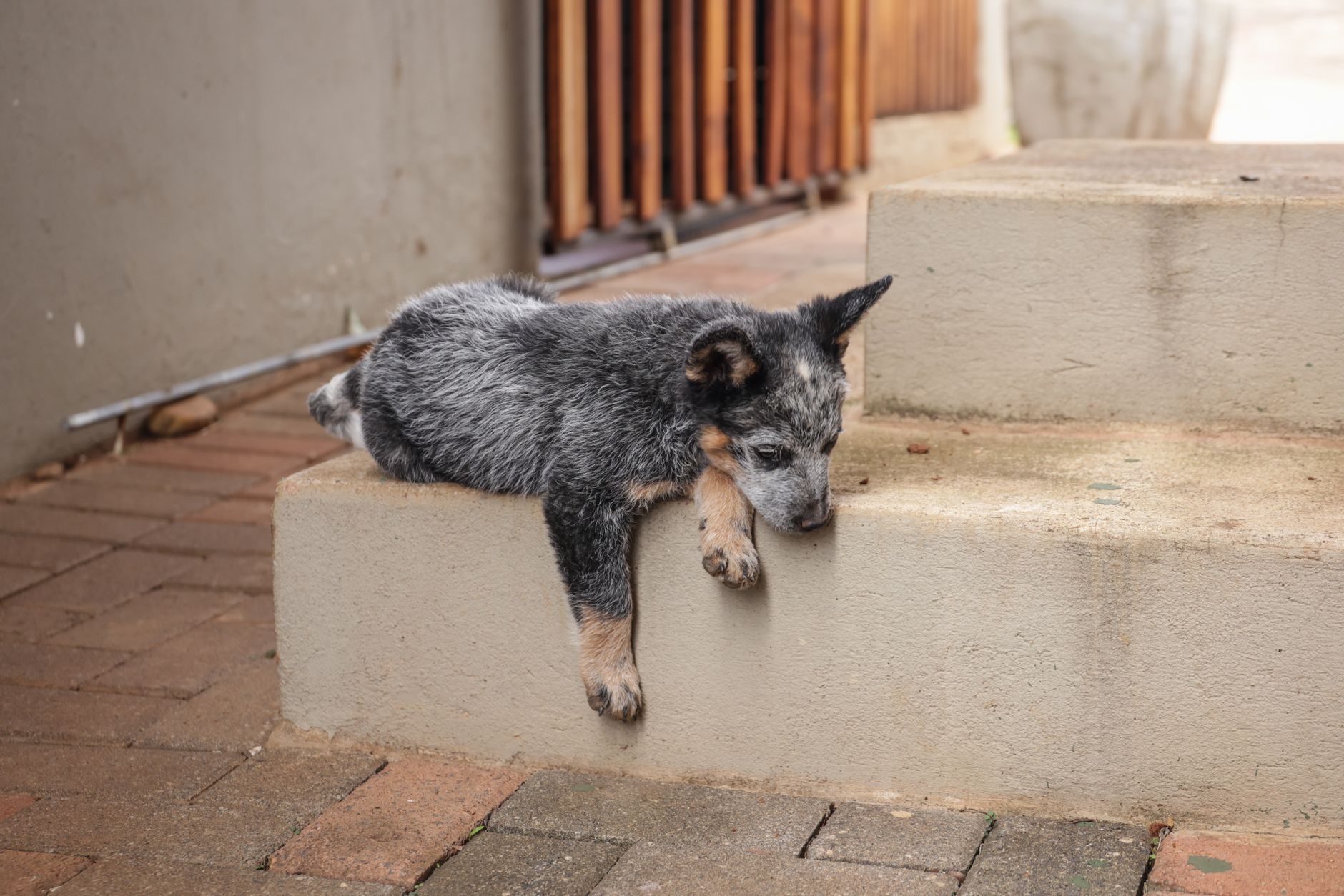
The adolescent period, generally spanning from four to six months to around twelve months or even later for some breeds, is often cited as the most challenging phase of puppyhood. This is a time of significant hormonal changes, physical growth, and increased independence, which can manifest in a variety of behaviors that test an owner’s patience and resolve.
Behavioral Changes During Adolescence
Several factors contribute to the “terrible teens” of puppyhood:
- Increased Independence: Puppies begin to assert their independence, testing boundaries and questioning established rules. Commands they previously followed reliably may suddenly be ignored.
- Increased Energy Levels: Adolescent puppies have seemingly boundless energy, requiring ample opportunities for exercise and mental stimulation.
- Destructive Behavior: Boredom and pent-up energy can lead to destructive behaviors such as chewing furniture, digging, or excessive barking.
- Fear and Reactivity: The “fear period” can re-emerge, making puppies more sensitive to new situations or noises. This can lead to increased reactivity and anxiety.
- Selective Hearing: The adolescent puppy often displays “selective hearing,” seemingly ignoring commands they previously knew.
The Importance of Consistent Training
Consistent training is absolutely vital during the adolescent phase. This is not the time to relax or become complacent. Instead, reinforce basic commands, continue socialization, and address any emerging behavioral issues promptly.
- Reinforce Basic Commands: Regularly practice sit, stay, come, and other essential commands. Use positive reinforcement methods such as treats and praise.
- Continue Socialization: Expose your puppy to a variety of people, dogs, and environments to help them develop into well-adjusted adults.
- Address Behavioral Issues: If your puppy is displaying unwanted behaviors such as excessive barking or jumping, seek professional help from a qualified dog trainer or behaviorist.
The Importance of Exercise and Mental Stimulation
Preventing boredom is crucial to minimize destructive behaviors and channel your puppy’s energy in a positive direction.
- Daily Exercise: Provide ample opportunities for physical exercise, such as walks, runs, or playtime in a fenced yard.
- Mental Stimulation: Engage your puppy’s mind with puzzle toys, training sessions, or interactive games.
- Rotate Toys: Keep your puppy interested by rotating their toys regularly.
Common Mistakes Made During Puppy Adolescence
Avoid these common pitfalls to make the hardest age with a puppy a little easier:
- Giving Up on Training: Many owners make the mistake of relaxing their training efforts during adolescence, assuming their puppy is already “trained.”
- Lack of Socialization: Failing to continue socialization can lead to fearfulness or aggression later in life.
- Inconsistent Rules: Allowing a puppy to break rules inconsistently creates confusion and undermines training efforts.
- Insufficient Exercise: Failing to provide enough exercise can lead to pent-up energy and destructive behaviors.
- Ignoring Behavioral Issues: Ignoring behavioral problems in the hope they will disappear on their own is a common mistake.
Staying Patient Through the Puppy Blues
Patience is paramount. Remember that the adolescent phase is temporary. With consistent training, socialization, and plenty of love and understanding, you can help your puppy navigate this challenging period and emerge as a well-behaved and happy adult dog.
Comparing Puppy Stages:
| Stage | Age Range (Approximate) | Key Characteristics | Primary Challenges |
|---|---|---|---|
| Neonatal | 0-2 Weeks | Dependent on mother, primarily sleeps and eats. | Requires constant maternal care; owner plays a minimal role. |
| Transitional | 2-4 Weeks | Begins to open eyes, walk, and interact with littermates. | Early socialization is crucial. |
| Socialization | 4-12 Weeks | Rapid learning and socialization. | Housetraining, basic obedience, bite inhibition; separation anxiety. |
| Juvenile/Adolescent | 4/6 – 12 Months + | Testing boundaries, increased independence, hormonal changes. | Consistent training and socialization; destructive behaviors; reactivity |
| Adulthood | 12 Months+ | Settled behavior, refined obedience. | Maintaining physical and mental health; addressing age-related issues as they arise. |

FAQs: Understanding Puppyhood’s Toughest Phase
What is the “fear period” in puppies, and how can I help my puppy through it?
The “fear period” is a stage during puppyhood, often occurring during adolescence, where puppies are more sensitive to new experiences and noises. To help your puppy through this time, avoid overwhelming them with new situations. Introduce new things gradually and use positive reinforcement to create positive associations. If your puppy seems scared or anxious, calmly reassure them and remove them from the situation.
How much exercise does an adolescent puppy need?
The amount of exercise an adolescent puppy needs varies depending on their breed, size, and energy level. Generally, they need at least 30-60 minutes of exercise per day, but some breeds may require more. This can include walks, runs, playtime in a fenced yard, or swimming. It’s vital to consult your vet regarding breed specific needs.
Why is my puppy suddenly ignoring commands they used to know?
This “selective hearing” is a common characteristic of the adolescent phase. It’s due to increased independence and testing boundaries. Maintain consistency, reinforce basic commands with positive reinforcement, and be patient. Go back to basics if needed.
Is it too late to socialize my puppy if they are already a few months old?
It’s never too late to socialize your puppy, although the earlier, the better. Focus on positive experiences and gradual exposure to new people, dogs, and environments. Consult a professional trainer for assistance if needed.
What are some good puzzle toys for puppies to keep them mentally stimulated?
There are many excellent puzzle toys available that can help keep your puppy mentally stimulated. Some popular options include treat-dispensing balls, Kong toys filled with peanut butter, and interactive puzzles that require your puppy to solve a problem to get a reward.
How do I deal with my puppy’s destructive chewing?
Destructive chewing is often a sign of boredom or anxiety. Provide plenty of appropriate chew toys, increase exercise and mental stimulation, and crate train your puppy when you can’t supervise them. If the chewing is excessive or persistent, consult with your veterinarian to rule out any underlying medical conditions.
When will my puppy finally calm down?
The adolescent phase typically lasts until a puppy is around 12-18 months old, but this can vary depending on the breed. Some breeds mature more slowly than others. With consistent training and exercise, your puppy will gradually calm down as they mature.
How can I tell if my puppy is anxious or fearful?
Signs of anxiety or fear in puppies can include panting, pacing, trembling, hiding, lip licking, yawning, and tucking their tail. If you notice these signs, try to identify the cause and remove your puppy from the situation if possible. Provide comfort and reassurance.
What is the best way to crate train a puppy?
Crate training should be a positive experience. Introduce the crate gradually, make it comfortable with bedding and toys, and feed your puppy meals inside the crate. Never use the crate as punishment.
Why does my puppy keep biting or nipping at me?
Puppy biting and nipping is a normal part of their development, but it’s important to teach them bite inhibition. Redirect their attention to a chew toy, and if they continue to bite, say “ouch” and briefly remove yourself from the situation.
Should I take my puppy to obedience classes?
Obedience classes are highly recommended for all puppies, but especially during adolescence. They provide structure, socialization, and professional guidance on training techniques.
What if my puppy is still having accidents in the house?
House-training regressions can happen, especially during adolescence due to hormones and testing boundaries. Revisit your housetraining routine: take your puppy out frequently, reward them for eliminating outside, and clean up accidents thoroughly. If accidents persist, consult with your veterinarian to rule out any medical issues. The hardest age with a puppy can test your patience. Remember, What age is the hardest with a puppy? is subjective, but with consistency and patience, your pup will get there!