

Why Does Water Have Such a Calming Effect on Us?
The calming effect of water stems from its inherent association with survival and tranquility, activating specific neurological pathways in our brains that promote relaxation and reduce stress; therefore, the answer to the question Why is water so calming? lies in the powerful interplay between our evolutionary history and our neurological responses to this essential element.

The Evolutionary Roots of Water’s Appeal
Water is fundamental to life. Our bodies are primarily composed of water, and throughout human history, access to clean water has been a key determinant of survival. Our brains have evolved to recognize and respond to water as a source of comfort, safety, and nourishment. The sight and sound of water trigger a primal sense of security. It’s a recognition of something essential to our very being.
- Our ancestors instinctively understood the importance of water sources.
- Civilizations flourished near rivers, lakes, and oceans.
- Water is directly linked to survival instincts.

Can fish hear water?
How do I add oxygen to my goldfish water?
Do carbon filters remove water hardness?
What is the GREY African clawed frog?
The Neuroscience of Calm: The Blue Mind
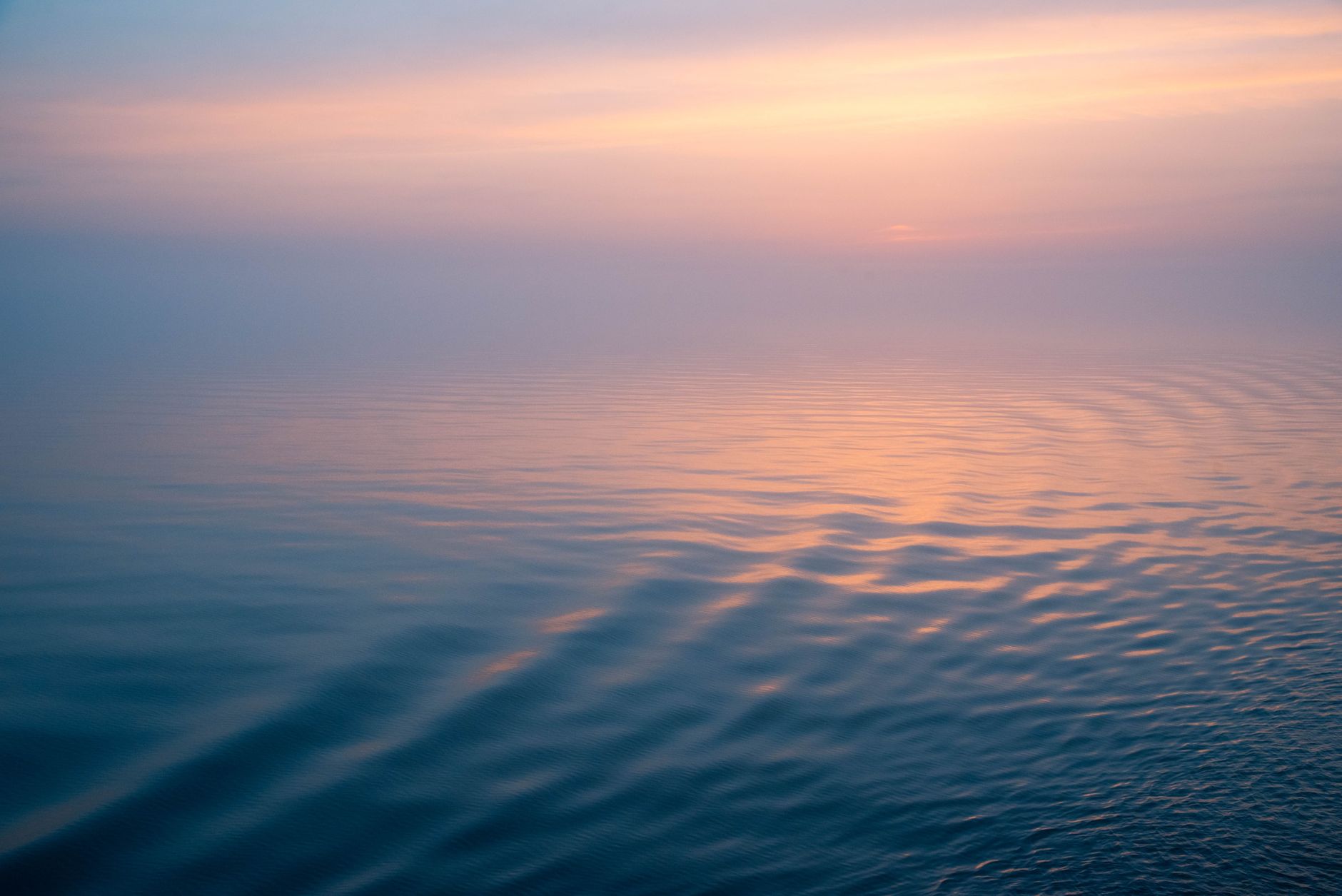
Marine biologist Wallace J. Nichols coined the term “Blue Mind” to describe the mildly meditative state we enter when we’re near water. This state is characterized by:
- Decreased levels of cortisol (the stress hormone): Exposure to water environments has been shown to reduce cortisol levels, leading to a greater sense of calm.
- Increased levels of serotonin and dopamine: These neurotransmitters are associated with happiness and well-being. The sound and sight of water can stimulate their release.
- Reduced heart rate and blood pressure: The rhythmic nature of water, such as waves or flowing streams, can have a soothing effect on the cardiovascular system.
- Enhanced focus and creativity: The relaxed state induced by water allows for improved concentration and a greater capacity for creative thinking.
Sensory Deprivation and Rhythmic Patterns
The calming effect of water also relates to its sensory properties. The gentle sounds of flowing water, the cool sensation of immersion, and the visual expanse of a body of water all contribute to a reduction in sensory overload. This “sensory deprivation” allows the mind to quiet and focus. The predictability and rhythm of water, such as the ebb and flow of tides or the gentle lapping of waves, create a sense of order and stability, which is inherently soothing.
- Auditory: The sound of water masks distracting noises.
- Visual: The vastness of the ocean or the flow of a river is visually calming.
- Tactile: The sensation of water on the skin is often experienced as relaxing.
The Power of Immersion
Beyond just being near water, immersing oneself in it can be even more profoundly calming. Whether it’s a warm bath, a swim in the ocean, or simply soaking your feet, water immersion provides a unique sensory experience that promotes relaxation.
- Buoyancy: The feeling of weightlessness reduces stress on joints and muscles.
- Temperature: Warm water can soothe sore muscles and promote circulation.
- Hydrostatic pressure: The pressure of the water on the body can help reduce swelling and improve blood flow.
The Therapeutic Applications of Water
The calming properties of water are increasingly recognized and utilized in therapeutic settings. Aquatic therapy, for example, is used to treat a wide range of physical and mental health conditions, including:
- Arthritis
- Fibromyalgia
- Anxiety
- Depression
- Post-traumatic stress disorder (PTSD)
The Psychology of Water: Symbolism and Metaphor
Water also carries significant psychological weight. It is often associated with:
- Purity and cleansing: Water is used in many cultures for ritual cleansing and purification.
- Renewal and rebirth: Water is seen as a symbol of new beginnings and transformation.
- Emotion and the subconscious: Water is often used to represent the flow of emotions and the depths of the subconscious mind.
The symbolic connection to these powerful concepts can contribute to the calming effect of water. Understanding why is water so calming involves recognizing the interplay of its evolutionary roots, neurological impact, sensory properties, therapeutic applications, and psychological symbolism.
Water and Mindfulness
Being near water naturally encourages mindfulness. Observing the movement of the waves, the reflections of light on the surface, or the ripples created by a passing boat can draw our attention to the present moment, helping us to let go of anxieties and worries. This practice of mindfulness, facilitated by the calming environment of water, is a key element in experiencing its therapeutic benefits.
Cultural Significance of Water
Across diverse cultures, water holds a position of deep reverence and significance. From ancient mythology to modern-day spirituality, water is frequently depicted as a source of life, purity, and healing. The Ganges River in Hinduism, for example, is considered sacred and is believed to possess purifying properties. Similarly, many indigenous cultures incorporate water rituals into their spiritual practices. This pervasive cultural association with well-being further reinforces the calming effect of water.
Table: Comparing Water Environments and Their Calming Effects
| Environment | Sensory Experience | Neurological Impact | Psychological Association |
|---|---|---|---|
| Ocean | Vastness, rhythmic waves, salty air | Reduces cortisol, increases serotonin/dopamine | Awe, vastness, power, freedom |
| Lake | Stillness, reflections, gentle sounds | Promotes relaxation, reduces heart rate | Tranquility, peace, serenity |
| River/Stream | Flowing water, babbling sounds | Calming, masks distracting noises | Movement, progress, change, renewal |
| Bath/Pool | Immersion, weightlessness, temperature | Soothes muscles, improves circulation, reduces stress | Comfort, safety, nurturing, self-care |
Bullet Points: Tips for Incorporating Water into Your Life for Calmness
- Visit a beach, lake, or river regularly.
- Take a relaxing bath or shower.
- Listen to recordings of ocean waves or flowing streams.
- Look at pictures or videos of water landscapes.
- Practice mindful observation of water.
- Drink plenty of water throughout the day to stay hydrated.
- Consider adding a water feature to your home or garden.
Frequently Asked Questions (FAQs)
Why does the sound of water seem to block out other noises?
The sound of water is often described as ‘pink noise’, which is a type of background noise that has a consistent frequency and amplitude. This characteristic allows it to effectively mask or block out other, more disruptive sounds, creating a more peaceful auditory environment.
Is there a scientific reason why blue is associated with calmness?
While the association is partly cultural, studies have shown that the color blue can indeed have a physiological effect on the body. It can lower blood pressure and heart rate, promoting a sense of calm. This could be linked to the association of blue with the sky and ocean, both vast and seemingly limitless spaces.
How does salt water affect the calming effect?
The mineral content of salt water, particularly magnesium, is believed to contribute to its calming properties. Magnesium is known to help regulate nerve function and muscle relaxation. Additionally, the higher buoyancy of salt water can enhance the feeling of weightlessness.
Does the temperature of the water impact its calming effects?
Yes, temperature plays a significant role. Warm water can relax muscles and promote blood flow, contributing to a sense of physical relaxation. Cool water, on the other hand, can be invigorating and refreshing, helping to reduce feelings of fatigue.
Why do some people experience anxiety around large bodies of water?
While water is generally calming, some individuals may experience anxiety due to fear of drowning, fear of the unknown depths, or traumatic past experiences associated with water. This is a common phobia and can be addressed with therapy and gradual exposure.
Is it possible to get the calming effects of water even if I can’t physically be near it?
Absolutely. Simply viewing images or videos of water, or even listening to recordings of water sounds, can activate the same neural pathways in the brain, leading to a reduction in stress and an increased sense of calm.
Can being dehydrated affect my stress levels, and does drinking more water help?
Yes, dehydration can exacerbate stress. When the body is dehydrated, it releases cortisol, the stress hormone. Drinking enough water helps to regulate cortisol levels and maintain overall bodily functions, which can reduce feelings of stress.
Are there specific types of water activities that are more calming than others?
Activities that involve gentle, rhythmic movements, such as swimming, kayaking, or paddleboarding, are particularly calming. These activities combine the benefits of being near water with the added benefits of exercise and mindfulness.
How does floating therapy (sensory deprivation tanks) tap into the calming effects of water?
Float therapy utilizes the buoyancy of salt water in a sensory-deprived environment. This allows for deep relaxation, as the body is freed from the constant pull of gravity and the mind is shielded from external stimuli. The experience is designed to induce a state of profound calm and relaxation.
Why do aquariums have a calming effect on people?
Aquariums offer a visual connection to the underwater world, providing a sense of tranquility and wonder. Observing the movements of fish and the swaying of aquatic plants can be mesmerizing and captivating, drawing attention away from stressful thoughts.
Is the calming effect of water related to the fact that we are mostly water?
Yes, our bodies are composed of approximately 60% water. This inherent connection makes us biologically receptive to its calming effects. Being near water can feel like returning to a state of equilibrium and wholeness. The essential connection between water and life reinforces why is water so calming.
How does spending time near water enhance mindfulness practices?
The presence of water naturally encourages mindful observation. The constant movement, reflections, and sounds provide endless opportunities to focus on the present moment, detaching from thoughts and worries. The calming environment of water is conducive to enhancing mindfulness and deepening meditation practices. Therefore, it’s clear why is water so calming.