

Why Is My Face Getting Fat But Not My Body?
The perplexing phenomenon of facial fat gain despite a stable or even thin body often boils down to a combination of genetics, hormonal fluctuations, dietary habits, and lifestyle factors. Why is my face getting fat but not my body? It’s usually a localized accumulation linked to inflammation, fluid retention, or underlying medical conditions.

Introduction: Understanding Facial Fat Distribution
It’s a frustrating experience: you maintain a relatively healthy weight, your clothes fit well, but your face appears fuller, rounder, or even puffy. This localized fat accumulation can impact self-esteem and create a distorted body image. Understanding the factors that contribute to facial fat disproportionate to body fat is crucial to addressing the concern effectively. Unlike subcutaneous fat distributed throughout the body, facial fat pads are unique and react differently to various stimuli.

What is the GREY African clawed frog?
Is distilled water good for goldfish?
What colours are fish most attracted to?
Can you put your finger in a trout's mouth?
Factors Contributing to Facial Fat Accumulation
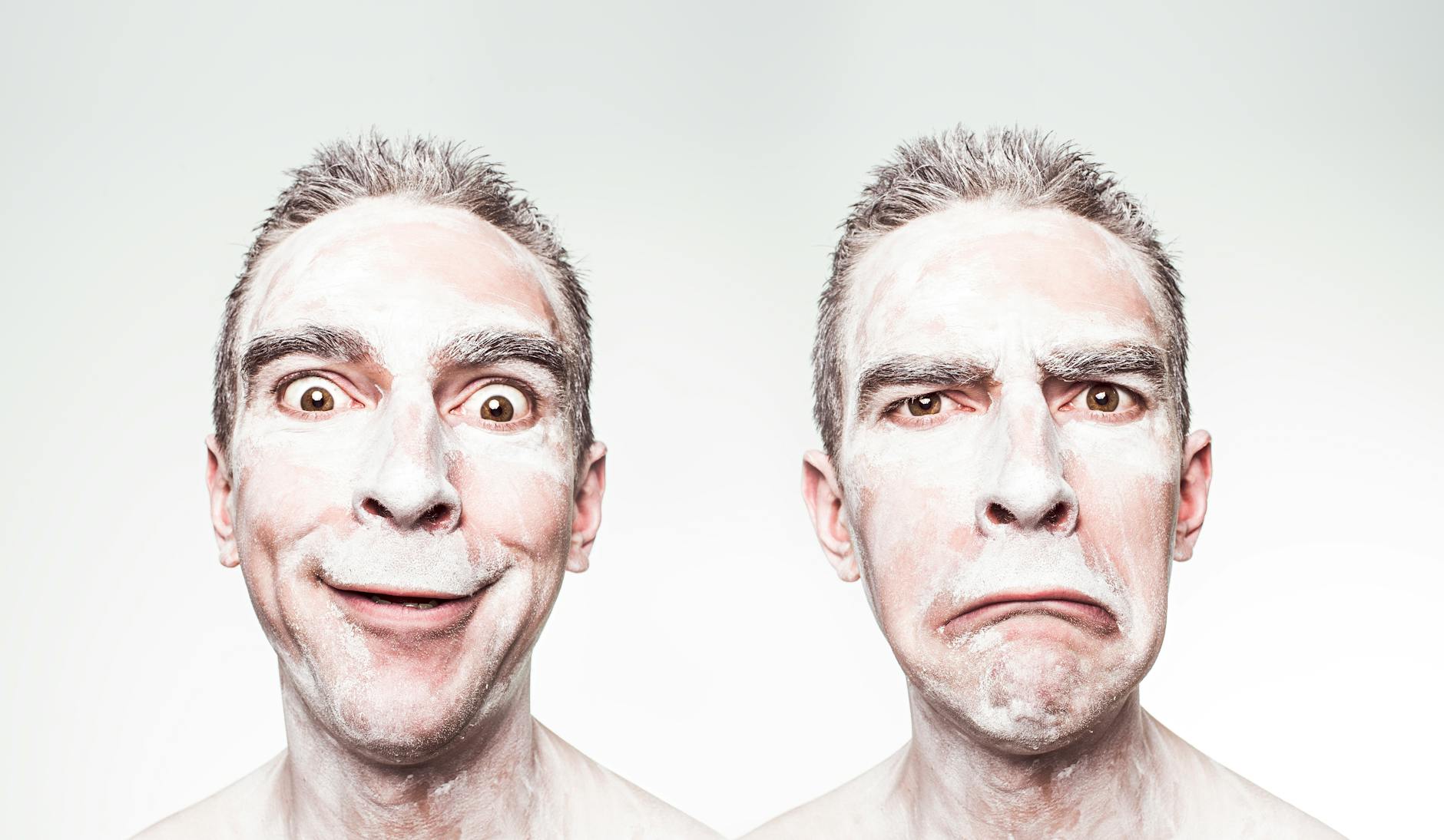
Several key elements play a role in facial fat accumulation, independent of overall body weight changes:
- Genetics: Our genes dictate where we tend to store fat. Some individuals are simply predisposed to accumulating fat in the face.
- Hormonal Imbalances: Conditions like Cushing’s syndrome or polycystic ovary syndrome (PCOS) can disrupt hormone levels, leading to fat deposition in specific areas, including the face. Cortisol, the stress hormone, is a major culprit.
- Dietary Factors: A diet high in sodium, processed foods, and refined carbohydrates can contribute to water retention and inflammation, both of which can make the face appear swollen and fuller.
- Alcohol Consumption: Alcohol can cause dehydration and inflammation, leading to a puffy face. It also contains empty calories that can contribute to weight gain, even if subtly.
- Age: As we age, skin loses elasticity and collagen production decreases. This can cause facial fat pads to sag and become more prominent, giving the appearance of a fatter face.
- Sleep Deprivation: Insufficient sleep increases cortisol levels, which can lead to fat storage and fluid retention.
- Medications: Certain medications, such as corticosteroids and some antidepressants, can cause weight gain and fluid retention, affecting the face.
- Medical Conditions: In rare cases, facial fat accumulation may be a symptom of an underlying medical condition, such as hypothyroidism or kidney disease.
Addressing Facial Fat: A Multi-Faceted Approach
There’s no magic bullet to eliminate facial fat selectively, but a combination of strategies can help improve facial contours and reduce puffiness:
- Dietary Modifications:
- Reduce sodium intake to minimize water retention.
- Limit processed foods, refined carbohydrates, and sugary drinks.
- Increase intake of fruits, vegetables, and lean protein.
- Stay well-hydrated to help flush out excess sodium.
- Exercise: Regular cardiovascular exercise helps burn overall body fat, which can indirectly reduce facial fat. Strength training can also improve muscle tone and definition, which can help improve facial contours.
- Sleep Hygiene: Aim for 7-8 hours of quality sleep per night to regulate hormone levels and reduce cortisol.
- Stress Management: Practice stress-reducing techniques like yoga, meditation, or deep breathing exercises to lower cortisol levels.
- Facial Exercises: While the evidence is limited, some people find that facial exercises can help tone facial muscles and improve circulation. Examples include cheek puffing, jaw clenching, and lip stretching.
- Medical Treatments: In some cases, medical treatments like facial liposuction or buccal fat removal may be considered. These procedures should only be performed by qualified and experienced professionals.
When to Seek Professional Help
If you’re concerned about facial fat accumulation, it’s important to consult with a healthcare professional to rule out any underlying medical conditions. A doctor can also help you develop a personalized plan to address the issue through lifestyle modifications or medical interventions.
Summary Table of Causes and Solutions
| Cause | Solution |
|---|---|
| :———————- | :————————————————————————————————————– |
| Genetics | Manageable with lifestyle changes and, in some cases, cosmetic procedures. |
| Hormonal Imbalances | Medical treatment to address the underlying hormonal imbalance. |
| Dietary Factors | Dietary modifications, reducing sodium, processed foods, and refined carbs. |
| Alcohol Consumption | Limit alcohol intake. |
| Age | Skincare routines focused on collagen production and facial exercises. Potential consideration of cosmetic procedures. |
| Sleep Deprivation | Improve sleep hygiene. |
| Medications | Discuss alternatives with your doctor if possible. |
| Medical Conditions | Medical treatment to address the underlying medical condition. |
Frequently Asked Questions (FAQs)
Why is my face getting fat but not my body and can genetics really be to blame?
Yes, genetics play a significant role. If your family members tend to have round faces regardless of their weight, you may be predisposed to store fat in your face as well. This is because genes influence fat distribution patterns. While you can’t change your genes, you can manage the impact through diet and exercise.
Could I be experiencing facial bloating rather than actual fat gain?
Absolutely. Bloating is often caused by water retention due to high sodium intake, dehydration, or certain food sensitivities. Unlike fat, bloating is usually temporary and fluctuates throughout the day. Try tracking your sodium intake and staying well-hydrated to see if it helps.
Are there specific facial exercises that can help reduce facial fat?
While more research is needed, some studies suggest that facial exercises can strengthen facial muscles and improve circulation, potentially leading to a more toned appearance. Common exercises include cheek puffing, jaw clenching, and lip stretching. Consistency is key.
What role does stress play in facial fat accumulation?
Stress significantly impacts hormone levels, specifically cortisol. Elevated cortisol can promote fat storage, especially around the face and abdomen. Managing stress through relaxation techniques like meditation or yoga can help regulate cortisol levels.
How can I tell if my facial fullness is due to fat or something else like fluid retention?
Fat usually accumulates gradually over time, while fluid retention can cause sudden swelling. Press gently on your face; if it leaves a temporary indentation (pitting edema), it’s likely fluid retention. Consulting a doctor can help determine the underlying cause.
Is there a connection between my diet and a puffy face?
Yes. A diet high in sodium, processed foods, and alcohol can lead to water retention and inflammation, resulting in a puffy face. Cutting back on these foods and staying well-hydrated can make a noticeable difference.
Can certain medical conditions cause my face to look fatter?
Yes, conditions like Cushing’s syndrome, hypothyroidism, and kidney disease can all cause facial swelling or fat accumulation as a side effect. If you suspect an underlying medical condition, it’s crucial to see a doctor for diagnosis and treatment.
What is buccal fat removal and is it a safe option?
Buccal fat removal is a surgical procedure that involves removing a portion of the buccal fat pad in the cheeks to create a more sculpted appearance. While generally safe when performed by a qualified surgeon, it carries risks like infection, nerve damage, and asymmetry.
How does aging contribute to a fuller-looking face even if I haven’t gained weight?
As we age, skin loses elasticity and collagen production decreases. This can cause facial fat pads to sag and become more prominent, giving the illusion of a fatter face. Maintaining a healthy lifestyle and using skincare products that boost collagen can help.
Can alcohol consumption lead to a fatter face?
Yes, alcohol can cause dehydration and inflammation, leading to a puffy face. It also contains empty calories that can contribute to weight gain. Moderation is key.
What kind of professional should I consult about my concern about a fat face and seemingly skinny body?
Start with your primary care physician. They can assess your overall health, rule out any underlying medical conditions, and refer you to a specialist such as an endocrinologist or dermatologist if necessary.
Why is my face getting fat but not my body, and does sleep deprivation play a part?
Absolutely. Lack of sleep increases cortisol levels, promoting fat storage and fluid retention. Prioritizing 7-8 hours of quality sleep per night is essential for regulating hormone levels and reducing facial puffiness. This is especially important to consider why is my face getting fat but not my body?.