

Why is My Cat Scratching More After Flea Treatment? Unpacking the Post-Treatment Itch
Why is my cat scratching more after flea treatment? Ironically, an increase in scratching after flea treatment is often a temporary sign that the treatment is working, as the dying fleas irritate the cat’s skin; however, it can also indicate an allergic reaction, underlying skin condition, or persistent flea infestation requiring further action.
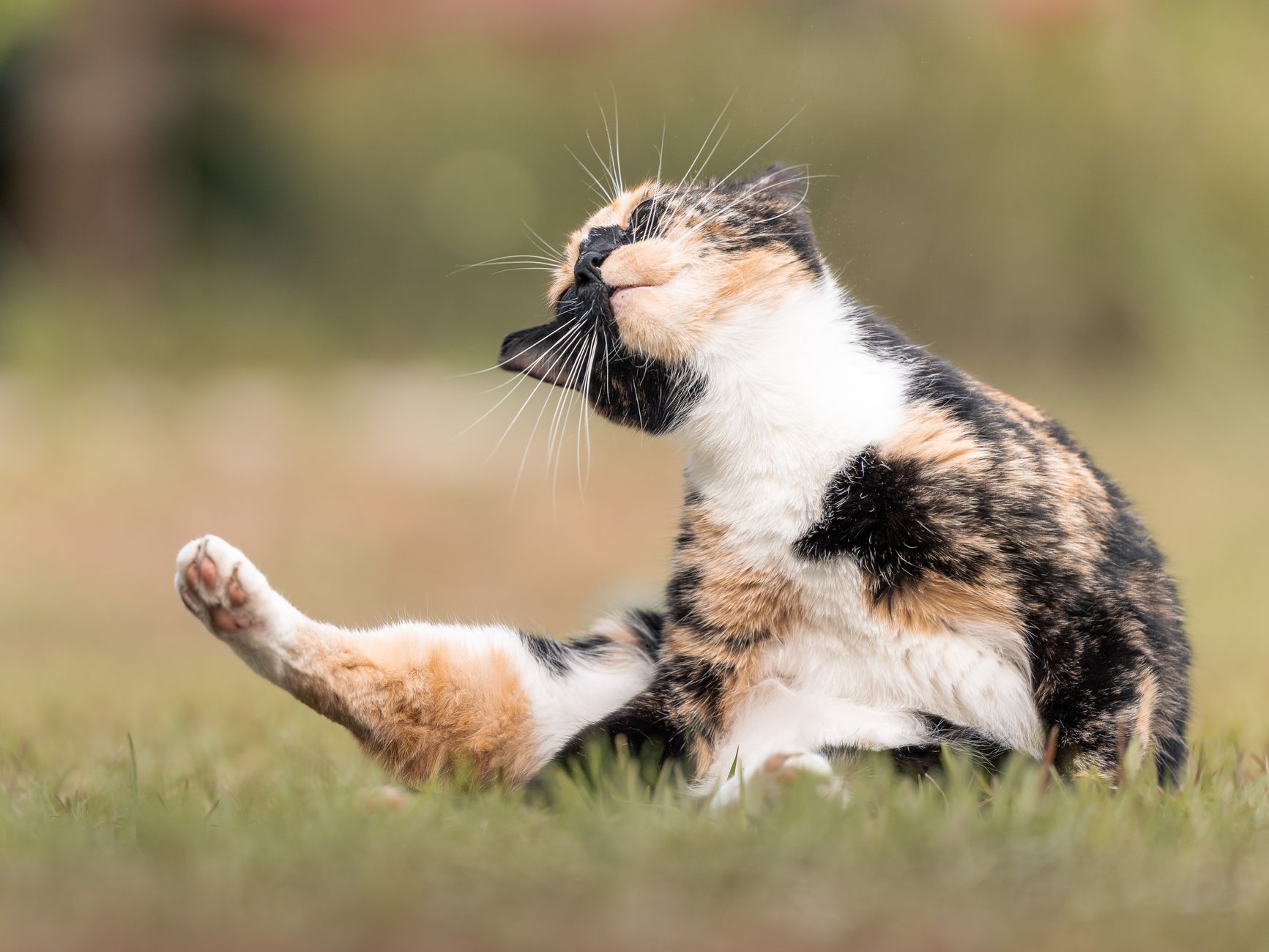
Understanding the Post-Flea Treatment Itch
It’s frustrating to see your feline friend scratching incessantly, especially after you’ve diligently applied flea treatment. You expect relief, not more discomfort. Understanding the reasons behind this common phenomenon can alleviate your worries and guide you towards the best course of action. Several factors can contribute to increased scratching, and distinguishing between them is key to resolving the issue.
Flea Die-Off Irritation: The Initial Battle

One of the most common reasons why your cat is scratching more after flea treatment is directly related to the fleas themselves.
- The Dying Flea Dance: As the flea treatment takes effect, fleas become irritated and disoriented. They might bite your cat more frequently before succumbing to the insecticide. This increased activity can manifest as increased scratching.
- Released Irritants: As fleas die, they release allergens and irritants that can further aggravate your cat’s skin, causing more intense itching.
- Dead Flea Debris: The presence of dead flea bodies and fecal matter (flea dirt) can also contribute to skin irritation.
This phase is usually temporary, lasting a few hours to a couple of days, depending on the severity of the infestation and the type of treatment used.
Allergic Reactions to the Treatment Itself
While rare, some cats can develop an allergic reaction to the flea treatment. This is another potential reason why your cat is scratching more after flea treatment.
- Ingredients to Watch Out For: Certain active ingredients in flea treatments, such as pyrethrins, pyrethroids, and fipronil, can trigger allergic reactions in sensitive cats.
- Symptoms of an Allergic Reaction: Besides increased scratching, symptoms might include skin redness, hives, hair loss, vomiting, diarrhea, or difficulty breathing. If you notice any of these severe symptoms, seek immediate veterinary attention.
- Switching Treatments: If you suspect an allergy, consult your veterinarian about switching to a different type of flea treatment with alternative active ingredients.
Underlying Skin Conditions Exacerbated by Treatment
Sometimes, the flea treatment can exacerbate an already existing skin condition, making it appear as though the treatment itself is the sole cause of the itching.
- Pre-existing Allergies: Cats with underlying allergies (e.g., food allergies, environmental allergies) might experience increased itching due to the added stress of the flea treatment on their immune system.
- Dry Skin: Some flea treatments can dry out the skin, leading to increased irritation and scratching, especially in cats prone to dry skin conditions.
- Infections: If your cat has a pre-existing skin infection (bacterial or fungal), the flea treatment could potentially irritate the affected areas, leading to more scratching.
Incomplete Flea Eradication: The Lingering Problem
If the increased scratching persists for more than a few days, it could indicate that the flea treatment hasn’t completely eradicated the flea population. This means, why your cat is scratching more after flea treatment is simply because fleas are still present!
- Resistant Flea Populations: In some areas, fleas have developed resistance to certain insecticides, rendering some treatments ineffective.
- Environmental Fleas: Fleas can live in your cat’s environment (e.g., bedding, carpets, furniture) and re-infest your cat even after treatment.
- Improper Application: Incorrect application of the flea treatment can also lead to incomplete eradication.
To combat this, consider:
- Treating your home environment with flea-killing sprays or foggers.
- Washing your cat’s bedding in hot water.
- Vacuuming carpets and furniture regularly.
- Consulting your veterinarian about stronger or alternative flea treatment options.
Stress and Anxiety
Sometimes, the act of applying the flea treatment can be stressful for your cat, leading to increased scratching as a displacement behavior. This is often overlooked when considering why your cat is scratching more after flea treatment.
- Association with Negative Experience: If your cat dislikes being handled or having things applied to its fur, the flea treatment process can trigger anxiety and stress.
- Displacement Behavior: Scratching can be a displacement behavior, meaning that the cat is engaging in the action as a way to relieve stress or anxiety unrelated to physical discomfort.
- Creating a Positive Association: Try to make the flea treatment process as positive as possible by using treats and praise.
Ruling Out Other Potential Causes
Before concluding that the increased scratching is solely due to the flea treatment, consider other potential causes:
- Mites: Ear mites, cheyletiellosis (“walking dandruff”), and other types of mites can cause intense itching.
- Ringworm: This fungal infection can cause circular, itchy lesions on the skin.
- Food Allergies: A change in diet or sensitivity to certain food ingredients can trigger allergic reactions and itching.
- Environmental Allergies: Pollen, dust mites, and mold can cause allergic dermatitis and itching.
A veterinary exam is crucial for accurate diagnosis and treatment.
Seeking Veterinary Guidance
If the increased scratching persists, is accompanied by other symptoms (e.g., skin redness, hair loss, vomiting, diarrhea), or if you are concerned about your cat’s well-being, consult your veterinarian. They can help determine the underlying cause and recommend appropriate treatment.

FAQs: Understanding Your Cat’s Post-Flea Treatment Itch
Why is my cat scratching even after using flea medication?
Sometimes flea medications don’t kill all the fleas immediately. The scratching may be a reaction to the dying fleas as they release irritants, or the cat may be allergic to the treatment itself. If the scratching persists, a vet visit may be needed to rule out other causes.
How long will my cat scratch after flea treatment?
The increased scratching from flea die-off irritation usually lasts for a few hours to a couple of days. If it persists longer, consider other potential causes, such as allergic reactions, underlying skin conditions, or an incomplete flea eradication.
What can I do to relieve my cat’s itching after flea treatment?
You can try soothing oatmeal baths or shampoos specifically designed for cats with sensitive skin. Ensure you’re using a product safe for cats. Consult with your veterinarian before using any new products.
Can flea treatment cause a skin reaction in cats?
Yes, some cats can have an allergic reaction to the ingredients in flea treatments, such as pyrethrins or fipronil. Look for signs like skin redness, hives, or increased scratching.
My cat is losing hair after flea treatment; is this normal?
While increased scratching can lead to hair loss, significant hair loss, especially if accompanied by skin redness or inflammation, is not normal. It could indicate an allergic reaction or underlying skin condition and warrants a veterinary check-up.
Why is my cat suddenly so itchy after a flea bath?
Flea baths can sometimes be harsh on a cat’s skin, leading to dryness and irritation. Make sure to rinse thoroughly to remove all traces of the shampoo and use a moisturizing conditioner specifically for cats.
Is it safe to give my cat Benadryl for itching after flea treatment?
While some veterinarians prescribe Benadryl (diphenhydramine) for cats, it’s crucial to consult with your vet before administering any medication. They can determine the appropriate dosage and ensure it’s safe for your cat’s specific condition.
What are the signs of a flea allergy in cats?
Signs of a flea allergy (flea allergy dermatitis) include intense itching, hair loss (especially near the base of the tail), skin redness, and scabs. Even a single flea bite can trigger a severe reaction in sensitive cats.
Why is my cat scratching more even though I don’t see fleas?
Your cat could be allergic to fleas, meaning one or two bites are enough to trigger a major reaction. Additionally, fleas are very small and mobile. You might not easily see them, especially if the infestation is light. Also, consider other non-flea related causes of itching.
How often should I apply flea treatment to my cat?
The frequency of flea treatment application depends on the product and the severity of the flea infestation. Always follow the instructions on the product label and consult with your veterinarian. Over-treating can be harmful to your cat.
What’s the best way to prevent fleas on my cat?
The best way to prevent fleas is to use a preventative flea treatment recommended by your veterinarian year-round. Additionally, maintain a clean home environment by vacuuming regularly and washing your cat’s bedding.
Can stress cause my cat to scratch more after flea treatment?
Yes, the stress of applying the flea treatment can indeed cause increased scratching. Try to make the process as calm as possible, using treats and praise, and avoiding any sudden movements or loud noises.