

Can Humans Catch Cat Viruses?: Understanding Zoonotic Risks
Can humans catch cat viruses? Generally, no. Most cat viruses are species-specific and do not infect humans, however, there are rare exceptions where zoonotic transmission is possible, particularly with certain strains of influenza.

Introduction: The Mysterious World of Viral Transmission
The bond between humans and cats is ancient and profound. These furry companions share our homes, our lives, and, inevitably, some of our germs. But how worried should we be about sharing viruses? While interspecies viral transmission is a constant concern, especially in light of recent global pandemics, the good news is that most feline viruses are not designed to infect human cells. However, understanding the specifics is crucial for maintaining both human and feline health. The question of “Can humans catch cat viruses?” requires careful consideration of the different types of viruses and potential transmission pathways.
Understanding Feline Viruses: A Diverse Group

Cats, like all animals, are susceptible to a range of viral infections. These viruses vary greatly in their mode of transmission, severity, and potential for zoonotic spread (the ability to infect humans). Some of the most common feline viruses include:
- Feline Herpesvirus (FHV-1): Causes feline viral rhinotracheitis, a common upper respiratory infection.
- Feline Calicivirus (FCV): Another common cause of upper respiratory disease in cats.
- Feline Panleukopenia Virus (FPV): A highly contagious and potentially fatal disease, often called feline distemper.
- Feline Leukemia Virus (FeLV): A retrovirus that can weaken the immune system and lead to various health problems.
- Feline Immunodeficiency Virus (FIV): A lentivirus that, like HIV in humans, attacks the immune system.
- Feline Coronavirus (FCoV): Can cause feline infectious peritonitis (FIP), a often fatal disease. This is different from the human SARS-CoV-2.
The Species Barrier: Why Most Cat Viruses Stay With Cats
The primary reason why most feline viruses do not infect humans is the species barrier. This barrier exists due to differences in the cellular receptors viruses use to enter host cells. A virus adapted to bind to a specific receptor on a cat cell may be unable to bind to any receptor on a human cell.
Furthermore, even if a virus manages to enter a human cell, it may not be able to replicate effectively. The cellular machinery and immune system of humans are often able to prevent the virus from producing new copies of itself. Thus, most of the time, can humans catch cat viruses? The answer is no due to the species barrier.
Zoonotic Potential: When the Barrier Breaks
While the species barrier is generally effective, it’s not impenetrable. Some viruses have the potential to mutate and adapt to new hosts. Certain cat viruses, or related strains, pose a theoretical or even, in rare cases, demonstrated zoonotic risk. The most notable example is influenza. While cats don’t typically transmit human influenza strains, reverse zoonosis can occur, and cats can be infected by human influenza strains and mutate them.
Risk Factors for Zoonotic Transmission
The risk of humans catching cat viruses, even in rare instances, can be influenced by several factors:
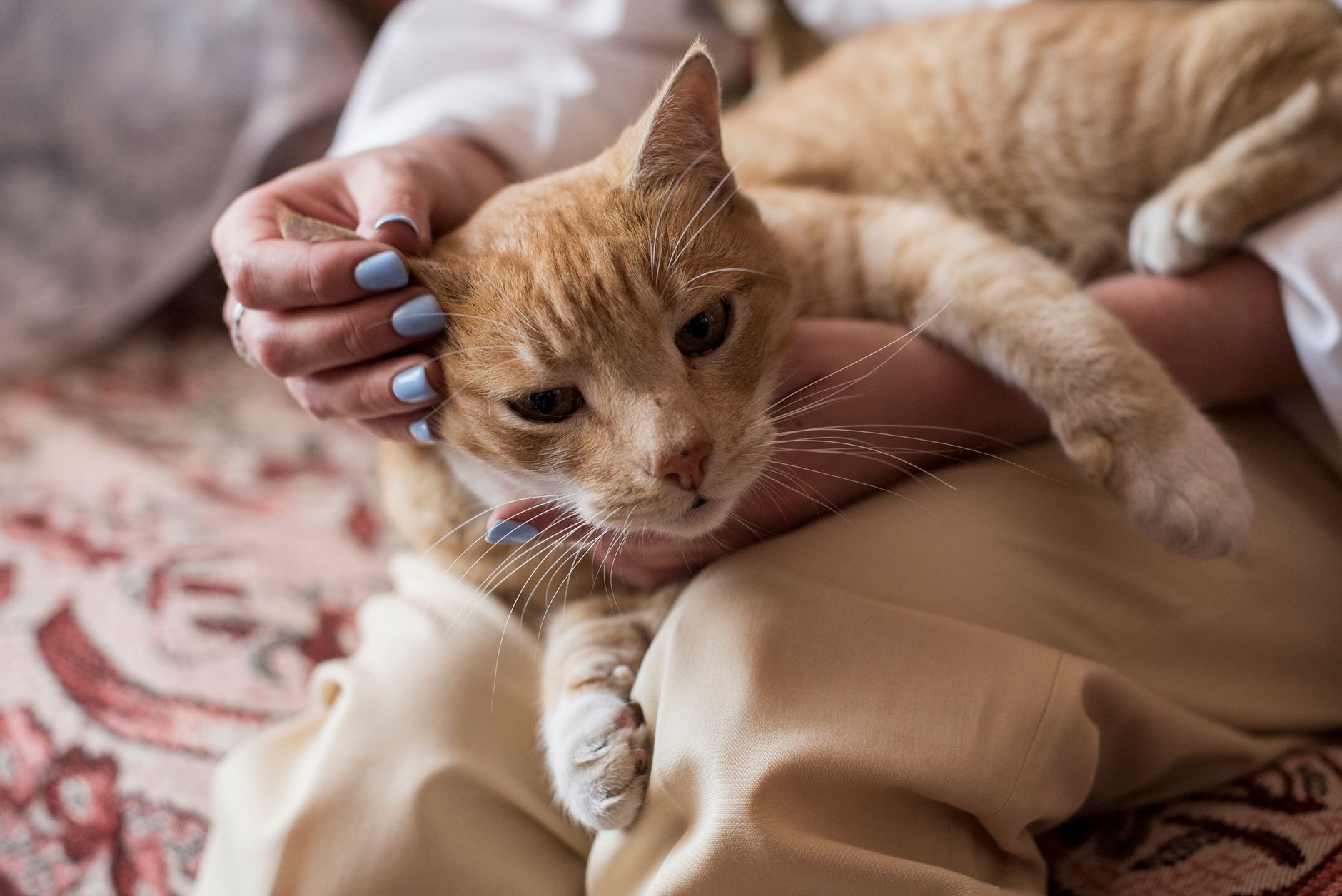
- Close Contact: Prolonged and intimate contact with cats increases the risk of exposure.
- Immunocompromised Individuals: People with weakened immune systems (e.g., due to HIV/AIDS, cancer treatment, or organ transplantation) are more susceptible to infections in general, including zoonotic ones.
- Hygiene Practices: Poor hygiene, such as not washing hands after handling cats or their litter box, can increase the risk of exposure.
- Viral Mutation: The ability of viruses to mutate and adapt to new hosts is a constant concern.
- Geographic Location: The prevalence of specific viruses varies geographically, influencing the risk of exposure.
Prevention: Protecting Yourself and Your Feline Friend
While the risk of humans catching cat viruses is generally low, proactive measures can further minimize the risk:
- Vaccination: Ensure your cat is up-to-date on all recommended vaccinations.
- Good Hygiene: Wash your hands thoroughly after handling cats, their food, or litter boxes.
- Regular Veterinary Care: Schedule regular checkups for your cat to ensure early detection and treatment of any health problems.
- Avoid Contact with Stray or Sick Cats: Minimize contact with cats whose health status is unknown.
- Maintain a Clean Environment: Regularly clean and disinfect cat-related items such as food bowls, litter boxes, and bedding.
- Boosting Your Immune System: Maintain a healthy lifestyle through proper diet, exercise, and sleep to support a strong immune system.
Frequently Asked Questions (FAQs)
What common cat illnesses can be transmitted to humans?
While most common feline illnesses are species-specific, some parasitic and fungal infections, such as ringworm and toxoplasmosis, can be transmitted to humans. These are not viruses, however. Viral transmission from cats to humans is extremely rare.
Can I catch a cold from my cat?
No, you cannot catch a “cold” from your cat. Human colds are typically caused by rhinoviruses and coronaviruses that are specific to humans. While cats can get upper respiratory infections, they are usually caused by feline herpesvirus or calicivirus.
Is it possible to get rabies from a cat?
Yes, it is possible to get rabies from a cat, although it is rare in vaccinated cats. Rabies is a serious and fatal viral disease that can be transmitted through the saliva of infected animals, typically through a bite. Vaccination is critical for pet cats.
Can I get Feline Leukemia Virus (FeLV) from my cat?
No, you cannot get FeLV from your cat. FeLV is a retrovirus that only infects cats. It is not transmissible to humans or other animals.
Is Feline Immunodeficiency Virus (FIV) dangerous to humans?
FIV is not dangerous to humans. FIV is a lentivirus specific to cats and cannot infect human cells. It is similar to HIV, but only affects felines.
Can my cat give me feline distemper?
No, your cat cannot give you feline distemper. Feline distemper, or feline panleukopenia, is caused by the feline panleukopenia virus (FPV), which is specific to cats and other felines.
My cat has a runny nose and is sneezing. Should I be worried about getting sick?
While your cat’s symptoms could indicate a viral infection, it is unlikely that you will catch it. Feline upper respiratory infections are usually caused by viruses that don’t affect humans. However, practice good hygiene to prevent the spread of any potential pathogens.
What about pregnant women and cats? Are there any special concerns?
Pregnant women should be particularly cautious about toxoplasmosis, a parasitic infection that can be transmitted through cat feces. While not a virus, toxoplasmosis can cause serious complications for the developing fetus. Pregnant women should avoid handling cat litter and practice good hygiene.
Can I get Feline Coronavirus (FCoV) from my cat?
No, you cannot get Feline Coronavirus (FCoV) from your cat. FCoV is a virus that infects cats. While it’s related to the coronaviruses that affect humans, the feline version is species-specific. It is important to note that this is different than the human SARS-CoV-2 virus.
Are there any specific flu strains I should be concerned about catching from my cat?
While uncommon, cats can be infected with certain influenza strains, although transmission to humans is rare. If your cat exhibits flu-like symptoms, it’s best to consult with a veterinarian. While reverse zoonosis (humans to cats) is possible, human infection from feline influenza strains is extremely rare.
What should I do if my cat is diagnosed with a viral infection?
If your cat is diagnosed with a viral infection, follow your veterinarian’s instructions carefully. This may include administering medication, providing supportive care, and isolating your cat from other pets. Maintain good hygiene to prevent the spread of the infection to other animals, but humans are unlikely to be at risk.
Are kittens more likely to transmit viruses to humans than adult cats?
Kittens may be slightly more susceptible to certain infections due to their developing immune systems. They are also naturally more curious and prone to biting and scratching, increasing contact with body fluids. Maintaining regular vet visits and a clean environment mitigates the risk to all members of the household.
Conclusion: Knowledge is Key
While the prospect of catching a virus from a cat might seem alarming, the risk is generally low. Most feline viruses are species-specific and cannot infect humans. However, it is important to be aware of the potential for zoonotic transmission and to take preventive measures to protect yourself and your feline companion. Understanding the answer to “Can humans catch cat viruses?” allows for informed decisions and responsible pet ownership. By practicing good hygiene, providing proper veterinary care for your cat, and staying informed about zoonotic risks, you can enjoy the companionship of your feline friend with peace of mind.