
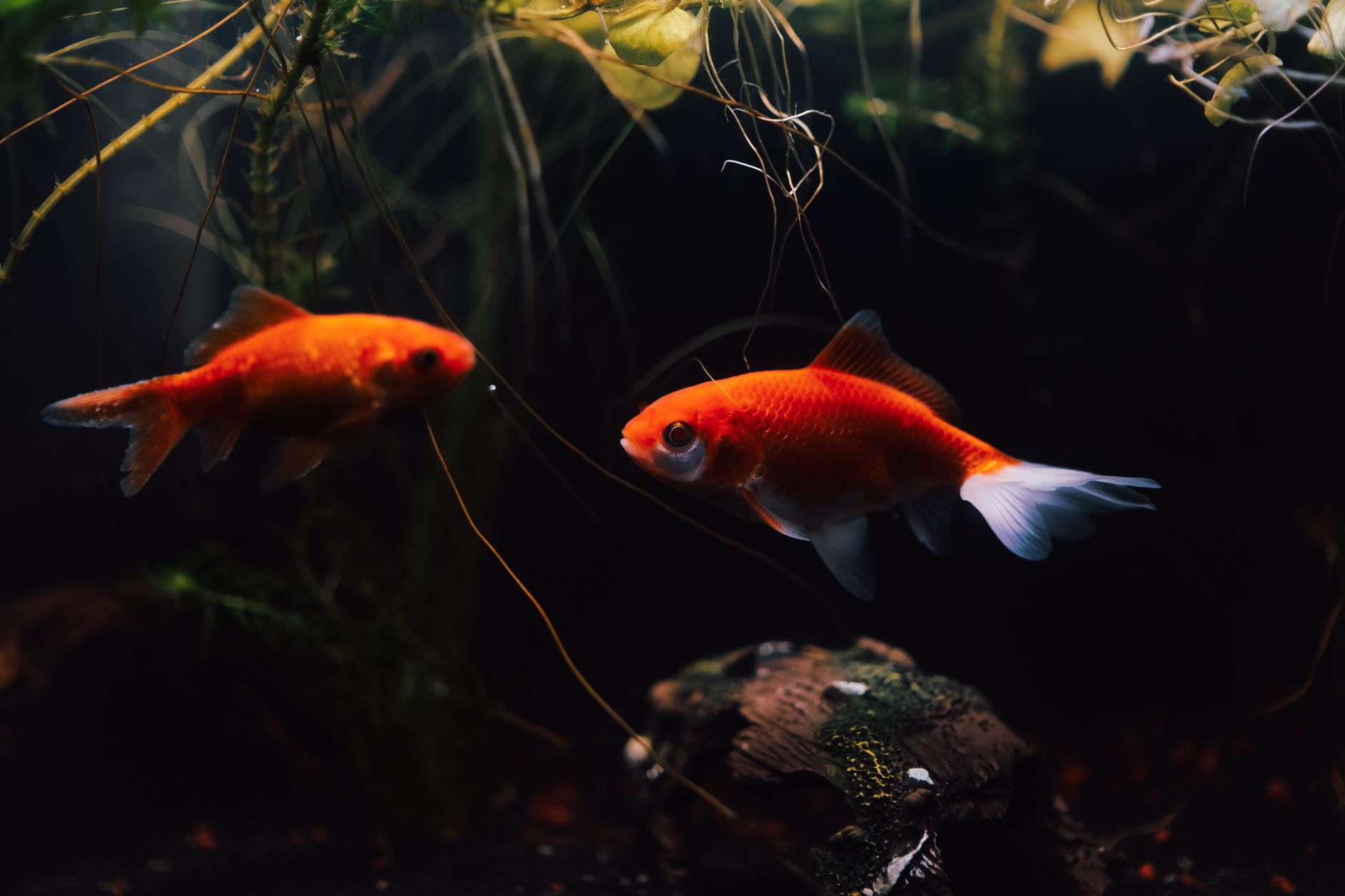
Why Cooler Water Is Better For Goldfish: Unlocking Optimal Health
Goldfish thrive in cooler water because it significantly increases oxygen saturation, crucial for their metabolism and waste processing, leading to a healthier and longer life. In essence, cooler water is better for goldfish because it enhances their biological functions and reduces the risk of disease.

Understanding Goldfish Biology and Environmental Needs
Goldfish, scientifically known as Carassius auratus, are freshwater fish that belong to the carp family. Originating from East Asia, these captivating creatures have become popular pets worldwide. However, many owners unknowingly subject their goldfish to unsuitable environments, leading to health problems and shortened lifespans. Understanding their biological needs, especially concerning water temperature, is crucial for responsible goldfish keeping. Why is cooler water better for goldfish? Because it aligns with their physiology.
- Metabolic Rate: Goldfish are ectothermic, meaning their body temperature is regulated by their environment. Warmer water speeds up their metabolism, which can be detrimental in the long run.
- Oxygen Requirements: Cooler water holds more dissolved oxygen than warmer water. Goldfish, like all fish, need oxygen to breathe and perform vital functions.
- Waste Production: Increased metabolism in warmer water leads to higher waste production, straining the aquarium’s filtration system.

Can planaria live in bottled water?
Can fish hear water?
Do carbon filters remove water hardness?
What is the GREY African clawed frog?
The Benefits of Cooler Water
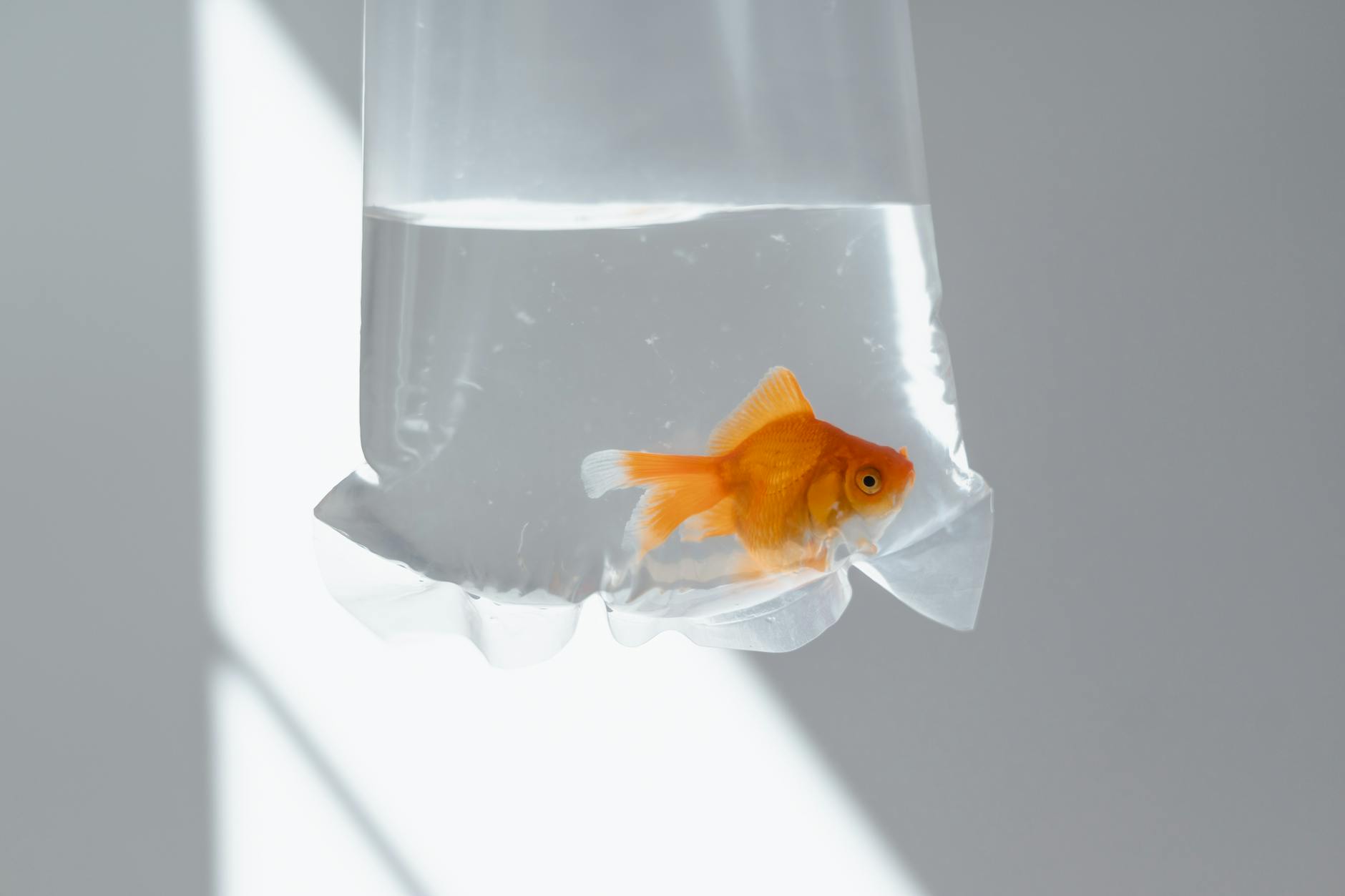
Why is cooler water better for goldfish? The answer lies in a cascade of benefits that promote their overall well-being.
- Enhanced Oxygen Availability: Higher oxygen levels in cooler water support their respiratory needs, reducing stress and promoting activity. Oxygen is critical for a healthy goldfish.
- Slower Metabolism: A slightly slower metabolism means less stress on their organs, potentially extending their lifespan.
- Reduced Waste Production: Cooler water leads to less waste production, easing the burden on the filtration system and improving water quality. This also means less frequent water changes are needed, though regular maintenance is always necessary.
- Improved Immune Function: A healthy environment promotes a stronger immune system, making them less susceptible to diseases.
- Increased Activity & Playfulness: Counterintuitively, healthier goldfish kept in appropriate cooler temperatures often exhibit more playful and engaging behavior. They are simply more comfortable and able to thrive.
Ideal Temperature Range
The optimal temperature range for goldfish is between 60°F and 72°F (15.5°C and 22°C). Fancy goldfish breeds may prefer the higher end of this range, while common and comet goldfish can tolerate slightly cooler temperatures. Avoid extreme temperature fluctuations, as these can be stressful. A stable environment is key to their health.
| Goldfish Type | Preferred Temperature Range |
|---|---|
| Common/Comet | 60°F – 70°F (15.5°C – 21°C) |
| Fancy | 64°F – 72°F (18°C – 22°C) |
Achieving and Maintaining the Right Temperature
- Use an Aquarium Thermometer: Regularly monitor the water temperature to ensure it stays within the ideal range.
- Avoid Direct Sunlight: Position the aquarium away from direct sunlight, which can cause the water to overheat.
- Utilize a Chiller (If Necessary): In warmer climates, an aquarium chiller may be necessary to maintain a stable, cooler temperature.
- Regular Water Changes: Performing regular water changes (25-50% weekly) helps to remove excess waste and maintain stable water parameters, including temperature.
- Aquarium Fans: In some cases, small aquarium fans can help evaporate water and cool the tank slightly.
Common Mistakes to Avoid
- Overheating the Aquarium: This is the most common mistake. Keeping the tank in direct sunlight or placing it near a heat source can be detrimental.
- Sudden Temperature Fluctuations: Rapid temperature changes can shock goldfish and weaken their immune system.
- Ignoring Water Parameters: Temperature is only one factor. Maintaining good water quality through regular testing and water changes is equally important.
- Overcrowding the Tank: Overcrowding leads to increased waste production and lower oxygen levels, exacerbating the negative effects of warmer water.
Frequently Asked Questions (FAQs)
Why do pet stores often keep goldfish in warmer tanks?
Pet stores often maintain goldfish in slightly warmer tanks to stimulate activity and feeding, making them appear more vibrant and appealing to potential buyers. However, this short-term boost can be detrimental to their long-term health. The goal is to sell the fish, not necessarily to optimize its lifespan immediately.
Can goldfish survive in tropical temperatures?
While goldfish can survive in tropical temperatures for a short period, it is not ideal and will negatively impact their health over time. The increased metabolic rate and reduced oxygen levels can lead to stress, disease, and a shortened lifespan. Why is cooler water better for goldfish? It’s simply because they aren’t built for tropical temperatures.
What happens if the water gets too cold?
Extremely cold water (below 50°F or 10°C) can also be harmful to goldfish. While they are cold-tolerant, sudden drops in temperature can shock them. It’s crucial to maintain a stable temperature within the recommended range.
How do I know if my goldfish is stressed due to temperature?
Signs of temperature-related stress in goldfish include lethargy, loss of appetite, clamped fins, and rapid breathing. Monitor their behavior and appearance closely.
Is it okay to keep goldfish in a pond?
Yes, keeping goldfish in a pond is perfectly acceptable and can be very beneficial, provided the pond is adequately sized and maintained. The pond should be deep enough to prevent freezing in the winter and overheating in the summer.
What about water conditioners – are they important?
Water conditioners are essential for removing chlorine and chloramine from tap water, which are toxic to goldfish. Always use a water conditioner when adding new water to the tank or pond.
Does tank size affect the ideal water temperature?
While tank size doesn’t directly affect the ideal water temperature, it does influence how stable the temperature remains. Larger tanks are generally more stable than smaller tanks. A larger water volume buffers against rapid temperature fluctuations.
Can I use ice to cool down my aquarium?
While tempting, using ice directly in the tank can cause rapid temperature drops, which are harmful. If you need to cool the tank quickly, float a sealed bag of ice in the water, or use a dedicated aquarium chiller.
How often should I check the water temperature?
You should check the water temperature at least once a day, preferably twice, especially during periods of extreme weather.
What is the best type of thermometer to use?
Digital thermometers are generally more accurate and easier to read than traditional glass thermometers. Make sure the thermometer is designed for aquarium use.
Does aeration help with temperature regulation?
While aeration primarily increases oxygen levels, it can also help to circulate the water and prevent temperature stratification. In warmer climates, increased aeration can help to slightly lower the water temperature through evaporation.
What kind of plants help keep the water cooler in my goldfish tank?
While no plants directly “cool” the water, floating plants like Amazon frogbit or duckweed can help to shade the tank and reduce the amount of sunlight reaching the water, thereby helping to prevent overheating.