

Why Larger Dog Breeds Have Shorter Lifespans: Understanding the Disparity
Why don’t bigger dogs live as long? The surprising answer lies in the fact that larger breeds appear to age faster, experiencing accelerated growth that may contribute to increased rates of cancer and other age-related diseases, ultimately shortening their lifespan.
Introduction: The Mystery of Canine Longevity
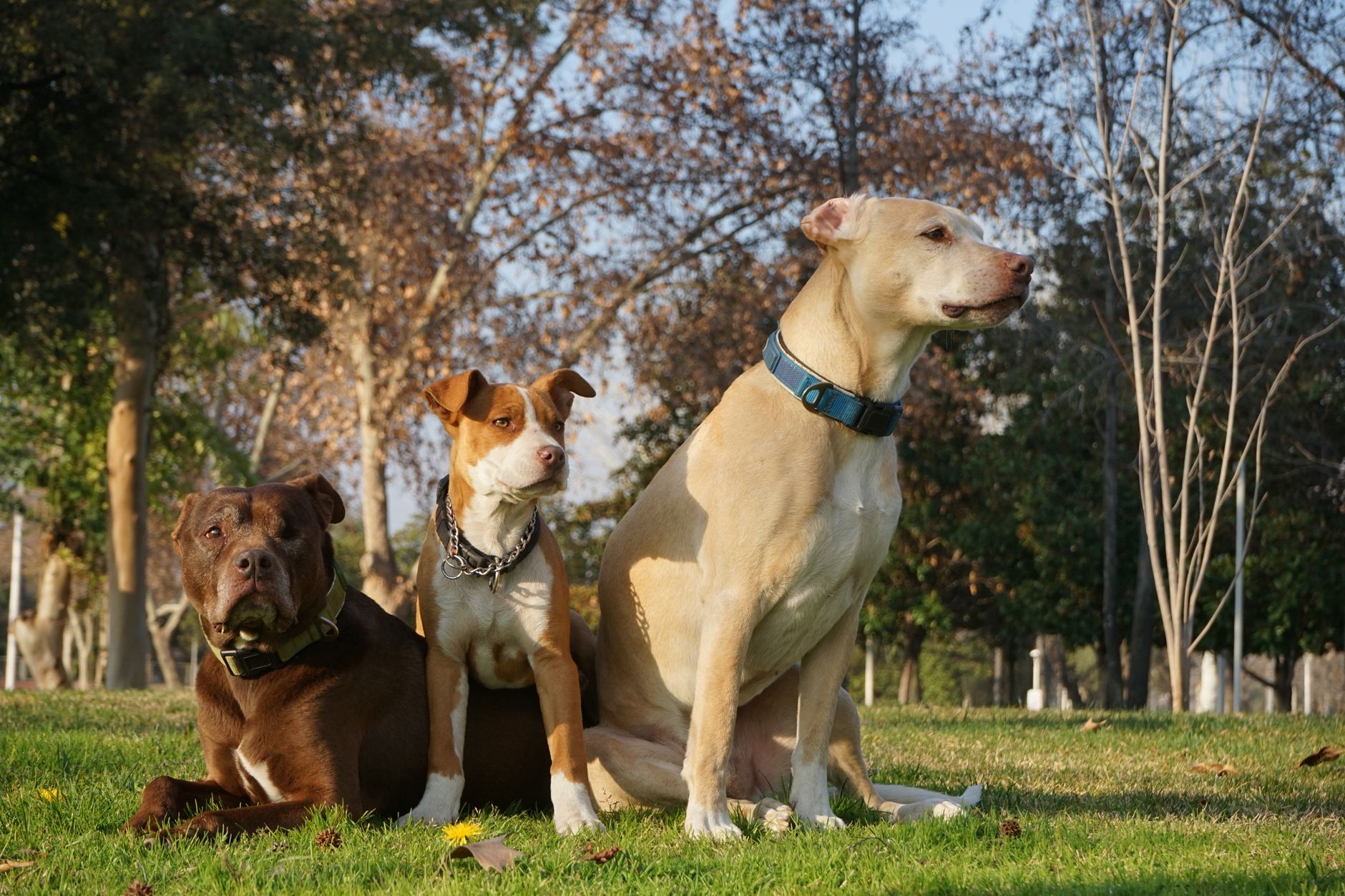
For centuries, dog lovers have marveled at the unwavering loyalty and companionship provided by their canine friends. We celebrate their playful antics, their comforting presence, and the unique bond we share. However, one question consistently arises, particularly for those considering adopting a larger breed: Why don’t bigger dogs live as long? While anecdotal evidence suggests a correlation between size and lifespan, the scientific reasoning behind this discrepancy is complex and continues to be an active area of research. This article delves into the various factors that contribute to the shorter lifespans of larger dog breeds, exploring the biological mechanisms at play and offering insights into how we can potentially improve their health and well-being.
What is the GREY African clawed frog?
Is distilled water good for goldfish?
What colours are fish most attracted to?
Can you put your finger in a trout's mouth?
Accelerated Growth and Development
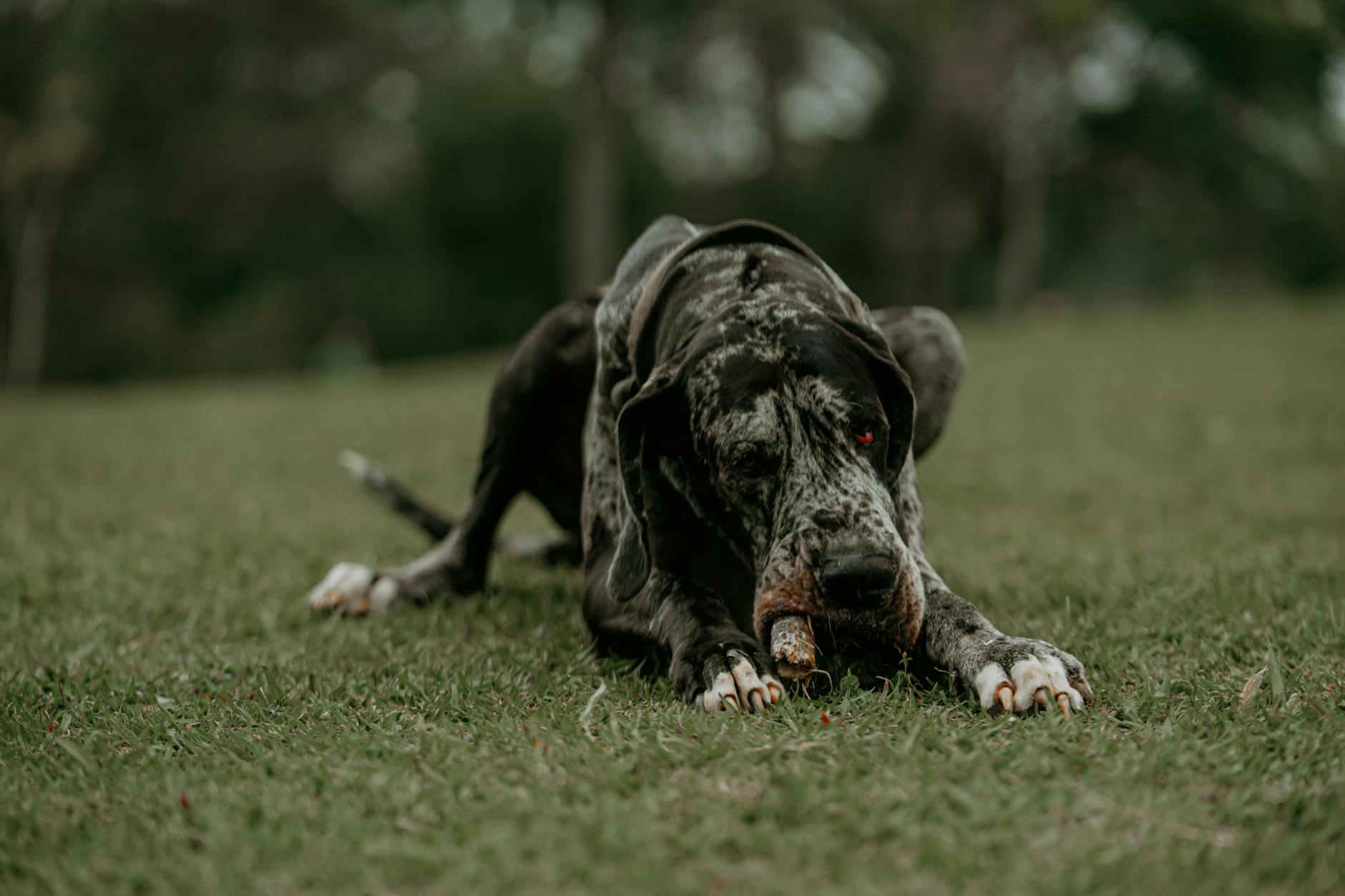
One of the primary theories explaining the shorter lifespans of larger dogs centers on their accelerated growth rate. Giant breeds reach their adult size much faster than smaller breeds. This rapid growth comes at a cost, potentially placing undue stress on their developing bodies.
- Cellular Stress: Rapid cell division and growth can lead to increased cellular stress, potentially increasing the risk of DNA mutations and cancer development.
- Skeletal Issues: The rapid growth can strain the musculoskeletal system, predisposing larger breeds to joint problems like hip and elbow dysplasia, which can impact their quality of life and potentially contribute to premature death.
- Increased Metabolic Rate: Bigger bodies require a higher metabolic rate, which can lead to increased oxidative stress and cellular damage over time.
Increased Risk of Cancer
Sadly, cancer is a leading cause of death in larger dog breeds. The accelerated growth and potentially higher levels of growth hormones present in larger dogs are thought to contribute to this increased risk. While the exact mechanisms are still being investigated, the link between rapid growth and cancer development is becoming increasingly clear.
- Osteosarcoma: Bone cancer, particularly osteosarcoma, is significantly more common in large and giant breeds.
- Lymphoma: Lymphoma, a cancer of the lymphatic system, also appears to be more prevalent in some larger breeds.
- Hemangiosarcoma: This aggressive cancer of the blood vessels is another concerning health risk for larger dogs.
Breed Predispositions and Genetics
While size is a major factor, it’s important to recognize that specific breed predispositions and genetics also play a significant role in determining lifespan. Certain breeds are simply more prone to certain health problems, regardless of their size.
- Heart Conditions: Dilated cardiomyopathy (DCM) is a heart condition that affects several large breeds, including Doberman Pinschers and Great Danes.
- Gastric Dilatation-Volvulus (GDV): Bloat, or GDV, is a life-threatening condition that is more common in deep-chested breeds like Great Danes, Irish Wolfhounds, and Standard Poodles.
- Hip and Elbow Dysplasia: As mentioned earlier, these joint problems are more common in large breeds and can significantly impact their mobility and overall health.
Managing Growth and Diet
Understanding the factors that contribute to shorter lifespans in large breeds allows us to take proactive steps to improve their health and potentially extend their lives. Proper nutrition and managed growth are crucial.
- Controlled Growth: Avoiding overfeeding puppies and choosing appropriate food formulations designed for large-breed puppies can help control their growth rate. These diets typically have lower calcium and phosphorus levels to prevent skeletal problems.
- Balanced Diet: Ensuring a balanced diet throughout their lives is essential for maintaining optimal health and preventing obesity.
- Joint Supplements: Consider incorporating joint supplements like glucosamine and chondroitin to support joint health and prevent or manage arthritis.
The Role of Aging and Oxidative Stress
All living organisms age, and dogs are no exception. Aging is a complex process involving various factors, including oxidative stress, inflammation, and cellular damage. Larger dogs may experience accelerated aging due to their rapid growth and higher metabolic rates.
- Antioxidants: Providing a diet rich in antioxidants can help combat oxidative stress and protect cells from damage.
- Regular Exercise: Regular, moderate exercise can help maintain muscle mass, improve cardiovascular health, and reduce inflammation.
- Regular Veterinary Checkups: Regular veterinary checkups are crucial for early detection of health problems and prompt treatment.
The Power of Preventative Care
While we cannot completely eliminate the risk of age-related diseases, preventative care plays a vital role in maximizing the lifespan and quality of life of larger dogs.
- Vaccinations and Parasite Control: Keeping up with vaccinations and parasite control is essential for preventing infectious diseases.
- Dental Care: Good dental hygiene is important for preventing dental disease, which can lead to other health problems.
- Weight Management: Maintaining a healthy weight is crucial for preventing obesity-related health problems like diabetes and arthritis.
Frequently Asked Questions
What is the average lifespan difference between small and large dog breeds?
The average lifespan difference can be significant. Small dog breeds typically live 10-16 years or even longer, while giant breeds may only live 7-10 years. Medium-sized breeds generally fall somewhere in between. This is, of course, just an average, and individual dogs can vary considerably based on genetics, health, and lifestyle.
Are there any exceptions to the size/lifespan rule?
Yes, there are exceptions. Some large breeds, like Standard Poodles, can live relatively long lives. Genetics play a significant role, and some individuals within a breed may simply be predisposed to longer lifespans. Careful breeding practices aimed at improving health can also extend lifespan.
What role do growth hormones play in the shorter lifespan of larger dogs?
Research suggests that higher levels of growth hormones may contribute to the accelerated aging process in larger dogs. These hormones, while essential for rapid growth, can also promote cellular damage and increase the risk of cancer. Further research is needed to fully understand the complex interplay between growth hormones and longevity.
Is there anything I can do to help my large-breed dog live longer?
Absolutely! You can take several proactive steps, including feeding a high-quality diet formulated for large-breed puppies, managing their weight, providing regular exercise, ensuring regular veterinary checkups, and addressing any health concerns promptly.
Are some large breeds more prone to shorter lifespans than others?
Yes. For example, Irish Wolfhounds and Great Danes are known for their relatively short lifespans, even compared to other large breeds. These breeds are particularly prone to heart conditions and other health problems that can shorten their lives.
Does spaying or neutering affect the lifespan of large-breed dogs?
The impact of spaying or neutering on lifespan is a complex and debated topic. Some studies suggest that neutering can increase the risk of certain cancers and joint problems in large breeds, while others show potential benefits in terms of preventing reproductive cancers. It’s essential to discuss the potential risks and benefits with your veterinarian to make an informed decision based on your dog’s individual circumstances.
How does diet affect the lifespan of large-breed dogs?
Diet plays a crucial role. Feeding a balanced, high-quality diet that is appropriate for their age and activity level is essential. Avoid overfeeding, especially during puppyhood, as this can lead to rapid growth and skeletal problems. Consider adding supplements like glucosamine and chondroitin to support joint health.
What are the signs of aging in large-breed dogs?
Signs of aging can include decreased activity levels, stiffness, weight gain or loss, changes in coat quality, dental problems, and decreased cognitive function. Regular veterinary checkups are crucial for monitoring these changes and addressing any underlying health issues.
How can I ensure my large-breed dog has a good quality of life, even if their lifespan is shorter?
Focus on providing them with plenty of love and attention, regular exercise that is appropriate for their age and physical condition, a comfortable living environment, and prompt medical care for any health problems. Prioritize their comfort and happiness, and cherish the time you have together.
Are there any specific health tests recommended for large-breed dogs?
Yes. Your veterinarian may recommend specific health tests based on your dog’s breed and individual risk factors. These tests may include heart evaluations, hip and elbow radiographs, and blood tests to screen for common health problems.
What can I do to help my large-breed dog with arthritis?
There are many things you can do, including providing comfortable bedding, managing their weight, giving joint supplements, using ramps or steps to help them access furniture, and working with your veterinarian to develop a pain management plan.
Why don’t bigger dogs live as long? Is it just size, or is there something else?
While size is a significant factor, the answer to why don’t bigger dogs live as long? is multifactorial. It’s a complex interplay of accelerated growth, increased risk of cancer, breed predispositions, genetics, and aging processes. While we may not be able to fully eliminate the lifespan disparity, understanding these factors allows us to provide better care and improve the quality of life for our beloved large-breed companions.