

Why Does My Kitten Keep Attacking Me?
Your kitten’s seemingly aggressive behavior likely stems from playful instincts, underdeveloped bite inhibition, or pent-up energy. Understanding these underlying reasons is key to redirecting their behavior and fostering a loving bond.
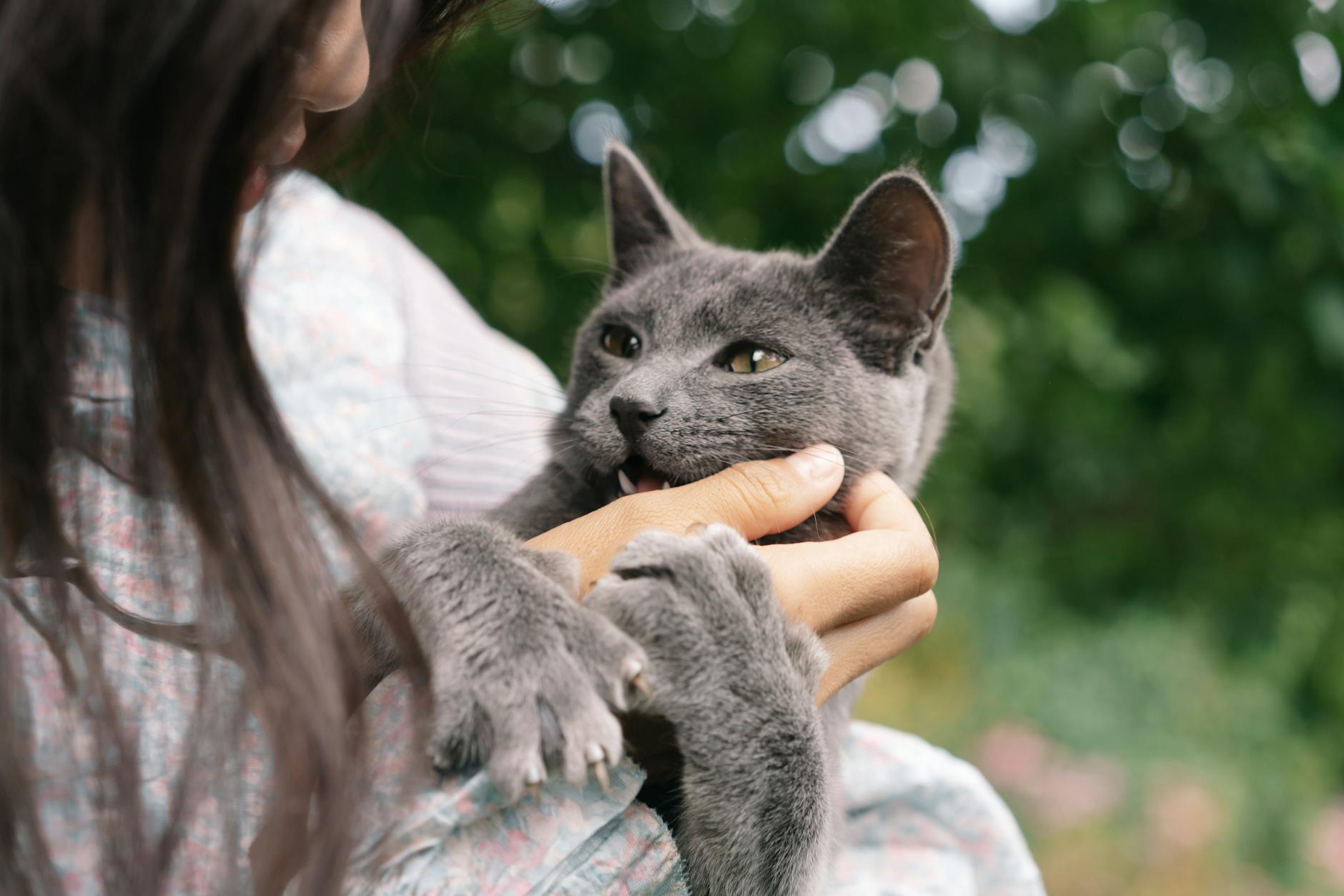
Understanding Kitten “Attacks”
Why does my kitten keep attacking me? is a question many new cat owners ask, often with a mix of concern and bewilderment. It’s crucial to understand that what you perceive as an attack is usually driven by a combination of natural kitten behaviors and environmental factors. More often than not, it’s not malicious, but rather a misdirected expression of their innate instincts. The key is to differentiate between play aggression, fear aggression, and other possible underlying issues.
Play Aggression: It’s All Fun and Games (Sort Of)

Kittens are essentially bundles of energy, and play is how they learn and develop their hunting skills. This play aggression is often the culprit behind seemingly unprovoked attacks. It’s vital to recognize the signs and redirect the kitten’s focus onto appropriate toys.
- Hunting Instincts: Kittens are born with a strong predatory drive. Play allows them to practice stalking, pouncing, and biting, all essential skills for survival in the wild.
- Lack of Socialization: Kittens separated from their mothers and littermates too early may not have learned bite inhibition. This means they don’t understand how much pressure is acceptable during play, leading to painful nips and scratches.
- Boredom and Pent-Up Energy: A kitten with insufficient stimulation will seek out ways to entertain themselves. If that means ambushing your ankles, it’s a sign they need more structured playtime.
The Role of Bite Inhibition
Bite inhibition is a learned behavior where kittens learn to control the force of their bites through interaction with their mother and siblings. If a kitten bites too hard during play, the other kitten or mother will yelp or stop playing, teaching the biter to be gentler. Kittens without this crucial early socialization may bite much harder and more frequently.
Redirecting Aggressive Play
The good news is that play aggression is usually easy to manage with consistent training and environmental enrichment. Here are some effective strategies:
- Provide Plenty of Playtime: Engage your kitten in interactive play sessions using toys like wand toys, laser pointers, or puzzle feeders. Aim for at least 15-20 minutes of active play each day.
- Never Use Your Hands or Feet as Toys: This reinforces the idea that your body parts are acceptable targets for biting and scratching.
- Yelp and Stop Playing: If your kitten bites or scratches you, make a loud, high-pitched “yelp” sound and immediately stop playing. This mimics the reaction of a littermate and teaches them that their behavior is unacceptable.
- Redirection: When your kitten starts to display pre-attack behaviors (e.g., tail twitching, dilated pupils, crouching), redirect their attention to a toy.
- Provide Scratching Posts: Offer a variety of scratching posts in different materials (sisal, cardboard, carpet) to satisfy their natural scratching instincts.
- Environmental Enrichment: Cats need mental stimulation to prevent boredom. Provide climbing structures, window perches, and puzzle toys to keep them entertained.
When It’s More Than Just Play: Fear and Anxiety
While play aggression is the most common culprit, sometimes kitten “attacks” can be rooted in fear or anxiety. If your kitten displays signs of fear, such as hissing, spitting, flattened ears, or a tucked tail, they may be acting defensively.
- Identify the Trigger: Try to determine what is causing your kitten’s fear. Is it a specific person, object, or sound?
- Create a Safe Space: Provide your kitten with a safe and comfortable place to retreat to when they feel threatened. This could be a cat bed, a cardboard box, or a quiet room.
- Desensitization and Counter-Conditioning: Gradually expose your kitten to the trigger at a low intensity while offering positive reinforcement (e.g., treats, praise).
Seeking Professional Help
If you are concerned about your kitten’s behavior, it’s always best to consult with a veterinarian or a certified cat behaviorist. They can rule out any underlying medical conditions and provide tailored advice based on your kitten’s individual needs. If you are wondering, why does my kitten keep attacking me, a professional can provide insight.
Comparing Play Aggression and Fear Aggression
| Feature | Play Aggression | Fear Aggression |
|---|---|---|
| Body Language | Playful stance, dilated pupils, tail twitching | Hissing, spitting, flattened ears, tucked tail |
| Vocalizations | Meows, chirps | Growls, hisses, yelps |
| Context | During play or when seeking attention | When feeling threatened or cornered |
| Aggression Level | Relatively mild, may involve nips and scratches | Potentially more intense, may involve biting |
Common Mistakes to Avoid
- Punishment: Never punish your kitten for aggressive behavior. This will only make them fearful and distrustful.
- Rough Play: Avoid roughhousing with your kitten, as this can encourage biting and scratching.
- Ignoring Warning Signs: Pay attention to your kitten’s body language and stop playing if they start to become overstimulated.

Frequently Asked Questions
Why does my kitten bite my ankles?
Ankle biting is a common form of play aggression, especially in kittens. They are likely seeing your moving ankles as a fun, interactive toy, and exhibiting their natural hunting instincts. Redirect this behavior by providing them with appropriate toys and engaging in interactive play sessions.
Why does my kitten attack me when I’m sleeping?
This behavior usually arises from boredom and a lack of stimulation. Your kitten may be looking for attention or an outlet for their pent-up energy. Ensure they have enough playtime during the day and consider providing a puzzle toy or a timed feeder to keep them occupied overnight.
Is it normal for kittens to be aggressive?
Some level of “aggression” or rather, playfulness, is normal for kittens. They need to practice their hunting skills and learn how to interact with others. However, excessive or truly aggressive behavior may indicate an underlying issue that needs to be addressed with a vet or behaviorist.
How can I tell the difference between play aggression and real aggression?
Play aggression is typically characterized by a playful stance, dilated pupils, and tail twitching, while real aggression is often accompanied by hissing, spitting, flattened ears, and a tucked tail. Real aggression is also much more serious.
My kitten bites really hard. How can I stop this?
Consistent training is key. Whenever your kitten bites too hard, make a loud “yelp” sound and immediately stop playing. This will teach them that their behavior is unacceptable. This, along with good bite inhibition, training will get them to understand their boundaries.
What are the best toys for redirecting aggressive play?
Wand toys, laser pointers, puzzle feeders, and interactive toys are all excellent choices for redirecting aggressive play. The key is to find toys that engage your kitten’s hunting instincts and provide them with plenty of mental and physical stimulation.
How much playtime does my kitten need?
Aim for at least 15-20 minutes of active play each day, divided into several shorter sessions. The more playtime you can provide, the less likely your kitten is to engage in aggressive play.
Can neutering/spaying reduce aggression in kittens?
Yes, neutering or spaying can help to reduce overall aggression, particularly aggression related to territoriality or mating behaviors. Discuss this with your veterinarian for best results.
What should I do if my kitten is attacking my other pets?
Ensure that all pets have their own safe spaces and resources (food, water, litter boxes). Supervise interactions and separate them if necessary. Consider consulting with a veterinarian or a certified animal behaviorist for guidance.
Why does my kitten attack my feet when I walk?
Your kitten probably sees your moving feet as a playful target, triggering their hunting instincts. Redirect this behavior by providing them with appropriate toys and engaging in interactive play sessions before they have a chance to pounce on your feet.
When should I be concerned about my kitten’s behavior?
If your kitten’s behavior is causing you concern, it’s always best to err on the side of caution and consult with a veterinarian or a certified cat behaviorist. This is especially important if they’re actually a threat.
Is there a breed of cat that is more aggressive than others?
While individual cats can vary in temperament, there is no specific breed that is inherently more aggressive than others. Factors such as socialization, environment, and individual personality play a much larger role.