
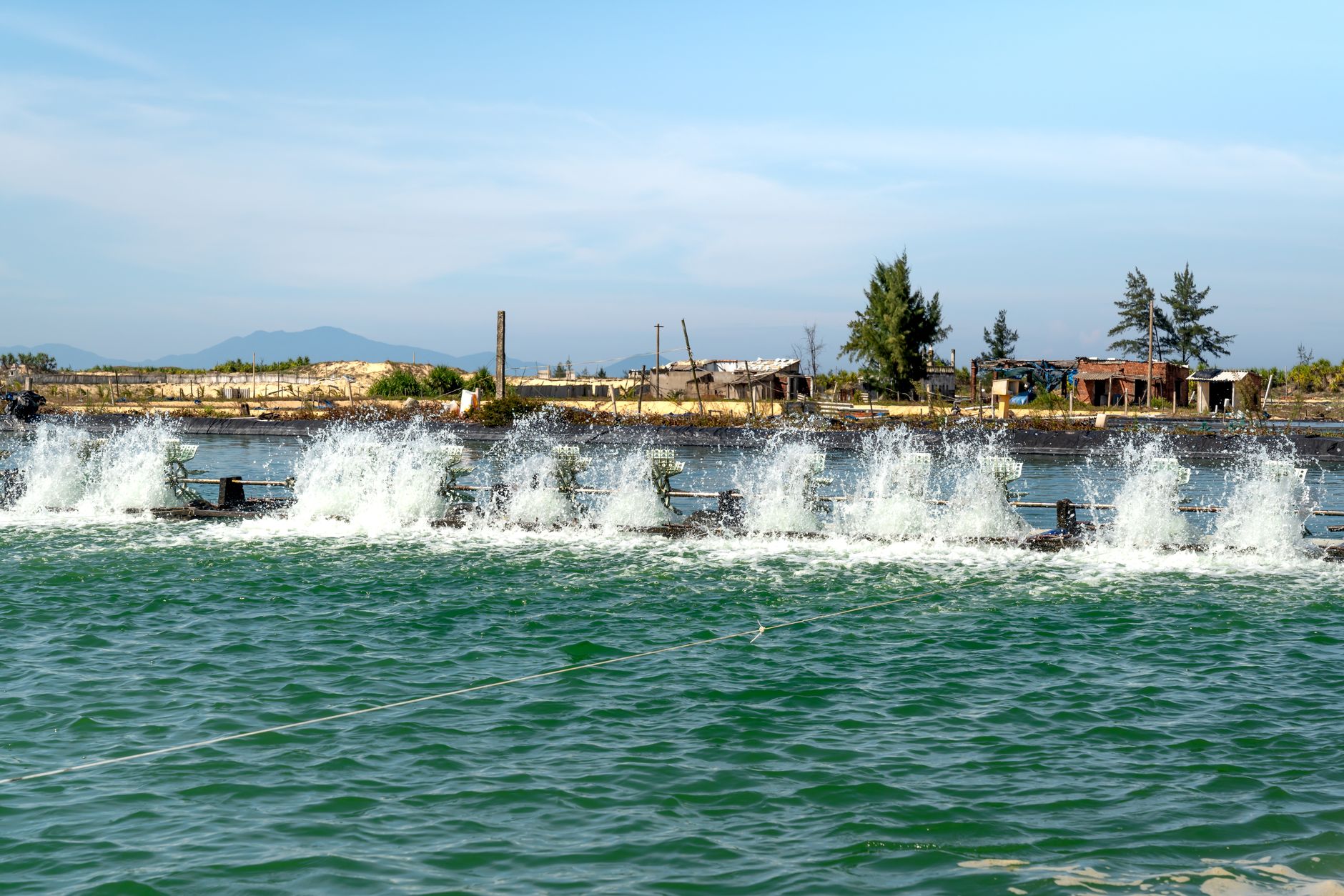
How Can I Aerate My Pond For Free?
Want to improve your pond’s health without spending a dime? You can aerate your pond for free by utilizing natural methods like waterfalls, fountains powered by gravity, strategically placed plants, and wind-powered surface agitation, all of which help increase dissolved oxygen levels and create a healthier aquatic environment.
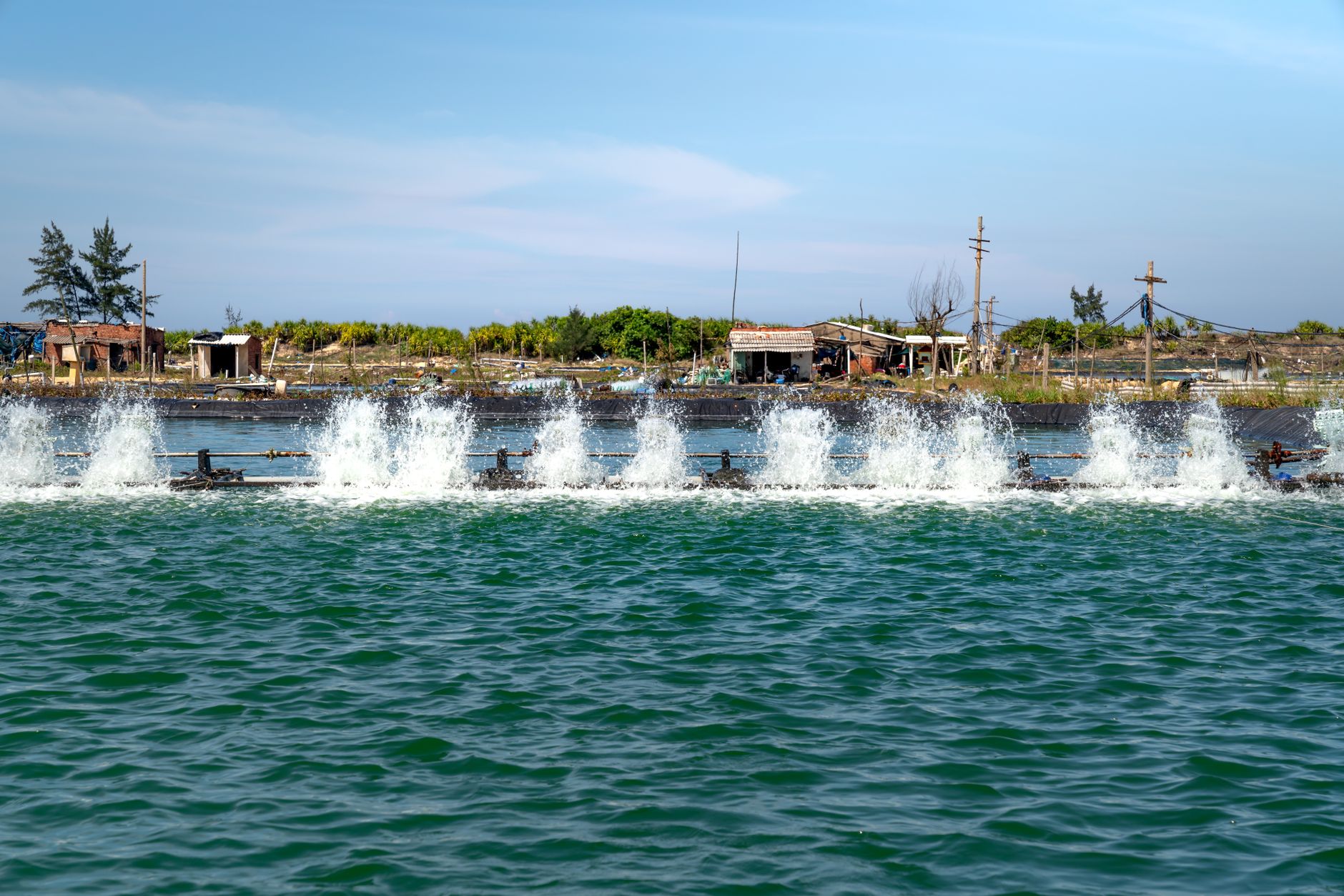
Introduction to Pond Aeration
A thriving pond ecosystem hinges on one vital element: dissolved oxygen. Insufficient oxygen levels can lead to a cascade of problems, including fish kills, excessive algae growth, and unpleasant odors. While commercial aeration systems are effective, they can be costly to purchase and maintain. Fortunately, there are several ways you can aerate your pond for free, leveraging natural processes and some simple DIY techniques. Let’s explore these methods in detail.
Benefits of Pond Aeration

Adequate aeration provides numerous benefits for your pond’s health and aesthetics. These advantages include:
- Improved Water Quality: Increased dissolved oxygen reduces the build-up of harmful substances like ammonia and hydrogen sulfide.
- Healthier Fish: Sufficient oxygen levels are crucial for fish survival and overall health.
- Reduced Algae Growth: Aeration helps to disrupt algae blooms by promoting the growth of beneficial bacteria that compete with algae for nutrients.
- Odor Control: Aeration helps to break down organic matter, reducing foul odors.
- Enhanced Biodiversity: A well-aerated pond supports a wider range of aquatic life.
Free Aeration Methods: A Detailed Guide
How can I aerate my pond for free? There are several strategies you can use:
- Waterfalls and Cascades: These are a visually appealing and highly effective method. The falling water introduces oxygen into the pond as it splashes and mixes with the surface water.
- Construction: Use rocks, logs, or other natural materials to create a cascade. You can use a gravity-fed system, drawing water from the highest point of the pond and letting it flow downhill. Ensure the waterfall is substantial enough to create significant water agitation.
- Fountains (Gravity-Fed): Similar to waterfalls, fountains also increase surface agitation, promoting oxygen exchange.
- Construction: Construct a gravity-fed fountain using a series of pipes and containers. Water is pumped (initially – then gravity takes over) to an elevated container and then allowed to flow back into the pond through a nozzle or sprinkler head.
- Strategic Plant Placement: Certain aquatic plants, particularly oxygenating plants, release oxygen into the water during photosynthesis.
- Plant Selection: Choose plants like Elodea, Anacharis, Cabomba, and Vallisneria. Plant them in submerged areas where they can thrive and contribute to oxygen production.
- Surface Agitation via Wind: If your pond is in an area exposed to wind, you can enhance surface agitation, which in turn increases oxygen exchange.
- Implementation: Remove barriers that block the wind from reaching the pond surface. You can also use floating structures, such as lily pads, to create more surface area for wind to act upon.
- Manual Surface Agitation: While not strictly “free” in terms of labor, using a rake or net to manually disturb the surface can temporarily increase oxygen levels. This is especially useful during periods of low oxygen, such as hot weather.
Considerations for Each Method
Each method has its own set of considerations. For instance, waterfalls require a slope or a way to elevate water, while strategic plant placement requires careful selection of plant species appropriate for your climate and pond environment. Wind-powered agitation is dependent on prevailing wind conditions.
Monitoring Pond Oxygen Levels
While these methods are free, it is essential to monitor your pond’s oxygen levels to ensure their effectiveness. You can use a dissolved oxygen test kit available at most aquarium or pond supply stores. Aim to maintain oxygen levels above 5 ppm for optimal fish health. Regular testing, especially during hot weather, is vital.
Common Mistakes to Avoid
- Overstocking Fish: Too many fish can deplete oxygen levels quickly.
- Excessive Feeding: Uneaten food decomposes and consumes oxygen.
- Over-fertilization of Plants: Excessive fertilizer can lead to algae blooms, which deplete oxygen at night.
- Ignoring Seasonal Changes: Oxygen levels tend to be lower during hot weather, so you may need to supplement aeration during these times.
Comparing Free Aeration Methods
| Method | Cost | Effectiveness | Maintenance | Best Suited For |
|---|---|---|---|---|
| Waterfall/Cascade | Free (Materials Only) | High | Moderate | Ponds with existing slopes |
| Gravity-Fed Fountain | Free (Materials Only) | Moderate | Low | Any pond |
| Oxygenating Plants | Free (After Initial Purchase) | Moderate | Low | Any pond |
| Wind Surface Agitation | Free | Low to Moderate | Very Low | Ponds in windy areas |
| Manual Surface Agitation | Free | Low | High | Emergency situations |

Frequently Asked Questions
What is dissolved oxygen and why is it important for my pond?
Dissolved oxygen (DO) is the amount of oxygen gas present in the water. It is essential for the survival of fish, aquatic insects, and beneficial bacteria. Low DO levels can lead to fish kills and unhealthy pond conditions.
How can I tell if my pond needs more aeration?
Signs that your pond may need more aeration include fish gasping at the surface, foul odors, excessive algae growth, and cloudy water. A dissolved oxygen test kit can provide a precise measurement.
Are there any specific plants that are best for oxygenating a pond?
Yes, Elodea, Anacharis, Cabomba, and Vallisneria are excellent oxygenating plants. They release oxygen during photosynthesis and help to maintain healthy oxygen levels.
Can I use a regular garden hose to create a makeshift waterfall?
While you can use a garden hose, it’s not ideal. A garden hose connected to a tap is not free, however; it uses municipal water and incurs a cost. It is also unlikely to provide adequate aeration compared to a properly constructed waterfall or cascade. Focus on creating a structure that mimics a natural waterfall for better results.
Will a pond skimmer help with aeration?
A pond skimmer primarily removes debris from the pond surface, preventing it from decomposing and consuming oxygen. While it indirectly contributes to better oxygen levels, it doesn’t actively aerate the water.
How often should I test the oxygen levels in my pond?
During the warmer months (spring and summer), it’s best to test oxygen levels at least once a week, and even more frequently during heatwaves or if you notice signs of low oxygen. In cooler months, testing can be done less frequently.
Are there any disadvantages to using free aeration methods?
The main disadvantage is that these methods may not be as effective as commercial aeration systems in heavily stocked or very large ponds. Also, their effectiveness can be weather-dependent.
How can I increase the effectiveness of my free aeration methods?
Combine multiple methods for better results. For example, use a waterfall in conjunction with oxygenating plants. Also, ensure the methods are properly sized and positioned for optimal performance.
Does the size of my pond matter when choosing aeration methods?
Yes, the size of your pond will influence the effectiveness of free aeration methods. Larger ponds may require more substantial waterfalls or more oxygenating plants to achieve adequate oxygen levels.
How does pond depth affect aeration?
Deeper ponds can have lower oxygen levels near the bottom due to stratification (layers of water with different temperatures and oxygen levels). Aeration methods that mix the water column, such as waterfalls and fountains, are particularly beneficial for deeper ponds.
Is it possible to over-aerate a pond?
While rare with free aeration methods, excessive aeration can lead to nitrogen loss and potentially harm sensitive aquatic life. However, it’s more of a concern with powerful mechanical aerators.
How can I aerate my pond for free during winter if it freezes over?
When a pond freezes over, it is extremely difficult to use aeration methods such as waterfalls and fountains without additional equipment. In winter, focus on ensuring adequate gas exchange. You can achieve this by creating a small hole in the ice with a rubber mallet or similar tool (be careful not to harm the liner!). This allows gases like carbon dioxide to escape and some oxygen to enter the water. Never break the ice with a hammer, as the shockwaves can harm fish. Oxygenating plants will be less effective during the winter as they will not be photosynthesizing actively.