
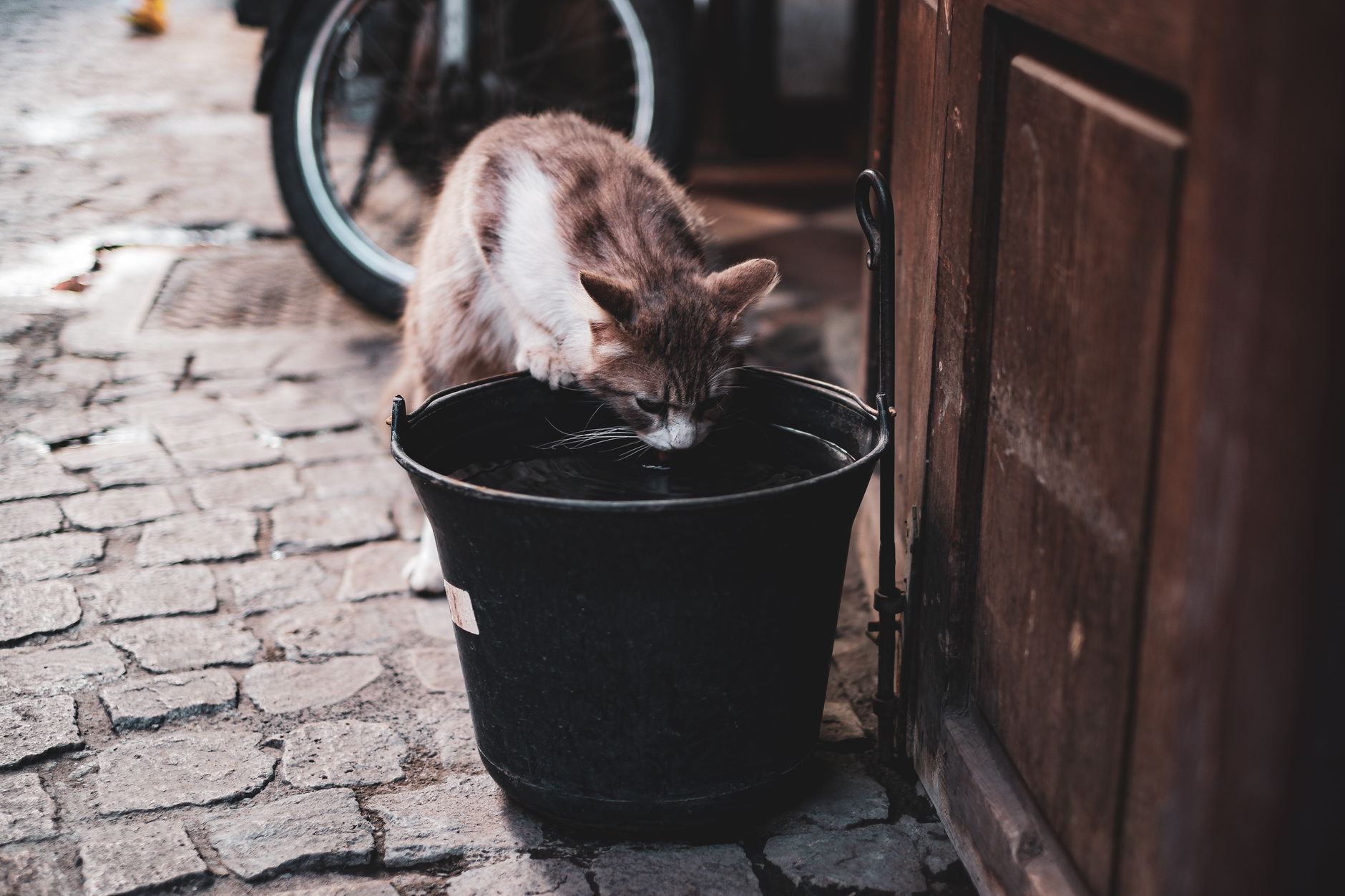
Why Does My Cat Refuse to Drink Water? A Deep Dive
Many cat owners worry when their feline friend avoids the water bowl. The reasons why your cat refuses to drink water are often varied, ranging from instincts and preferences to underlying medical conditions, but understanding these causes is crucial for ensuring your cat stays hydrated and healthy.

Understanding Feline Hydration Habits
Cats, unlike dogs, have a lower thirst drive. This stems from their evolutionary roots as desert animals, primarily obtaining moisture from their prey. While domesticated cats consume dry kibble, this doesn’t always trigger their thirst reflex, leading to potential dehydration if not addressed.
Reasons Behind the Water Bowl Rejection

Several factors can contribute to a cat’s aversion to drinking water. Identifying the root cause is the first step towards resolving the issue.
- Instinctual Preferences: Cats prefer fresh, flowing water. Still water in a bowl can seem stagnant and potentially unsafe to them.
- Bowl Placement: A water bowl positioned near a litter box or food bowl might be perceived as contaminated. Cats prefer their water source to be separate from these areas.
- Bowl Material: Some cats are sensitive to the taste or smell of certain bowl materials, such as plastic. Stainless steel, ceramic, or glass are generally better options.
- Water Quality: Cats are discerning drinkers and can be sensitive to the taste of tap water, which might contain chlorine or other additives.
- Medical Conditions: Certain medical conditions, such as kidney disease or diabetes, can either increase or decrease a cat’s water intake, sometimes causing them to avoid water altogether in the early stages.
- Diet: Cats primarily fed dry food may not feel compelled to drink as much water.
Identifying Dehydration in Your Cat
Recognizing the signs of dehydration is crucial. Look out for:
- Lethargy: A noticeable decrease in energy levels.
- Sunken Eyes: Eyes that appear to be set deeper in their sockets.
- Dry Gums: Gums that are sticky and less moist than usual.
- Skin Tenting: Gently pull up the skin at the back of the neck. If it returns slowly, your cat may be dehydrated. Seek veterinary advice immediately if this occurs.
Strategies to Encourage Water Intake
Encouraging your cat to drink more water is essential for their health. Here are several effective strategies:
- Fresh Water: Change the water in their bowl at least twice a day to ensure it’s fresh and appealing.
- Multiple Water Sources: Place water bowls in various locations throughout your home.
- Elevated Bowls: Some cats prefer elevated water bowls, as they can be more comfortable to drink from.
- Water Fountains: Cats are often attracted to running water. A pet water fountain can stimulate their interest and encourage them to drink.
- Wet Food: Supplement their diet with wet food, which has a higher moisture content than dry kibble.
- Flavor Infusion: Add a small amount of tuna juice (unsalted) or chicken broth (low sodium) to the water to entice them to drink.
- Ice Cubes: Some cats enjoy playing with and licking ice cubes.
When to Consult a Veterinarian
If you’ve tried various strategies and your cat still refuses to drink water, or if you observe any signs of dehydration or illness, consult your veterinarian immediately. They can rule out any underlying medical conditions and provide appropriate treatment. A vet is the best resource if you’re worried about why your cat refuses to drink water.
Frequently Asked Questions
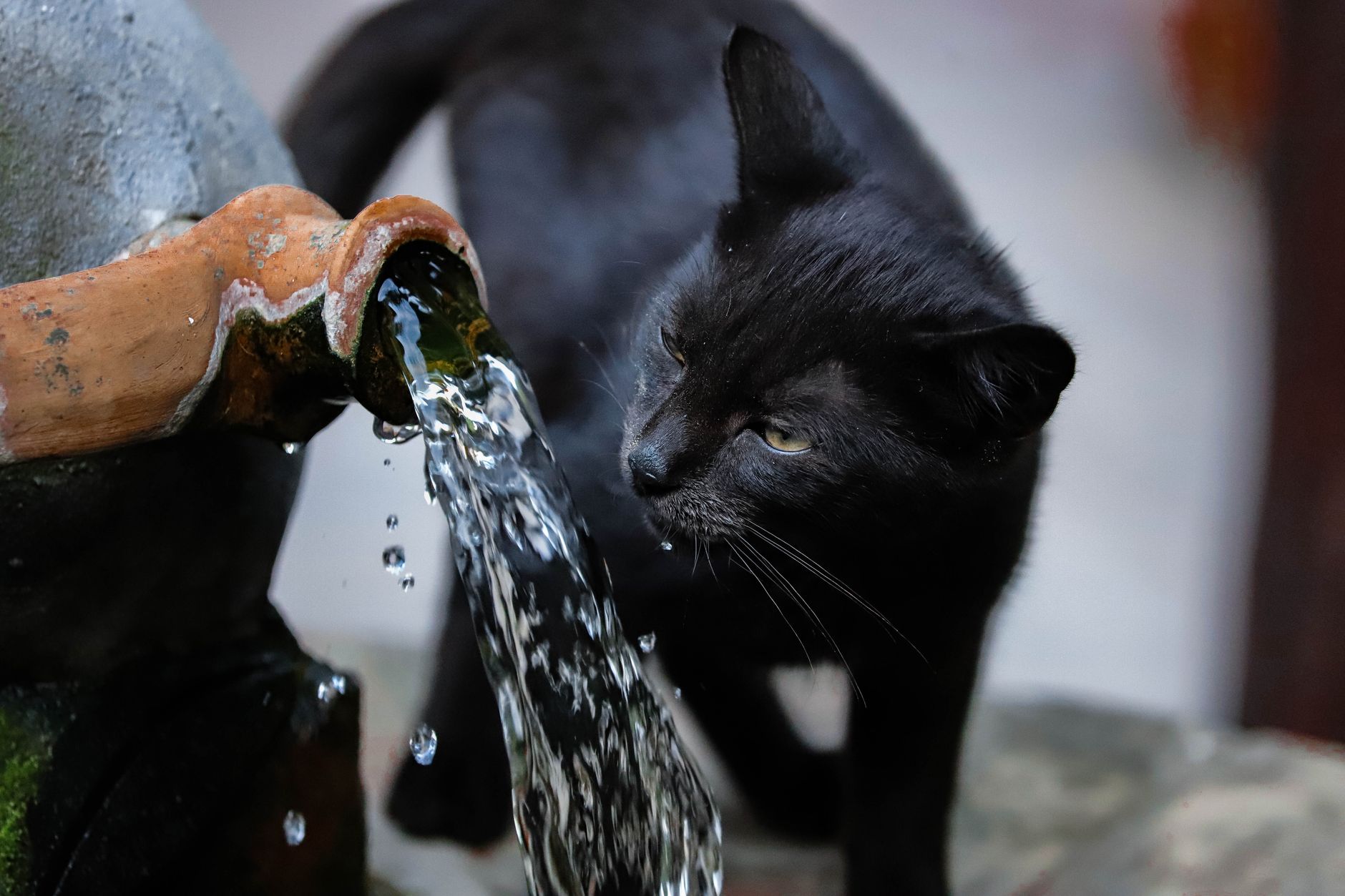
Why does my cat only drink from the faucet?
Some cats develop a preference for running water due to its perceived freshness and movement. The movement can activate their hunting instincts, making drinking from the faucet more appealing than a static water bowl. Consider investing in a pet water fountain to mimic this experience.
Is it normal for my cat to drink very little water?
Cats naturally have a lower thirst drive compared to dogs. If your cat primarily eats wet food, they may obtain most of their hydration from their meals, resulting in less water consumption from the bowl. However, always monitor their overall hydration and consult a vet if you have concerns.
Can dehydration cause serious health problems in cats?
Yes, dehydration can lead to serious health complications in cats, including kidney problems, urinary tract infections, and constipation. Chronic dehydration can worsen existing conditions and compromise their overall health. Ensuring adequate hydration is vital.
My cat seems afraid of the water bowl. What could be the reason?
A cat’s fear of the water bowl could stem from several reasons: a negative experience near the bowl (like a sudden noise), sensitivity to the bowl material (plastic odor), or the bowl’s placement (too close to the litter box). Try changing the bowl’s location, using a different material, or introducing the bowl gradually with treats.
How much water should my cat drink daily?
A general guideline is that cats should consume approximately 3.5 to 4.5 ounces of water per 5 pounds of body weight daily. However, this can vary based on their diet (wet vs. dry food), activity level, and overall health. Observe your cat’s drinking habits and consult your vet for personalized recommendations.
Are stainless steel water bowls better for cats?
Yes, stainless steel water bowls are often preferred over plastic bowls. They are durable, easy to clean, and less likely to harbor bacteria. Plastic bowls can retain odors and flavors that deter cats from drinking.
Can I give my cat flavored water?
Yes, you can offer your cat flavored water to encourage hydration. However, choose cat-safe options such as unsalted tuna juice, low-sodium chicken broth, or diluted bone broth. Avoid anything with artificial sweeteners, onions, or garlic, as these can be toxic to cats.
What is skin tenting, and how does it indicate dehydration?
Skin tenting is a method to assess hydration. Gently pinch the skin at the back of the cat’s neck and release it. In a well-hydrated cat, the skin will return to its normal position quickly. If the skin returns slowly or remains tented, it indicates dehydration and warrants immediate veterinary attention.
My cat only eats dry food. How can I increase their water intake?
If your cat primarily eats dry food, focus on supplementing their diet with wet food to increase their moisture intake. Additionally, provide multiple water sources, use a water fountain, and consider adding a small amount of flavored water to entice them to drink more. You could also soak the dry food in water slightly to increase moisture content. This might improve why your cat refuses to drink water.
Does the temperature of the water matter to cats?
Some cats have a preference for water temperature. Experiment with slightly warm or cool water to see if your cat prefers one over the other. Avoid extremely cold or hot water. Many cats seem to prefer room-temperature water.
Can stress cause my cat to drink less water?
Yes, stress can significantly impact a cat’s drinking habits. Changes in their environment, new pets, or loud noises can all cause stress and lead to decreased water intake. Provide a calm and secure environment, ensure their water bowl is in a safe and accessible location, and address any stressors to encourage healthy hydration.
What if my cat is drinking excessively? Is that a cause for concern?
While this article focuses on lack of drinking, excessive water intake (polydipsia) is also a cause for concern and requires veterinary attention. It can be a sign of underlying medical conditions such as kidney disease, diabetes, or hyperthyroidism. A vet can diagnose the cause and recommend appropriate treatment.