

Should You Allow Your Dog to Lick Your Lips? Weighing the Risks and Rewards
Absolutely not. While seemingly affectionate, allowing your dog to lick you on the lips presents potential health risks due to the transfer of bacteria and parasites.
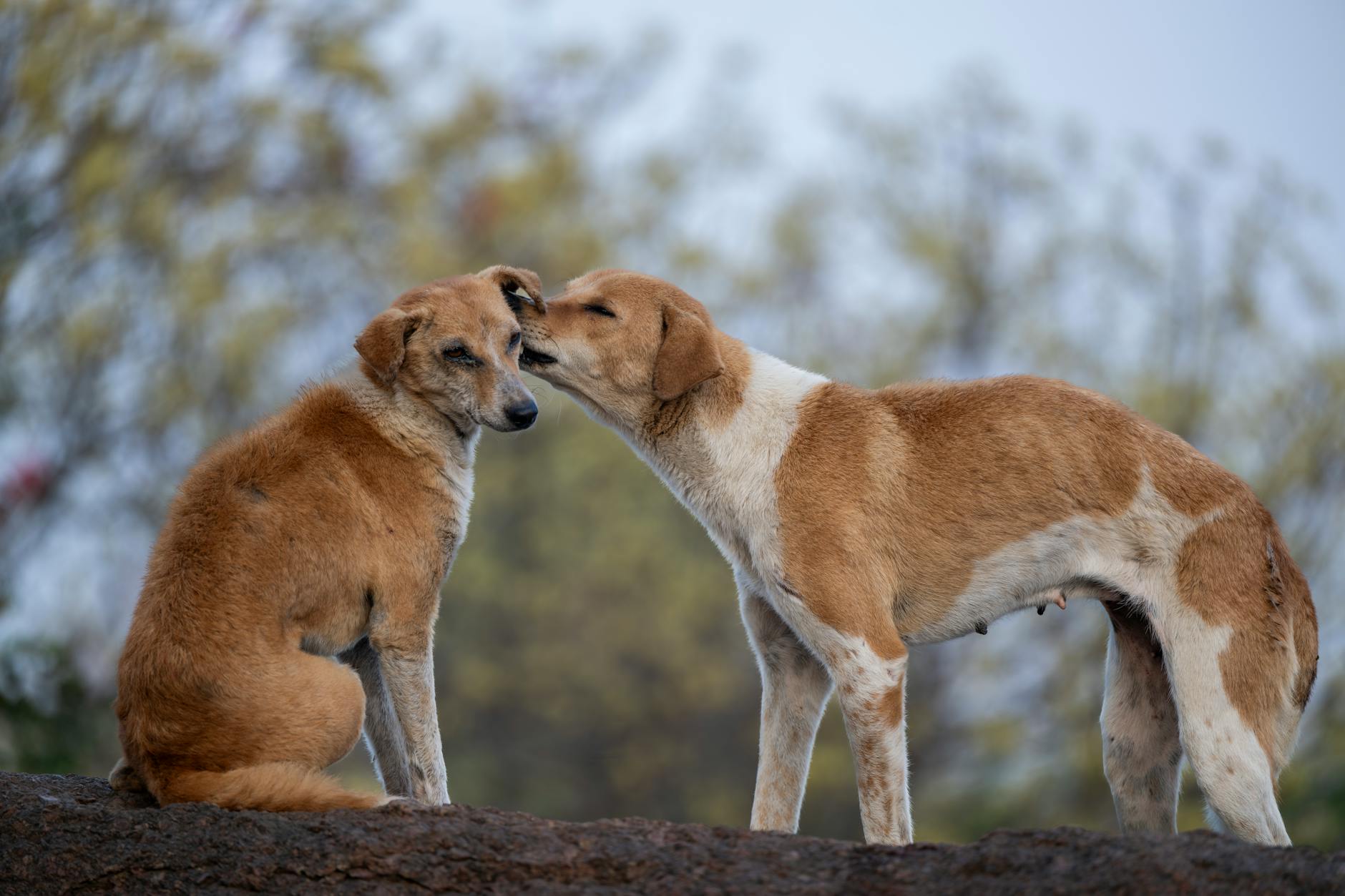
The Complex World of Canine Oral Microbiomes
The bond between humans and dogs is ancient and profound. A wet nose nudge, a happy tail wag, and yes, even a lick, are all part of the canine communication system. However, beneath the surface of these gestures lies a complex microbial world. A dog’s mouth, while not necessarily “dirty” in the traditional sense, harbors a diverse collection of bacteria, some of which are potentially harmful to humans. Understanding this microbiome is crucial to answering the question: Should I let my dog lick me on the lips?
Potential Risks: From Bacteria to Parasites

The primary concern surrounding dog kisses, especially on the lips, stems from the transfer of bacteria and parasites. Dogs explore the world with their mouths, picking up all sorts of things along the way. While their immune systems are often equipped to handle these encounters, our immune systems may not be.
Consider these potential risks:
- Bacteria: E. coli, Salmonella, and Campylobacter are just a few of the bacteria that can be present in a dog’s saliva. These bacteria can cause gastrointestinal distress, leading to symptoms like diarrhea, vomiting, and abdominal cramps.
- Parasites: Internal parasites, such as Giardia and Cryptosporidium, can be transmitted through fecal matter. Even if a dog appears clean, trace amounts of fecal matter can linger around their mouth, especially if they engage in behaviors like cleaning themselves.
- Zoonotic Diseases: These are diseases that can be transmitted from animals to humans. While rabies is a serious concern, it’s rare in vaccinated dogs. However, other zoonotic diseases are less well-known but still pose a risk.
- Wounds and Skin Irritations: A dog’s saliva can contain bacteria that can infect open wounds or irritate sensitive skin. Even small cuts or abrasions on the lips can become infected.
The Perceived Benefits: Love and Affection
Despite the potential risks, many dog owners allow their dogs to lick them, believing it is a sign of love and affection. Dogs lick as a form of social bonding, learned from their mothers. It releases endorphins, making both the dog and the owner feel good. However, there are other ways to show and receive affection from your dog that don’t involve potential health risks.
Alternative Ways to Show Affection
Building a strong bond with your dog doesn’t require sharing saliva. There are countless ways to express love and affection that are safer for both you and your furry friend:
- Verbal praise: Dogs respond well to positive reinforcement.
- Physical affection: Petting, scratching, and cuddling are great ways to bond.
- Playing games: Engaging in interactive play strengthens the bond and provides mental stimulation.
- Training sessions: Training provides mental stimulation and strengthens the bond through positive reinforcement.
- Going for walks: Exploring the outdoors together is a great way to bond and get exercise.
Should I let my dog lick me on the lips? – The Verdict
Given the potential health risks associated with bacterial and parasitic transfer, allowing your dog to lick you on the lips is generally not recommended. There are plenty of other, safer ways to show affection and bond with your dog.
When to Seek Veterinary Advice
If you experience any symptoms of illness after being licked by your dog, consult your doctor. Additionally, ensure your dog is regularly vaccinated and dewormed to minimize the risk of transmitting diseases. Regular veterinary checkups are essential for maintaining your dog’s health and protecting your own.
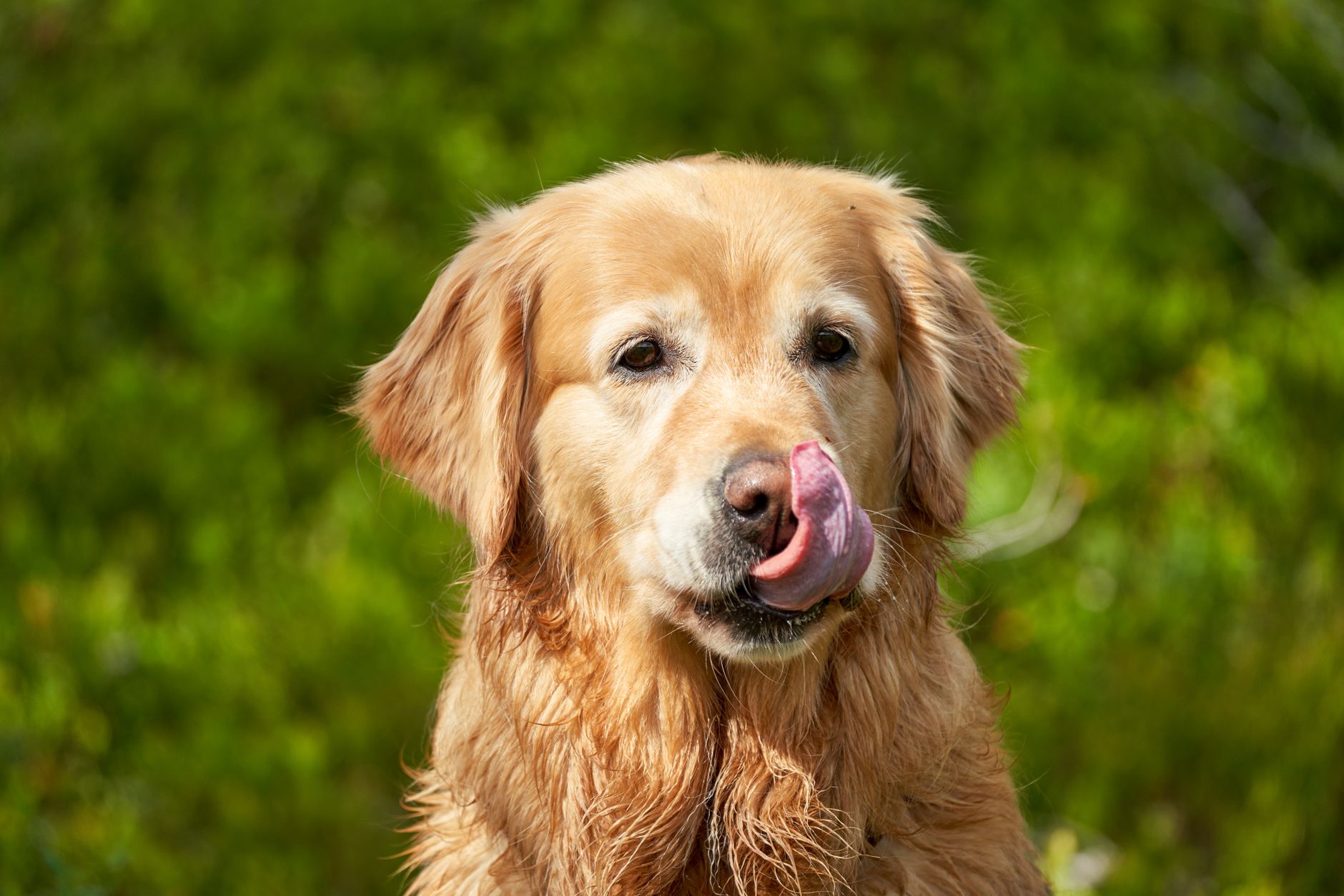
Frequently Asked Questions (FAQs)
Is it safer to let my dog lick me on other parts of my body?
While licking other parts of the body might seem less risky than licking the lips, it’s still not entirely risk-free. Open wounds or sensitive skin can still become infected. Washing the area thoroughly with soap and water after being licked is recommended, but the safest approach is to discourage licking altogether.
My dog is very clean and healthy. Does that make it safer?
Even if your dog appears healthy and well-groomed, they can still carry bacteria and parasites that are harmful to humans. Many carriers of disease are asymptomatic, meaning they show no visible signs of illness. Therefore, assuming a dog is safe to lick you based on appearance is not a reliable strategy.
Are there any specific populations that are more at risk from dog saliva?
Yes. Individuals with weakened immune systems (e.g., those undergoing chemotherapy, taking immunosuppressants, or living with HIV/AIDS), young children, and the elderly are particularly vulnerable to infections transmitted through dog saliva. These populations should be especially cautious about allowing dogs to lick them.
Can I use antibacterial mouthwash after being licked to prevent infection?
While antibacterial mouthwash might help reduce the number of bacteria in your mouth, it’s not a guaranteed solution. It’s best to wash the affected area thoroughly with soap and water. Relying solely on mouthwash is not a substitute for avoiding contact with dog saliva.
What if my dog licks my child’s face? Is that more dangerous?
Children are more susceptible to infections because their immune systems are still developing. They also tend to have less developed hygiene habits, making them more likely to ingest bacteria. Discouraging dogs from licking children’s faces is crucial.
My dog licks his genitals, then licks me. Is that a problem?
Yes, absolutely. This significantly increases the risk of transmitting harmful bacteria and parasites. Fecal matter can easily contaminate the genital area, and licking can transfer these pathogens to your mouth or skin. Prevent this behavior by redirecting your dog when you see them engaging in it.
Is it possible to get rabies from a dog lick?
While rabies is a serious concern, it’s extremely rare in vaccinated dogs in developed countries. However, it’s essential to ensure your dog is up-to-date on their rabies vaccination. If you are bitten or scratched by a dog, particularly one that is not vaccinated, seek immediate medical attention.
What about dogs that eat poop? Does that make them more dangerous?
Dogs that engage in coprophagy (eating poop) are at a higher risk of carrying and transmitting parasites and bacteria. This behavior significantly increases the amount of harmful microorganisms in their mouth. If your dog eats poop, be extra cautious about preventing them from licking you.
If I’m healthy, do I really need to worry about dog licks?
Even if you’re healthy, you can still contract an infection from dog saliva. While your immune system might be strong enough to fight it off, there’s still a risk of developing gastrointestinal distress or other health problems. It’s always better to err on the side of caution and avoid contact with dog saliva.
What if I accidentally get licked by my dog? What should I do?
If you accidentally get licked by your dog, don’t panic. Simply wash the affected area thoroughly with soap and water. If you have any open wounds or cuts, apply an antiseptic. Monitor the area for any signs of infection, such as redness, swelling, or pus.
How can I train my dog not to lick me?
Training your dog not to lick you requires consistency and positive reinforcement. When your dog starts to lick, gently redirect their attention with a command like “leave it” or “off.” Reward them with praise or a treat when they stop licking. Consistency is key to breaking this habit.
Does the size of the dog matter in terms of risk?
While size doesn’t directly influence the types of pathogens a dog carries, larger dogs may produce more saliva, potentially increasing the volume of bacteria transferred during a lick. Regardless of size, the fundamental principles of hygiene and risk mitigation remain the same: Should I let my dog lick me on the lips? The answer is still, in almost all cases, no.