
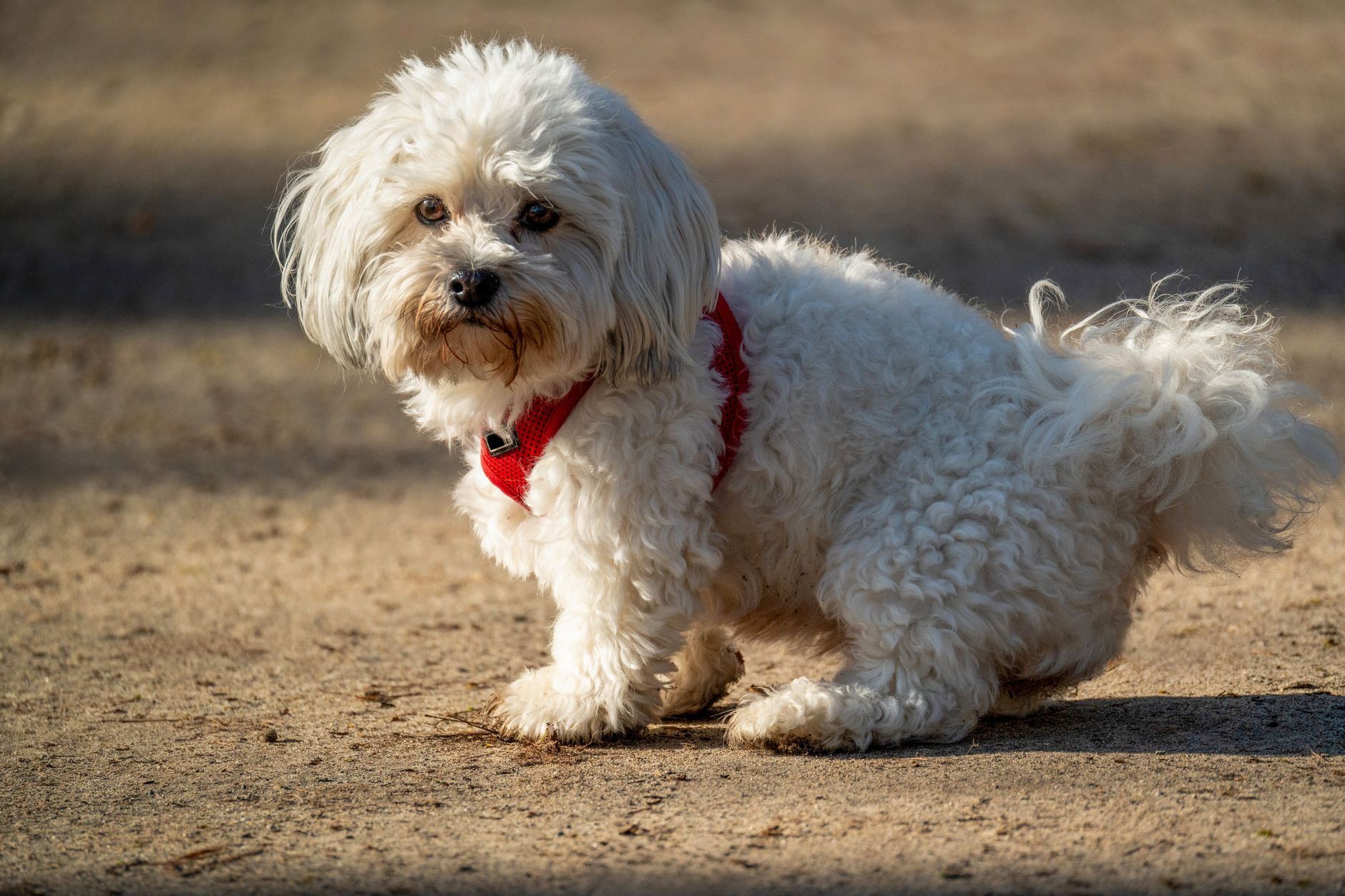
Why Do White Maltese Dogs Develop Those Unattractive Tear Stains? Understanding the Culprit
Why do white Maltese have tear stains? Excessive tear production and inadequate drainage, often combined with red yeast or bacteria, lead to tear stains in white Maltese dogs. These unsightly marks result from the pigment in tears (porphyrins) staining the fur around the eyes.

A Deeper Look at Tear Stains in Maltese
The charming Maltese, with its pure white coat, is a breed particularly susceptible to the reddish-brown discoloration known as tear stains. While tear stains can occur in any breed, they are significantly more noticeable on dogs with light-colored fur. To effectively manage and potentially prevent tear stains in your Maltese, understanding the underlying causes is paramount.

Do all amphibians have eyelids?
Why do cuttlefish have W-shaped eyes?
Do all snakes have poison in them?
What is the GREY African clawed frog?
The Primary Causes of Tear Stains
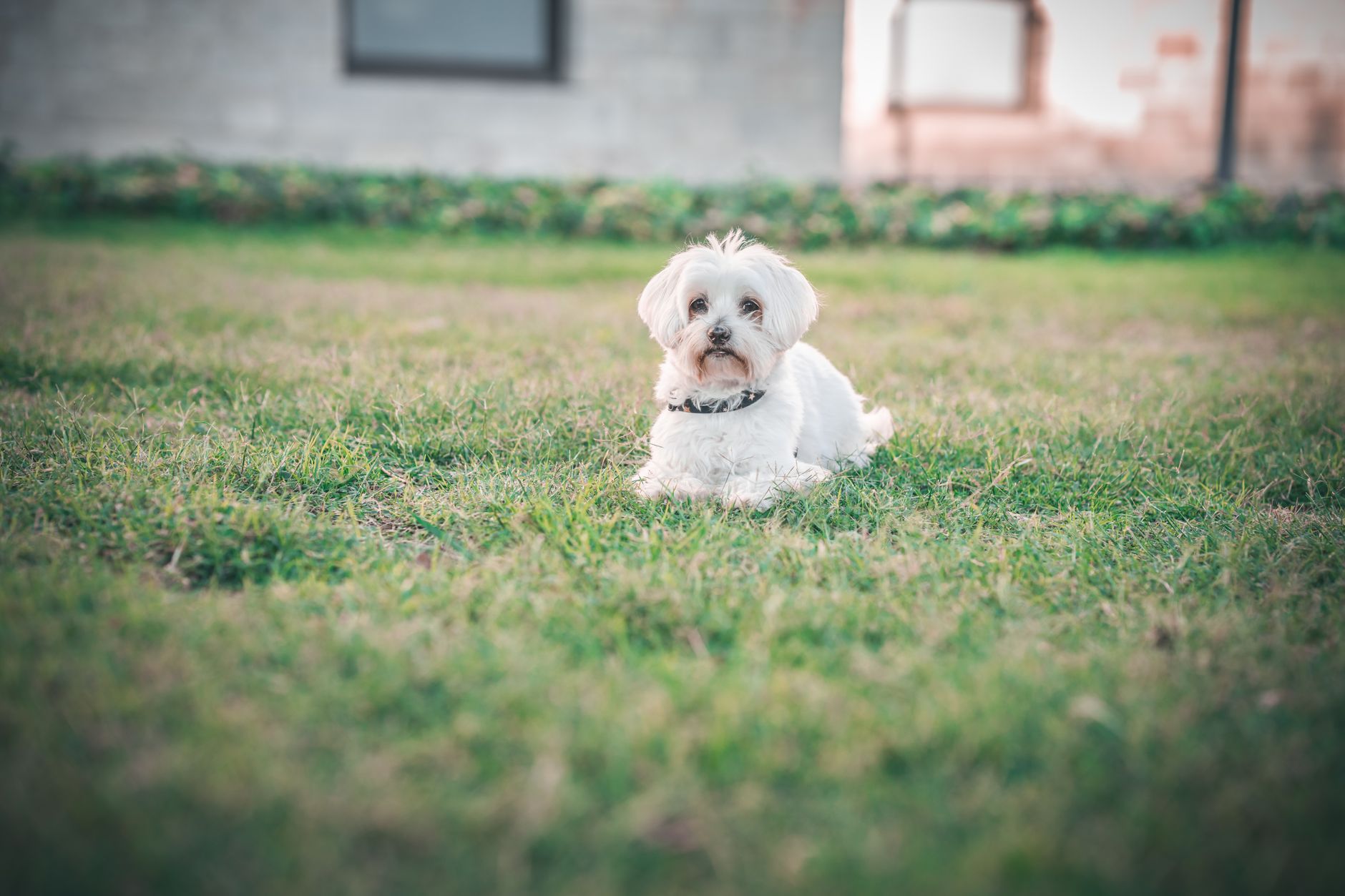
Several factors can contribute to tear staining in Maltese dogs. Often, it’s a combination of these issues that leads to the persistent staining many owners struggle with.
-
Epiphora (Excessive Tearing): This is the most common culprit. When a dog’s eyes produce more tears than can be properly drained, the overflow stains the surrounding fur. Reasons for epiphora include:
- Blocked Tear Ducts: These ducts are responsible for draining tears away from the eyes and into the nasal cavity. If blocked, tears have nowhere to go but down the face.
- Shallow Tear Ducts: Some Maltese are simply born with shallower tear ducts, making drainage less efficient.
- Irritants: Allergens (pollen, dust mites), irritants (smoke, shampoo), and even eyelashes growing inward (distichiasis) can trigger increased tear production.
- Eye Infections: Infections can also cause excessive tearing.
-
Porphyrins: Tears contain porphyrins, iron-containing molecules that are naturally excreted through tears, saliva, and urine. When exposed to air and sunlight, porphyrins oxidize and turn a reddish-brown color. This is the substance that permanently stains the fur.
-
Red Yeast/Bacteria: The damp environment created by excessive tearing provides a breeding ground for Malassezia, a type of red yeast, and other bacteria. These microorganisms contribute to the discoloration and can worsen the staining.
Managing and Preventing Tear Stains
While completely eliminating tear stains can be challenging, there are several strategies to minimize their appearance and prevent further staining.
-
Regular Cleaning:
- Use a soft, damp cloth or cotton ball to gently clean around the eyes daily.
- Consider using a veterinarian-approved tear stain remover specifically formulated for dogs. Avoid using products containing harsh chemicals that could irritate the eyes.
- Ensure the area is completely dry after cleaning.
-
Dietary Considerations:
- Feed a high-quality, grain-free dog food. Some believe that certain ingredients in dog food can contribute to increased tear production or allergies.
- Avoid artificial colors and flavors.
- Provide filtered water. Minerals in tap water may contribute to staining.
-
Veterinary Checkups:
- Regular veterinary examinations can help identify and address any underlying medical conditions contributing to tear staining, such as blocked tear ducts, eye infections, or allergies.
- Your veterinarian can also recommend appropriate medications or treatments if necessary.
-
Grooming Practices:
- Keep the hair around the eyes trimmed short to prevent irritation and reduce the surface area for staining.
- Regularly bathe your Maltese using a dog-specific shampoo that is gentle and non-irritating.
-
Consider a Dietary Supplement: Some owners report success with certain supplements containing probiotics which may reduce the overpopulation of yeast in the gut.
Addressing Underlying Medical Issues
It’s crucial to emphasize that tear staining can sometimes be a symptom of an underlying medical condition. Ignoring the issue could lead to more serious problems. If your Maltese has excessive tearing, redness, or discharge, consult your veterinarian to rule out conditions like:
- Glaucoma
- Conjunctivitis
- Ingrown eyelashes (Distichiasis)
- Entropion (inward rolling of the eyelid)
- Dry eye (Keratoconjunctivitis sicca)
Common Mistakes to Avoid
- Using human tear stain removers: These products may contain ingredients that are harmful to dogs.
- Over-cleaning: Excessive cleaning can irritate the skin around the eyes.
- Ignoring underlying medical issues: Treating the symptoms without addressing the root cause will not solve the problem.
- Using harsh chemicals: Avoid using bleach, hydrogen peroxide, or other harsh chemicals around the eyes.
Frequently Asked Questions
Why do white Maltese have tear stains and not other breeds?
White Maltese dogs display tear stains more prominently due to their light fur. While all dogs produce tears containing porphyrins, the reddish-brown staining is far more noticeable against a white background, making it appear as if the problem is more prevalent in this breed.
Are tear stains harmful to my Maltese?
Tear stains themselves are usually not harmful. However, the underlying causes of excessive tearing, such as blocked tear ducts or eye infections, can be problematic. Persistent dampness can also lead to skin irritation or secondary infections.
What is the best tear stain remover for Maltese dogs?
The best tear stain remover is one that is specifically formulated for dogs, gentle, and effective. Look for products that contain natural ingredients and avoid those with harsh chemicals. Always test the product on a small area first to ensure there is no adverse reaction. Your veterinarian can recommend a product as well.
How often should I clean my Maltese’s tear stains?
For best results, you should clean your Maltese’s tear stains daily. This helps to prevent the buildup of porphyrins and bacteria. Regular cleaning is key to maintaining a cleaner and healthier appearance.
Can diet affect tear stains in Maltese dogs?
Yes, diet can play a role in tear stains. Some dogs are sensitive to certain ingredients in dog food, such as grains, artificial colors, and flavors, which can trigger increased tear production. Switching to a high-quality, grain-free food may help reduce tear staining.
Are there any home remedies for tear stains?
Some owners have had success with home remedies such as diluted apple cider vinegar or colloidal silver. However, it’s important to use these remedies cautiously and consult with your veterinarian before trying them, as they may not be suitable for all dogs.
Can stress cause tear stains in Maltese dogs?
Stress can indirectly contribute to tear stains. Stress can weaken the immune system, making the dog more susceptible to infections and allergies, which can then lead to increased tear production and, subsequently, tear stains.
How can I tell if my Maltese has blocked tear ducts?
Signs of blocked tear ducts include excessive tearing, a wet face, and potentially a sticky discharge from the eyes. Your veterinarian can perform a diagnostic test to confirm whether the tear ducts are blocked.
Is surgery an option for blocked tear ducts?
In some cases, surgery may be necessary to correct blocked tear ducts. However, this is usually reserved for more severe cases where other treatments have failed. Consult with a veterinary ophthalmologist to determine if surgery is the best option for your dog.
Can allergies cause tear stains in Maltese dogs?
Yes, allergies are a common cause of excessive tearing. Allergens such as pollen, dust mites, and food ingredients can trigger an allergic reaction, leading to increased tear production and tear staining.
How can I prevent tear stains from recurring?
Preventing tear stains from recurring requires a multi-faceted approach. This includes regular cleaning, a healthy diet, addressing any underlying medical conditions, and maintaining good grooming practices. Consistency is key.
Are tear stains a sign of poor hygiene?
While tear stains can be exacerbated by poor hygiene, they are not necessarily a sign of it. Even with excellent hygiene, some dogs are simply predisposed to tear staining due to anatomical factors or underlying medical conditions. The root cause can only be revealed through veterinary diagnostics.