

Why Do Dogs Bite Some People and Not Others? Exploring Canine Aggression
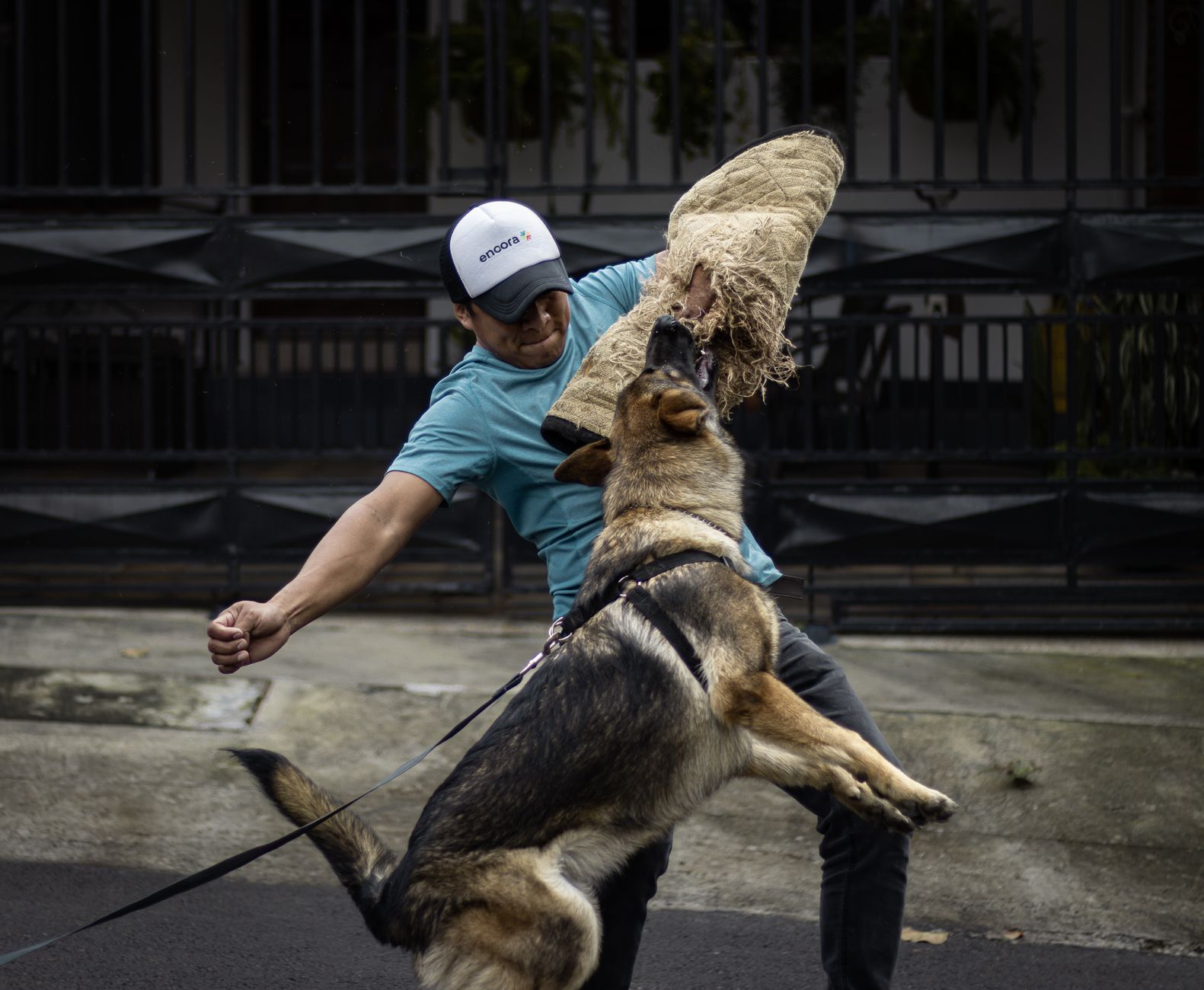
The question of why dogs bite some people and not others comes down to a complex interplay of individual dog temperament, learned behaviors, environmental factors, and the specific interactions between the dog and the potential bite victim. Understanding these factors is crucial for promoting safety and preventing dog bites.
Introduction: Unraveling the Mystery of Canine Bites
Dog bites are a serious public health concern, affecting millions each year. While some dogs are known for their gentle nature, others may exhibit aggressive behavior, leading to injury and fear. But why do dogs bite some people and not others? It’s rarely a simple answer. Instead, it’s a multifaceted puzzle involving the dog’s genetic predisposition, past experiences, and the nuances of human-animal interaction. This article delves into the complexities of canine aggression, exploring the reasons behind selective biting and offering insights into prevention and understanding.

What is the GREY African clawed frog?
Is distilled water good for goldfish?
What colours are fish most attracted to?
Can you put your finger in a trout's mouth?
The Canine Perspective: Temperament and Predisposition
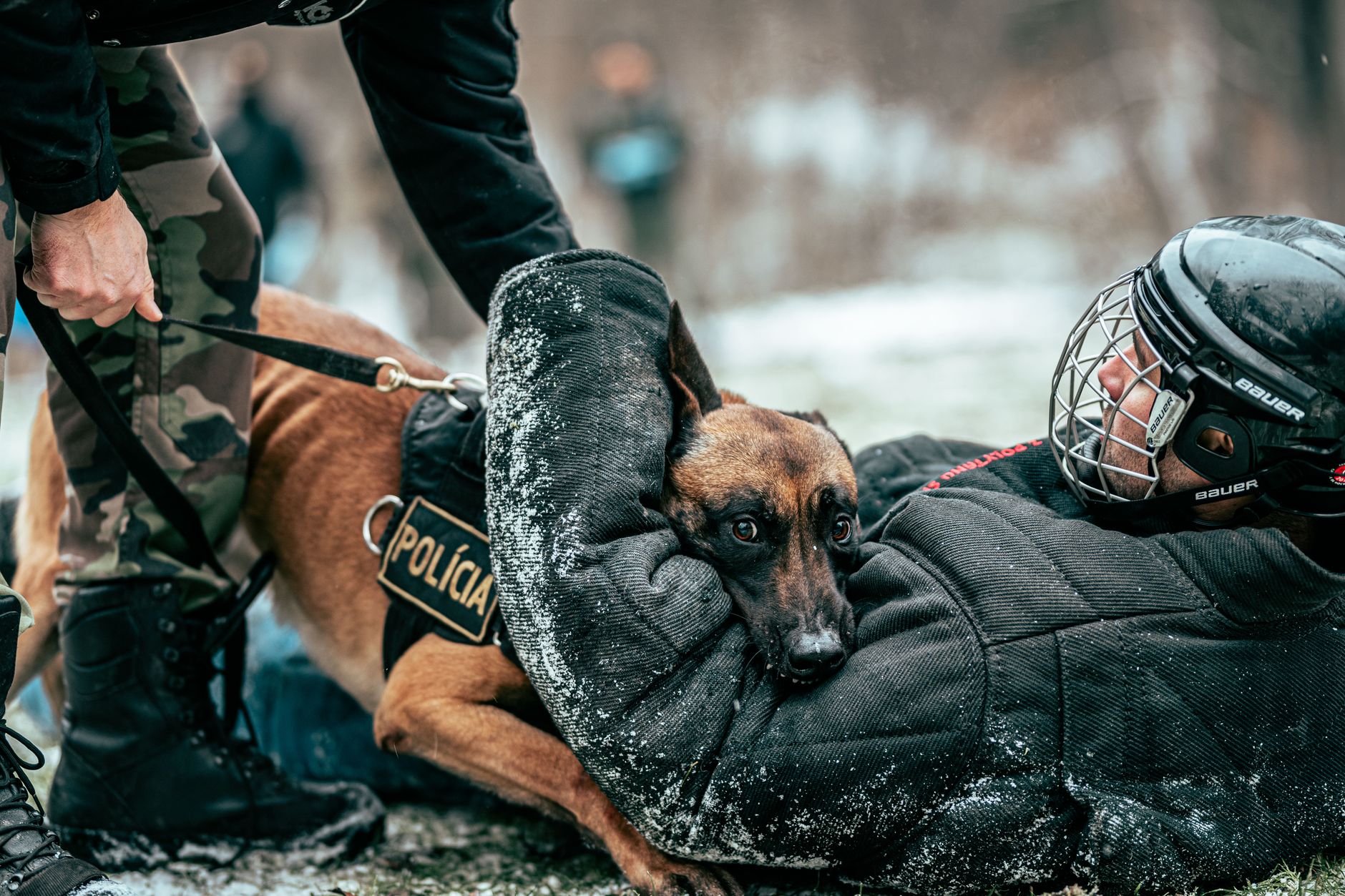
A dog’s inherent temperament plays a significant role in its likelihood to bite. Some breeds are genetically predisposed to certain behaviors, though this doesn’t guarantee aggression.
- Genetics: Certain breeds may have a higher propensity for guarding or territorial behaviors, potentially increasing the risk of biting if not properly managed.
- Early Socialization: A lack of early socialization with humans and other animals can lead to fear and anxiety, which can manifest as aggression.
- Individual Personality: Just like humans, dogs have individual personalities. Some are naturally more cautious, sensitive, or easily startled than others.
The Role of Experience: Learning and Conditioning
A dog’s past experiences, particularly during its formative months, significantly shape its behavior. Negative experiences, such as abuse or neglect, can create a fearful and aggressive dog.
- Trauma: Experiencing abuse, neglect, or other traumatic events can lead to heightened anxiety and a defensive response to perceived threats.
- Inconsistent Training: Inconsistent or harsh training methods can create confusion and fear, leading to unpredictable behavior and potential biting.
- Learned Aggression: Dogs may learn to bite if they are rewarded for aggressive behavior, even unintentionally.
Understanding Body Language: Communication Breakdown
Misinterpreting canine body language is a major contributing factor to dog bites. Recognizing the subtle cues a dog gives off can prevent a potential attack.
- Signs of Stress: Yawning, lip licking, whale eye (showing the whites of the eyes), and a tucked tail are all signs of stress and discomfort.
- Warning Signals: Growling, snapping, and showing teeth are clear warning signals that a dog is feeling threatened and may bite if pushed further.
- Ignoring the Signals: Failing to recognize and respect these signals can escalate the situation and increase the risk of a bite.
The Impact of Human Behavior: Provocation and Misunderstanding
Humans often unknowingly provoke dogs, leading to bites. Understanding appropriate interaction techniques is crucial.
- Invading Personal Space: Reaching for a dog’s head, hugging tightly, or approaching a dog when it’s eating or sleeping can be perceived as threatening.
- Lack of Respect: Ignoring a dog’s warning signals or pushing its boundaries can escalate the situation and lead to a bite.
- Child Interactions: Children are particularly vulnerable to dog bites due to their lack of understanding of canine body language and their tendency to engage in unpredictable behaviors.
Environmental Factors: Stressors and Triggers
The environment can significantly impact a dog’s behavior and increase the likelihood of biting.
- Territoriality: Dogs may become aggressive when defending their territory, especially against strangers or perceived threats.
- Pain and Illness: A dog experiencing pain or illness may be more likely to bite due to increased irritability and defensiveness.
- Competition: Competition for resources, such as food or toys, can trigger aggressive behavior between dogs and even towards humans.
Preventing Dog Bites: Education and Responsible Ownership
Preventing dog bites requires a multi-pronged approach, including education, responsible ownership, and understanding canine behavior.
- Education: Educating children and adults about canine body language and appropriate interaction techniques.
- Responsible Ownership: Proper training, socialization, and management of a dog’s environment are crucial for preventing aggression.
- Professional Help: Seeking help from a qualified dog trainer or behaviorist can address underlying behavioral issues and reduce the risk of biting.
Breed Specific Legislation: Controversy and Effectiveness
Breed Specific Legislation (BSL), which restricts or bans certain breeds deemed “dangerous,” is a controversial topic. While proponents argue that it reduces dog bites, opponents argue that it is ineffective and unfairly targets certain breeds. Evidence suggests that BSL is generally ineffective because it does not address the root causes of aggression.
The Importance of Early Socialization: Shaping a Well-Adjusted Dog
Early socialization is critical to developing a well-adjusted dog. Exposing puppies to a variety of people, animals, and environments during their formative months can help them become more confident and less fearful, reducing the likelihood of aggression. Socialization helps dogs learn appropriate social skills and develop a positive association with new experiences.
Recognizing Warning Signs: Proactive Prevention
Learning to recognize the warning signs of aggression is essential for preventing dog bites. These signs include:
- Stiff posture
- Raised hackles
- Lip curling
- Growling
- Snapping
- Lunging
By recognizing these signs, individuals can take proactive steps to avoid a bite, such as backing away slowly, avoiding direct eye contact, and giving the dog space.
Frequently Asked Questions (FAQs) About Dog Bites
Why are some breeds considered more dangerous than others?
While genetics can play a role, attributing aggression solely to breed is an oversimplification. Certain breeds may have been historically bred for specific tasks, such as guarding or fighting, which can influence their behavior, but individual training, socialization, and management are far more crucial factors in determining a dog’s temperament and likelihood of biting.
What should I do if a dog approaches me aggressively?
If a dog approaches you aggressively, avoid direct eye contact, stand still, and keep your arms at your sides. Do not run or scream. If the dog attacks, use anything available to protect yourself, such as a bag or jacket. If you fall, curl into a ball and protect your head and neck.
How can I teach my children to interact safely with dogs?
Teach children never to approach a dog without permission from the owner. They should avoid approaching a dog that is eating, sleeping, or caring for puppies. They should also learn to recognize signs of stress in dogs and to avoid hugging, kissing, or pulling on a dog’s ears or tail.
What is the best way to train a dog to prevent aggression?
The best training methods for preventing aggression involve positive reinforcement techniques. This includes rewarding desired behaviors with treats, praise, or toys, rather than using punishment. Consistency and early socialization are also crucial for shaping a well-adjusted and non-aggressive dog.
Is it possible to rehabilitate an aggressive dog?
Yes, it is possible to rehabilitate an aggressive dog, but it requires professional help from a qualified dog trainer or behaviorist. The process may involve behavior modification techniques, medication, and a carefully managed environment. The success of rehabilitation depends on the severity of the aggression, the dog’s history, and the owner’s commitment.
Does spaying or neutering affect a dog’s aggression?
Spaying or neutering can reduce certain types of aggression, such as territorial aggression and aggression related to mating behavior. However, it is not a guaranteed solution and may not affect all types of aggression. It’s always best to discuss this issue with your veterinarian.
What are the legal consequences of a dog bite?
The legal consequences of a dog bite vary depending on the state and local laws. Dog owners may be held liable for medical expenses, lost wages, and other damages resulting from a dog bite. In some cases, criminal charges may be filed.
How can I protect myself from liability if my dog bites someone?
To protect yourself from liability, maintain adequate insurance coverage, properly train and socialize your dog, and take precautions to prevent bites from occurring. This includes keeping your dog leashed in public, avoiding situations that may trigger aggression, and posting warning signs if your dog has a history of biting.
What is the role of animal shelters in preventing dog bites?
Animal shelters play a crucial role in preventing dog bites by carefully evaluating the temperament of dogs before adoption. They also provide education and resources to adopters on responsible pet ownership and bite prevention.
Are certain types of dogs more likely to bite children?
While any dog can bite, children are more vulnerable due to their size and lack of understanding of canine behavior. Dogs that are fearful, anxious, or poorly socialized may be more likely to bite children. It’s vital to teach children how to interact appropriately with all dogs.
What should I do immediately after a dog bite?
Immediately after a dog bite, wash the wound thoroughly with soap and water. Seek medical attention, especially if the bite is deep or if you have not been vaccinated against tetanus. Report the bite to animal control authorities to help prevent future incidents.
Why do some dogs seem to dislike certain people on sight?
This often stems from subtle cues that humans are unaware of. Dogs can detect fear, anxiety, or discomfort through body language and scent. A person’s demeanor, posture, or even the way they smell can trigger a negative reaction in a dog based on past associations or innate sensitivities. Why do dogs bite some people and not others? It’s a mix of sensory input and learned behavior.