

Why Coyotes Seldom Dine on Badgers: Understanding the Apex Predator Dynamic
The answer to why coyotes rarely eat badgers lies in their mutualistic hunting relationship and the badger’s formidable defenses. While coyotes are opportunistic carnivores, badgers are more often partners than prey.
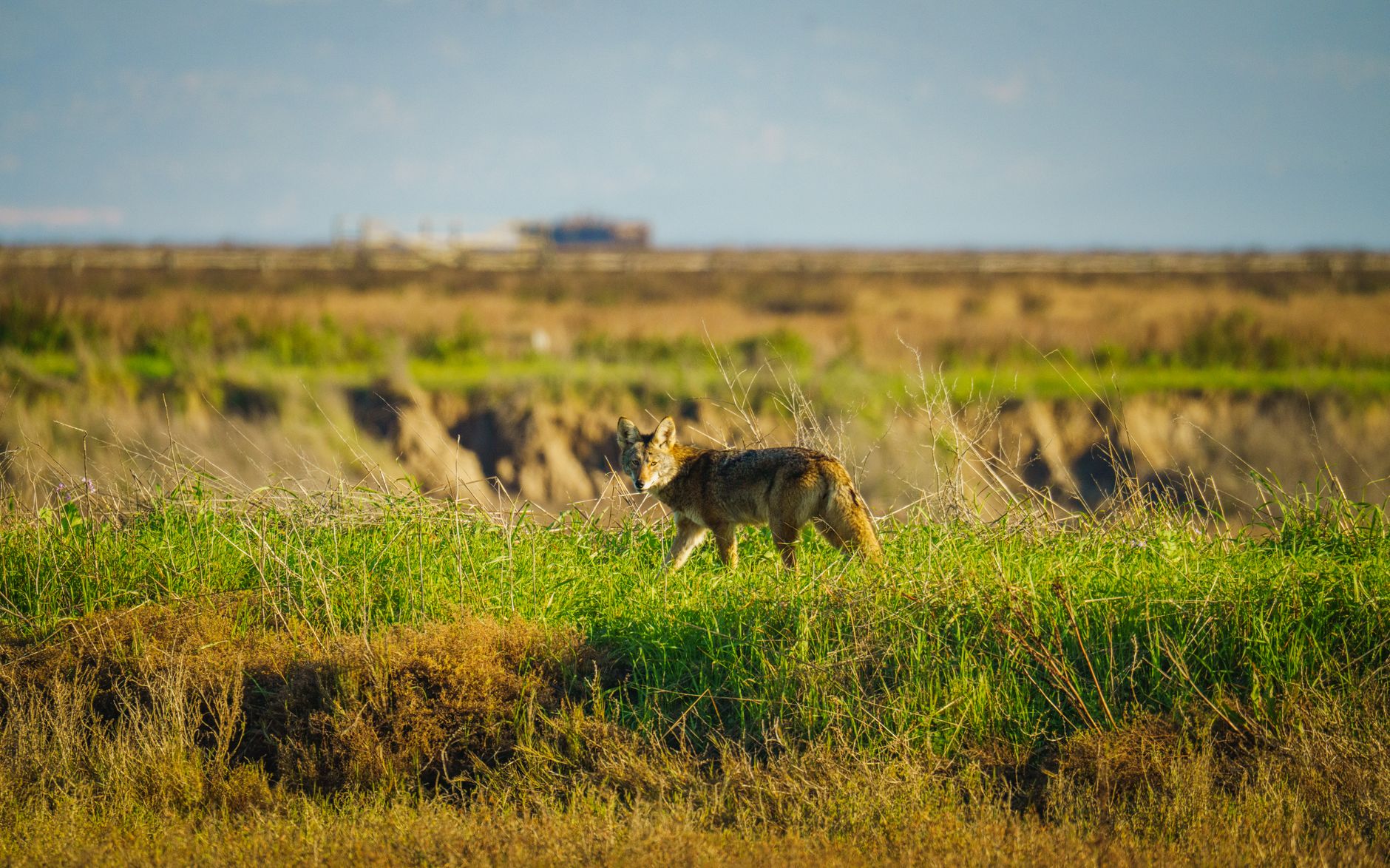
Introduction: Unraveling the Coyote-Badger Paradox
The American West presents a tapestry of ecological relationships, many of which seem counterintuitive at first glance. Among the most fascinating is the interaction between coyotes and badgers. While both are predators, the traditional prey-predator dynamic is often subverted by a cooperative hunting strategy. This raises the intriguing question: Why do coyotes not eat badgers? The answer is multifaceted, rooted in practical benefits, defensive capabilities, and the broader ecological context.

Why is the Chicxulub Crater not visible?
What is the GREY African clawed frog?
Is distilled water good for goldfish?
What colours are fish most attracted to?
The Cooperative Hunting Alliance: A Symbiotic Partnership

Coyotes and badgers, despite their contrasting appearances and hunting styles, frequently engage in cooperative hunting. This benefits both species by increasing their hunting success rate.
- Badger’s Underground Expertise: Badgers are powerful diggers, capable of excavating burrows and flushing out ground squirrels, prairie dogs, and other rodents that reside underground.
- Coyote’s Surface Agility: Coyotes are swift and agile runners, adept at pursuing prey above ground.
- The Combined Strategy: The badger’s digging forces prey to flee, often into the path of the waiting coyote. Conversely, the coyote’s presence above ground prevents prey from escaping the badger’s relentless pursuit underground.
Badger Defense Mechanisms: A Formidable Opponent
While coyotes are opportunistic eaters, badgers aren’t an easy meal. Their physical attributes and defensive strategies make them a challenging target.
- Thick Skin and Loose Hide: Badgers possess remarkably thick skin and a loose hide, making it difficult for predators to inflict serious damage.
- Powerful Claws: Their front claws are exceptionally strong and sharp, designed for digging but equally effective for defense. A badger can deliver a painful and potentially debilitating scratch.
- Muscular Build: Badgers are surprisingly strong and muscular, capable of putting up a fierce fight against larger predators.
- Defensive Odor: Like skunks, badgers can release a pungent odor from their anal glands when threatened, deterring potential attackers.
- Aggressive Nature: Badgers are notoriously tenacious and fearless, often standing their ground against larger predators rather than fleeing.
Prey Availability: An Abundance of Easier Targets
The primary reason why coyotes do not eat badgers frequently is simply because there are easier prey options available. Coyotes are opportunistic omnivores, and their diet consists of a wide range of animals, including:
- Rodents (mice, voles, gophers, ground squirrels)
- Rabbits and hares
- Birds
- Insects
- Fruits and berries
These smaller animals are often more abundant and easier to catch than a well-defended badger.
Risk-Reward Assessment: Is the Effort Worth It?
Predators constantly assess the risk-reward ratio of hunting different prey. Attacking a badger carries a significant risk of injury, potentially reducing the coyote’s ability to hunt other, easier prey. Given the abundance of alternative food sources and the badger’s formidable defenses, coyotes often conclude that the potential benefits of hunting a badger do not outweigh the risks.
Ecological Interdependence: A Complex Web of Life
The relationship between coyotes and badgers highlights the complex interdependence of species within an ecosystem. Their cooperative hunting strategy demonstrates that predator-prey relationships are not always straightforward and can evolve into mutually beneficial partnerships. Understanding these interactions is crucial for effective conservation management.
Frequently Asked Questions
Why are coyotes and badgers sometimes seen together?
Coyotes and badgers are most often seen together when they are engaged in cooperative hunting. This partnership significantly increases their hunting success, particularly for ground-dwelling rodents.
Do coyotes ever kill badgers?
While rare, coyotes may occasionally kill badgers, especially young or weakened individuals. However, this is not the norm and usually occurs under exceptional circumstances. A healthy, adult badger is a formidable opponent.
What is mutualism, and how does it relate to coyotes and badgers?
Mutualism is a type of symbiotic relationship where both species benefit. In the case of coyotes and badgers, both benefit from cooperative hunting, increasing their access to food.
How do badgers benefit from hunting with coyotes?
Badgers benefit from hunting with coyotes because the coyote’s presence above ground prevents prey from escaping. This increases the badger’s chances of catching prey in underground burrows.
What kind of prey do coyotes and badgers hunt together?
Coyotes and badgers primarily hunt ground squirrels, prairie dogs, gophers, and other rodents that live in underground burrows.
Are there any downsides to the coyote-badger partnership?
While generally beneficial, there can be competition for prey within the cooperative hunting relationship. Also, if prey is scarce, the relationship may be put under strain, but outright fighting is rare.
Is the coyote-badger relationship unique to North America?
While cooperative hunting between different species occurs elsewhere, the coyote-badger partnership is particularly well-documented and studied in North America.
How does climate change affect the coyote-badger relationship?
Climate change can impact prey populations, potentially affecting the stability of the coyote-badger relationship. If prey becomes scarce, the competition between the two species might increase.
What other animals do coyotes hunt?
Coyotes are opportunistic omnivores and hunt a wide variety of animals, including rodents, rabbits, birds, insects, and occasionally larger animals like deer or livestock, though the latter usually targets sick or injured animals.
Are coyotes dangerous to humans?
Coyotes are generally not dangerous to humans, but they can become habituated to human presence and may lose their fear. It’s important to avoid feeding coyotes and to keep pets under close supervision.
How can I tell if coyotes and badgers are hunting together in my area?
Signs of cooperative hunting include seeing coyotes and badgers in close proximity, especially near areas with rodent burrows. You might also observe increased hunting activity in those areas.
What is the most important factor in determining why coyotes don’t typically eat badgers?
The most important factor is the combination of the badger’s formidable defenses and the availability of easier, less risky prey for coyotes. While opportunistic, the risk-reward ratio often favors the coyote selecting alternative food sources.