
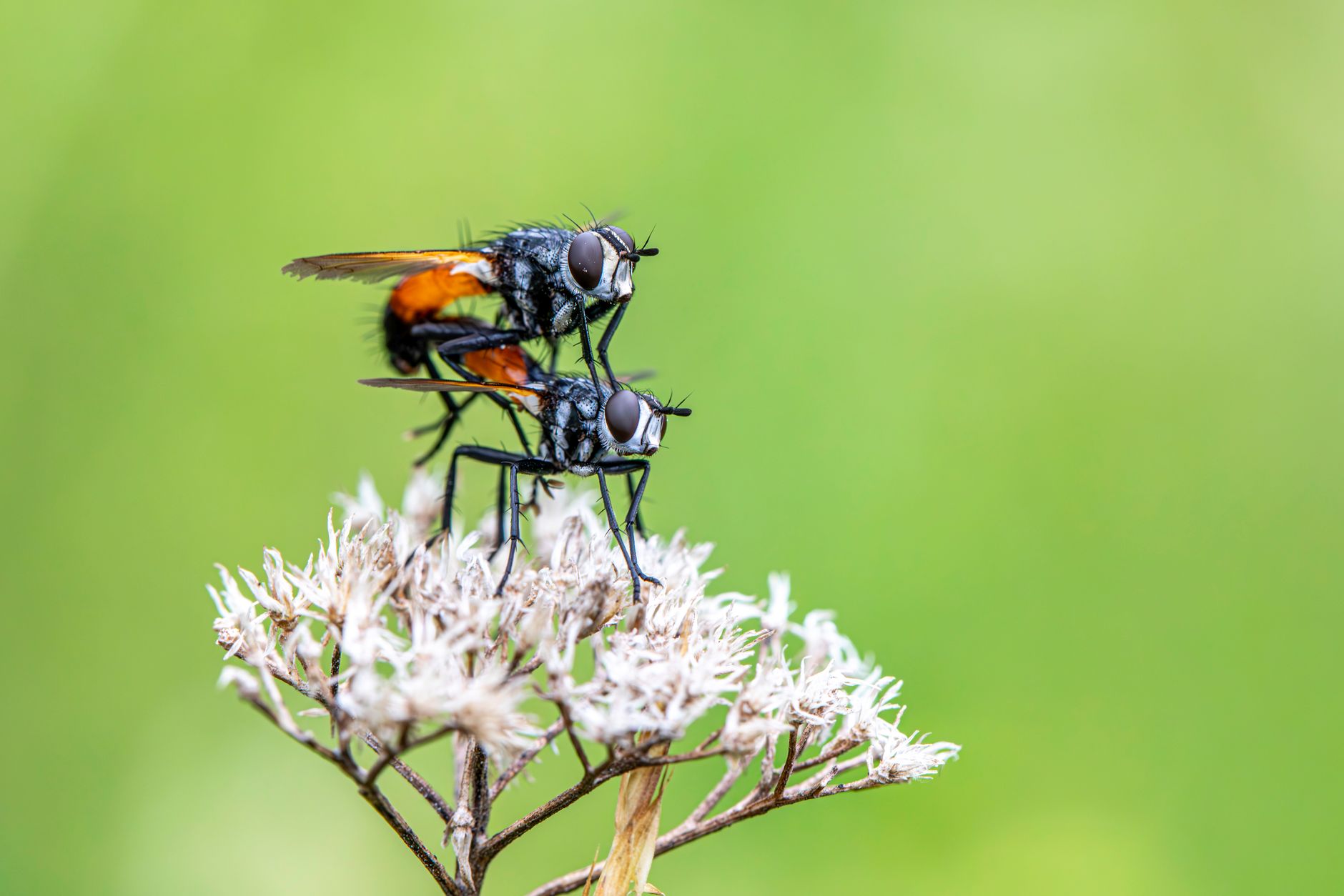
Why Do Cats Go Crazy for Flies? Understanding the Feline Fascination
Why do cats go crazy for flies? Cats are driven to hunt flies by a potent combination of instinct, sensory stimulation, and dietary needs, making the seemingly insignificant insect an irresistible target. This article delves into the fascinating world of feline fly-hunting, exploring the reasons behind this captivating behavior.

The Primal Instinct: Hunters at Heart
Cats, despite their domesticated status, are inherently predatory animals. This instinct is deeply ingrained in their DNA and is triggered by movement, sound, and visual stimuli. The erratic flight patterns of flies activate this primal drive. Cats are hardwired to stalk, chase, and capture prey, regardless of whether they are hungry or not.
The Sensory Symphony: A Fly’s-Eye View (For a Cat)

A fly presents a multi-sensory experience for a cat. Consider the following:
- Vision: A fly’s jerky movements immediately grab a cat’s attention. Cats are especially sensitive to motion, and the unpredictable zigzags of a fly are intensely stimulating.
- Hearing: The buzzing of a fly, although faint to humans, is easily detected by a cat’s highly sensitive ears.
- Taste and Smell: While not the primary drivers, the taste and smell of a fly contribute to the overall hunting experience.
This sensory input stimulates the cat’s hunting circuitry in the brain, compelling them to engage in the chase.
Miniature Meals: Fulfilling a Nutritional Need
While a single fly won’t provide substantial sustenance, it does offer a small amount of protein and other nutrients. Even well-fed cats may supplement their diet with insects. The act of hunting and consuming prey is also mentally stimulating and provides a sense of accomplishment.
The Thrill of the Chase: Enrichment and Entertainment
For indoor cats, hunting flies provides a valuable form of environmental enrichment. It allows them to express their natural hunting instincts and provides mental and physical stimulation. The chase itself is a rewarding experience, even if the cat doesn’t always succeed in capturing the fly.
Frustration and Displacement: When Hunting Goes Unfulfilled
If a cat is unable to satisfy its hunting instincts through appropriate outlets (such as interactive play with toys), it may become frustrated. This frustration can manifest in other behaviors, such as excessive grooming, aggression, or destructive scratching. Targeting flies becomes a displacement activity, channeling pent-up energy and frustration.

Comparison of Hunting Strategies in Cats
| Target | Hunting Style | Sensory Emphasis | Reward |
|---|---|---|---|
| Flies | Fast, agile chase | Visual, auditory | Small |
| Mice | Stalk, pounce | Tactile, olfactory | Larger |
| Toys | Similar to prey | All senses | Varies |
Common Mistakes in Managing Hunting Behavior
Many cat owners inadvertently encourage fly-hunting behavior by:
- Reacting excitedly to the cat’s actions.
- Providing a stimulating environment for flies (e.g., leaving food scraps out).
- Not providing adequate opportunities for play and exercise.
Why do cats go crazy for flies? Understanding the underlying reasons can help owners manage this behavior in a way that is both satisfying for the cat and prevents damage to the home.
Tips for Diverting Fly-Hunting Behavior
- Provide Interactive Play: Engage your cat in regular play sessions using toys that mimic prey, such as feather wands or laser pointers.
- Create a Stimulating Environment: Offer scratching posts, climbing trees, and puzzle toys to provide mental and physical stimulation.
- Manage Fly Infestations: Take steps to prevent flies from entering your home, such as using screens and keeping food areas clean.
- Consider an Outdoor Enclosure: If possible, provide your cat with access to a secure outdoor enclosure where they can safely hunt insects.
Frequently Asked Questions
Why do some cats seem more obsessed with flies than others?
Individual cat personalities play a significant role. Some cats have stronger hunting instincts than others. Factors like breed, age, and past experiences can all influence a cat’s propensity to hunt flies. A cat who grew up hunting outdoors might be more intensely driven than one raised solely indoors.
Is fly-hunting a sign that my cat isn’t getting enough to eat?
Not necessarily. Even well-fed cats hunt flies instinctively. However, if your cat suddenly starts hunting more frequently or voraciously, it’s worth consulting with your veterinarian to rule out any underlying medical conditions or dietary deficiencies.
Are flies harmful to cats?
While most flies are relatively harmless, they can carry parasites or bacteria that could potentially make your cat sick. In rare cases, a cat could ingest a fly that has been exposed to pesticides. It’s always best to minimize your cat’s exposure to flies if possible.
How can I stop my cat from hunting flies without suppressing their instincts?
The key is to redirect their hunting instincts towards more appropriate targets, such as toys. Regularly engaging in interactive play sessions and providing a stimulating environment can help satisfy their natural hunting desires without harming them or destroying your home.
What if my cat actually catches and eats a fly? Should I be worried?
Generally, eating a fly won’t cause serious harm to your cat. However, it’s still a good idea to monitor your cat for any signs of illness, such as vomiting or diarrhea. If you are concerned, contact your veterinarian.
Do kittens hunt flies, or is it a learned behavior?
Kittens exhibit hunting behavior very early in life. It’s a combination of instinct and learned behavior. They learn by observing their mothers and siblings and by practicing their hunting skills.
Why do cats sometimes “play” with their prey before killing it?
This behavior, though seemingly cruel, is part of the hunting process. Playing with prey allows the cat to refine their hunting skills and ensures that the prey is sufficiently weakened before being killed. It’s also thought to be a way of preventing injury to themselves.
Is it possible to train a cat to ignore flies?
While it’s challenging to completely eliminate a cat’s hunting instincts, you can train them to redirect their focus when they see a fly. Using positive reinforcement, such as treats or praise, to reward them for ignoring a fly can be effective.
What types of toys are best for stimulating a cat’s hunting instincts?
Toys that mimic the movement of prey are particularly effective. Feather wands, laser pointers, and plush mice are all good options. Rotate your cat’s toys regularly to keep them engaged and prevent boredom. Puzzle toys that dispense treats can also provide mental stimulation.
Are there any breeds of cats that are less likely to hunt flies?
While hunting instinct is present in all breeds, some breeds, such as Ragdolls and Persians, are generally considered less driven to hunt compared to breeds like Bengals or Siamese. However, individual personality is still the primary factor.
Why does my cat chirp or chatter when they see a fly?
This vocalization is believed to be a sign of excitement and frustration. It’s a way for the cat to express their anticipation and pent-up energy while focusing on their prey. Some theories suggest it’s a way of mimicking the sounds of other prey animals to lure the fly closer.
Should I use pesticides to get rid of flies, even if it could potentially harm my cat?
Avoid using pesticides if possible, as they can be toxic to cats. Opt for safer alternatives, such as fly traps or screens. If you must use pesticides, ensure that your cat cannot access the treated area until it is completely dry and well-ventilated. Always prioritize your cat’s safety when dealing with pest control.