
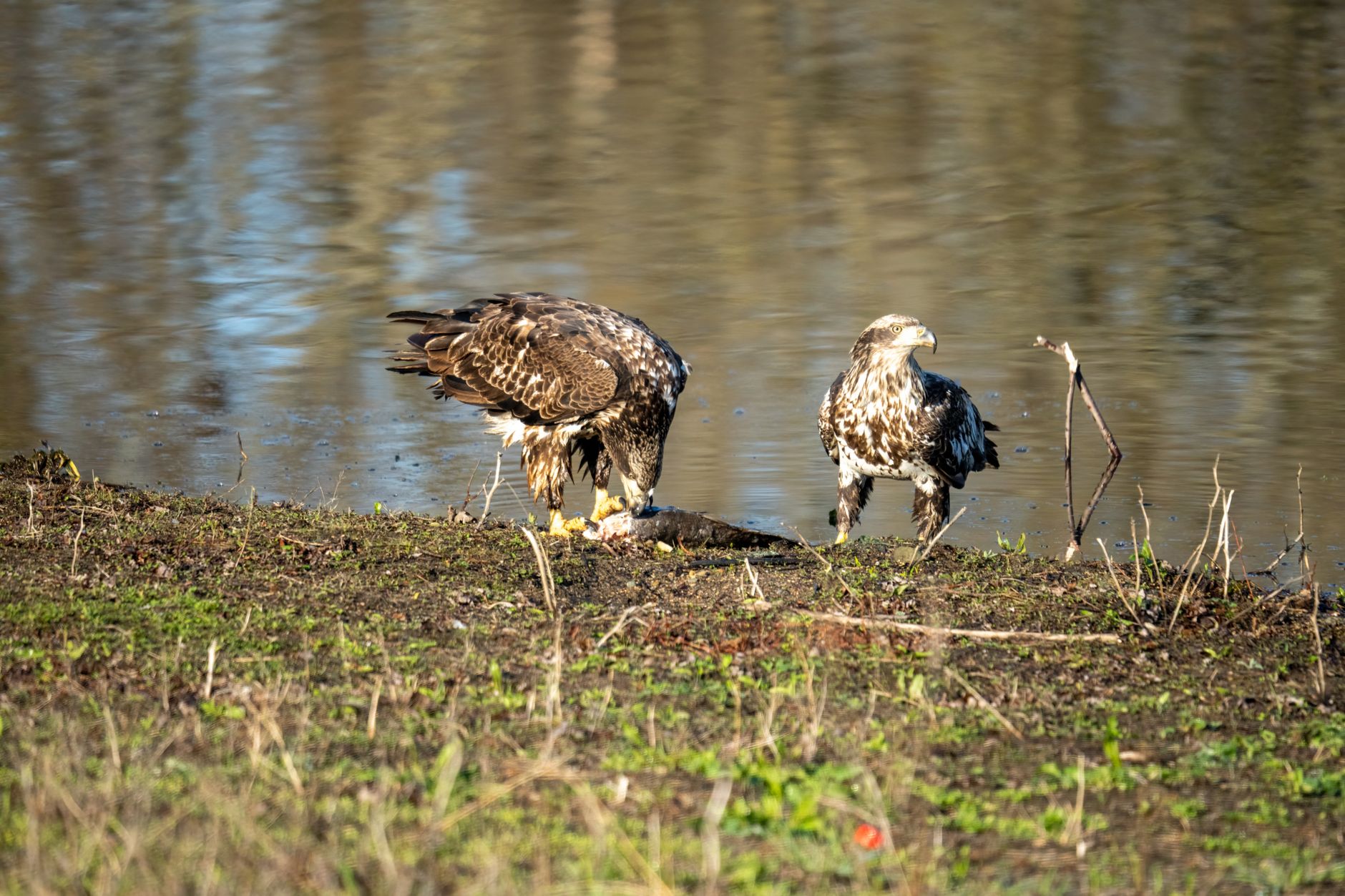
Why Bald Eagles Love Dead Trees: The Perch of Choice
Why do bald eagles like dead trees? Bald eagles favor dead trees, or snags, primarily because they offer superior vantage points for hunting, unobstructed views, and sturdy platforms for building their massive nests.
Introduction: A Majestic Bird and its Preference for Snags
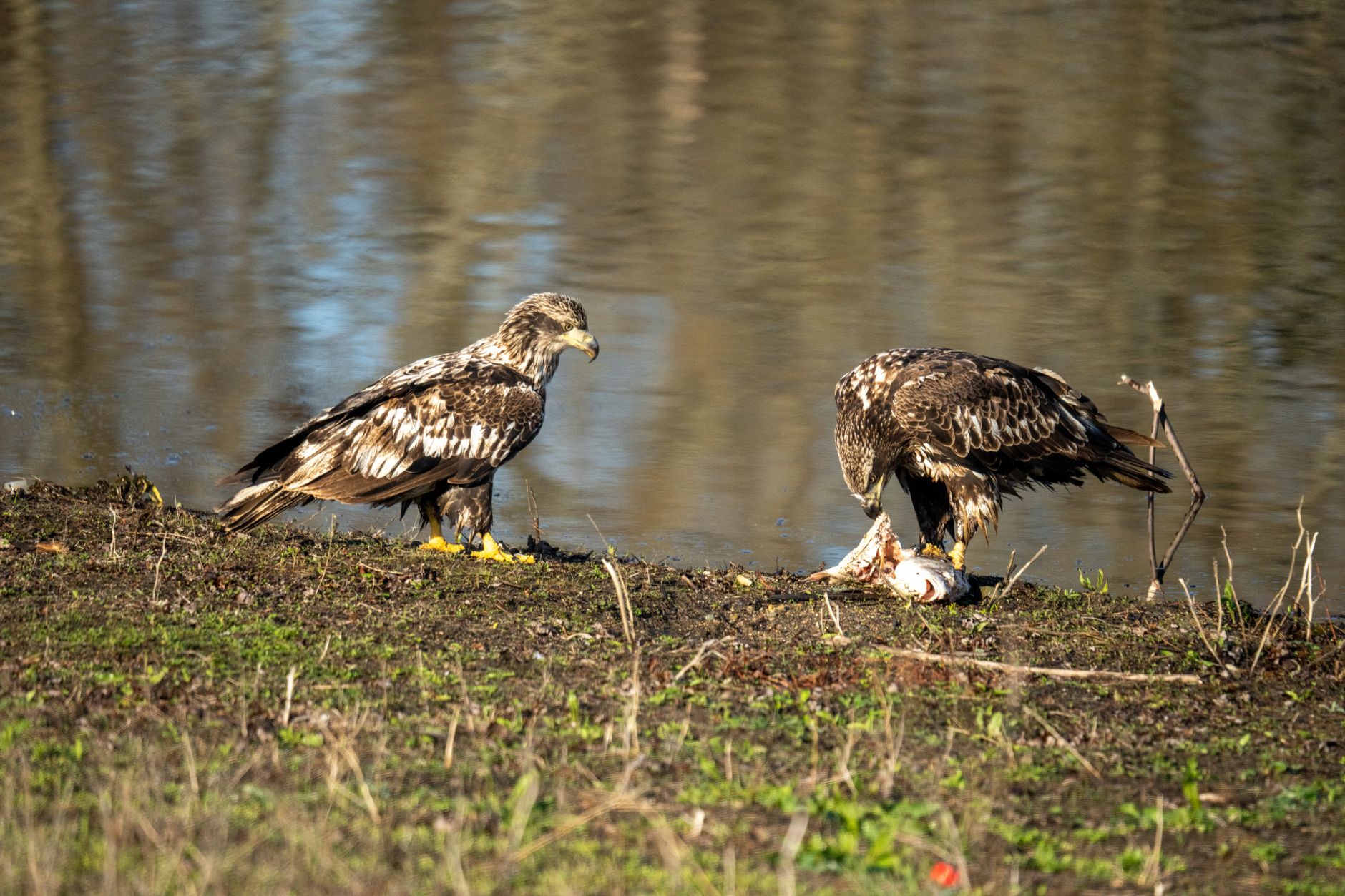
The bald eagle, Haliaeetus leucocephalus, is a symbol of freedom and power. Its majestic presence often graces the landscapes of North America, and while these birds are adaptable, one common sight consistently stands out: the bald eagle perched atop a dead tree. Why do bald eagles like dead trees? The answer lies in the unique advantages these decaying giants offer. This article delves into the reasons behind this avian preference, exploring the ecological benefits and practical reasons for the eagle’s affinity for snags.
The Hunter’s High Ground: Superior Vantage Points

One of the primary reasons why do bald eagles like dead trees is the unparalleled vantage point they provide. Bald eagles are opportunistic hunters, primarily feeding on fish. Dead trees, often standing tall above the surrounding canopy, offer:
- Unobstructed views: Eagles can survey vast areas of water and land, spotting potential prey with ease.
- Strategic positioning: Higher perches reduce the energy expenditure required for hunting dives and captures.
- Protection from predators: Elevated positions offer early warning of potential threats, allowing eagles to react quickly.
This strategic advantage is critical for hunting success, especially in competitive environments.
Nesting Giants: Sturdy Platforms for Massive Homes
Bald eagle nests, also known as eyries, are among the largest bird nests in the world. These impressive structures can weigh upwards of a ton and require robust support. Dead trees provide the ideal foundation for these massive homes:
- Strong branches: Dead trees often retain sturdy branches that can withstand the weight of the nest and the eagles themselves.
- Open structure: The lack of foliage on dead trees allows eagles to easily access and defend their nests.
- Longevity: While decaying, many snags stand for decades, providing stable nesting sites for generations of eagles.
The availability of suitable nesting sites is crucial for bald eagle populations, and dead trees play a vital role in providing these essential habitats.
Ecosystem Engineers: Dead Trees as Habitats
While seemingly lifeless, dead trees are vibrant ecosystems in their own right. They support a wide range of organisms that indirectly benefit bald eagles:
- Attraction of prey: Dead trees often attract smaller birds and mammals, which can become prey for eagles.
- Insect life: Decaying wood supports insect populations, providing food for various bird species that eagles may consume.
- Nutrient cycling: Dead trees contribute to nutrient cycling in the forest, enriching the soil and supporting overall ecosystem health.
The role of dead trees in the ecosystem is often overlooked, but they are essential for maintaining biodiversity and supporting the food web that bald eagles rely on.
A Balancing Act: Managing Dead Trees in Eagle Habitats
While dead trees are beneficial, it’s essential to manage them responsibly. Considerations include:
- Safety: Unstable trees near trails or human settlements may need to be removed to prevent hazards.
- Habitat protection: When removing dead trees, prioritize preserving those that are suitable for nesting or perching.
- Replacements: Encourage the growth of new trees to replace decaying ones and ensure a continuous supply of habitat for bald eagles and other wildlife.
A balanced approach to managing dead trees is essential for protecting both human safety and the ecological value they provide.
The Future of Snags: Ensuring Eagle Habitats for Generations
The availability of dead trees is crucial for the long-term survival of bald eagle populations. Conservation efforts should focus on:
- Protecting existing snags: Identify and protect important nesting and perching trees from logging or development.
- Promoting snag creation: Implement forest management practices that encourage the creation of new dead trees.
- Educating the public: Raise awareness about the importance of dead trees for wildlife and the ecological benefits they provide.
By taking proactive steps to protect and manage dead trees, we can ensure that bald eagles continue to thrive in North America for generations to come. Understanding why do bald eagles like dead trees is a crucial part of this conservation effort.
FAQs: Deeper Insights into Bald Eagle and Dead Tree Relationships
Why are dead trees called snags?
The term “snag” is commonly used to describe a standing, dead or dying tree. Its origin is somewhat uncertain, but it likely refers to the jagged or broken appearance of the tree.
Do bald eagles only nest in dead trees?
While bald eagles prefer dead trees for nesting due to their structural advantages and clear visibility, they will also nest in live trees, especially if they are large, mature, and have suitable branch structures.
How long do bald eagle nests last?
Bald eagle nests can last for decades, with some known to have been used for over 100 years. However, they require regular maintenance and may eventually collapse due to weather or structural failure.
What other birds benefit from dead trees?
Numerous other bird species benefit from dead trees, including woodpeckers, owls, nuthatches, and various cavity-nesting birds. These birds use snags for foraging, nesting, and shelter.
Are all dead trees suitable for bald eagle nesting?
No, not all dead trees are suitable. Factors such as tree size, branch structure, species, and proximity to food sources all play a role in determining whether a dead tree is suitable for bald eagle nesting. Stable, large-diameter snags are generally preferred.
How do bald eagles choose their nesting sites?
Bald eagles typically choose nesting sites that are close to water, offer a commanding view of the surrounding area, and are relatively undisturbed by human activity. They often return to the same nesting site year after year.
What are the threats to bald eagle nesting habitats?
Threats to bald eagle nesting habitats include habitat loss from logging and development, human disturbance, and the use of pesticides, such as DDT, which can affect eggshell thickness and reproductive success. Protecting nesting habitats is crucial for eagle conservation.
Can artificial snags be created for bald eagles?
Yes, artificial snags can be created by topping live trees or erecting large poles with platforms. These structures can provide alternative nesting sites for bald eagles in areas where natural snags are scarce.
What is the role of dead trees in forest ecosystems?
Dead trees play a vital role in forest ecosystems by providing habitat for wildlife, cycling nutrients, and contributing to soil formation. They are an integral part of a healthy forest ecosystem.
How do dead trees help bald eagles catch fish?
The unobstructed view provided by dead trees allows bald eagles to easily spot fish in the water below. From their high vantage point, they can quickly dive down and capture their prey.
What can individuals do to help protect bald eagle habitats?
Individuals can help protect bald eagle habitats by supporting conservation organizations, avoiding disturbance of nesting eagles, and advocating for responsible forest management practices. Education and awareness are key.
Are bald eagles dependent on dead trees?
While not entirely dependent, bald eagles strongly benefit from dead trees. They offer advantages in nesting, hunting, and provide a safer and more efficient lifestyle for the eagle. While eagles can adapt to using live trees, the dead tree remains the ideal structure for nesting and perching.