
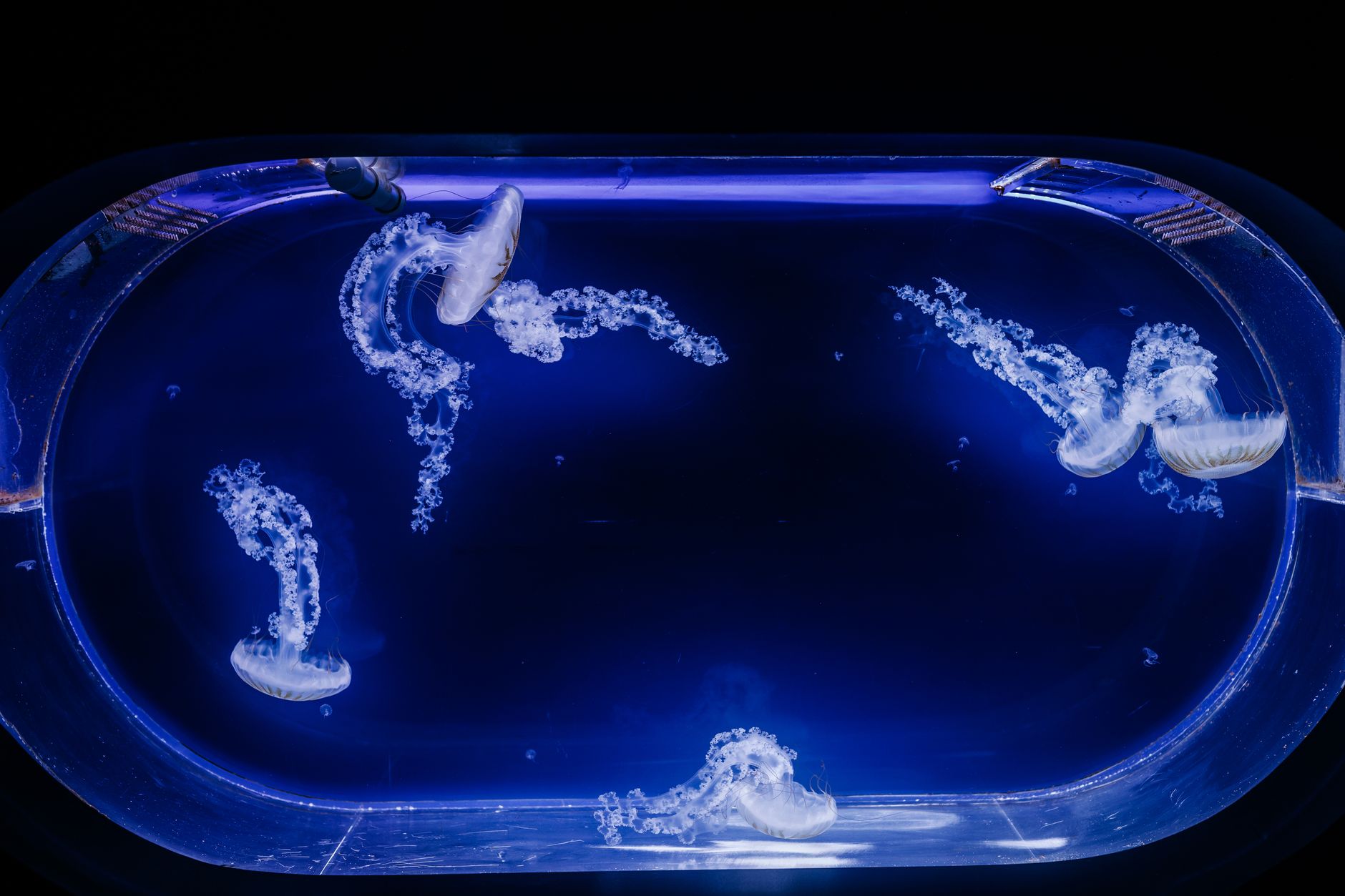
Can You Own Baby Jellyfish: A Deep Dive
Owning baby jellyfish is a fascinating prospect, but is it legal and practical? No, while technically not illegal in most places, the difficulty of raising them successfully makes owning baby jellyfish an extremely challenging and usually unsuccessful endeavor.

The Allure of Miniature Medusae
Jellyfish, with their mesmerizing movements and otherworldly beauty, have captivated humans for centuries. The idea of owning miniature versions – baby jellyfish, or ephyrae – holds a particular appeal. However, before envisioning a personal jellyfish aquarium, a realistic understanding of the challenges involved is crucial.
Why Owning Baby Jellyfish Is Exceptionally Difficult

While the concept is appealing, successfully raising jellyfish from the ephyra stage (the juvenile polyp form that buds off to become a baby jellyfish) to adulthood is fraught with difficulties. Here are several key reasons:
- Specific Dietary Needs: Baby jellyfish require microscopic food sources, often live cultures, that are difficult to obtain and maintain. This can include rotifers, artemia nauplii, and specialized phytoplankton.
- Water Quality Requirements: Maintaining pristine water quality is paramount. Even minor fluctuations in temperature, salinity, pH, or ammonia levels can be fatal to young jellyfish.
- Specialized Tank Design: Standard aquariums are unsuitable. Jellyfish require kreisel tanks or other specialized designs that provide gentle, circular water flow to prevent them from being trapped in corners or injured by filters.
- Sensitivity to Handling: Ephyrae are incredibly fragile. Even careful handling can cause damage, making them susceptible to infection and stress.
Legal Considerations
The legal landscape concerning jellyfish ownership is generally permissive, but it is crucial to research local and regional regulations.
- Federal Regulations: Currently, no federal laws in the United States specifically prohibit the ownership of jellyfish.
- State and Local Ordinances: Some states or municipalities may have restrictions on owning exotic animals or require permits. It’s essential to check with your local animal control or wildlife authorities.
- Import/Export Restrictions: If you intend to import jellyfish from another country, be aware of any import restrictions or quarantine requirements.
Ethical Considerations
Even if legal, the ethical implications of keeping jellyfish, especially baby jellyfish, must be considered. Their complex needs and high mortality rate in captivity raise concerns about animal welfare. Before acquiring any jellyfish, ask yourself:
- Can I provide the necessary care and environment to ensure their well-being?
- Am I prepared for the high mortality rate associated with raising jellyfish?
- Where will the jellyfish come from, and is the source sustainable?
The Alternative: Adult Jellyfish
If you’re set on owning jellyfish, acquiring fully grown adults is a significantly more manageable option. Adult jellyfish are hardier and less sensitive than ephyrae. However, even adult jellyfish require specialized care and equipment.
Essential Equipment for Jellyfish Keeping (Adults)
- Kreisel Tank: As mentioned, this tank design is crucial for preventing injury.
- Chiller: Maintaining a consistent water temperature is vital.
- Protein Skimmer: Removes organic waste and helps maintain water quality.
- Specialized Lighting: While not always necessary, specialized lighting can enhance the jellyfish’s coloration and provide a more natural environment.
Common Mistakes in Jellyfish Keeping
- Overfeeding: Excessive feeding can lead to poor water quality and health problems.
- Insufficient Water Changes: Regular water changes are essential for removing accumulated waste.
- Using Tap Water: Tap water contains chlorine and other chemicals that are toxic to jellyfish. Always use treated water.
- Incompatible Tank Mates: Avoid keeping jellyfish with fish or other invertebrates that might prey on them or compete for food.

Frequently Asked Questions
Can I legally own baby jellyfish?
While the legalities surrounding jellyfish ownership aren’t usually strict, with no specific prohibitions in many regions, the real hurdle lies in the extreme difficulty in providing the specialized care necessary for their survival.
What do baby jellyfish eat?
Ephyrae, or baby jellyfish, require microscopic food, such as rotifers and artemia nauplii. These are live cultures that need to be cultivated and maintained, which is a significant challenge for most hobbyists.
What type of tank do baby jellyfish need?
Baby jellyfish, like adults, need specialized tanks known as kreisel tanks. These tanks have a circular flow that keeps the delicate jellyfish suspended and prevents them from being trapped in corners or against filters.
How often do I need to feed baby jellyfish?
Baby jellyfish need to be fed multiple times per day, and the food density must be carefully monitored. Overfeeding can lead to water quality issues, while underfeeding can result in starvation.
What is the ideal water temperature for baby jellyfish?
The ideal water temperature varies depending on the species of jellyfish, but it is generally between 72°F and 78°F (22°C and 26°C). It is crucial to maintain a stable temperature to avoid stressing the jellyfish.
How often should I perform water changes in a jellyfish tank?
Regular water changes are essential to remove accumulated waste and maintain water quality. The frequency of water changes depends on the size of the tank and the number of jellyfish, but generally, a 10-20% water change should be performed weekly.
Can I keep baby jellyfish with other fish?
It is generally not recommended to keep baby jellyfish with other fish, as the fish may prey on the jellyfish or compete for food. Even adult jellyfish are best kept in species-only tanks.
What are the signs of illness in baby jellyfish?
Signs of illness in baby jellyfish can include lethargy, loss of color, or damage to the bell. It’s crucial to observe them closely and address any issues promptly.
How long do jellyfish live in captivity?
The lifespan of jellyfish in captivity varies depending on the species. Some species may only live for a few months, while others can live for several years. Providing optimal care is essential for maximizing their lifespan.
What is the cost of setting up a jellyfish aquarium?
Setting up a jellyfish aquarium can be expensive, especially if you are trying to raise baby jellyfish. The cost includes the kreisel tank, chiller, protein skimmer, lighting, and live food cultures.
Where can I purchase baby jellyfish?
While some online retailers may sell baby jellyfish, it is generally not recommended to purchase them due to the high mortality rate associated with raising them. Look for reputable suppliers of adult jellyfish instead.
Is owning baby jellyfish ethical?
Given the difficulty and high mortality rate, many consider it unethical to attempt to raise baby jellyfish unless you possess extensive knowledge and resources. Focusing on adult jellyfish might be a more ethical and sustainable choice.