

Why Can’t Dogs Have Roast Chicken? A Veterinary Expert Explains
Why can’t dogs have roast chicken? Because while the flavorful aroma might be enticing, feeding roast chicken to dogs poses several significant health risks, primarily due to the bones, skin, and high fat content.

A Tempting Treat, a Risky Reward: Understanding the Problem
Roast chicken. The quintessential Sunday dinner. The comforting aroma fills the house, and even your furry friend is captivated. It’s tempting to share, especially when those pleading eyes are fixed on you. However, knowing why can’t dogs have roast chicken? is crucial for responsible pet ownership. While a small, boneless, skinless piece of cooked chicken might be acceptable occasionally and in moderation, offering a full portion, complete with bones and skin, can be detrimental to your dog’s health. The dangers range from mild digestive upset to severe, potentially life-threatening emergencies. This article delves into the specific hazards associated with feeding roast chicken to dogs, offering guidance on safer alternative treats and how to respond if your dog accidentally consumes chicken bones.

Do all amphibians have eyelids?
Why do cuttlefish have W-shaped eyes?
Do all snakes have poison in them?
What is the GREY African clawed frog?
The Bone of Contention: Why Chicken Bones Are Dangerous
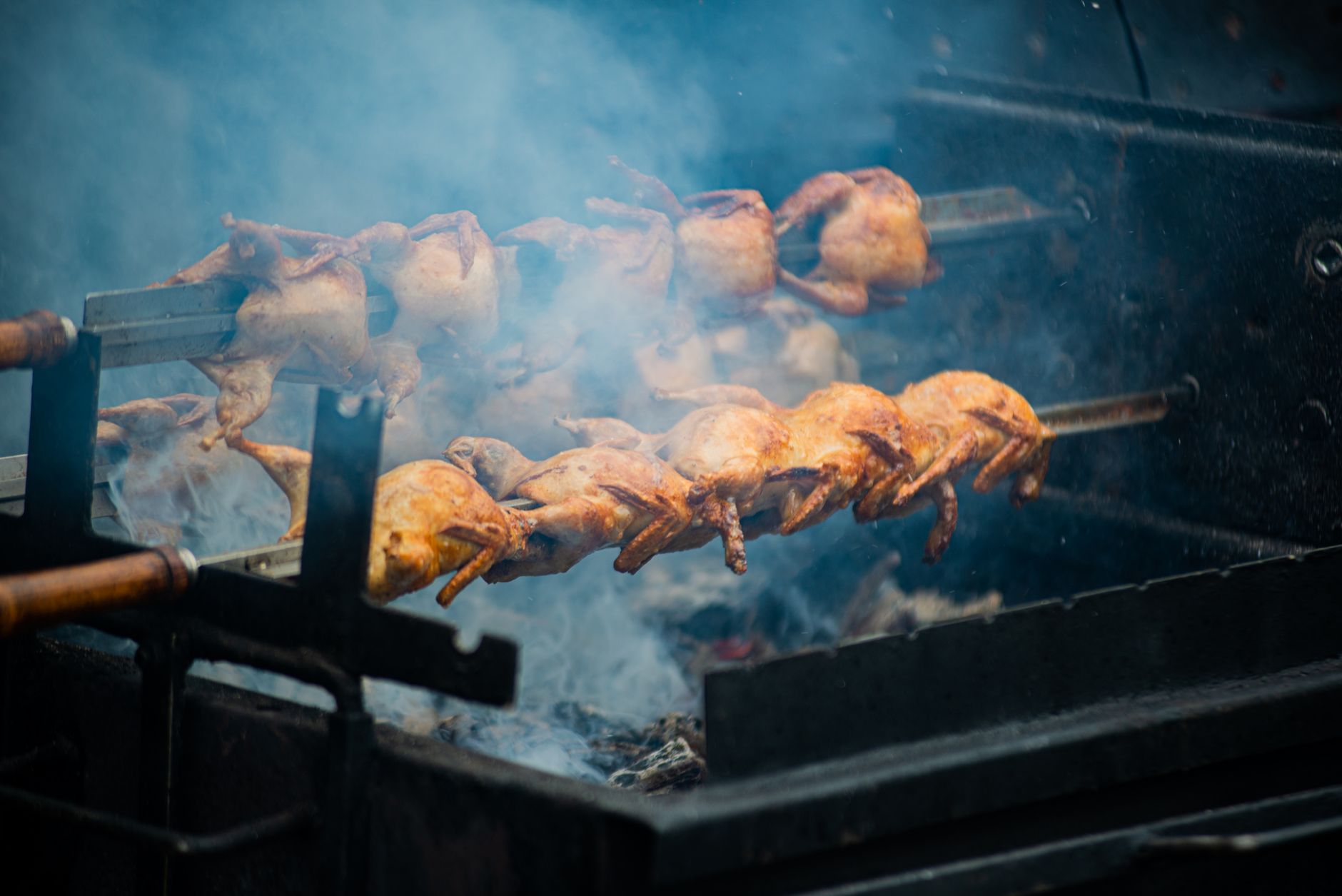
Chicken bones, especially cooked ones, are brittle and prone to splintering. These sharp fragments can cause serious internal damage if swallowed. Here’s why they are a major concern:
- Choking Hazard: Small bones can become lodged in the throat, obstructing airways.
- Gastrointestinal Perforation: Sharp splinters can pierce the esophagus, stomach, or intestines, leading to peritonitis, a severe and often fatal infection.
- Intestinal Blockage: A large number of bones can clump together, creating a blockage that prevents food from passing through the digestive system. This requires emergency surgery.
- Damage to the Mouth and Gums: Splintered bones can cause cuts and abrasions in the mouth and gums, leading to pain and infection.
The Skin Deep Problem: Fat and Seasoning Overload
Even without the bones, the skin of roast chicken poses a significant threat to your dog’s well-being. The rich, fatty content can trigger a cascade of digestive problems:
- Pancreatitis: The high fat content can inflame the pancreas, leading to severe abdominal pain, vomiting, diarrhea, and potentially hospitalization. Pancreatitis can be life-threatening.
- Gastrointestinal Upset: Even if pancreatitis doesn’t develop, the excessive fat can cause milder gastrointestinal distress, resulting in vomiting and diarrhea.
- Obesity: Regular consumption of fatty foods like roast chicken skin can contribute to weight gain and obesity, increasing the risk of other health problems like diabetes, heart disease, and arthritis.
Furthermore, roast chicken skin is often seasoned with ingredients that are toxic to dogs, such as:
- Onion and Garlic: These contain compounds that can damage red blood cells, leading to anemia.
- Excessive Salt: High salt intake can lead to sodium ion poisoning, causing vomiting, diarrhea, tremors, and seizures.
- Other Spices: Many spices, while not necessarily toxic, can cause digestive upset in dogs.
Safe Alternatives: Healthier Treats for Your Canine Companion
Now that we’ve answered “Why can’t dogs have roast chicken?“, what can you offer your beloved pet instead? The good news is there are plenty of healthy and safe alternatives:
- Plain Cooked Chicken (Boneless, Skinless): A small amount of unseasoned, boneless, and skinless cooked chicken can be a good source of protein.
- Commercial Dog Treats: Choose treats that are specifically formulated for dogs and made with high-quality ingredients.
- Fruits and Vegetables: Many fruits and vegetables, such as carrots, blueberries, and sweet potatoes, are healthy and safe snacks for dogs.
- Lean Meats: Small portions of cooked, lean meats like turkey or beef (boneless and skinless) can be offered as occasional treats.
Emergency Response: What to Do If Your Dog Eats Chicken Bones
If you suspect your dog has ingested chicken bones, it’s crucial to act quickly and contact your veterinarian immediately. Don’t try to induce vomiting without veterinary guidance, as this could cause further damage. Be prepared to provide your vet with the following information:
- How many bones did your dog eat?
- How big were the bones?
- When did your dog eat the bones?
- Has your dog shown any symptoms?
Your veterinarian will assess the situation and recommend the best course of action, which may include:
- Monitoring: If the vet determines the risk is low, they may recommend monitoring your dog for any signs of distress.
- X-rays: X-rays can help determine if there are any bones lodged in the digestive tract.
- Endoscopy: An endoscope can be used to retrieve bones from the esophagus or stomach.
- Surgery: In severe cases, surgery may be necessary to remove bones that are causing a blockage or perforation.
The Bottom Line: Prioritize Your Dog’s Safety
While it’s tempting to share your favorite foods with your dog, it’s important to remember that their digestive systems are different from ours. Understanding why can’t dogs have roast chicken? is essential for protecting their health and well-being. By choosing safe and healthy treats, you can show your love without putting your furry friend at risk. Always consult with your veterinarian if you have any concerns about your dog’s diet.
Frequently Asked Questions
Can dogs eat chicken broth?
Yes, unseasoned chicken broth, especially low-sodium versions, can be a healthy addition to a dog’s diet. It can help hydrate them, especially when they’re not feeling well, and can be mixed with their food to make it more palatable. However, avoid broth containing onion, garlic, or excessive salt.
Is it okay to give my dog raw chicken bones?
While some believe raw chicken bones are safer than cooked bones because they are less likely to splinter, there is still a significant risk of bacterial contamination, such as Salmonella and Campylobacter, which can make both your dog and you sick. Always weigh the risks and benefits carefully and consult with your veterinarian.
What are the symptoms of a dog having a chicken bone stuck?
Symptoms of a chicken bone lodged in the digestive tract can include gagging, retching, vomiting, difficulty breathing, loss of appetite, abdominal pain, lethargy, and straining during defecation. If you notice any of these signs, seek immediate veterinary attention.
Can I give my dog the chicken carcass after I’ve removed all the meat?
No. Even after removing the visible meat, the carcass still contains small bones and cartilage that can be dangerous. Additionally, residual seasoning and fat can still cause digestive upset. It is always best to avoid it altogether.
What is pancreatitis, and why is it dangerous for dogs?
Pancreatitis is the inflammation of the pancreas, an organ responsible for producing enzymes that aid in digestion. In dogs, it’s often triggered by consuming high-fat foods, such as roast chicken skin. It can cause severe abdominal pain, vomiting, diarrhea, and can lead to organ damage and even death.
Are certain breeds more susceptible to problems from eating chicken bones?
While all dogs are at risk, smaller breeds are generally more vulnerable to complications from chicken bones due to their smaller digestive tracts and increased risk of choking. However, even large breeds can suffer serious consequences.
Is there any benefit to giving my dog chicken?
Yes, plain, cooked, boneless, and skinless chicken can be a good source of protein for dogs. It’s often recommended as part of a bland diet for dogs recovering from digestive upset.
How much plain chicken can I give my dog?
The amount of plain chicken you can give your dog depends on their size, breed, and overall health. Consult with your veterinarian to determine the appropriate portion size. As a general guideline, chicken should only make up a small portion of their daily diet.
What if my dog seems fine after eating chicken bones?
Even if your dog appears fine initially, they could still develop internal damage or a blockage later. It’s crucial to monitor them closely for any signs of distress and contact your veterinarian promptly. Sometimes, the damage is internal, and symptoms aren’t immediately obvious.
What are some human foods that are safe for dogs?
Some safe human foods for dogs in small quantities include cooked sweet potatoes, carrots, blueberries, plain yogurt, and green beans. Always research specific foods and consult with your veterinarian before introducing them to your dog’s diet.
Can I feed my dog chicken-flavored dog food instead of actual chicken?
Yes, high-quality, chicken-flavored dog food provides the nutritional benefits of chicken without the risks associated with bones and excessive fat. Look for brands with real chicken as a primary ingredient.
If my dog loves the taste of chicken, what can I do?
You can explore dog treats with chicken flavor or even bake your own treats using plain cooked chicken (boneless and skinless) as an ingredient. Ensure that any homemade treats are free from harmful ingredients like onion, garlic, and excessive salt. Again, moderation is key.