

Why Are Otters Illegal? Unpacking the Complexities of Otter Ownership
The legality of owning otters is a complex issue, and in many regions, owning an otter is illegal primarily due to conservation concerns, public safety risks, and stringent wildlife regulations. These regulations aim to protect both wild otter populations and potential owners from the inherent challenges and dangers of keeping these wild animals as pets.

Introduction: A Misguided Affection
The undeniable charm of otters, showcased in viral videos and nature documentaries, has fueled a concerning trend: the desire to keep these wild animals as pets. However, the reality of otter ownership is far removed from the idealized image. The why are otters illegal? question boils down to a confluence of factors that highlight the ethical and practical problems of keeping otters in domestic environments. This article delves into the specific reasons behind the widespread bans and restrictions on otter ownership, emphasizing the conservation efforts that protect them.
Conservation Concerns: Protecting Vulnerable Populations
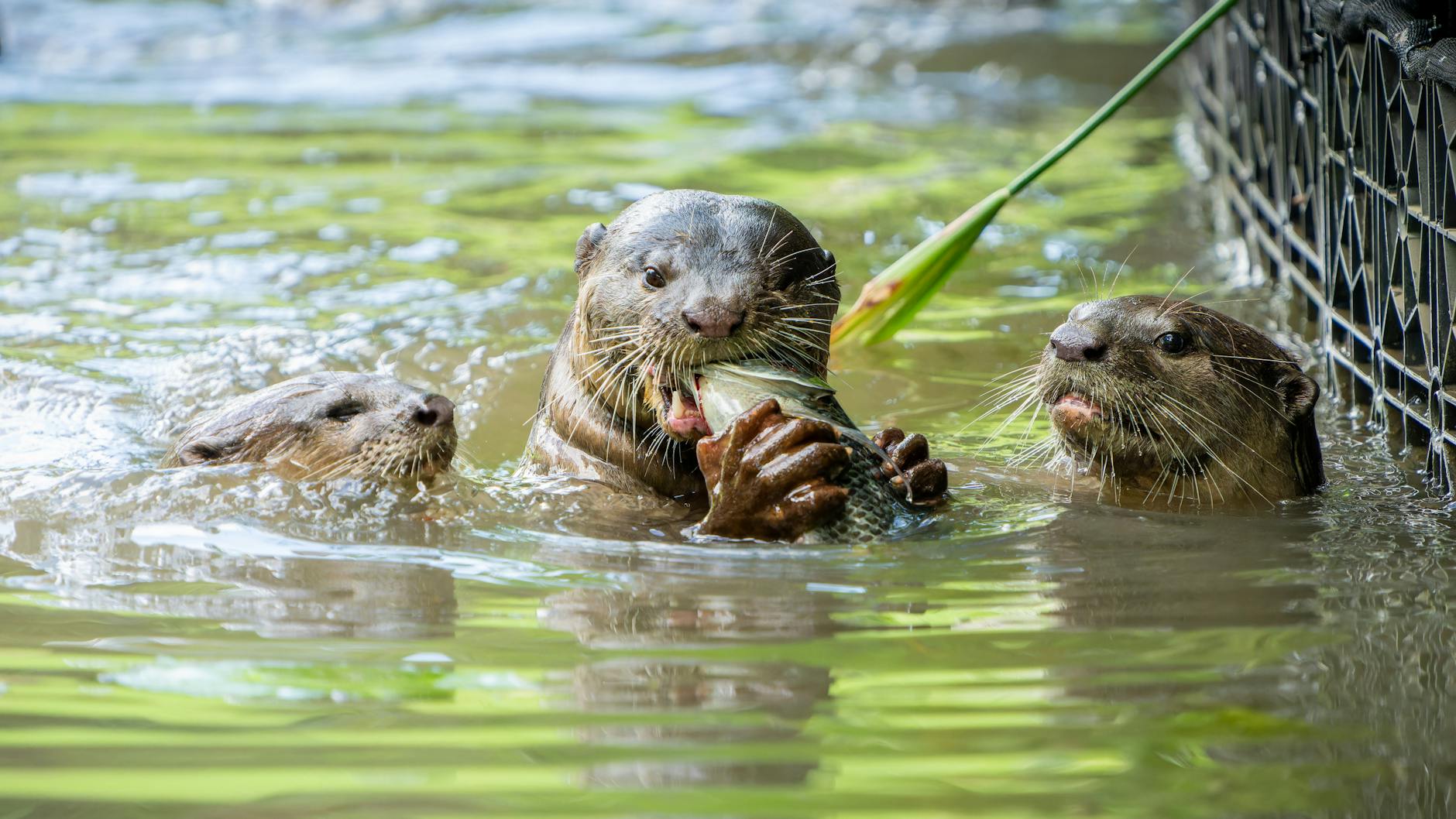
Many otter species are facing population decline due to habitat loss, pollution, and poaching. Removing otters from their natural environment to be kept as pets further exacerbates these problems. The demand for otters as pets can drive illegal wildlife trade, threatening already vulnerable populations. This is a primary reason why are otters illegal in many places.
- Habitat loss reduces available space for otters to thrive.
- Pollution contaminates their food sources and water supplies.
- Poaching, fueled by the pet trade, directly removes individuals from wild populations.
Public Safety and Health Risks: More Than Just Cuteness
Otters are not domesticated animals. They possess sharp teeth and claws, and their natural instincts can pose a significant risk to humans, especially children. They can inflict serious bites, and their unpredictable behavior makes them unsuitable for living in close proximity to humans. Furthermore, otters can carry diseases that are transmissible to humans, posing additional health risks.
The Demanding Nature of Otter Care: Beyond the Basics
Caring for an otter requires a substantial commitment of time, resources, and specialized knowledge. They have complex dietary needs, requiring fresh fish and other specific foods. They also need access to large bodies of water for swimming and foraging, which is often impossible to provide in a typical home environment.
Consider the following requirements:
- Diet: Otters require a diet of fresh fish and other aquatic animals. Sourcing and preparing this food can be expensive and time-consuming.
- Habitat: Otters need access to a large body of water for swimming, diving, and playing. A small pool is not sufficient.
- Socialization: Otters are social animals and need to interact with other otters. Keeping an otter alone can lead to behavioral problems.
- Veterinary Care: Otters require specialized veterinary care from veterinarians experienced in treating exotic animals.
Legal Frameworks and Regulations: A Global Perspective
The legality of owning otters varies from country to country and even from state to state within the United States. Many jurisdictions have strict laws prohibiting the possession, sale, and breeding of otters. These laws are often based on conservation concerns and public safety risks. Before even considering otter ownership (which should, realistically, be immediately dismissed!), thorough research into local, state, and federal laws is absolutely crucial. In most places, why are otters illegal is due to a complex web of these regulations.
Ethical Considerations: The Otter’s Welfare
Even if it were legal and practically feasible to keep an otter as a pet, there are significant ethical considerations to bear in mind. Otters are wild animals that are adapted to living in their natural environment. Keeping them in captivity deprives them of the opportunity to express their natural behaviors and can lead to stress, behavioral problems, and a reduced quality of life.
Why Captivity Fails Otters: Behavior and Well-being
Confining otters drastically curtails their natural behavior, impacting their physical and psychological health. The vast majority of individuals considering otter ownership drastically underestimate the animals’ needs. It’s essential to prioritize animal welfare above the novelty of owning a unique pet.
Here is a table comparing the needs of an otter in the wild with those of an otter in captivity:
| Feature | Otter in the Wild | Otter in Captivity |
|---|---|---|
| Space | Large territories, diverse habitats | Limited enclosure, artificial environment |
| Diet | Natural prey, diverse food sources | Commercially prepared food, limited variety |
| Socialization | Complex social structures, family groups | Limited interaction, often solitary confinement |
| Activity | Swimming, hunting, playing, exploration | Restricted movement, limited opportunities for natural behavior |
| Mental Stimulation | Constant challenges, environmental enrichment | Lack of novelty, potential for boredom and frustration |
The Role of Zoos and Sanctuaries: A Different Approach
While keeping otters as pets is generally discouraged, accredited zoos and sanctuaries play an important role in otter conservation and education. These institutions provide otters with a safe and enriching environment, allowing them to live out their lives in comfort and dignity. They also contribute to research and conservation efforts aimed at protecting wild otter populations. They do not exploit animals for profit or entertainment, and the otters are not “pets.”

Frequently Asked Questions About Otter Legality
Why are otters illegal to own in many places?
Otters are often illegal to own because of conservation concerns, public safety risks, and stringent wildlife regulations. Their needs are complex, and their wild instincts make them unsuitable pets, further contributing to the reasons why are otters illegal.
Can I get a permit to own an otter if I meet certain requirements?
While it’s possible in very rare circumstances to obtain a permit, this is exceedingly difficult and often depends on demonstrating specialized expertise and facilities for the otter’s welfare. Requirements are exceptionally strict, emphasizing the broader point of why are otters illegal for the average person. The red tape alone is often enough to discourage potential owners.
What are the risks of owning an otter, both for me and for the otter?
For you, risks include bites, scratches, and the potential for contracting diseases. For the otter, captivity leads to stress, behavioral problems, and a reduced quality of life, as they are deprived of their natural environment and social structures.
Are all species of otters illegal to own?
While laws vary, many regulations apply to most otter species due to their protected status and conservation concerns. It’s unlikely you would be able to legally own any otter species.
What can I do if I find an abandoned baby otter?
Contact your local wildlife rehabilitation center or animal control immediately. Do not attempt to care for the otter yourself, as this can be dangerous for both you and the animal. Professionals are trained to handle these situations.
If I find an injured otter, can I keep it to nurse it back to health?
No. Even with good intentions, attempting to rehabilitate an injured otter without the proper training and facilities can be harmful to the animal and may be illegal. Contact wildlife authorities instead.
Are there any alternatives to owning an otter if I love them?
Yes! You can support otter conservation organizations, visit otters at accredited zoos and aquariums, and learn more about them through educational programs and documentaries. These activities promote otter welfare and conservation without harming the animals.
What are the penalties for owning an otter illegally?
Penalties vary depending on the jurisdiction but can include fines, confiscation of the animal, and even jail time. The severity of the penalties reflects the importance of protecting these animals and the seriousness of violating wildlife laws.
How does owning an otter contribute to the illegal wildlife trade?
The demand for otters as pets fuels the illegal wildlife trade, which can drive poaching and smuggling of otters from their natural habitats. This endangers wild populations and disrupts ecosystems.
What kind of environment does an otter need to thrive?
Otters need access to large bodies of water, diverse habitats, and social interaction with other otters. They also require a specialized diet of fresh fish and other aquatic animals. These needs are difficult to replicate in a domestic setting.
Can otters be house-trained like cats or dogs?
No, otters cannot be reliably house-trained. They have natural instincts to mark their territory and defecate in water, making it challenging to maintain a clean and hygienic environment.
Where can I learn more about otter conservation efforts?
Many organizations are dedicated to otter conservation, including the International Otter Survival Fund (IOSF), Wildlife Conservation Society (WCS), and local wildlife rehabilitation centers. Support and learn from these resources.