

How to Identify a Mobula Ray: A Definitive Guide
Identifying a Mobula Ray can be achieved by focusing on key physical characteristics: specifically the frontal cephalic lobes (horn-like projections on the head), ventral mouth position, and tail length which usually lacks a spine.

Introduction to the Majestic Mobula Ray
Mobula rays, often mistaken for manta rays, are a fascinating group of elasmobranchs found in tropical and subtropical waters around the world. Understanding the unique features of these creatures is crucial for marine biologists, conservationists, divers, and anyone with a passion for ocean life. This comprehensive guide will explore the specific characteristics that distinguish mobula rays from other ray species, providing you with the knowledge to confidently identify them in their natural habitat or through photographs and videos. How do you identify a mobula ray? We will delve into their anatomy, behavior, and distribution to paint a complete picture of these graceful marine animals.
Distinguishing Features: Anatomy and Morphology
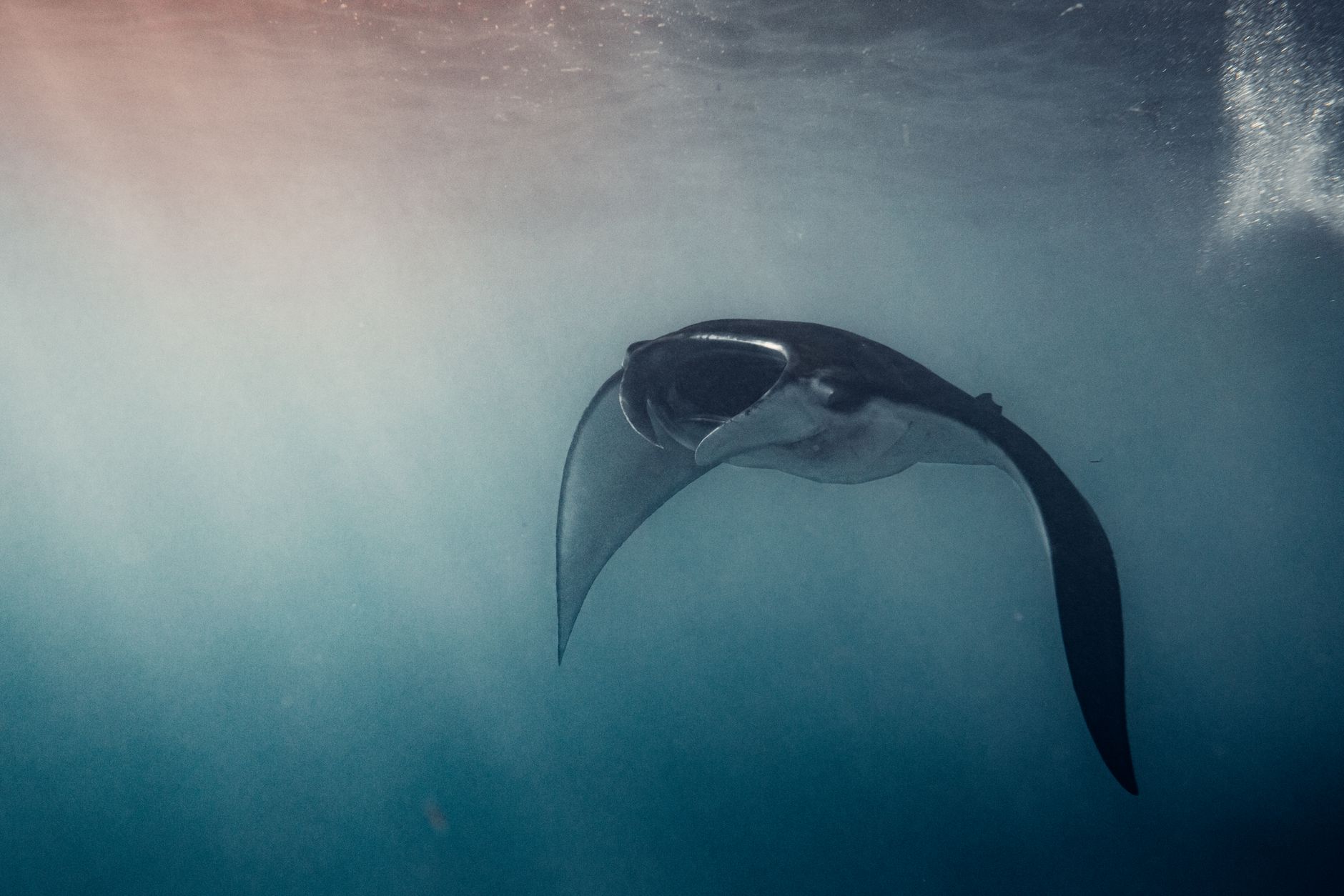
The key to identifying a mobula ray lies in understanding their distinctive physical characteristics. While they share a similar overall shape with manta rays, several subtle differences allow for accurate identification.
- Cephalic Lobes: This is arguably the most important feature. Mobulas have frontal cephalic lobes (also known as cephalic fins) that are distinctively shaped. Unlike manta rays where the lobes are prominently pointed, mobula lobes are shorter and more rounded. The lobes can also be pointed upwards, making the animal appear to have ‘horns’. These lobes are used to funnel plankton into the ray’s mouth.
- Mouth Position: Mobula rays have a ventral mouth, meaning it is located on the underside of their body. This contrasts with some manta ray species whose mouth is located at the front of their head.
- Tail: Mobula rays typically have a long, whip-like tail that usually lacks a spine. Though some species can have a small vestigial spine.
- Size and Shape: Although Mobulas can be large, they are generally smaller than manta rays. Their body shape is also slightly different, with mobulas exhibiting a more diamond-shaped disc.
- Coloration: The dorsal (upper) side of a mobula ray can range from black to grey to blue, while the ventral (underside) is typically white. The specifics vary amongst species, but coloration is helpful for differentiating species.
Habitat and Distribution: Where to Look
Knowing where mobula rays are typically found can aid in identification. They inhabit tropical and subtropical waters across the globe, often congregating in areas with abundant plankton.
- Geographic Range: Mobula rays are found in the Atlantic, Pacific, and Indian Oceans. Specific species have more restricted ranges.
- Habitat Preferences: They are often found in coastal waters, near coral reefs, and around offshore islands. Some species undertake long migrations.
- Behavioral Clues: Mobulas are known for their leaping behavior, often breaching the surface of the water. They frequently form large schools.
Comparison Table: Mobula vs. Manta
| Feature | Mobula Ray | Manta Ray |
|---|---|---|
| Cephalic Lobes | Shorter, rounded lobes; often pointing upwards | Prominent, pointed lobes; usually extending forward |
| Mouth Position | Ventral (underside) | Terminal (front) or slightly ventral |
| Tail | Long, whip-like, usually no spine | Shorter tail; small dorsal fin present in some species |
| Size | Generally smaller | Generally larger |
The Importance of Accurate Identification
Accurate identification of mobula rays is crucial for several reasons:
- Conservation Efforts: Distinguishing between species allows for targeted conservation strategies. Some mobula species are more vulnerable than others.
- Scientific Research: Accurate data on population sizes, distribution, and behavior relies on correct identification.
- Responsible Tourism: Divers and snorkelers can appreciate these animals more fully when they can accurately identify them.
- Protection and Policy: Knowing species is essential for appropriate protections like CITES and CMS listings.
Common Mistakes in Mobula Ray Identification
- Confusing with Manta Rays: The most common mistake is confusing mobulas with manta rays due to their similar appearance. Focusing on the cephalic lobes and mouth position is key.
- Ignoring Size Differences: While both can be large, mobulas are generally smaller than manta rays.
- Misinterpreting Coloration: Color patterns can be variable, but understanding the general trends can help.
- Using Only One Characteristic: Relying on a single characteristic, such as size, can lead to misidentification. It is important to consider multiple features.
Conclusion: Mastering Mobula Identification
How do you identify a mobula ray? By paying close attention to their unique physical characteristics, especially the shape of their cephalic lobes and the position of their mouth, and understanding their habitat and behavior. With a little practice, anyone can confidently distinguish these magnificent creatures and contribute to their conservation. Continuously updated research and photographic guides are readily available to continue increasing one’s competency in identification.

Frequently Asked Questions (FAQs)
What does “cephalic lobe” mean?
A cephalic lobe is a fleshy extension on either side of the mouth in mobula and manta rays. They assist in directing water and plankton towards the mouth during filter-feeding. In mobulas, these lobes are characteristically shorter and more rounded than in manta rays.
Are all mobula rays the same size?
No, there is variation in size among different mobula species. While most are smaller than manta rays, some mobula species can still reach impressive sizes, with wingspans of over 3 meters. Species such as the Giant Devil Ray are among the largest.
Do mobula rays have teeth?
Mobula rays do have small, rasplike teeth, but they are primarily filter feeders, relying on their cephalic lobes to guide plankton into their mouths. Their teeth are not used for biting or chewing.
What is the difference between a mobula ray and a devil ray?
The term “devil ray” is often used interchangeably with “mobula ray.” All “devil rays” belong to the genus Mobula. Therefore, there is no real difference; “devil ray” is simply a common name for rays in the Mobula genus.
How can I tell the difference between different species of mobula ray?
Differentiating between specific mobula species often requires detailed examination of their coloration, body proportions, and geographic location. Field guides and expert resources can be helpful for accurate species-level identification.
Are mobula rays dangerous to humans?
Mobula rays are not aggressive and pose no significant threat to humans. They are gentle giants that primarily feed on plankton. However, it’s important to observe them respectfully and avoid disturbing their natural behavior.
What should I do if I see a mobula ray while diving or snorkeling?
Maintain a respectful distance and avoid making sudden movements. Enjoy the opportunity to observe these magnificent creatures in their natural habitat. Never attempt to touch or chase them.
Are mobula rays endangered?
Many mobula ray species are facing increasing threats due to overfishing, bycatch, and habitat degradation. Some species are listed as vulnerable or endangered on the IUCN Red List. Conservation efforts are crucial to protect these animals.
Why do mobula rays leap out of the water?
The exact reasons for mobula ray leaping behavior are not fully understood, but several hypotheses exist, including communication, parasite removal, and courtship displays. It’s a spectacular sight to witness.
What is bycatch, and how does it affect mobula rays?
Bycatch refers to marine animals that are unintentionally caught during fishing operations targeting other species. Mobula rays are particularly vulnerable to bycatch in gillnets and trawls, leading to significant population declines.
What conservation efforts are in place to protect mobula rays?
Conservation efforts include fishing regulations, protected areas, and international agreements. Organizations are working to reduce bycatch, promote sustainable fishing practices, and raise awareness about the importance of protecting mobula rays.
Where can I learn more about mobula rays and contribute to their conservation?
You can learn more about mobula rays through scientific publications, reputable marine conservation organizations, and educational websites. You can support their conservation by donating to these organizations, advocating for responsible fishing practices, and educating others about the importance of protecting these magnificent creatures.