

Why Are Male Seahorses Male and Not Female? Unraveling the Biological Enigma
Male seahorses carry their young, but why don’t they just be female seahorses instead? This article delves into the genetic and evolutionary reasons behind the seahorse’s unique reproductive strategy, revealing the complex factors that determine sex and parental roles in these fascinating creatures.
The Seahorse: An Introduction to Evolutionary Marvels
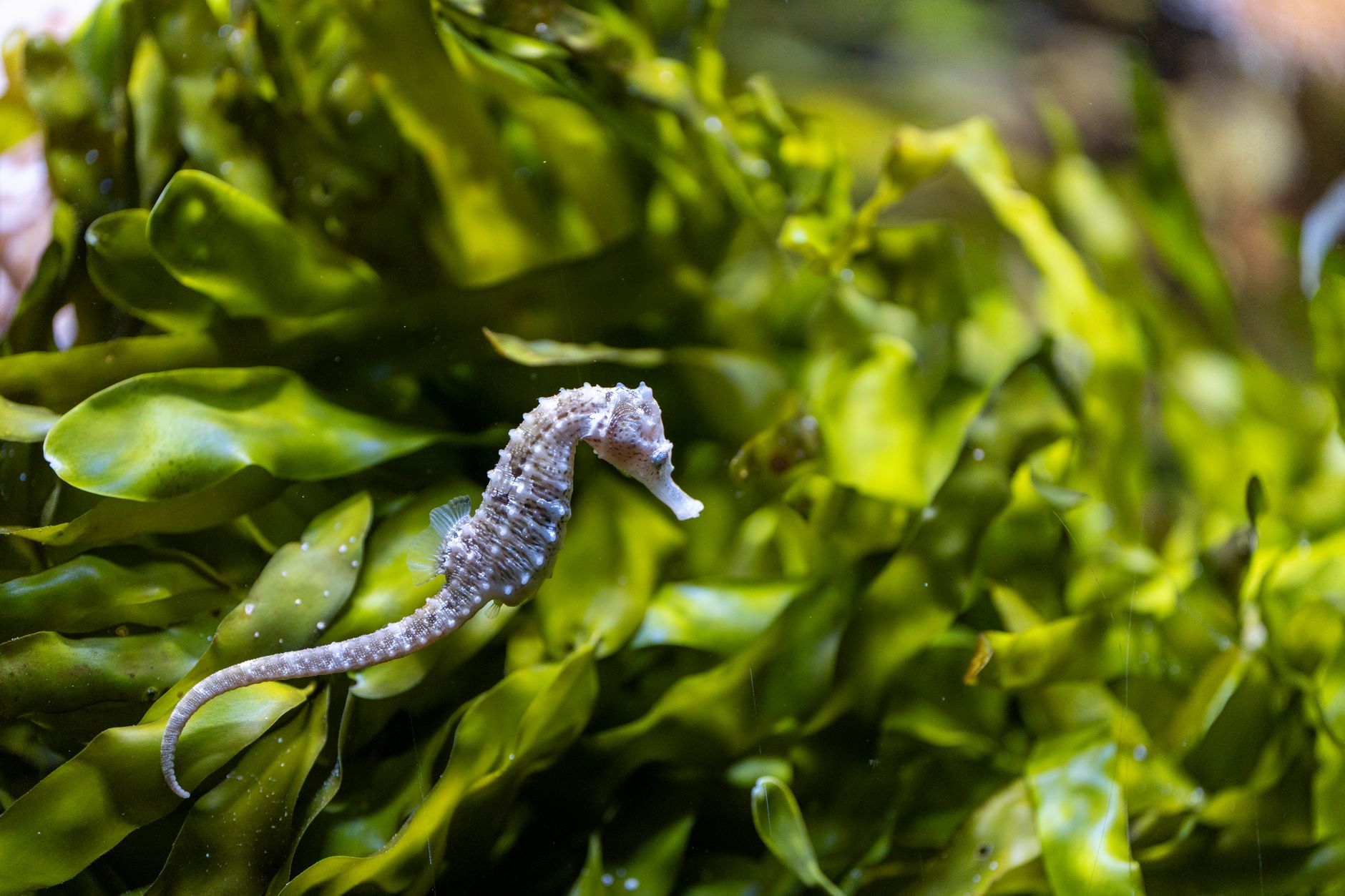
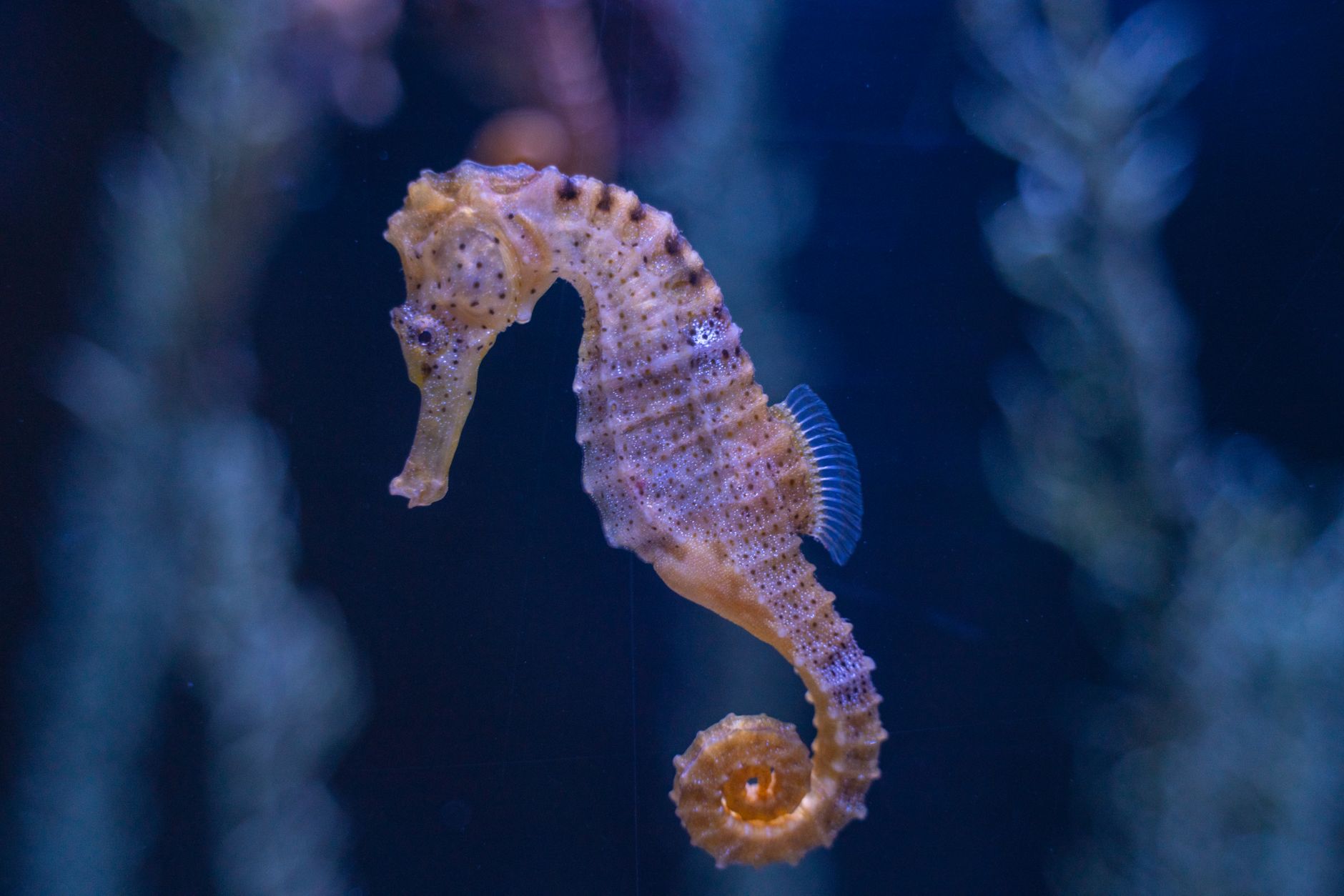
Seahorses, belonging to the genus Hippocampus, are among the most unusual creatures in the animal kingdom. Their equine shape, prehensile tail, and camouflaging abilities are remarkable enough, but their most striking feature is their unique reproductive strategy: the male seahorse carries and incubates the eggs in a specialized pouch until they hatch. This raises a fundamental question: Why are male seahorses male and not female? To understand this, we need to explore the evolutionary pressures and genetic mechanisms that led to this sex-role reversal.
What is the GREY African clawed frog?
Is distilled water good for goldfish?
What colours are fish most attracted to?
Can you put your finger in a trout's mouth?
The Genetics of Sex Determination
In many animals, including humans, sex is determined by chromosomes. However, seahorses present a different, more complex picture. Their sex determination mechanisms are not yet fully understood, but research suggests a polygenic system, where multiple genes contribute to sex determination, rather than a single pair of sex chromosomes. This means that sex isn’t just a matter of XX or XY; it’s influenced by a combination of genetic factors. These factors likely interact with environmental cues, adding another layer of complexity.
The Evolutionary Advantages of Male Pregnancy
The million-dollar question remains: Why are male seahorses male and not female? The answer lies in the evolutionary advantages conferred by male pregnancy. While it seems counterintuitive at first glance, there are scenarios where this strategy benefits the species. One leading hypothesis centers on egg production. Females may be limited in the number of eggs they can produce at any given time. By transferring the responsibility of incubation to the male, the female can focus on rapidly producing more eggs, thereby increasing the overall reproductive output of the pair. This is particularly advantageous in environments where predation is high, or resources are scarce.
Another perspective suggests that male pregnancy allows for greater paternal certainty. Because the male receives the eggs directly from the female and carries them internally, he can be more certain that he is indeed the father of the offspring. This can lead to increased investment in the young.
The Trade-Offs: Costs and Benefits
While male pregnancy provides certain advantages, it also comes with trade-offs. Incubation requires energy and restricts the male’s mobility, making him more vulnerable to predators. Furthermore, the male’s pouch can only hold a limited number of eggs. Despite these costs, the evolutionary success of seahorses suggests that the benefits of male pregnancy outweigh the drawbacks in their specific ecological niche. This reinforces the answer to why male seahorses are male and not female; the reproductive strategy, despite its costs, is ultimately advantageous for the species survival.
Environmental Influence on Sex Differentiation
Emerging research indicates that environmental factors may also play a role in sex differentiation in seahorses. Temperature, salinity, and even social cues could potentially influence the expression of genes involved in sex determination. This adds another layer of complexity to our understanding of why are male seahorses male and not female? Further research is needed to fully elucidate the role of environmental factors in seahorse sex determination.
Frequently Asked Questions (FAQs)
How many species of seahorse are there?
There are approximately 54 recognized species of seahorse, each with its own unique characteristics and distribution. All species, however, share the trait of male pregnancy.
Is the male seahorse truly pregnant?
Yes, the male seahorse is truly pregnant. He carries the eggs inside a specialized pouch, provides them with nutrients, and protects them until they hatch. This is a unique form of parental care that is rare in the animal kingdom.
What is the seahorse pouch made of?
The seahorse pouch is a modified version of the male’s abdomen. It is a complex structure with a vascularized lining that provides the developing embryos with oxygen and nutrients.
How long does the male seahorse carry the eggs?
The incubation period varies depending on the species and environmental conditions, but it typically ranges from two to four weeks.
How many babies do seahorses have at a time?
The number of offspring varies significantly depending on the species and size of the male, ranging from just a few dozen to over 2,000 in some cases.
Do seahorse babies need parental care after being born?
No, seahorse babies are independent from birth and receive no further parental care. They are miniature versions of their parents and are immediately able to feed themselves.
Are seahorses monogamous?
Some seahorse species are believed to be monogamous, forming pair bonds that last for at least one breeding season. However, other species are known to be less faithful.
Are seahorses endangered?
Many seahorse species are threatened or endangered due to habitat loss, overfishing (particularly for traditional medicine), and the aquarium trade.
Can seahorses change sex?
While some fish species can change sex, there is no evidence to suggest that seahorses can do so. Once a seahorse’s sex is determined, it remains fixed throughout its life. Understanding this is essential to answering why are male seahorses male and not female?
How do seahorses feed?
Seahorses are ambush predators that feed on small crustaceans and plankton. They use their long snouts to suck prey into their mouths with surprising speed.
Where do seahorses live?
Seahorses are found in tropical and temperate waters around the world, typically inhabiting shallow seagrass beds, mangroves, and coral reefs.
What is the biggest threat to seahorse populations?
The biggest threat to seahorse populations is habitat destruction and overexploitation by humans. Protecting their habitats and implementing sustainable fishing practices are crucial for their survival. This ultimately impacts the species’ capacity to continue their peculiar, yet successful, method of reproduction. It’s an ongoing evolution answering why are male seahorses male and not female?