

Which US States Have the Most Bear Attacks?
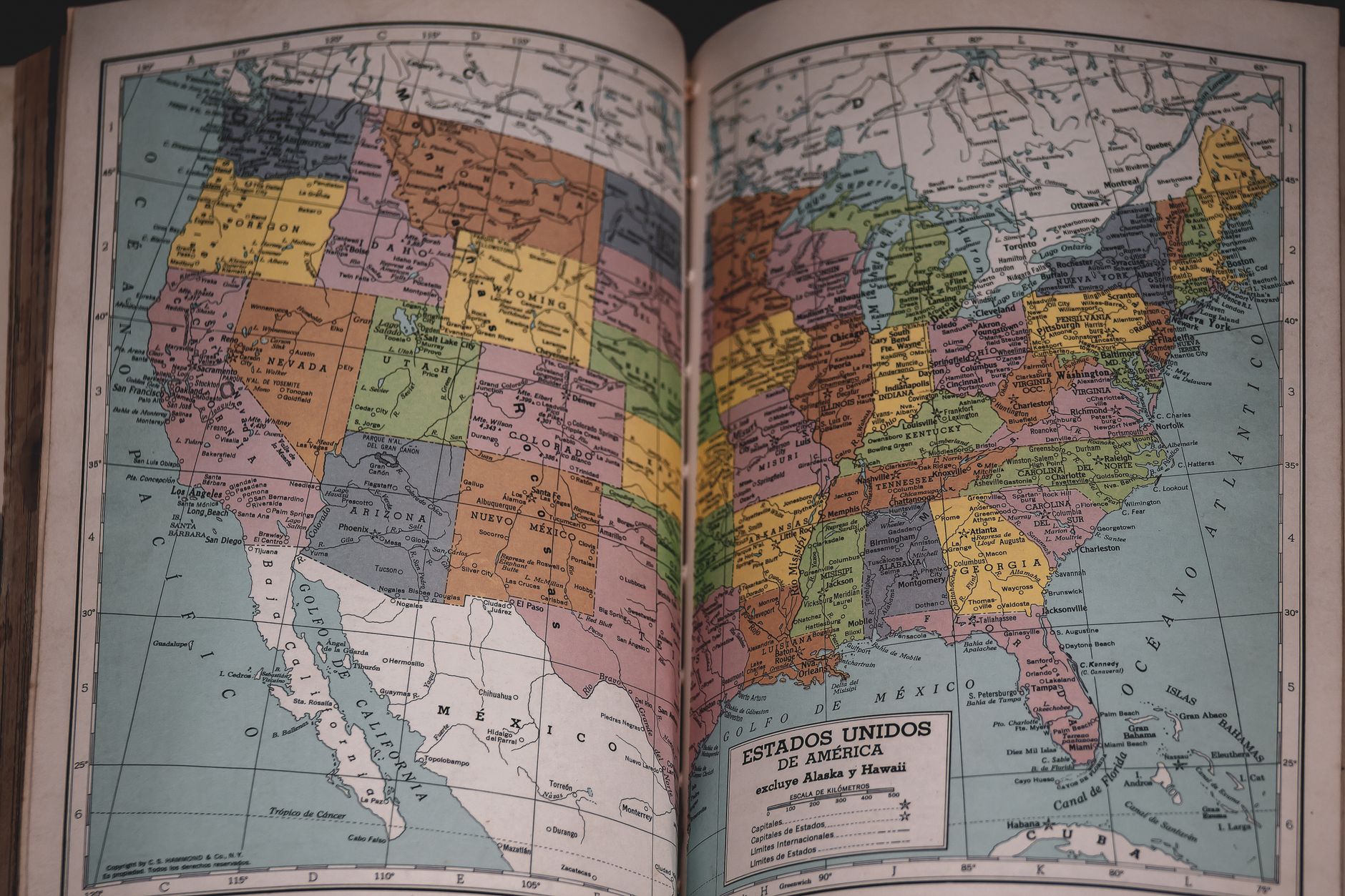
The states with the highest number of bear attacks are typically those with large bear populations and significant human encroachment into bear habitats; Alaska and Montana consistently rank among the top states with the most reported incidents. This article explores which US states have the most bear attacks?, examining factors contributing to these incidents and offering safety advice.
Understanding Bear Attacks in the US
Bear attacks, though relatively rare, are a serious concern in areas where humans and bears share territory. It’s vital to understand the factors that contribute to these incidents to mitigate risk. This requires not only identifying the states with the highest attack rates, but also analyzing the underlying causes and potential preventative measures.

Can you have a pet giant tortoise?
Do all amphibians have eyelids?
Why do cuttlefish have W-shaped eyes?
Do all snakes have poison in them?
States with the Highest Bear Attack Rates

Several factors influence bear attack frequency in a given state, including:
- Bear Population Size: Larger bear populations naturally increase the likelihood of encounters.
- Human Encroachment: As human development expands into bear habitats, conflicts become more frequent.
- Food Availability: Bears may be attracted to areas with readily available human food sources (e.g., garbage, pet food, improperly stored food).
- Recreational Activities: Hiking, camping, and hunting in bear country increase the chances of human-bear interactions.
Based on historical data and reporting from state wildlife agencies, the following states consistently rank high in bear attack statistics:
| State | Estimated Bear Population | Key Factors Contributing to Attacks |
|---|---|---|
| Alaska | 30,000+ | High bear population, extensive wilderness areas, popular fishing and hunting activities |
| Montana | 1,000+ Grizzlies, Black Bears present | Expanding human population into bear habitat, conflicts around agricultural land |
| Wyoming | 600+ Grizzlies, Black Bears present | Similar to Montana, Yellowstone National Park influences interactions |
| Washington | 25,000+ Black Bears | Increasing human-wildlife overlap, recreational activities |
| California | 30,000-40,000+ Black Bears | Large Black Bear population, high levels of outdoor recreation |
Note: Attack statistics can vary depending on the data source and reporting methodology. These figures are estimates based on available information from state agencies and published research.
Types of Bear Attacks
Understanding the different types of bear attacks is crucial for understanding how to respond. Bears are powerful animals, and the motivation for an attack can influence the optimal safety strategies.
- Defensive Attacks: These are the most common type. The bear feels threatened, usually because humans have gotten too close to its cubs or food source. Signs of defensive behavior include huffing, jaw-popping, and swatting the ground.
- Predatory Attacks: These are rarer but more dangerous. The bear views the human as prey. There are typically few or no warning signs.
- Surprise Encounters: When startled, a bear may react aggressively out of fear and confusion.
Safety Tips for Avoiding Bear Attacks
Prevention is key. Taking precautions when venturing into bear country can significantly reduce your risk of an encounter and potential attack. Consider these recommendations:
- Make Noise: Hike in groups and make noise (e.g., talking, singing, or using bear bells) to alert bears to your presence.
- Carry Bear Spray: Bear spray is a highly effective deterrent. Know how to use it properly and keep it readily accessible.
- Store Food Properly: Use bear-resistant canisters or hang food at least 10 feet off the ground and 4 feet from the tree trunk.
- Avoid Hiking at Dawn and Dusk: Bears are most active during these times.
- Be Aware of Your Surroundings: Watch for signs of bear activity, such as tracks, scat, or disturbed vegetation.
Responding to a Bear Encounter
If you encounter a bear, your reaction can significantly impact the outcome.
- Identify the Bear’s Behavior: Is it acting defensively or predatorily?
- Remain Calm: Avoid sudden movements and speak in a calm, firm voice.
- For Defensive Encounters: Slowly back away while facing the bear. Avoid direct eye contact. If the bear charges, use bear spray. If the bear attacks, play dead by lying flat on your stomach with your hands protecting the back of your neck.
- For Predatory Encounters: Fight back aggressively, using anything available as a weapon (e.g., rocks, sticks, bear spray). Focus on the bear’s face and eyes.
The Role of State Agencies
State wildlife agencies play a crucial role in monitoring bear populations, managing bear habitats, and educating the public about bear safety. They are vital resources for accurate information on which US states have the most bear attacks? and how to minimize risk in those states.
Frequently Asked Questions (FAQs)
What is the difference between a black bear and a grizzly bear, and does it affect attack frequency?
Black bears are generally smaller and less aggressive than grizzly bears. Grizzly bears are more likely to attack defensively, especially if they feel their cubs or food source are threatened. While black bear attacks are more common overall due to larger populations and wider distribution, grizzly bear attacks tend to be more serious.
Does the time of year impact the likelihood of bear attacks?
Yes, the time of year significantly impacts the likelihood of bear attacks. Bears are most active in the spring and fall as they search for food to replenish their energy reserves after hibernation (spring) or to prepare for hibernation (fall). Summer also sees increased human-bear interactions due to increased outdoor recreational activities.
Are bear attacks increasing in the US?
While it’s difficult to establish a definitive trend due to variations in reporting and data collection, some regions are experiencing an increase in human-bear conflicts as human populations expand into bear habitats. Climate change affecting food sources and distribution may also contribute to these changes. Therefore, asking which US states have the most bear attacks? is constantly evolving.
Is it safe to hike alone in bear country?
Hiking in groups is generally safer than hiking alone in bear country. Groups are noisier, making bears more likely to be aware of your presence and avoid you. If you must hike alone, be extra vigilant about making noise and carrying bear spray.
How effective is bear spray?
Bear spray is a highly effective deterrent when used correctly. Studies have shown it to be more effective than firearms in stopping bear attacks. It’s essential to practice using bear spray before venturing into bear country.
What should I do if I encounter a bear in my backyard?
Remove any potential food attractants, such as garbage, pet food, or bird feeders. Make noise to scare the bear away. If the bear becomes aggressive or continues to return, contact your local wildlife agency.
Does carrying a firearm guarantee my safety from a bear attack?
While firearms can be used for defense, they are not always the most effective option. Bear spray is often recommended as the primary defense because it is easier to use accurately and does not require the user to get as close to the bear. Proper training and quick, accurate shooting are crucial for firearms to be effective in a bear attack.
Are some breeds of dogs more likely to trigger bear attacks?
While there’s no definitive evidence to suggest certain breeds are more prone to triggering attacks, dogs in general can provoke bears. Bears may perceive dogs as a threat, especially if the dog chases or barks at them. Keeping dogs on a leash and under control is crucial in bear country.
What is a bear-resistant food canister, and why should I use one?
A bear-resistant food canister is a hard-sided container designed to prevent bears from accessing food. Using a canister is a responsible way to store food while camping or backpacking in bear country, reducing the risk of attracting bears to your campsite.
What role does climate change play in bear attacks?
Climate change can alter bear behavior and distribution by affecting their food sources. For example, droughts or wildfires can reduce berry crops or salmon runs, forcing bears to seek food in areas where they are more likely to encounter humans, increasing the risk of attacks and further muddying the answer to which US states have the most bear attacks?.
How can I find out about recent bear activity in a specific area?
Contact the local ranger station, visitor center, or wildlife agency. They can provide information on recent bear sightings, closures, or other relevant safety information. Check online forums or social media groups dedicated to local hiking or camping communities for recent reports.
What can I do to help prevent bear attacks in my community?
Educate yourself about bear safety and share that knowledge with others. Support efforts to manage bear habitats and reduce human-wildlife conflict. Properly store food and garbage, and encourage your neighbors to do the same. Contact your local government to voice concerns.