
Which Microphone is Best: Dynamic or Condenser for Recording?
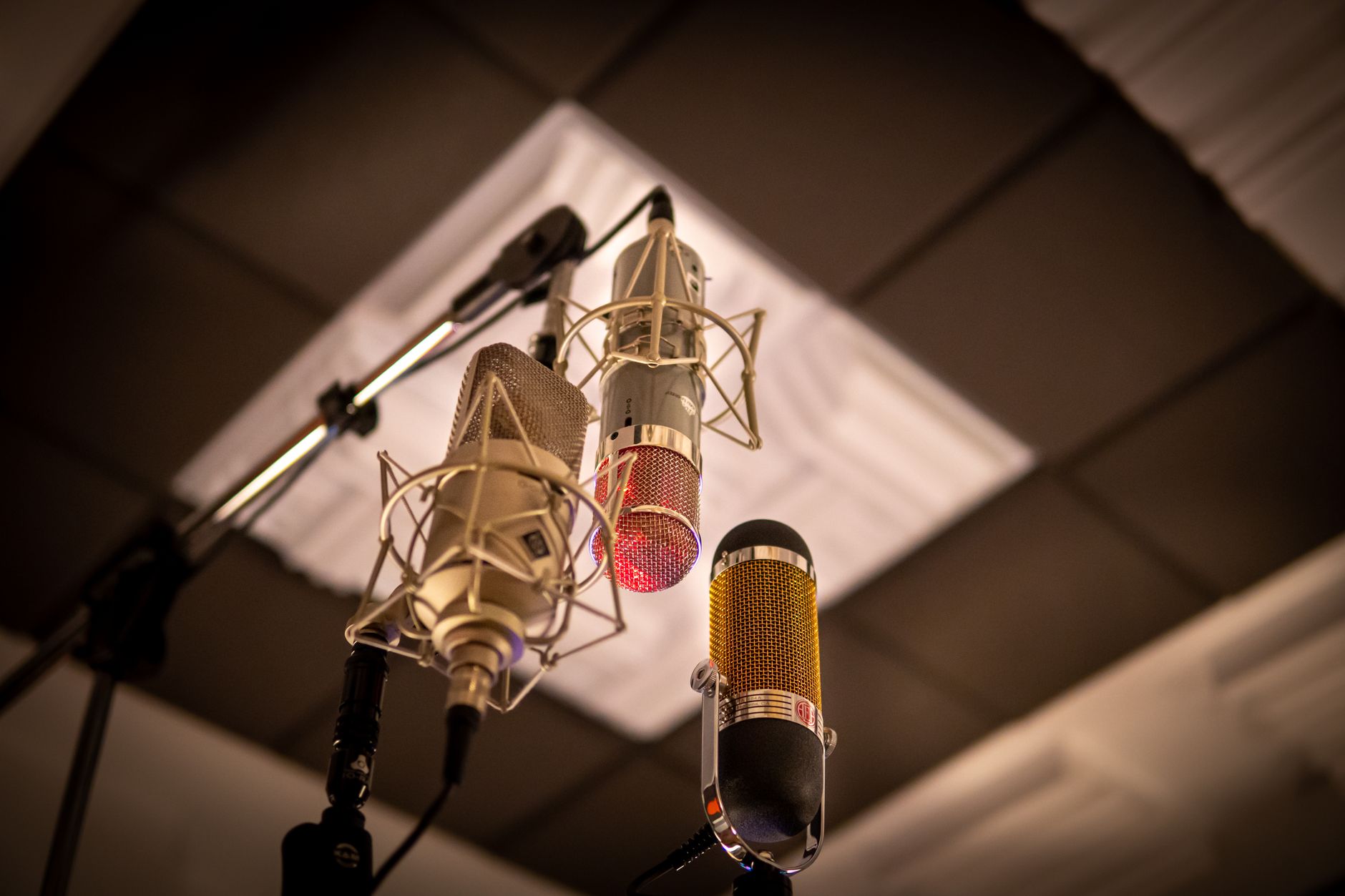
Which microphone is best for recording dynamic or condenser? The answer depends entirely on the specific sound source, recording environment, and desired sonic character. Condenser microphones are generally more sensitive and detailed, ideal for studio vocals and acoustic instruments, while dynamic microphones are rugged and handle high sound pressure levels well, making them perfect for drums, electric guitar amps, and live performances.
Understanding Microphone Fundamentals
Choosing the right microphone is crucial for capturing high-quality audio. The two main types – dynamic and condenser – operate on different principles and excel in different applications. Understanding these differences is key to selecting the best microphone for recording.
Dynamic Microphones: Rugged Reliability

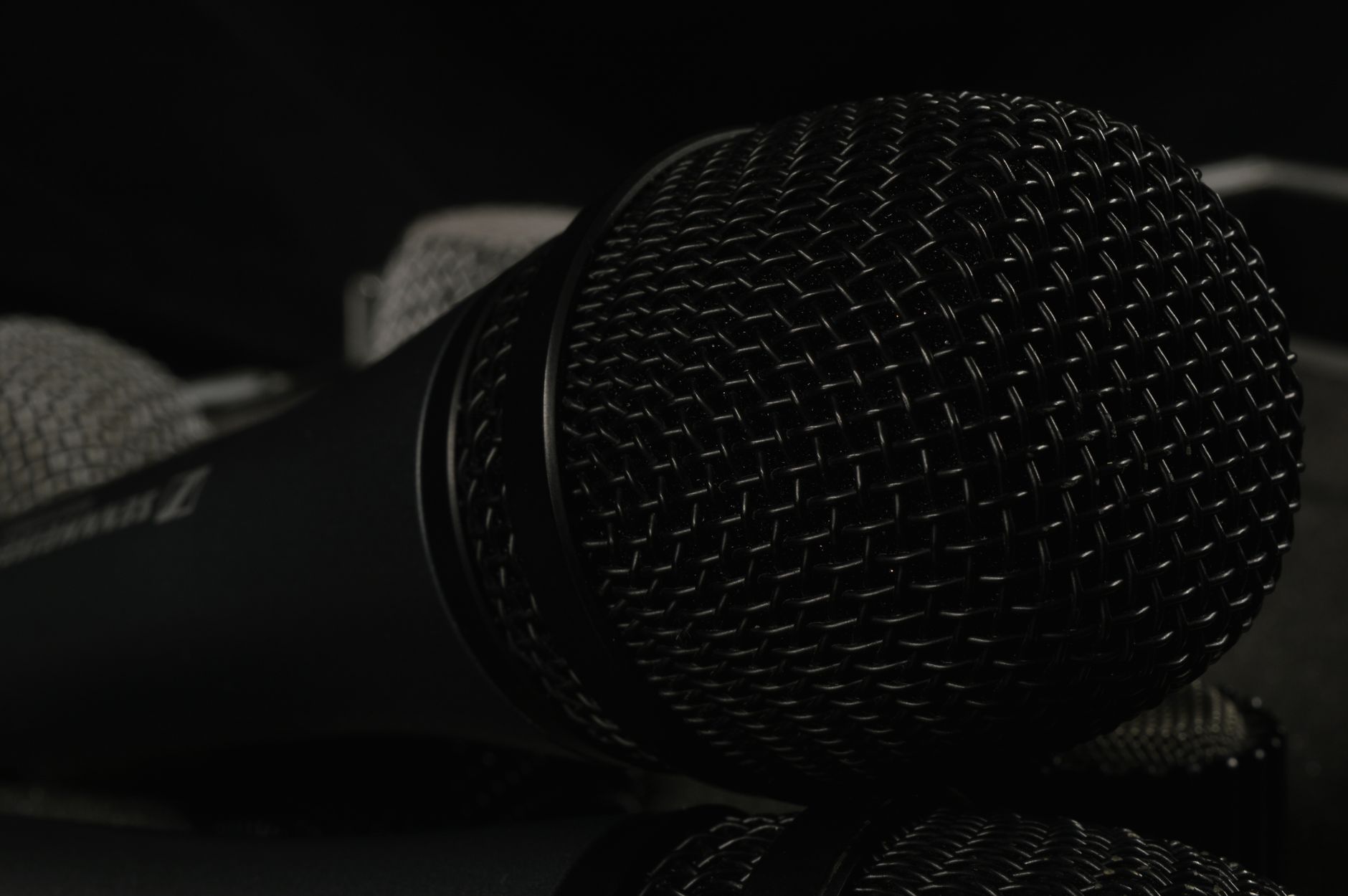
Dynamic microphones are known for their durability and ability to handle loud sounds. They work by using a diaphragm attached to a voice coil that moves within a magnetic field, generating an electrical signal.
- Pros:
- Robust and can withstand high sound pressure levels (SPL).
- Less sensitive, reducing unwanted background noise.
- Typically more affordable.
- Cons:
- Less sensitive to subtle nuances and high frequencies.
- May require more gain from your preamplifier.
Condenser Microphones: Capturing Detail
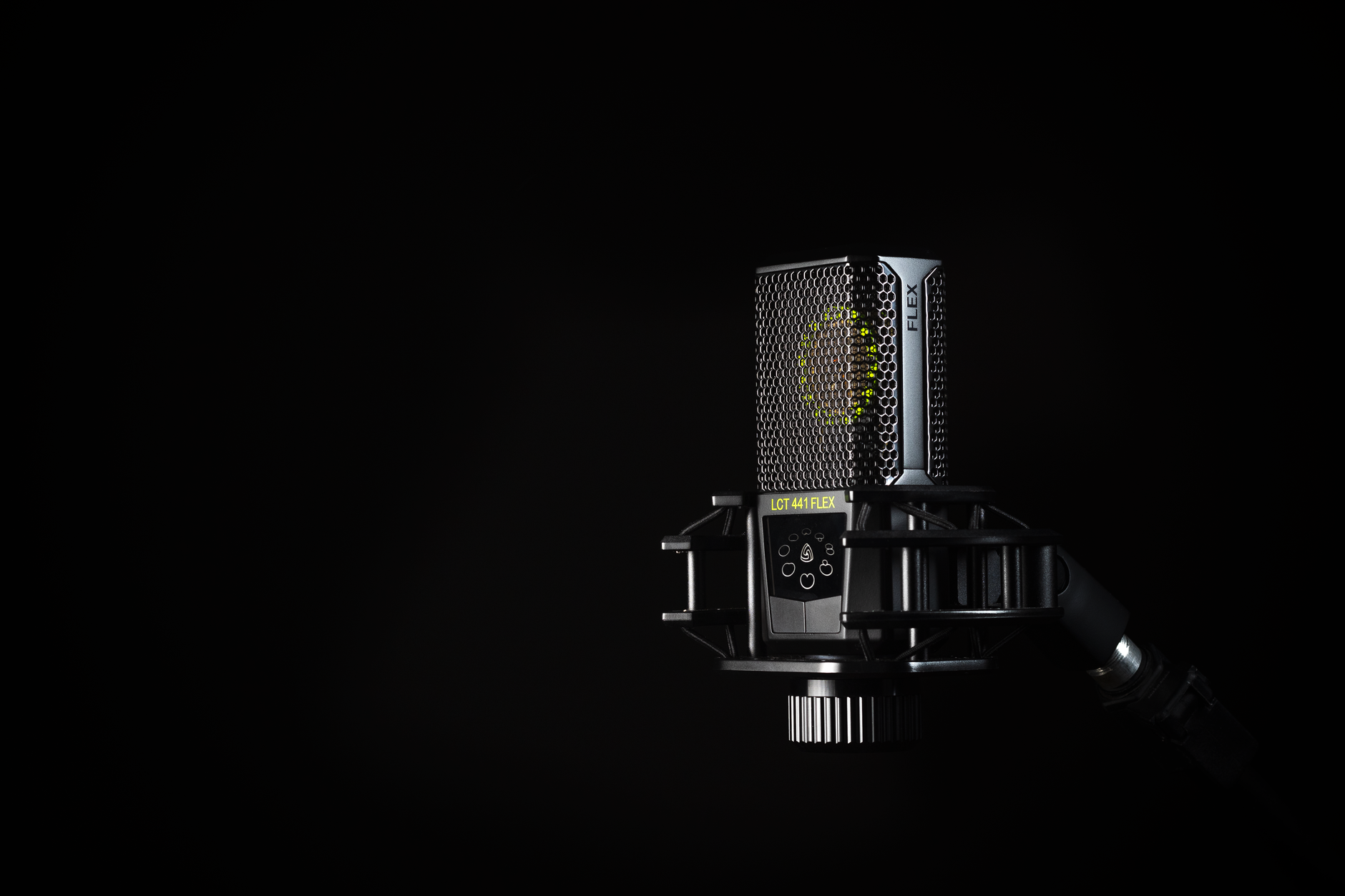
Condenser microphones are more sensitive and capture a wider frequency range than dynamic mics. They operate using a capacitor formed by a diaphragm and a backplate. Changes in sound pressure move the diaphragm, altering the capacitance and generating a signal.
- Pros:
- Highly sensitive, capturing detailed and nuanced sounds.
- Excellent frequency response, picking up highs and lows accurately.
- Often preferred for vocals and acoustic instruments.
- Cons:
- More delicate and susceptible to damage.
- Require phantom power (usually 48V).
- More sensitive to background noise.
Factors Influencing Microphone Choice
Several factors influence which microphone is best for recording a particular sound source:
- Sound Source: Loud instruments (drums, guitar amps) benefit from the ruggedness of dynamic mics. Delicate sounds (vocals, acoustic instruments) are often better captured with condenser mics.
- Recording Environment: Noisy environments are better suited to dynamic mics, which reject more background noise. Condenser mics are best used in treated studio environments.
- Desired Sound Character: Dynamic mics often have a warmer, thicker sound, while condenser mics tend to be brighter and more detailed.
Key Specifications to Consider
- Frequency Response: The range of frequencies a microphone can accurately capture.
- Polar Pattern: The microphone’s sensitivity to sounds from different directions (e.g., cardioid, omnidirectional, bidirectional).
- Sensitivity: How well the microphone converts sound pressure into an electrical signal.
- Maximum SPL: The highest sound pressure level the microphone can handle without distortion.
Common Applications
| Application | Recommended Microphone Type | Rationale |
|---|---|---|
| Vocals | Condenser | Captures vocal nuances and subtleties; requires a treated environment. |
| Electric Guitar Amp | Dynamic | Handles high SPLs; provides a warm, punchy sound. |
| Drums | Dynamic | Can withstand the loud and percussive nature of drums; use multiple mics for a full kit sound. |
| Acoustic Guitar | Condenser | Captures the detailed and delicate sound of the acoustic guitar. |
| Podcast/Voiceover | Condenser or Dynamic | Condenser offers higher fidelity; Dynamic provides better isolation in less-than-ideal environments. Choose which microphone is best based on environment. |
Overcoming Common Challenges
- Excessive Noise: Use a dynamic microphone or improve your recording environment with acoustic treatment.
- Weak Signal: Use a microphone preamp to boost the signal level.
- Distortion: Reduce the input gain on your audio interface or move the microphone further from the sound source.
Which Microphone is Best: A Subjective Choice?
Ultimately, deciding which microphone is best for recording is a subjective decision based on your individual needs and preferences. Experimenting with different microphones and techniques is the best way to find what works best for you.
Frequently Asked Questions (FAQs)
What is phantom power, and why do condenser microphones need it?
Phantom power is a DC voltage, typically 48V, supplied by audio interfaces or preamplifiers to power condenser microphones. Condenser microphones require phantom power to charge their internal capacitor and operate correctly. Dynamic microphones do not require phantom power.
Can I use a dynamic microphone for vocals?
Yes, you can absolutely use a dynamic microphone for vocals. Dynamic microphones can be a good choice for vocals, especially in noisy environments or for certain vocal styles where a more intimate and focused sound is desired. Consider the Shure SM58, a very common vocal mic.
Are condenser microphones always better than dynamic microphones?
No, condenser microphones are not always better than dynamic microphones. Each type has its strengths and weaknesses. Condenser mics excel at capturing detail, while dynamic mics are more durable and handle loud sounds better. Which microphone is best depends on the application.
What is the difference between cardioid and omnidirectional polar patterns?
A cardioid polar pattern picks up sound primarily from the front of the microphone and rejects sound from the rear. An omnidirectional polar pattern picks up sound equally from all directions. Cardioid patterns are useful for isolating a sound source, while omnidirectional patterns capture the ambience of the room.
How close should I place the microphone to the sound source?
The optimal distance depends on the microphone type, the sound source, and the desired sound. Generally, dynamic microphones can be placed closer to the sound source than condenser microphones due to their ability to handle higher SPLs. Experiment to find the sweet spot.
What is a pop filter, and why should I use one?
A pop filter is a screen placed in front of a microphone to reduce plosives, which are harsh “p” and “b” sounds that can overload the microphone. Using a pop filter is essential when recording vocals with a condenser microphone to prevent unwanted pops and thumps.
Can I use the same microphone for both vocals and instruments?
Yes, you can use the same microphone for both vocals and instruments, but it’s often better to use different microphones optimized for each sound source. However, if you are on a budget, choosing which microphone is best will depend on your most frequent recording application.
How do I reduce background noise when recording?
- Use a microphone with a directional polar pattern (e.g., cardioid).
- Record in a quiet environment with acoustic treatment.
- Use a noise gate or noise reduction software.
- Move the microphone closer to the sound source.
What is a shock mount, and why should I use one?
A shock mount is a device that suspends the microphone to isolate it from vibrations that can travel through the microphone stand. Using a shock mount helps to reduce unwanted rumble and noise, resulting in a cleaner recording.
What is proximity effect, and how does it affect my recordings?
Proximity effect is an increase in bass response when a directional microphone is placed close to a sound source. This can be used creatively to add warmth to vocals, but it can also create a muddy sound if overused. Experiment with microphone placement to manage the proximity effect.
Do I need a separate preamp, or is the one in my audio interface good enough?
While the preamps in most audio interfaces are adequate, a dedicated microphone preamp can provide higher gain, lower noise, and a more desirable sonic character. If you’re serious about recording, investing in a good preamp can make a significant difference.
How can I tell if my microphone is overloading?
Overloading, or clipping, occurs when the signal level is too high, resulting in distortion. You can usually see the signal level on your audio interface or recording software. Reduce the input gain on your preamp or move the microphone further from the sound source to prevent overloading. Remember which microphone is best won’t matter if the gain is set incorrectly.