
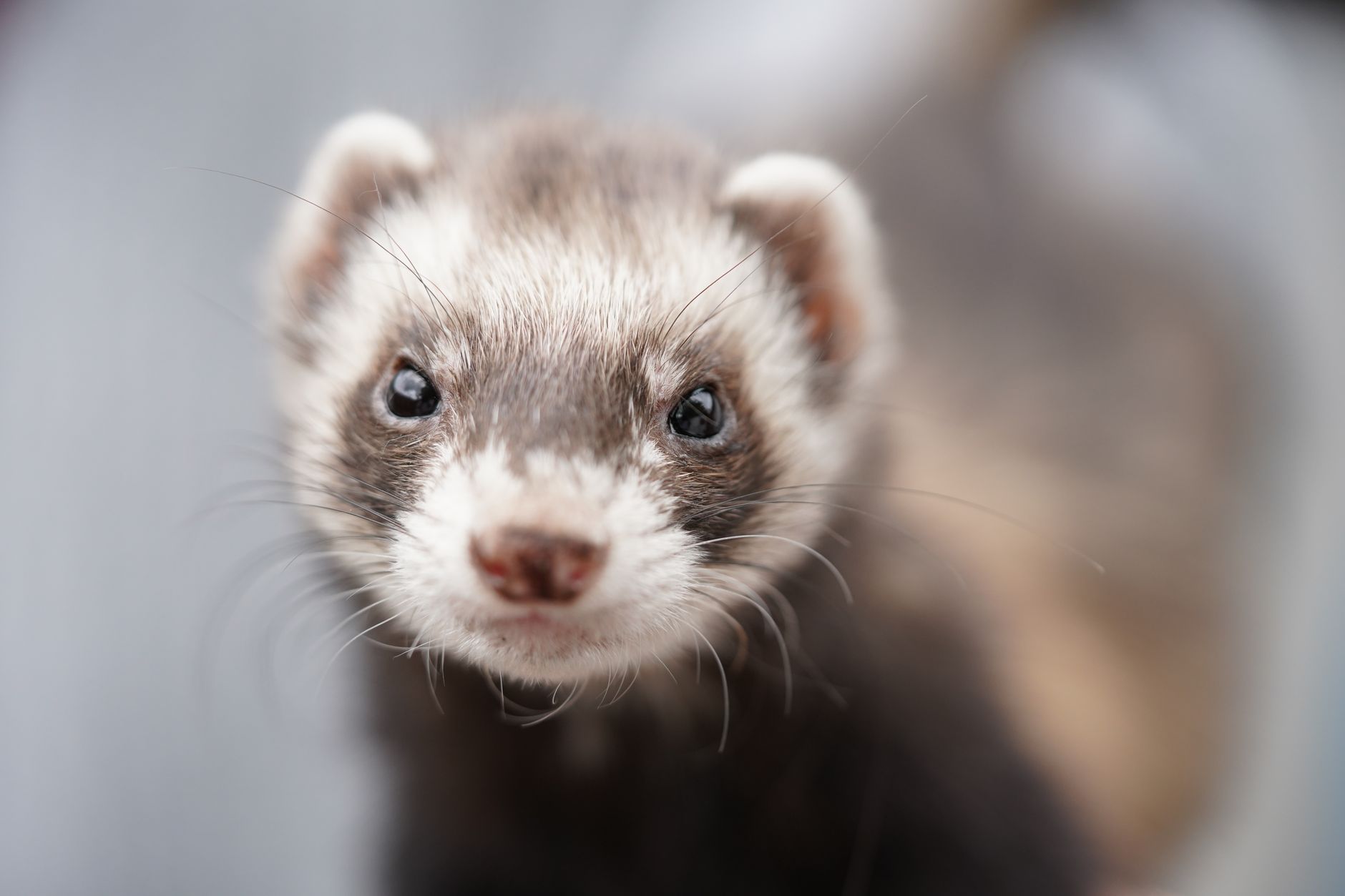
What Do Ferrets Eat Naturally? Exploring a Carnivore’s Diet
Ferrets are obligate carnivores, meaning their natural diet consists almost entirely of animal protein and fat; in the wild, they would primarily consume small mammals, birds, and insects. This dietary requirement is crucial for their health and longevity.
Understanding the Ferret: A Natural Hunter
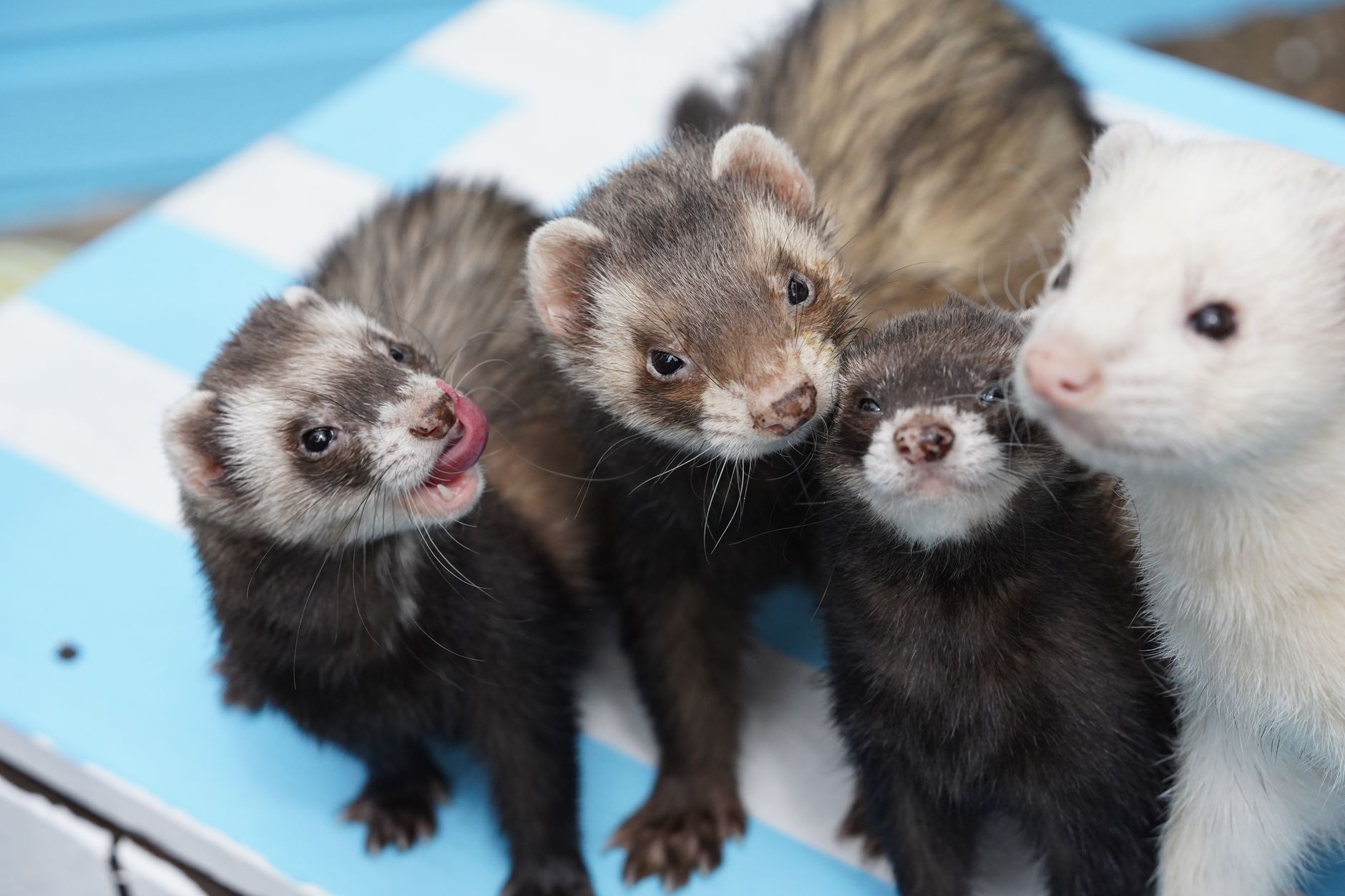
To truly understand what do ferrets eat naturally?, we must first appreciate their biological makeup. Ferrets are mustelids, a family of carnivorous mammals known for their elongated bodies and hunting prowess. Domestication hasn’t altered their fundamental need for a high-protein, high-fat diet. Their short digestive tracts and lack of a cecum (the pouch where herbivores ferment plant matter) make them poorly equipped to digest plant-based foods.
The Wild Ferret’s Menu: A Protein-Packed Feast

In the wild (or in a truly feral state), ferrets are opportunistic hunters. Their diet would be comprised of:
- Small Mammals: Mice, rats, voles, and rabbits form the cornerstone of their diet. These provide essential nutrients like taurine and arachidonic acid.
- Birds: Smaller birds and eggs are often included, providing an additional source of protein and fat.
- Insects: While not a primary food source, insects can supplement their diet, especially for young ferrets.
- Occasional Amphibians and Reptiles: Depending on location and availability, frogs, lizards, or small snakes may be consumed.
This natural diet emphasizes whole prey, including bones and organs, which are rich in vital vitamins and minerals.
Replicating the Natural Diet in Captivity
Replicating a completely natural diet in captivity is challenging, but understanding its components allows us to make informed choices. The closest alternative to whole prey is a high-quality, ferret-specific kibble that is:
- High in Animal Protein (30-40%)
- High in Fat (18-30%)
- Low in Fiber (Less than 3%)
It’s crucial to scrutinize ingredient lists. The first few ingredients should always be meat-based protein sources. Avoid kibbles with significant amounts of plant-based protein (e.g., corn, soy, peas).
The Dangers of Inappropriate Diets
Feeding a ferret an inappropriate diet can lead to serious health problems, including:
- Insulinoma: A common endocrine disorder caused by overstimulation of the pancreas due to sugary or carbohydrate-rich foods.
- Dental Disease: Sugary treats can contribute to plaque buildup and dental problems.
- Urinary Stones: Improper mineral balance in the diet can lead to the formation of urinary stones.
- Digestive Issues: Difficulty digesting plant matter can cause diarrhea, vomiting, and other digestive upset.
Table: Comparing Natural vs. Unsuitable Ferret Foods
| Food Type | Suitable? | Rationale |
|---|---|---|
| Whole Prey | Yes | Complete and balanced, providing all essential nutrients in the correct ratios. |
| High-Quality Kibble | Yes | A convenient and nutritionally sound alternative to whole prey when carefully selected. |
| Grains | No | Difficult to digest, lacking essential nutrients. Can contribute to health problems. |
| Fruits | No | High in sugar, low in essential nutrients. Can contribute to insulinoma. |
| Vegetables | No | Difficult to digest, low nutritional value for ferrets. |
| Chocolate | No | Toxic to ferrets. |
| Candy | No | High in sugar, no nutritional value. |
Supplementing the Ferret Diet
While high-quality kibble should form the foundation of a ferret’s diet, some owners choose to supplement with raw meat, eggs, or freeze-dried treats. These additions can provide variety and boost nutrient intake. However, it’s essential to ensure that supplements are safe and balanced. Raw meat should be sourced from reputable suppliers and handled carefully to prevent bacterial contamination.
The Importance of Fresh Water
Regardless of the diet, fresh, clean water must be available at all times. Ferrets are prone to dehydration, especially in warm weather. Multiple water sources, such as bowls and bottles, are recommended.
Common Mistakes in Ferret Feeding
A common mistake is offering treats high in sugar and carbohydrates. Other pitfalls include:
- Feeding dog or cat food (which does not meet a ferret’s unique needs).
- Offering dairy products (ferrets are lactose intolerant).
- Providing bones that are cooked (cooked bones can splinter and cause injury).
- Ignoring the ingredient list and relying solely on marketing claims.
Frequently Asked Questions (FAQs) About Ferret Nutrition
What is taurine and why is it important for ferrets?
Taurine is an amino acid that is vital for heart function, vision, and reproduction in ferrets. Ferrets cannot produce taurine themselves, so it must be obtained through their diet. Meat-based proteins are the primary source of taurine.
Can ferrets eat raw meat?
Yes, ferrets can eat raw meat, and some owners choose to incorporate it into their diet. However, it’s crucial to source raw meat from reputable suppliers to minimize the risk of bacterial contamination. Safe handling and storage are also essential.
Are there any vegetables that are safe for ferrets?
While ferrets are carnivores and cannot efficiently digest vegetables, small amounts of cooked, non-starchy vegetables like cucumber or zucchini can occasionally be offered as a treat. However, vegetables should never form a significant portion of their diet.
How often should I feed my ferret?
Ferrets have a high metabolism and need to eat frequently. Provide food at all times, allowing them to eat small meals throughout the day.
Can I give my ferret milk or dairy products?
Ferrets are lactose intolerant and should not be given milk or dairy products. These can cause digestive upset and diarrhea.
What are some safe treats for ferrets?
Safe treats include small pieces of cooked meat, freeze-dried meat treats, or commercially available ferret treats that are specifically formulated to be low in sugar and carbohydrates. Treats should be given in moderation.
Is dry kibble enough for my ferret’s diet?
High-quality, ferret-specific kibble can be a complete and balanced diet for ferrets, as long as it meets their specific nutritional needs. Always check the ingredient list and ensure it’s high in animal protein and fat, and low in fiber.
Can ferrets eat chicken bones?
Cooked bones should never be given to ferrets because they can splinter and cause internal injuries. Raw bones can be offered under supervision, but they should be large enough to prevent the ferret from swallowing them whole.
How do I switch my ferret to a new food?
When switching your ferret to a new food, do so gradually to avoid digestive upset. Mix a small amount of the new food with the old food, gradually increasing the proportion of the new food over several days or weeks.
What should I do if my ferret is a picky eater?
If your ferret is a picky eater, try offering a variety of different foods to see what they prefer. You can also try moistening the food or warming it slightly to make it more appealing. Consult with a veterinarian if you are concerned about your ferret’s eating habits.
How much should I feed my ferret each day?
The amount of food a ferret needs each day depends on their age, activity level, and overall health. A general guideline is to provide approximately 2-4 tablespoons of dry kibble per day, but always adjust the amount based on your ferret’s individual needs.
Why is it important to avoid sugary treats for ferrets?
Sugary treats can cause a rapid spike in blood sugar, which can lead to insulinoma, a common and serious endocrine disorder in ferrets. They also contribute to dental problems. Therefore, sugary treats should be avoided entirely.