

Where to Leave Your Puppy When You Go to Work: A Comprehensive Guide
Worried about leaving your adorable but tiny furball? The best place to leave your puppy when you go to work depends on several factors, but generally involves creating a safe, comfortable, and enriching environment using options like a crate, playpen, or designated puppy-proofed room, sometimes supplemented by professional dog walking or daycare.

The Challenges of Leaving a Puppy Alone
Bringing a puppy into your home is an incredibly rewarding experience, but it also comes with significant responsibilities. One of the biggest challenges for working pet parents is figuring out where should I leave my puppy when I go to work? Puppies require frequent potty breaks, socialization, and supervision, making it difficult to leave them alone for extended periods. Understanding their developmental needs and planning accordingly is crucial for their well-being and your peace of mind.
Creating a Safe and Secure Environment
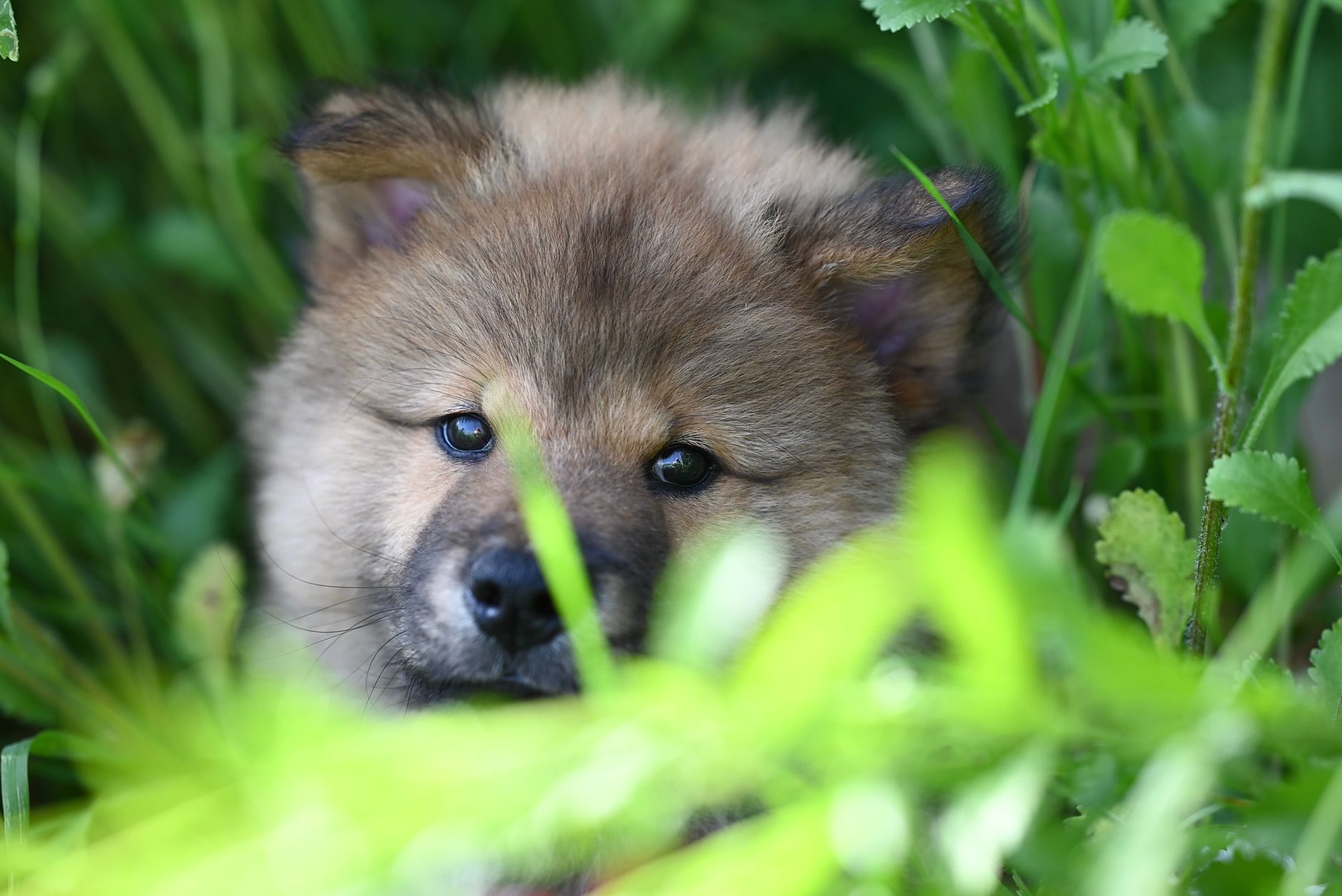
Before you even consider leaving your puppy alone, safety must be your top priority. A puppy-proofed environment is essential to prevent accidents and ensure their well-being.
-
Crate Training: Crate training provides a safe and secure den-like space for your puppy. Ensure the crate is appropriately sized, allowing your puppy to stand, turn around, and lie down comfortably. Never use the crate as punishment.
-
Playpen Setup: A playpen offers more space for movement and play than a crate. Line the playpen with puppy pads for accidents and include toys, water, and a comfortable bed.
-
Puppy-Proofing a Room: Designate a small, easy-to-clean room, such as a kitchen or laundry room, as your puppy’s space. Remove any potential hazards, such as electrical cords, cleaning supplies, and toxic plants.
Options for Puppy Care During Work Hours
Choosing the right option for where should I leave my puppy when I go to work is critical. Several alternatives exist, each with its own advantages and disadvantages.
- Crate: Best for short periods, typically no more than 3-4 hours for young puppies. Provides a secure and familiar space.
- Playpen: Offers more space than a crate, allowing for more movement and play. Suitable for puppies who are not destructive.
- Designated Room: Provides the most space but requires thorough puppy-proofing. Ideal for puppies who are reliably potty-trained.
- Dog Walker: A professional dog walker can provide your puppy with mid-day potty breaks, exercise, and socialization.
- Dog Daycare: Dog daycare offers a supervised environment with plenty of opportunities for play and interaction with other dogs.
- Pet Sitter: A pet sitter can provide personalized care for your puppy in your home.
Evaluating Your Puppy’s Needs
Every puppy is unique, and their individual needs should guide your decision on where should I leave my puppy when I go to work. Consider the following factors:
- Age: Younger puppies require more frequent potty breaks and supervision.
- Breed: Some breeds are more prone to separation anxiety than others.
- Temperament: Anxious or destructive puppies require more careful management.
- Potty Training Status: Puppies who are not fully potty-trained will need frequent access to a designated potty area.
Gradual Acclimation
Regardless of the option you choose, it’s crucial to introduce your puppy to their designated space gradually.
- Start with short periods: Begin by leaving your puppy alone for just a few minutes at a time.
- Gradually increase the duration: Slowly increase the amount of time you leave your puppy alone, monitoring their behavior for signs of distress.
- Make it positive: Associate the space with positive experiences, such as treats, toys, and praise.
- Avoid making a fuss: When leaving and returning, remain calm and avoid excessive attention to minimize anxiety.
Common Mistakes to Avoid
- Leaving a puppy alone for too long: Puppies cannot hold their bladder for extended periods, and prolonged isolation can lead to anxiety and destructive behavior.
- Using punishment: Never punish your puppy for accidents or destructive behavior, as this can damage your relationship and increase anxiety.
- Ignoring signs of separation anxiety: If your puppy exhibits signs of separation anxiety, such as excessive barking, whining, or destructive behavior, seek professional help from a veterinarian or certified dog trainer.
- Insufficient puppy-proofing: A thorough puppy-proofing process is vital to prevent accidents and ensure your puppy’s safety.
| Error | Consequence | Solution |
|---|---|---|
| Leaving alone too long | Accidents, anxiety, destructive behavior | Shorten durations, provide potty breaks, consider dog walker |
| Using punishment | Damaged relationship, increased anxiety | Positive reinforcement, redirection, professional guidance |
| Ignoring anxiety signs | Worsening anxiety, behavioral issues | Seek professional help from vet or certified trainer |
| Insufficient proofing | Accidents, injuries, ingestion of dangerous items | Thoroughly remove hazards, secure cords, limit access |
The Importance of Enrichment
Providing your puppy with plenty of enrichment while you’re away is essential to prevent boredom and destructive behavior.
- Toys: Offer a variety of toys, including chew toys, puzzle toys, and interactive toys.
- Puzzle feeders: Use puzzle feeders to provide mental stimulation and slow down eating.
- Background noise: Leave on a radio or television to provide background noise and reduce the feeling of isolation.
- Rotate toys: Rotate toys regularly to keep your puppy interested and engaged.

Frequently Asked Questions (FAQs)
How long can I safely leave a puppy alone in a crate?
Puppies under six months old shouldn’t be left in a crate for more than 3-4 hours at a time during the day. They need frequent potty breaks. Older puppies can gradually tolerate longer periods, but never exceed 6-8 hours. Remember, a crate should be a safe haven, not a prison.
Is it cruel to leave a puppy alone all day?
Leaving a puppy alone for the entire workday (8+ hours) without any breaks is generally not recommended and can be considered cruel. Puppies need interaction, potty breaks, and mental stimulation. Consider a dog walker, daycare, or pet sitter to provide care during the day.
What are the signs of separation anxiety in puppies?
Signs of separation anxiety include excessive barking or whining, destructive behavior (chewing furniture, scratching doors), inappropriate urination or defecation, panting and pacing, and attempts to escape. If you notice these signs, consult with a veterinarian or certified dog trainer.
Can I leave my puppy outside in a fenced yard while I’m at work?
While a fenced yard seems ideal, leaving a young puppy unattended outside for extended periods is generally not safe. Puppies can escape, be exposed to predators or harsh weather, or ingest toxic substances. Supervision is always best.
How do I choose the right dog walker or pet sitter?
When choosing a dog walker or pet sitter, check references, ask about their experience with puppies, ensure they are licensed and insured, and observe their interaction with your puppy. A meet-and-greet is crucial to ensure a good fit.
What type of toys are best for puppies when they are left alone?
Safe and durable toys are essential. Opt for chew toys made of durable rubber, puzzle toys that dispense treats, and interactive toys that provide mental stimulation. Avoid toys with small parts that can be swallowed. Kong toys filled with frozen peanut butter or yogurt can provide hours of entertainment.
How do I crate train my puppy?
Crate training should be a positive experience. Introduce the crate gradually, using treats and praise to encourage your puppy to enter. Never force your puppy into the crate or use it as punishment. Feed your puppy meals in the crate and provide comfortable bedding.
What if my puppy destroys everything when left alone?
Destructive behavior can be a sign of boredom, anxiety, or lack of training. Ensure your puppy has plenty of appropriate chew toys, and consider a dog walker or daycare to provide more exercise and mental stimulation. Consult a professional trainer for guidance on addressing the underlying cause of the behavior.
Is dog daycare a good option for my puppy?
Dog daycare can be a great option for socialization, exercise, and mental stimulation. However, it’s important to choose a reputable daycare facility that screens dogs for temperament and health. Ensure your puppy is vaccinated and properly socialized before attending daycare.
How can I make leaving my puppy less stressful for both of us?
Establish a consistent routine before you leave. Provide a calming activity like a chew toy or puzzle feeder. Avoid making a big fuss when you leave or return. Consider leaving a worn t-shirt that smells like you to provide comfort.
How much does it cost to hire a dog walker or pet sitter?
The cost of a dog walker or pet sitter varies depending on location, services offered, and the length of the visit. Expect to pay anywhere from $15-$30 for a 30-minute walk or $25-$75 for an overnight pet-sitting visit.
Where should I leave my puppy when I go to work if they have a medical condition?
If your puppy has a medical condition, it is crucial to discuss their care with your veterinarian. You may need to consider options that allow for medication administration or close monitoring, such as a professional pet sitter or dog daycare with trained staff. Always prioritize your puppy’s health and safety.