
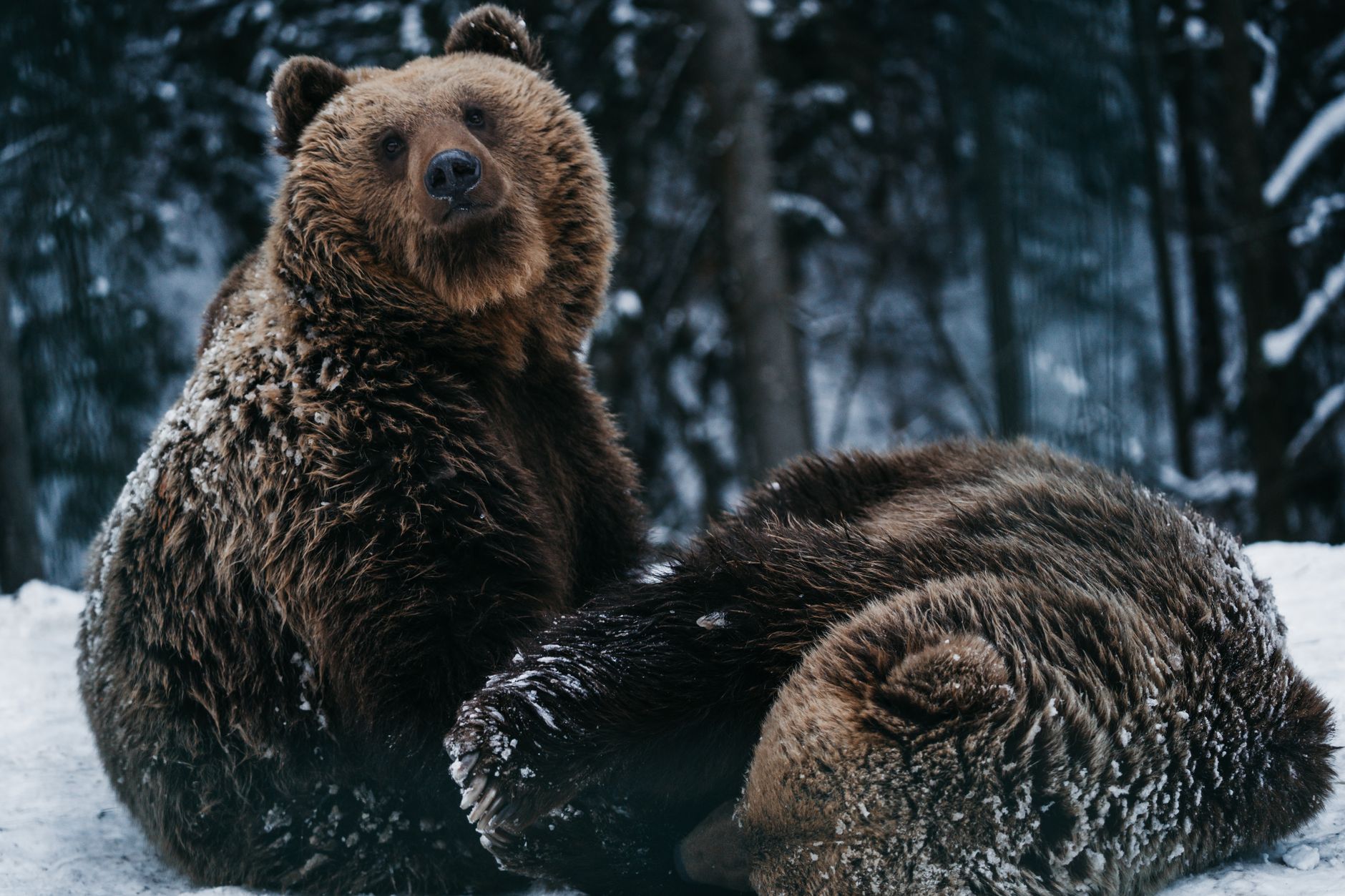
Can Animals Feel the Cold? Exploring Animal Thermoregulation
Yes, animals absolutely feel the cold. They possess intricate thermoregulatory mechanisms to perceive and respond to changes in temperature, though the specifics and effectiveness vary significantly across species.

Introduction: The Universal Need for Thermoregulation
The ability to perceive and react to temperature changes is fundamental to survival. All animals, from the smallest insects to the largest whales, engage in thermoregulation, the process of maintaining a stable internal body temperature despite external fluctuations. While the question “Can animals feel the cold?” seems straightforward, the answer is nuanced, encompassing a wide range of physiological and behavioral adaptations.
Understanding Thermoreception: How Animals Detect Cold

Animals possess specialized sensory receptors called thermoreceptors that detect changes in temperature. These receptors are located in the skin and other tissues, and they transmit signals to the brain, allowing the animal to perceive cold or heat.
- Transient Receptor Potential (TRP) Channels: These are a family of ion channels crucial for temperature sensing. Different TRP channels are activated by different temperature ranges, allowing animals to distinguish between subtle variations. Some channels are specifically activated by cold temperatures.
- Nerve Endings: Free nerve endings in the skin also play a role in detecting temperature changes. These endings can be sensitive to both heat and cold, and they contribute to the overall perception of thermal comfort or discomfort.
The density and distribution of thermoreceptors vary among species. For instance, animals living in extremely cold environments may have a higher concentration of cold-sensitive receptors in their extremities, allowing them to quickly detect and respond to potentially dangerous temperature drops.
Endotherms vs. Ectotherms: Two Strategies for Dealing with the Cold
Animals can be broadly classified into two categories based on their thermoregulatory strategies: endotherms and ectotherms. Understanding these strategies is key to understanding how animals cope with cold.
- Endotherms (Warm-Blooded Animals): Endotherms, like mammals and birds, generate their own body heat through metabolic processes. They can maintain a relatively constant internal body temperature regardless of the external environment. Endotherms use a variety of strategies to cope with the cold:
- Shivering: Involuntary muscle contractions that generate heat.
- Non-Shivering Thermogenesis: Heat production through metabolic processes in brown adipose tissue (brown fat).
- Vasoconstriction: Constricting blood vessels near the skin’s surface to reduce heat loss.
- Insulation: Fur, feathers, and fat layers provide insulation to trap heat.
- Ectotherms (Cold-Blooded Animals): Ectotherms, like reptiles, amphibians, and insects, rely on external sources of heat to regulate their body temperature. Their body temperature fluctuates with the environment. Ectotherms use behavioral strategies to cope with cold:
- Basking in the Sun: Absorbing solar radiation to warm up.
- Seeking Shelter: Hiding under rocks or in burrows to avoid cold temperatures.
- Torpor or Hibernation: Entering a state of dormancy with reduced metabolic activity to conserve energy.
The table below summarizes the key differences between endotherms and ectotherms:
| Feature | Endotherms | Ectotherms |
|---|---|---|
| Heat Source | Internal (metabolic) | External (environment) |
| Body Temperature | Relatively Constant | Fluctuates with environment |
| Energy Expenditure | High | Low |
| Coping with Cold | Shivering, Insulation | Basking, Hibernation |
Behavioral Adaptations to Cold
Beyond physiological mechanisms, animals exhibit a wide range of behavioral adaptations to avoid or mitigate the effects of cold. These behaviors are crucial for survival, especially for ectotherms.

- Migration: Many birds and some mammals migrate to warmer climates during the winter months.
- Huddling: Animals may huddle together to share body heat and reduce heat loss.
- Burrowing: Digging burrows provides shelter from the cold and wind.
- Changing Activity Patterns: Some animals become more active during the warmest parts of the day and less active during the coldest parts.
The Importance of Insulation: Fur, Feathers, and Fat
Insulation plays a critical role in helping animals maintain their body temperature in cold environments.
- Fur: Mammals rely on fur to trap air and create an insulating layer. The density and thickness of fur vary depending on the species and the climate in which it lives.
- Feathers: Birds use feathers to trap air and provide insulation. Down feathers are particularly effective at trapping heat.
- Fat: A layer of fat beneath the skin provides insulation and also serves as an energy reserve. Marine mammals, such as whales and seals, have particularly thick layers of blubber.
The Perception of Cold: Subjective Experience
While we can measure temperature and observe behavioral responses, it is difficult to know exactly how animals subjectively experience the cold. However, we can infer that animals experience discomfort and distress when exposed to extreme cold. Their behaviors, such as shivering, huddling, and seeking shelter, suggest that they are actively trying to avoid or reduce the sensation of cold.
Frequently Asked Questions (FAQs)
How do polar bears survive in such extreme cold?
Polar bears have several adaptations that allow them to thrive in the Arctic. They possess a thick layer of blubber for insulation, a dense fur coat to trap air, and small ears to minimize heat loss. Furthermore, their black skin absorbs solar radiation efficiently. These adaptations effectively reduce heat loss and enable them to maintain their body temperature in freezing conditions.
Do fish feel the cold?
Yes, fish Can animals feel the cold? as they have thermoreceptors. However, being ectothermic, their body temperature fluctuates with the water temperature. They often move to deeper or shallower waters to find more comfortable temperatures. Different species have different tolerances to cold water.
Do insects feel the cold?
Insects Can animals feel the cold? although their response is different from mammals. Being ectotherms, they rely on external sources of heat. Many insects enter a state of dormancy called diapause to survive cold winters, reducing their metabolic rate and sheltering from the elements. Some also produce antifreeze compounds to prevent ice formation in their bodies.
Can dogs and cats feel the cold?
Yes, dogs and cats Can animals feel the cold?, just like humans. They are endotherms and maintain a relatively constant body temperature, but they are still susceptible to hypothermia and frostbite in extreme cold. Breeds with thicker fur coats are generally more tolerant to cold than those with thinner coats.
Do birds feel the cold?
Yes, birds Can animals feel the cold?. They are endotherms and have feathers to provide insulation. They also fluff up their feathers to create air pockets that trap heat. Some birds migrate to warmer climates during the winter to avoid the cold.
How does hibernation help animals survive the cold?
Hibernation is a state of dormancy that allows animals to conserve energy during periods of extreme cold and food scarcity. During hibernation, an animal’s body temperature drops significantly, its heart rate slows down, and its breathing becomes shallow. This reduces its metabolic rate and energy requirements.
What is frostbite in animals?
Frostbite occurs when tissues freeze due to exposure to extreme cold. Blood flow to the affected areas is reduced, leading to tissue damage. Common areas affected include ears, tails, and paws. Symptoms include pale skin, numbness, and blistering.
What is hypothermia in animals?
Hypothermia occurs when an animal’s body temperature drops below normal. This can happen when an animal is exposed to cold temperatures for an extended period of time. Symptoms include shivering, weakness, confusion, and loss of consciousness.
How can I protect my pets from the cold?
Provide your pets with adequate shelter from the cold. Make sure they have access to warm bedding and fresh water. Limit their time outdoors in extreme cold. Consider using sweaters or coats for short-haired breeds. Never leave your pet unattended in a cold car.
Do animals have “brown fat” like humans?
Yes, many animals, including mammals, have brown adipose tissue (BAT), also known as brown fat. Brown fat generates heat through a process called non-shivering thermogenesis. It is particularly important for newborn animals and hibernating animals.
Why do animals shiver when they’re cold?
Shivering is an involuntary muscle contraction that generates heat. The rapid contractions of muscles require energy, and this energy is released as heat. Shivering is a common response to cold in endothermic animals.
Do animals from warmer climates feel the cold more easily?
Generally, yes. Animals adapted to warm climates often have less insulation (thinner fur, less fat) and may be more susceptible to the effects of cold temperatures. They may also lack the behavioral adaptations needed to cope with cold, such as huddling or burrowing.