

Where Can You Not Pet a Dog?: Navigating Canine Interaction
Knowing where you can’t pet a dog is crucial for ensuring both your safety and the dog’s well-being; generally, avoid approaching dogs exhibiting fear, aggression, or who are actively working (e.g., service dogs) or in inherently stressful situations.
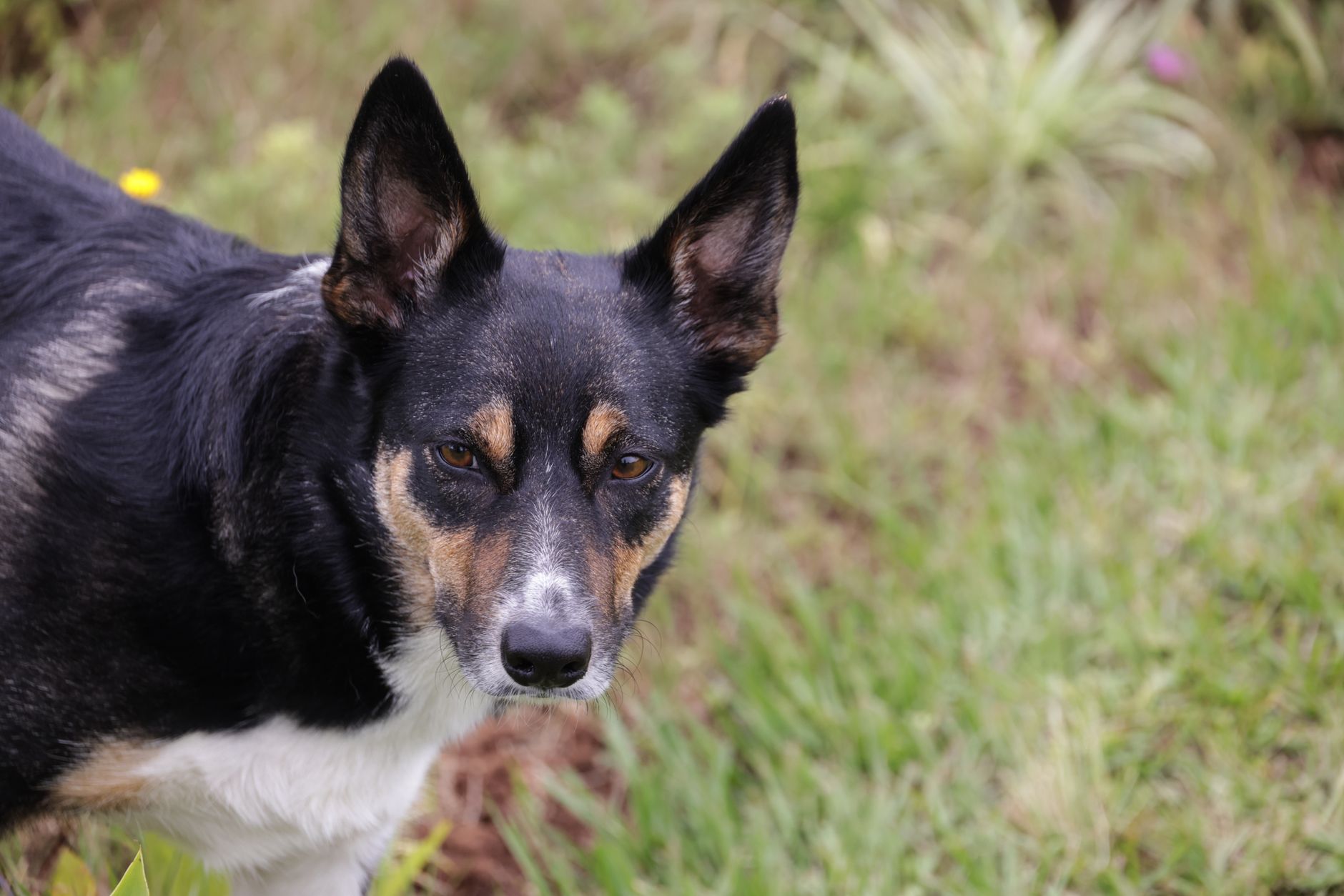
Understanding Canine Communication
Approaching and interacting with dogs can be a wonderful experience, forging a bond between humans and these amazing creatures. However, not all dogs are receptive to petting, and certain situations are best avoided to prevent potential bites or negative experiences for the animal. Understanding canine communication and reading a dog’s body language are paramount to ensuring safe and positive interactions. We need to be conscious of where you can’t pet a dog and why.

What is the best turtle to have as a pet in Australia?
What fish do not need a filtered tank?
Recognizing Signs of Stress and Anxiety

Before reaching out to pet a dog, take a moment to observe its body language. Dogs communicate through a variety of signals, and recognizing these signals is crucial for avoiding unwanted interactions. Signs of stress or anxiety include:
- Lip Licking: Frequent or excessive lip licking, especially when not related to eating or drinking.
- Yawning: Yawning when the dog is not tired.
- Whale Eye: Showing the whites of their eyes, often when looking sideways.
- Tucked Tail: A tail tucked low or between their legs.
- Stiff Body Posture: Tense muscles and an unrelaxed stance.
- Panting: Excessive panting when not physically exerting themselves.
- Turning Away: Avoiding direct eye contact or turning their head away.
If a dog exhibits any of these signs, it’s best to avoid approaching it and definitely do not attempt to pet it. Understanding where you can’t pet a dog starts with recognizing these warning signals.
Situations to Avoid When Approaching a Dog
Several situations warrant extra caution when considering whether to pet a dog. These situations often involve heightened stress or vulnerability for the animal.
- Eating: Never approach or attempt to pet a dog while it’s eating. Food aggression is a common issue, and a dog may become defensive when approached during mealtime.
- Sleeping: Waking a dog abruptly can startle it and lead to a negative reaction. Always approach a sleeping dog gently and speak softly to avoid startling it.
- Guarding Resources: Dogs may guard toys, bones, or other objects they consider valuable. Approaching a dog that is guarding a resource can trigger possessive aggression.
- In a Confined Space: Dogs may feel trapped or threatened in a confined space, such as a crate or small room. It’s best to let the dog come to you rather than forcing an interaction.
- With Puppies: Mother dogs can be very protective of their puppies. Avoid approaching or attempting to pet puppies without the owner’s explicit permission.
- While Leashed: Just because a dog is leashed doesn’t mean it wants to be pet. Leashed dogs can feel trapped or defensive. Always ask the owner for permission first.
- Service Dogs: Service dogs are working animals and should not be distracted. Petting a service dog can interfere with its ability to perform its duties and can be dangerous for the person they are assisting. They are a clear example of where you can’t pet a dog.
Approaching Dogs Responsibly
If you are unsure about whether it’s appropriate to pet a dog, always ask the owner for permission. Use a calm and friendly tone of voice and explain that you’d like to say hello. If the owner gives you permission, approach the dog slowly and calmly. Extend your hand slowly and allow the dog to sniff it before attempting to pet it.
Table: Signs of a Dog Being Open to Interaction vs. Signs to Avoid
| Behavior indicating invitation | Behavior Indicating Avoidance |
|---|---|
| Loose, relaxed posture | Stiff, tense posture |
| Wagging tail (loosely) | Tail tucked between legs |
| Soft, relaxed eyes | Whale eye (showing whites) |
| Approaching you willingly | Turning away or avoiding you |
| Ears forward, relaxed | Ears pinned back |
Respecting a Dog’s Boundaries
Even if a dog initially seems receptive to being petted, it’s important to respect its boundaries. If the dog moves away, turns its head, or shows any signs of discomfort, stop petting it immediately. Remember that dogs are individuals, and not all dogs enjoy being petted in the same way. Some dogs may prefer gentle scratches under the chin or behind the ears, while others may prefer to be left alone. Understanding where you can’t pet a dog also means understanding when you shouldn’t pet a dog.
The Role of the Owner
Ultimately, the owner is responsible for the dog’s safety and well-being. If an owner tells you not to pet their dog, respect their wishes. They may have a good reason for their decision, such as the dog being in training, recovering from an injury, or simply not enjoying being petted by strangers.
Educating Children About Dog Safety
Children are especially vulnerable to dog bites, so it’s important to educate them about dog safety. Teach children to:
- Always ask an adult for permission before approaching a dog.
- Approach dogs slowly and calmly.
- Extend their hand slowly and allow the dog to sniff it.
- Avoid making sudden movements or loud noises.
- Never run up to a dog or chase it.
- Never try to hug or kiss a dog.
- Know where you can’t pet a dog.
By following these guidelines, you can help ensure safe and positive interactions between children and dogs.
Frequently Asked Questions (FAQs)
Why is it important to ask for permission before petting a dog?
Asking for permission from the owner is crucial because it shows respect for both the dog and its owner. The owner knows their dog best and can assess whether the dog is in the right mood and environment for interaction. They might also know of any sensitivities or potential triggers the dog has. This simple step can prevent negative experiences and ensure a safer interaction.
What should I do if a dog growls at me?
If a dog growls at you, immediately stop what you are doing and slowly back away. Avoid making direct eye contact, as this can be perceived as a threat. Give the dog space and allow it to calm down. Do not turn your back on the dog or run away, as this could trigger a chase response.
Is it okay to pet a dog on the head?
While some dogs enjoy being petted on the head, others may find it intimidating. It is generally best to avoid petting a dog directly on the head unless you know the dog well and are confident that it enjoys it. Instead, try petting the dog under the chin, on the chest, or behind the ears.
What if a dog seems friendly but the owner says I can’t pet it?
Respect the owner’s wishes, even if the dog seems friendly. The owner may have a valid reason for not wanting you to pet the dog, such as the dog being in training, having a medical condition, or simply not enjoying being petted by strangers. Trust their judgment and avoid pressing the issue.
What are some signs that a dog is enjoying being petted?
Signs that a dog is enjoying being petted include a relaxed body posture, soft eyes, a slightly open mouth, and a gently wagging tail. The dog may also lean into your touch or solicit more petting. It’s crucial to be observant and not assume enjoyment based on one single factor.
What should I do if a dog bites me?
If a dog bites you, immediately wash the wound thoroughly with soap and water. Seek medical attention, especially if the bite is deep or if you are unsure of the dog’s vaccination status. Report the bite to your local animal control agency. It’s also worth trying to understand where you can’t pet a dog so future incidents are avoided.
Are all service dogs off-limits for petting?
Yes, service dogs are working animals and should not be petted or distracted while they are on duty. Petting a service dog can interfere with its ability to perform its tasks and can be dangerous for the person they are assisting. Treat them with respect and maintain your distance.
How can I teach my child to interact safely with dogs?
Teach your child to always ask for permission before approaching a dog, to approach dogs slowly and calmly, and to avoid making sudden movements or loud noises. Supervise all interactions between children and dogs closely and be prepared to intervene if necessary. It’s also crucial to teach them where you can’t pet a dog.
Is it ever okay to approach a dog behind a fence?
It is generally not recommended to approach a dog behind a fence, as the dog may feel trapped or threatened. Even friendly dogs can become defensive when confined. If you must interact with a dog behind a fence, do so cautiously and avoid reaching through the fence to pet it.
How can I tell if a dog is afraid of me?
Signs that a dog is afraid of you include a tucked tail, flattened ears, wide eyes, lip licking, yawning, and turning away. The dog may also tremble or try to hide. If a dog exhibits these signs, avoid approaching it and give it space.
What if a dog approaches me first?
Even if a dog approaches you first, always ask the owner for permission before petting it. The dog may be friendly, but it’s still important to respect the owner’s wishes and to ensure that the dog is comfortable with being petted.
Should I avoid all unknown dogs?
While not all unknown dogs are dangerous, it is always best to exercise caution and to avoid approaching unknown dogs without the owner’s permission. Prioritize safety by observing the dog’s body language and respecting its boundaries. The question of where you can’t pet a dog is partly answered by using common sense in such situations.